Subscription apparel usually does not fail because the garment itself is wrong. It fails in the pack-out. A closure does not hold, a logo rubs off, a size label is buried, or a bag is too small once the fold, insert, and hang tag all go in together. A printed Slider Lock Clothing bags quote for subscription programs should start with those realities, not with the lowest unit price on a spreadsheet.
That is the practical value of the quote process. It is not only a pricing exercise. It is a way to test whether the bag fits the fold, the print survives handling, the closure closes consistently, and the line can move at subscription pace without constant rework. If those points are not clear before approval, the problem shows up later as complaints, rushed substitutions, and wasted labor.
Why printed slider lock clothing bags quote for subscription orders reduces pack-out risk
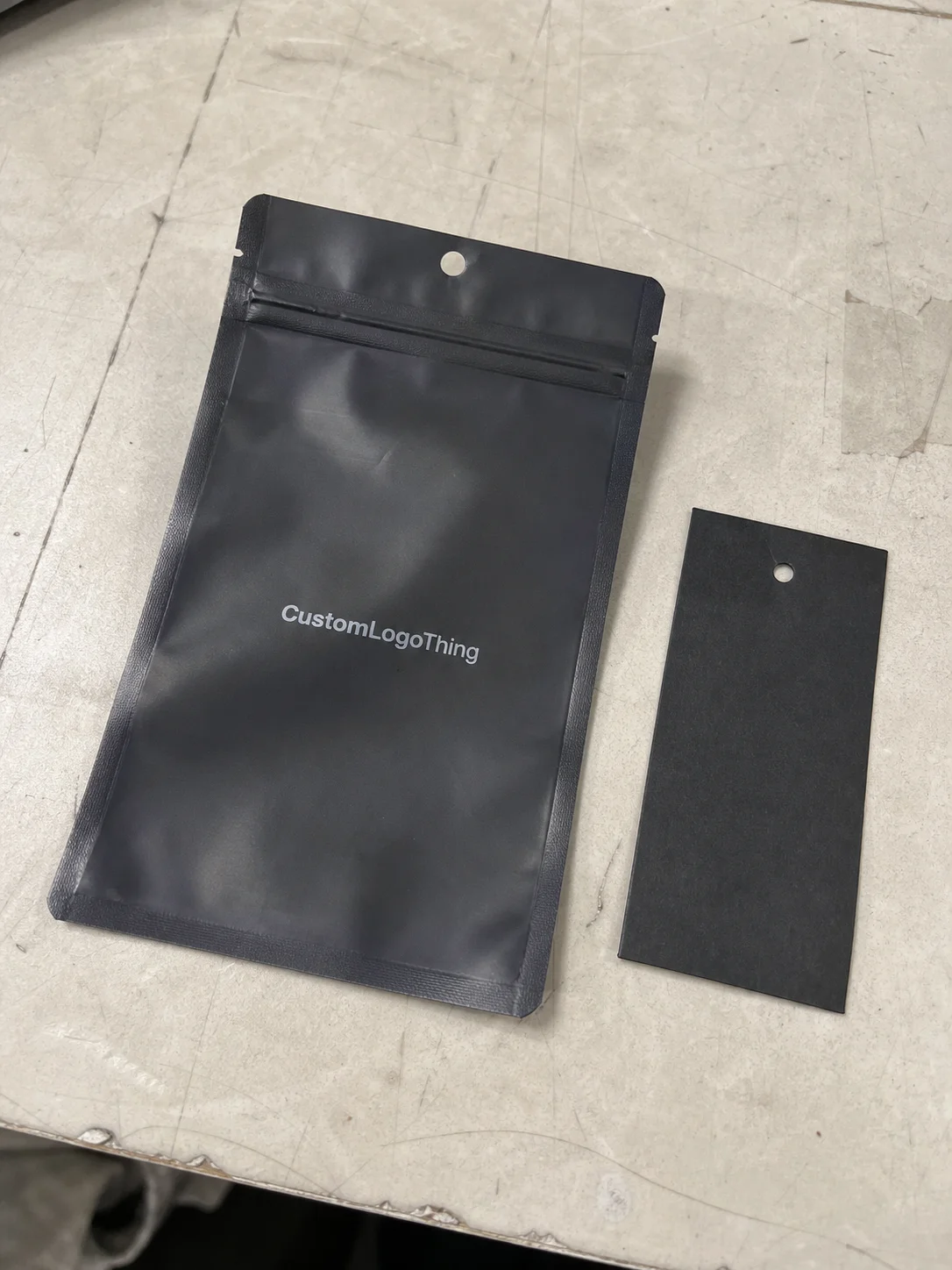
Monthly apparel programs create a specific kind of pressure. The fulfillment team may be packing 2,000 units one week and 20,000 the next, all with the same fold rules, inserts, and SKU checks. Small packaging defects compound quickly. One torn bag is noise. A few hundred bags that do not slide shut cleanly become a real operational cost.
A good quote makes the risk visible. It should answer whether the bag can protect the garment, support quick identification on the line, and still look clean after handling. That means more than a nominal size and a unit price. It means checking closure action, print durability, bag thickness, tolerance on dimensions, case pack count, and the lead time needed to keep reorders on schedule.
The economics are straightforward. A printed slider bag might cost $0.18 to $0.32 per unit in a common mid-volume run, sometimes more for heavier film or more complex print. That is a manageable cost if the bag prevents creasing, dust exposure, or resealing problems that lead to returns or customer service work. Even a small defect rate can become expensive once replacements, labor, and shipping are counted together.
Buyer reality: the cheapest bag is often the most expensive choice if it slows packing, creates rework, or makes the monthly shipment feel inconsistent.
For recurring apparel programs, the bag should be treated as a production component, not an accessory. The quote needs to reflect that. If a supplier cannot specify tolerances or repeat the same spec on a reorder, the first order may look fine while the second one drifts. That is usually where subscription packaging problems begin.
Slider lock bag features that matter for subscription apparel
The slider closure earns its place because packers often need to open the bag, inspect the contents, reseal it, and then ship it in the same shift. A standard press-to-close zipper can work, but it depends more on finger pressure and alignment. A slider gives a more obvious closing action, which matters when the line is busy and the work is repetitive. Consistency is the point.
For folded tees, underwear, socks, lightweight loungewear, scarves, and small accessory bundles, the bag has to protect shape without adding unnecessary bulk. A 2 mil polyethylene bag may be enough for a light tee. A 2.5 or 3 mil film usually feels safer for thicker sets, premium garments, or bundles with inserts that add stress at the corners. Too thin and the bag wrinkles, punctures, or looks tired before it reaches the customer. Too stiff and it fights the outer mailer or carton.
Printing changes the equation in two ways. It improves presentation, and it helps the warehouse. A one-color logo, size mark, collection code, or product identifier can make packers faster and reduce hesitation when similar garments are running down the same line. That is not decorative work. It is operational design.
Presentation and protection are not separate goals. A clean printed bag can make a modest garment feel deliberate and finished. A cloudy, weak, or poorly cut bag sends the opposite signal, even if the garment inside is good. Subscription buyers notice that because they see the package every cycle, not once.
If sustainability claims are part of the brief, be specific. Ask for written material identification, recycled content documentation if it is claimed, and any disposal guidance tied to local recycling systems. Public guidance from the EPA recycling information is useful background, but actual acceptance depends on local collection rules and the type of film involved. Do not treat a marketing label as proof.
Specs buyers should lock before requesting samples
Samples only help if the spec is already close to reality. An empty bag can look perfect on a table and still fail once a folded hoodie, product card, return insert, and size sticker are added together. Before requesting samples, lock the working dimensions, film thickness, closure style, seal style, print position, and print coverage. If those details are vague, the sample only proves that a bag exists. It does not prove it works.
Dimensions should be based on the folded product, not the flat garment measurement. A medium tee may fold into a compact rectangle that needs more height than a buyer expects on paper because of the collar, seams, and insert thickness. Add a hang tag, tissue, or a rigid card and the size requirement changes again. Subscription assortments rarely fit one neat size family, so each product class should be checked on its own.
Film choice matters just as much. Low-density polyethylene is common because it is flexible and economical. Higher-clarity film can improve presentation when the garment color needs to show through. A stiffer film can feel more premium, but it may increase bulk and cost. Compostable or paper-based alternatives can work for some brands, but they deserve more testing for tear resistance, moisture, print behavior, and closure reliability before anyone commits a season’s volume to them.
Ask for a sample using the real pack-out. Put the folded item, insert card, size sticker, and any hang tag into the bag exactly as the fulfillment team would. That is the only way to see whether the closure clears the added thickness and whether the bag keeps its shape after repeated handling. I would rather see a sample fail in a review meeting than find the same issue during the first large run.
| Subscription item | Typical bag size range | Common film thickness | Buyer watchpoint |
|---|---|---|---|
| Folded tee | 9 x 12 in to 10 x 13 in | 2 to 2.5 mil | Allow room for size labels and quick insertion |
| Intimates or socks | 5 x 7 in to 7 x 10 in | 1.8 to 2.5 mil | Avoid excess film that bunches inside the mailer |
| Loungewear set | 12 x 15 in to 14 x 18 in | 2.5 to 3 mil | Check packed thickness against the outer carton or mailer |
| Accessory bundle | 6 x 9 in to 9 x 12 in | 2 to 3 mil | Watch puncture risk from buckles, clips, or sharp corners |
Print and branding options for subscription packaging
Print decisions move both cost and consistency. A one-color logo on the front panel is usually the most economical branded option and often the easiest to repeat cleanly. Multi-color branding, full-panel coverage, metallic ink, dense patterns, and tight registration increase setup demands and may lengthen proofing. A printed Slider Lock Clothing Bags quote for subscription programs should show those differences clearly instead of folding them into one blended price.
Simple artwork tends to repeat better. That matters because the same bag may run for several months and then return as a replenishment order. Fine lines, reversed text, and large solid ink areas behave differently on flexible film than they do on paperboard. If brand color accuracy matters, provide Pantone references or an approved color target, but expect some tolerance. Film clarity, ink system, and curing conditions all influence the final result.
Branding should help the operation as much as the customer experience. A clean logo creates the visible brand moment, while small printed markers can help packers with size, collection, or garment category. Keep those markers deliberate. Too much text on a clear bag can make visual checks slower, not faster.
There is a retention angle here, and it is not abstract. Subscription businesses spend repeatedly to acquire customers, so every package is a recurring physical touchpoint. A neat printed clothing bag makes a modest item feel selected. Poor registration, cloudy film, or inconsistent bag sizing sends the opposite message. The customer may not name the issue, but they notice the difference.
For paper wraps, board inserts, or mixed-material kits, certification may become part of the sourcing brief. The Forest Stewardship Council provides a recognized framework for paper-based components. For slider bags made from plastic film, ask for the exact resin type, any recycled-content documentation, and any test data that supports the claim being made.
Cost, MOQ, and quote drivers for recurring orders
Price changes for predictable reasons: bag size, film thickness, closure type, print complexity, volume, freight, and whether the order is a one-time run or a planned replenishment. For a common Printed Slider Lock apparel bag, rough planning ranges might land near $0.16 to $0.26 per unit at 10,000 pieces for a simple one-color design, or $0.28 to $0.45 for larger bags, heavier film, or more complex printing. Those are planning numbers, not promises. Resin pricing, freight lanes, and artwork changes can move the final quote.
MOQ is often misunderstood. It is not only a sales threshold. It reflects setup efficiency, print preparation, roll usage, machine time, waste during changeover, and the labor needed to pack and inspect the order. A supplier has little reason to run 700 custom printed slider bags if the setup work is similar to a 7,000-piece order. That is why forecast visibility matters.
If the subscription program ships 4,000 units each month, say that plainly. A supplier may price 12,000 pieces shipped quarterly differently from three separate 4,000-piece spot orders. In some cases, planned replenishment reduces cost because the artwork and spec are already filed, and the production slot can be scheduled in advance. That also helps the buyer keep a steadier packaging standard across the year.
Compare quotes line by line. A low unit price can hide freight, plate charges, sampling fees, artwork adjustments, or a higher minimum on the next reorder. Ask every supplier to quote the same bag size, film thickness, print colors, closure style, case pack, and destination ZIP or port. Otherwise, the cheapest quote may simply be a different product. That comparison is not useful.
The most useful quote is the one that separates unit cost, setup, sample cost, freight, and repeat-order assumptions. Without that split, internal approval gets messy because nobody can tell whether the savings come from the bag or from assumptions that will not hold on the next run.
| Quote driver | Lower-cost direction | Higher-cost direction | Practical question to ask |
|---|---|---|---|
| One-color front logo | Multi-color or full-coverage print | Can the brand mark work in one color? | |
| Film | Standard clear PE, 2 mil | Heavy gauge, high-clarity, specialty material | Does the product need extra stiffness or puncture resistance? |
| Closure | Standard slider lock | Custom slider color or specialty closure | Is the custom option worth the added setup? |
| Volume | Forecasted repeat orders | Small isolated runs | Can monthly demand be grouped into planned replenishment? |
| Freight | Consolidated cartons, planned transit | Rush air or split shipments | What date must bags arrive at the pack-out site? |
Production steps and timeline from artwork to shipment
A reliable production path is simple on paper: inquiry, spec confirmation, artwork review, proof approval, production, inspection, packing, and dispatch. The delays usually sit between those steps. Missing logo files. Unclear bag dimensions. Color expectations based on a website image. A late decision to add a second print color. Small gaps, then the calendar tightens.
For first-time custom printed slider bags, a practical timeline may include one to three business days for quote clarification, two to five business days for digital proofing, and roughly 12 to 20 business days for production after proof approval, depending on order size and material availability. Shipping sits on top of that. Domestic ground may be only a few days. Ocean freight or consolidated international freight needs a wider buffer and a firmer cutoff.
Repeat runs are usually faster because the supplier already has the artwork, approved dimensions, film spec, and carton configuration. That assumes nothing changes. A small artwork revision sends the job back through proofing. A material change may require a new sample. A new bag size is not a reorder; it is a different specification.
Testing deserves a place in the schedule. Apparel bags do not always need the same performance testing as a heavy corrugated shipper, but buyers can still borrow useful discipline from organizations such as ISTA. Drop handling, compression during transit, heat exposure, and moisture contact reveal whether the inner bag is doing its job inside the complete shipping system.
Set the release date first, then work backward. If the subscription drop ships on the 25th, the bags may need to arrive by the 10th so the team can begin kitting on the 12th. That leaves little tolerance for proof delays or freight surprises. A serious printed Slider Lock Clothing Bags quote for subscription orders should include the production clock and decision deadlines, not only the unit price.
Why repeat subscription buyers keep one packaging supplier
Supplier consistency is underrated. Buyers often spend time shaving a cent from the bag and then lose that savings through spec drift, late approvals, or a reorder that arrives with a slightly different film feel. The customer may not know why the package feels off. They still notice.
A good supplier keeps the approved artwork, bag dimensions, film gauge, closure style, color reference, case pack, and shipping details on file. That record reduces hidden work. The second order should not require rebuilding the same spec from old email threads. The fifth order should be even easier.
One-off buying can work for simple stock packaging. Recurring subscription packaging is different because the same bag has to perform every month or every drop. The lowest first-order price is not automatically the lowest-risk choice if the supplier cannot maintain print quality, material consistency, or timing across repeat runs.
Service quality becomes measurable. How quickly does the supplier update a quote after volume changes from 8,000 to 12,000 pieces? Can they provide a retained sample? Do they document tolerances? Will they flag a size risk before production starts? These details affect the buyer’s workload just as much as the quoted price does.
Documentation usually gets underpriced. A stored spec sheet, approved proof, and repeat-order note can save hours during each replenishment cycle. For a growing subscription program, that is not administrative clutter. It is what keeps the packaging standard stable while the order count moves up.
What to send for an accurate quote and faster next step
The fastest quote requests are specific. Send the exact bag size, or the target product dimensions after folding, along with the preferred material, thickness if known, print color count, closure style, estimated monthly volume, and the product type that will go inside the bag. If size is still undecided, send the garment measurements and a photo of the folded pack-out beside a ruler. A clear image usually beats a vague description.
Artwork matters too. Provide vector logo files when available, such as AI, EPS, or print-ready PDF. Include Pantone references if brand color is controlled. Add the shipping destination, required arrival date, and whether the order is a launch run, monthly replenishment, or seasonal promotion. A Printed Slider Lock Clothing Bags quote for subscription orders becomes more accurate when the supplier can see the repeat pattern rather than a one-time guess.
Photos help more than most buyers expect. A folded tee with a hang tag may need a different bag than the same tee without the tag. A rigid product card can create corner pressure. Tissue wrap changes the stack height. Inserts change the insertion angle. Real pack-out evidence keeps the quote tied to production reality, which is where the value is.
- Send dimensions: flat bag size or folded product size, including thickness.
- Define material: standard PE, high-clarity PE, recycled-content preference, or another target film.
- Confirm print: logo placement, print colors, coverage area, and approved color references.
- State volume: launch quantity, monthly forecast, and expected reorder cadence.
- Share timing: proof deadline, pack-out date, and required delivery location.
The most reliable quote path is simple: request a sample, confirm the proof, approve the production spec, and keep that spec on file for reorders. For recurring apparel shipments, that discipline protects budget, presentation, and packing speed. If the spec is clear from the start, the quote is easier to defend and the reorder is easier to repeat.
FAQ
How do I get a printed slider lock clothing bags quote for subscription orders?
Send bag size, material preference, print colors, closure type, and estimated recurring volume. Include the product dimensions after folding, not only the garment size on a spec sheet. Ask for a quote that separates unit cost, setup, sampling, freight, and repeat-order assumptions so you can compare proposals fairly.
What affects pricing the most on slider lock clothing bags for subscriptions?
Bag dimensions, film thickness, print complexity, and order quantity usually move price the most. Recurring volume can improve pricing if the supplier can schedule repeat production efficiently. Artwork changes, custom slider colors, specialty films, and tight color requirements can increase both setup time and total quote value.
What MOQ should I expect for printed subscription apparel bags?
MOQ depends on print method, material choice, and whether the order is a one-time run or a recurring program. Larger, simpler runs often support a lower unit cost at a more practical production minimum. If your forecast is stable, ask whether the supplier can structure the MOQ around repeat replenishment rather than isolated spot orders.
Can you keep the same print quality across repeat subscription reorders?
Yes, if the artwork, bag spec, approved proof, and color reference stay consistent. Keep the approved proof and production record on file to reduce variation between runs. Ask for a stored spec sheet covering dimensions, film gauge, print position, closure style, and carton quantity so future reorder approvals move faster.
What is the typical lead time after artwork approval?
Lead time depends on material availability, print complexity, and order size. First-time orders may need several business days for proofing before production begins, while repeat runs are usually faster because the artwork and specification are already approved. For subscription launches, build in time for proof approval, production, inspection, and shipping rather than planning only around the production window.


