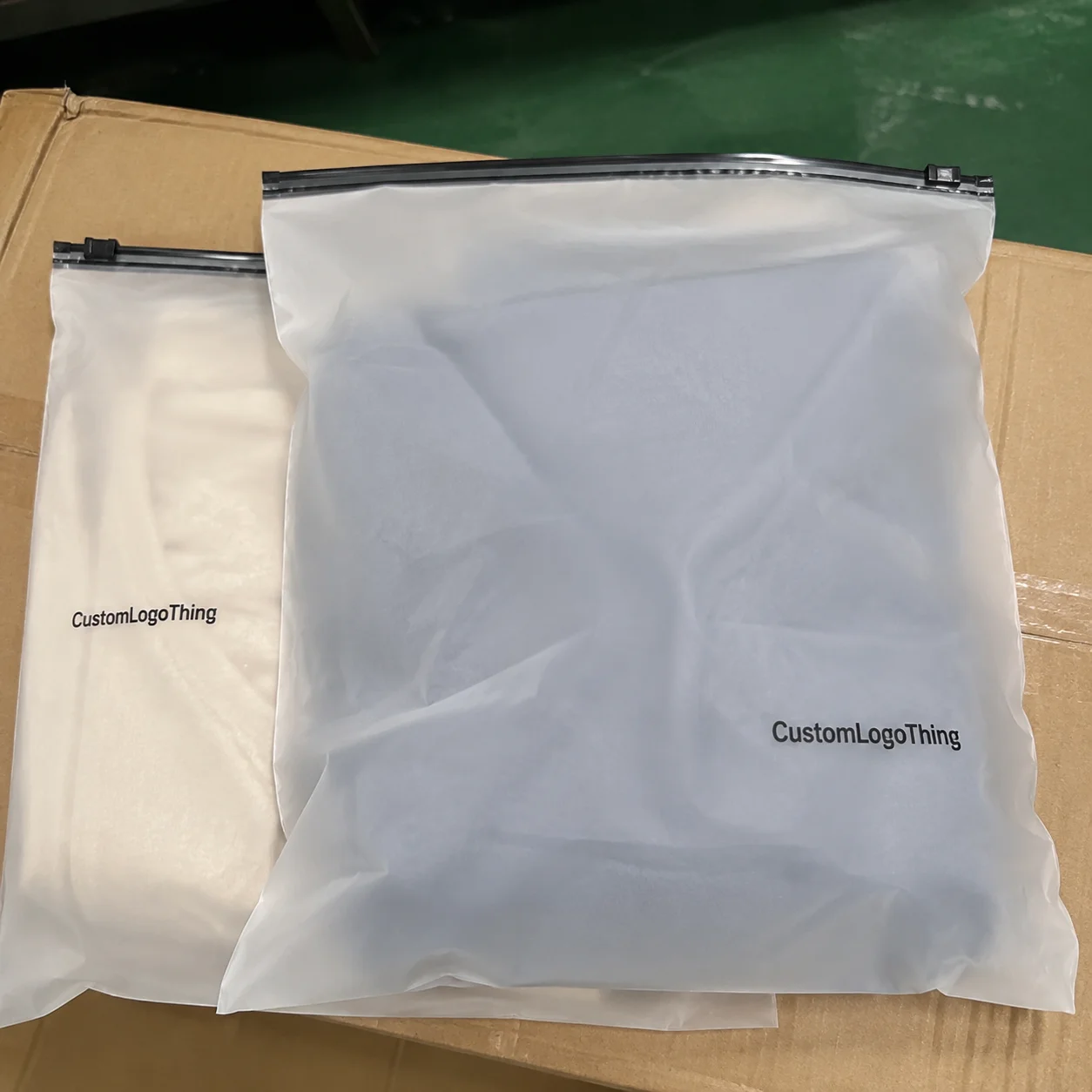
Subscription apparel programs can lose margin in small, repeated places, and packaging is one of the easier places to miss until the numbers have already compounded. The Slider Lock Clothing Bags unit cost for subscription orders matters because the bag is not just a wrapper. It affects packing speed, freight weight, carton efficiency, presentation, return handling, and the customer’s first impression of the garment.
Most buyers are trying to solve three practical problems at the same time: keep monthly packaging spend predictable, protect folded apparel without overbuilding the bag, and give customers a closure they can open and reseal without tearing the film. A useful quote needs to include more than a bare bag price. Film gauge, slider quality, zipper track performance, print coverage, carton quantity, and delivered freight all shape the real cost per piece.
Custom Logo Things helps apparel brands compare those variables before committing to production, so the final specification matches the actual subscription program rather than a generic packaging assumption.
Slider Lock Clothing Bags Unit Cost for Subscription Programs
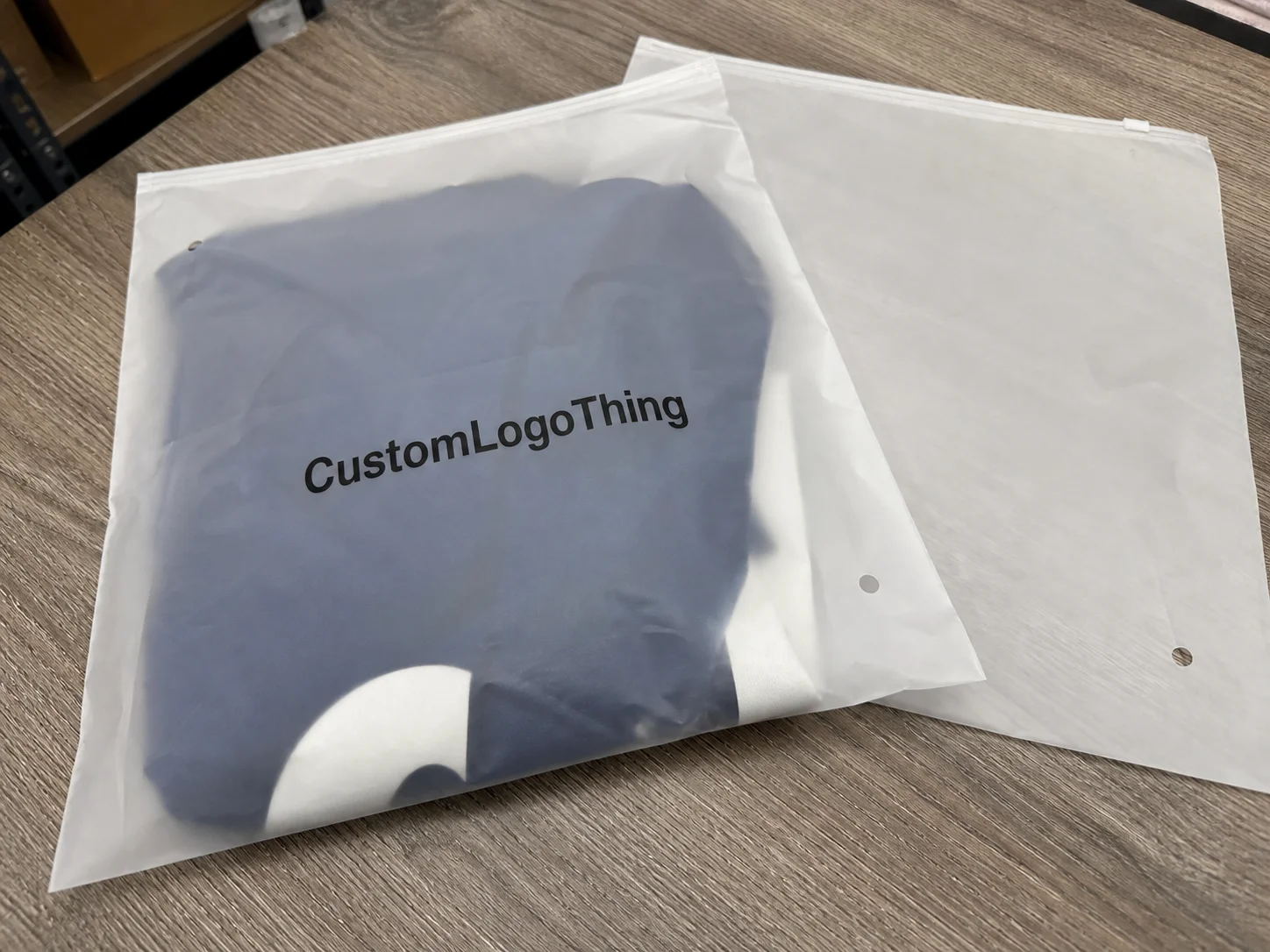
A subscription clothing brand can burn margin quickly if the bag spec is built from a mockup instead of the packed garment. Slider lock bags look simple from the outside, but each one carries film cost, zipper and slider component cost, print setup, production handling, carton packing, and freight. For a recurring program, a fraction of a cent or a small increase in packing time becomes meaningful across thousands of shipments.
Buyers ask for Slider Lock Clothing Bags unit cost for subscription pricing because fulfillment teams need a number they can forecast. Weekly or monthly shipment cycles do not leave much room for surprise charges caused by oversized bags, heavy film, a custom slider color with a longer lead time, or an order quantity too small to spread setup costs efficiently.
Delivered value matters more than the lowest line on a quote sheet. A bag that costs slightly more may still be the better buy if it packs faster, keeps a folded garment square, resists zipper stress, and arrives looking clean. A very low quote can hide weak zipper tracks, brittle film, inconsistent sliders, or freight costs that erase the savings once cartons reach the fulfillment center.
The quote should make the cost structure visible. Bag dimensions, film type, thickness, slider color, print count, print coverage, carton pack count, and destination all belong in the conversation before production starts. That level of detail gives subscription buyers a clearer picture of monthly packaging spend and reduces the chance of paying for features that do not improve performance.
“A lower unit price is not a win if the bag slows packing or arrives looking cheap. The better quote is the one that shows where the money goes.”
How Slider Lock Clothing Bags Protect Apparel in Recurring Shipments
A Slider Lock Clothing bag is a flexible plastic apparel bag with a zipper track and a small plastic slider that opens and closes the seal. That small part changes how the package behaves in a busy fulfillment setting. Packers can close the bag with a consistent motion, customers can reopen it without destroying the package, and the garment stays cleaner during storage, handling, and inspection.
These bags are commonly used for tees, socks, leggings, kidswear, activewear, accessory bundles, and sample packs. They are also useful for replacement garment programs or curated apparel subscriptions where the customer may inspect the item, store it, or repack it after opening. A resealable closure has real value when the bag has to do more than survive a single trip from warehouse shelf to doorstep.
Compared with press-to-close zipper bags or adhesive flap bags, slider closures usually add cost. They also add repeatability. On a packing line, a closure that works the same way every time can reduce checking, reopening, and rework. That matters more as order volume grows, especially when seasonal peaks put temporary labor into the process.
Clear, frosted, and printed versions each support a different workflow. Clear film helps warehouse teams verify color, size, or assortment without opening the package. Frosted film softens the look and reduces the visibility of light scuffs or fingerprints. Printed bags reinforce brand presentation, but they still need open space for barcodes, size labels, care inserts, or return instructions if those are part of the process.
Slider lock bags are not the answer for every apparel shipment. If the package only needs to close once and price is the only constraint, an adhesive flap bag may be enough. If the customer experience includes inspection, storage, returns, exchanges, or a polished recurring presentation, the slider mechanism can justify its higher cost.
Material, Size, and Closure Specifications That Affect Performance
Material choice sets the tone for the whole order. LDPE is common for apparel bags because it stays flexible, resists cracking, and gives a softer hand feel. HDPE or blended films can make sense when stiffness, economy, or a lighter material profile is more important than a soft finish. Specialty films may be used for a frosted appearance, higher scuff resistance, or a more premium retail presentation.
Thickness is usually discussed in mils or microns, and it should match the garment weight. Lightweight tees, socks, and thin accessories may not need a heavy film. Hoodies, denim, outerwear, or multi-item bundles often need a sturdier gauge so the zipper track is not strained and the film does not pucker around the folded stack. Thicker film can feel safer during specification, but extra gauge adds material cost, shipping weight, and storage volume. It does not automatically create a better customer experience.
Size deserves the same discipline. The bag should allow the folded garment to slide in without forcing the seams or stretching the zipper track. It should not be so oversized that the finished package looks loose, traps air, or wastes space inside subscription boxes and poly mailers. Empty space looks casual and costs money twice: once in the bag and again in the outbound pack.
Closure details should be written into the specification sheet instead of left to assumption. Buyers should confirm:
- Slider color and whether a stock color is acceptable
- Zipper track strength and opening smoothness
- Opening orientation for the packing line
- Hang hole requirements, if the bag will be stored or displayed
- Suffocation warning placement where required
- Vent holes for thicker garment bundles or compressed packs
- Barcode or label zones that must remain flat and readable
Print planning has to respect the structure of the bag. One-color logos, repeated patterns, QR codes, writable panels, and barcode windows all need to stay away from the zipper track, heat seals, fold lines, and slider path. A logo that looks centered on a flat dieline may land in the wrong place once a hoodie is inside. Fine reversed text can also lose clarity on frosted film if the artwork is too delicate or the ink coverage is not suited to the material.
Sustainability claims require care. Plastic apparel bags can sometimes be specified with recycled content or designed for easier recovery, but local recycling acceptance varies and labels should not overpromise. The EPA recycling guidance is a useful reference for general material recovery language, while FSC standards apply to paper-based packaging elements that may be paired with apparel shipments, such as inserts, cartons, or paper mailers. The same buying discipline applies across materials: know what the package is made from, how it will be used, and what claims can be supported.
Unit Cost, MOQ, and Quote Factors for Custom Slider Bags
The real Slider Lock Clothing Bags unit cost for subscription programs depends on variables that interact rather than sit in separate columns. Bag size, film thickness, resin type, zipper track quality, slider mechanism, print coverage, color count, production quantity, carton packing method, and freight destination all affect the final quote. A small change in one area can move the number more than expected.
MOQ matters because a custom production run has startup costs. Film purchasing, extrusion or converting setup, print preparation, tooling, slider component sourcing, line scheduling, inspection, and carton packing all need to be spread across the order. Very small custom runs usually carry a higher cost per piece because those fixed costs have fewer bags to absorb them.
For subscription brands, the more useful comparison is often one month of demand versus three or six months of demand. Ordering only enough bags for the next shipment cycle may protect cash flow, but it can keep the unit cost high and create reorder pressure. Buying a larger run can lower the cost per piece, though it requires enough storage space and confidence that the bag size, artwork, and garment assortment will not change before the inventory is used.
Here is a practical way to evaluate common cost drivers:
| Specification | Effect on Unit Cost | Buyer Impact |
|---|---|---|
| Standard size, stock slider | Lower | Best for predictable subscription volumes and faster reorders |
| Heavy film and wide print coverage | Higher | Adds durability and visual weight, but increases material and press cost |
| Multiple bag sizes | Higher | Improves fit, but adds inventory complexity and reduces purchasing efficiency |
| Higher order quantity | Lower per piece | Spreads setup charges and can improve bulk pricing |
| Custom slider color or special closure | Higher | Supports branding, but may add component lead time and minimums |
Cost control usually comes from clean specifications rather than aggressive trimming. Standardizing one or two sizes, choosing the correct film gauge, limiting unnecessary ink coverage, and using stock slider colors where possible can reduce cost without making the package feel cheap. A tight one-color print in the right place often performs better than an expensive full-coverage design that fights the bag structure.
Pricing should also be reviewed as a delivered cost. A bag that is cheaper at the unit level may become less attractive if it ships in inefficient cartons, arrives with higher defect rates, or takes up too much room in storage. Ask how many bags pack into each carton, approximate carton dimensions, gross weight, and whether the quote includes freight to the destination or only production before shipping.
A strong quote lets the buyer trade off durability, appearance, and cost with real numbers. That is more useful than a single price with no explanation behind it.
Artwork, Sampling, Production Steps, and Lead Time
The production path is straightforward, but every step affects schedule and final quality. Specification confirmation comes first: size, film, thickness, slider style, zipper track, opening direction, print location, and quantity. After that, artwork is reviewed, pricing is prepared, and a proof is approved. If needed, a sample or pre-production confirmation follows before the full run begins. The finished bags are then manufactured, inspected, packed, and shipped.
Artwork should be built for flexible plastic, not only for a flat digital preview. Vector logo files are preferred because they hold clean edges at production scale. Small type needs enough breathing room to remain readable after the bag is filled and flexed. QR codes and barcodes require particular care: the printed area must stay flat enough to scan, contrast must be strong, and the code should not land over a crease, seal, or slider path.
A digital proof is useful, but it only confirms layout, size relationships, and placement. A physical sample confirms film feel, opacity, slider movement, zipper grip, print sharpness, and the finished look with a real folded garment inside. For subscription packaging, that extra check can prevent slow pack-outs, poor presentation, or a reprint that costs far more than the sample stage.
Lead time depends on order quantity, print method, material availability, slider component selection, sample approval speed, production schedule, and shipping method. As a planning range, many custom printed slider bag orders fall around 12 to 15 business days after proof approval, though larger or more specialized runs can take longer. Air freight, rush production, or partial shipments may be possible in some cases, but those choices affect cost and should not be treated as the normal plan.
Subscription brands should reorder before packaging inventory becomes tight. Finished apparel cannot ship cleanly without the correct bags on hand, and last-minute packaging substitutions tend to create uneven presentation across customer shipments. A simple reorder point based on monthly usage and lead time is often enough to prevent that problem.
For brands that need tighter shipping standards, ISTA provides useful packaging test references. That is especially relevant when the slider bag sits inside a ship-in-box or ship-in-mailer system and must survive compression, handling, and transit without looking rough on arrival.
Common Ordering Mistakes That Push Bag Costs Up
Overspecifying thickness is one of the fastest ways to raise cost without improving the package. If the garment is light, a heavier film may simply make the bag stiffer, bulkier, and more expensive. Strength should come from matching the film and zipper track to the product, not from adding gauge by habit.
Too many size variants create another quiet expense. Every new size adds purchasing complexity, storage space, inventory tracking, and the chance of using the wrong bag on the packing line. Many apparel programs can reduce cost by testing whether one efficient size covers multiple folded formats, especially for tees, leggings, and lightweight bundles.
Artwork errors can be expensive as well. Logos placed where the slider travels may scuff or look poorly positioned after filling. Fine reversed-out text on frosted material can lose clarity. Large ink fields may look impressive in a mockup but raise press cost, increase curing or handling concerns, and make scuffs more visible. The artwork should work with the bag’s shape, not ignore it.
Fulfillment problems can raise the real cost even when the production quote looks reasonable. Bags that are too tight slow labor and put pressure on the zipper. Bags that are too loose wrinkle, trap air, and waste space inside the subscription mailer. Those issues show up as packing delays, shipping inefficiency, and inconsistent presentation rather than as obvious packaging defects.
Compliance and warehouse details should be confirmed before production. Suffocation warnings may be required depending on bag size, material, opening, and market. Barcode scannability matters if the packaged garment moves through warehouse systems. Some retailers, fulfillment centers, and marketplace programs have their own rules for labeling, warning copy, material thickness, or bag closure. Confirming those requirements before the order is cheaper than relabeling or repacking finished inventory.
The best savings usually come from cleaner specifications, not pressure on the supplier. A sensible spec is easier to manufacture, easier to pack, and easier to reorder with consistent results.
Next Steps to Get an Accurate Custom Bag Quote
Start with the folded garment. Measure the bundle length, width, and thickness, then decide whether the customer needs resealability after opening. From there, estimate monthly volume, decide between clear, frosted, or printed presentation, and gather the artwork files before requesting pricing. Those basics make the quote faster and more accurate.
When requesting pricing from Custom Logo Things, include the target bag size or garment dimensions, quantity range, preferred material if known, approximate film thickness, slider color preference, logo files, print colors, delivery address, required arrival date, and any fulfillment center rules. If the program has seasonal volume swings, mention those too. A supplier can often quote more useful quantity breaks when the demand pattern is clear.
Ask for pricing at realistic order levels, such as one month, three months, and six months of packaging demand. That comparison shows how much cost comes from setup and how much can be saved through a larger run. It also helps balance cash flow, storage space, and the risk of holding too much printed packaging if the brand refreshes artwork or changes garment sizing.
Before scaling the order, test the packed look. Place the actual folded garment in the proposed bag, close and reopen the slider several times, inspect logo placement, scan any barcode or QR code, and confirm that the finished package fits the subscription mailer or box without forcing corners. A five-minute physical test can catch problems a PDF proof will never show.
For a precise Slider Lock Clothing Bags unit cost for subscription packaging quote, send the use case, specifications, artwork, quantity, and delivery target in one complete request. The best number is the one that reflects the real program: the garment, the pack line, the monthly volume, and the customer experience after the box is opened.
FAQ
What affects slider lock clothing bag unit cost for subscription orders the most?
The largest drivers are bag size, film thickness, material type, zipper and slider construction, print coverage, number of print colors, order quantity, carton packing, and freight destination. Subscription programs can often lower unit cost by standardizing sizes, ordering multiple cycles at once, and keeping artwork efficient for production.
What MOQ should I expect for custom slider lock apparel bags?
MOQ depends on material, size, print method, slider component selection, and production schedule. Custom printed plastic bags usually need enough volume to justify setup and line time. For a useful quote, provide a target quantity and at least one larger quantity option so pricing breaks can be compared clearly.
Are slider lock clothing bags better than adhesive flap bags for subscriptions?
Slider lock bags usually cost more than adhesive flap bags, but they are easier to reseal and can feel more durable for apparel that may be inspected, returned, exchanged, or stored by the customer. Adhesive flap bags may be more economical when the bag only needs to close once and reuse is not part of the customer experience.
How do I choose the right size slider bag for folded clothing?
Measure the folded garment length, width, and thickness, then allow enough room for easy insertion without straining the zipper track or leaving excessive empty space. Testing an actual folded garment in the proposed bag size is strongly recommended before ordering a high-volume subscription run.
How long does production take for custom slider lock clothing bags?
Lead time depends on proof approval, sample requirements, material availability, order quantity, printing details, slider component selection, and shipping method. Many custom runs fall around 12 to 15 business days after proof approval, but subscription brands should build in reorder time before packaging inventory runs low.