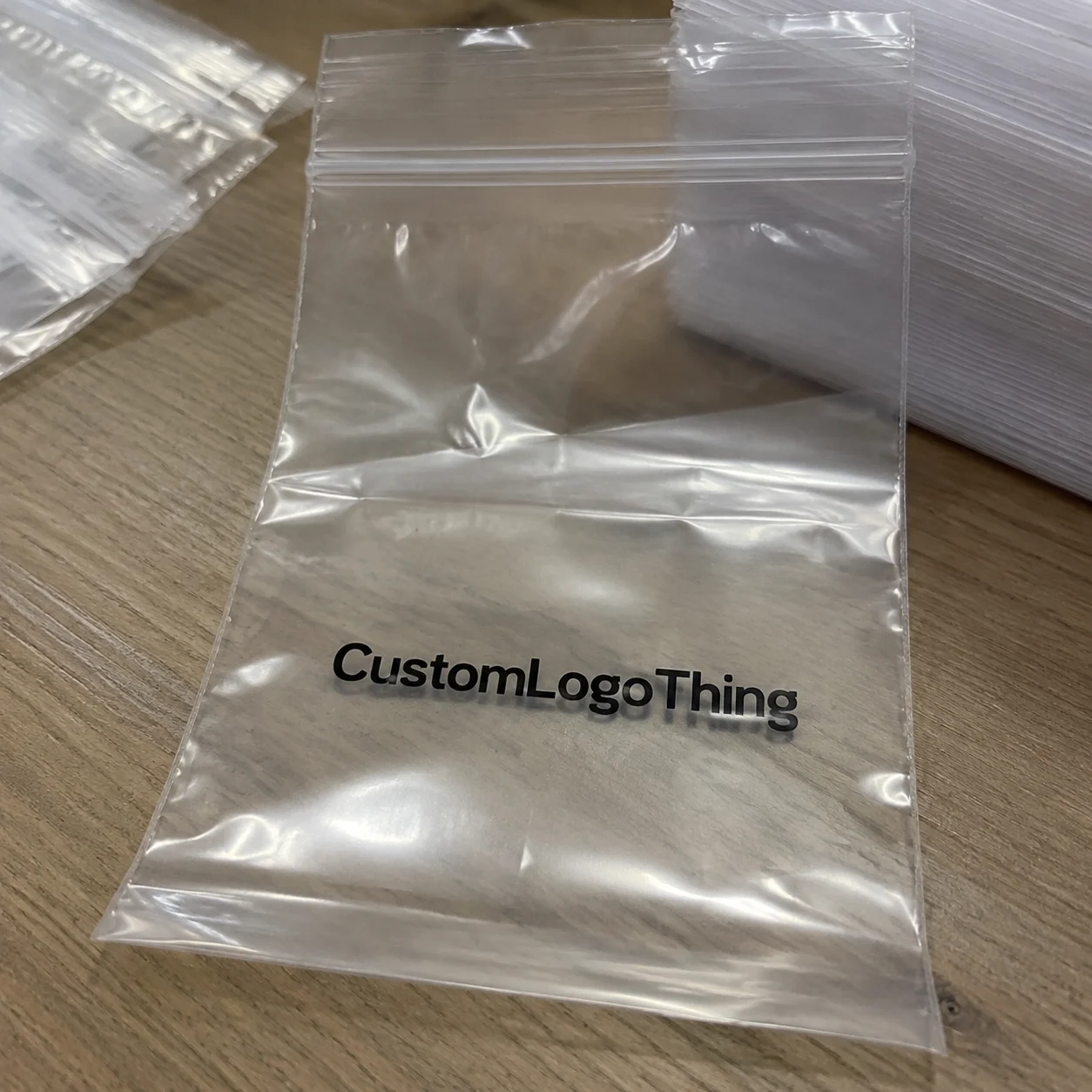
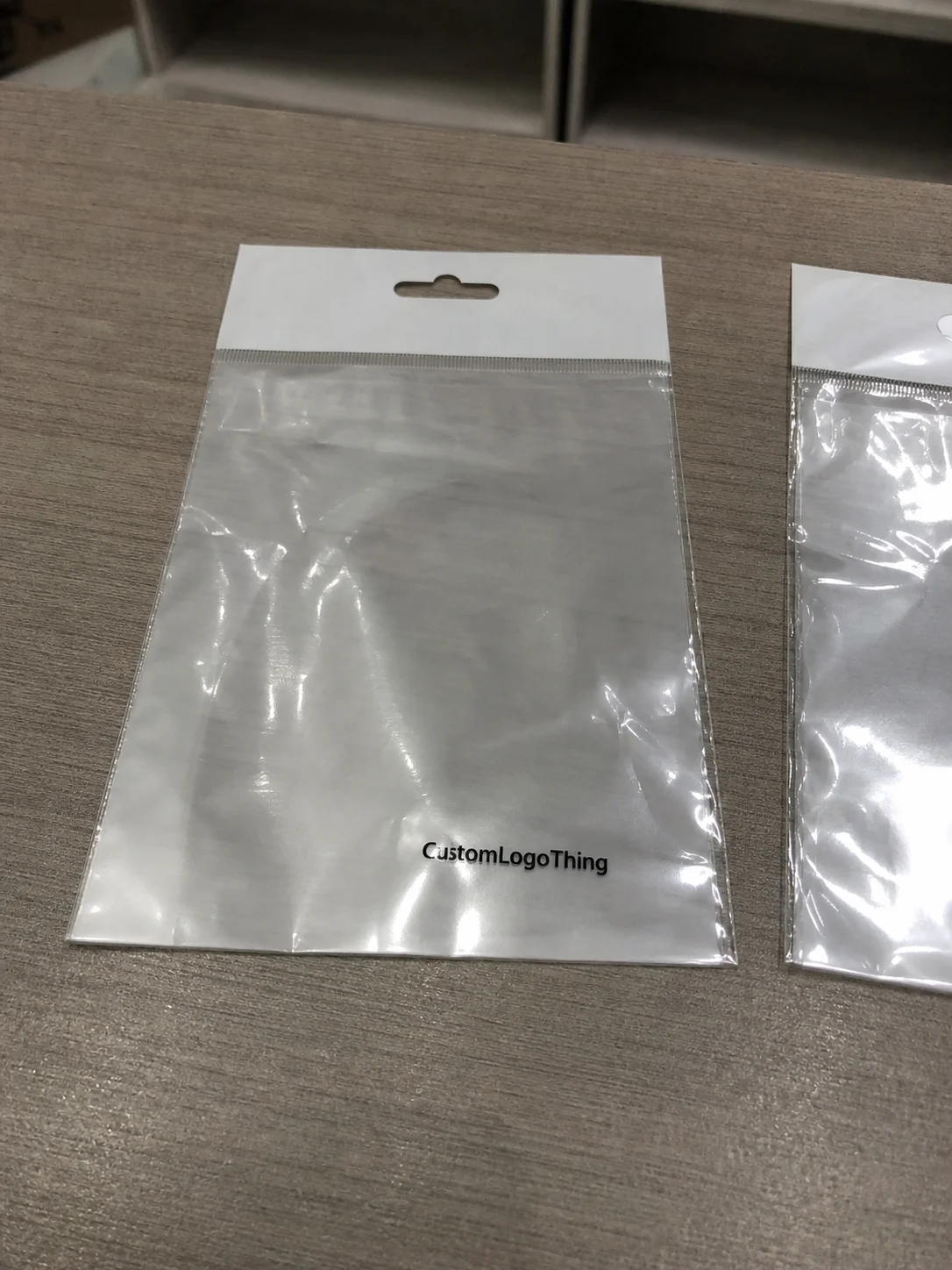
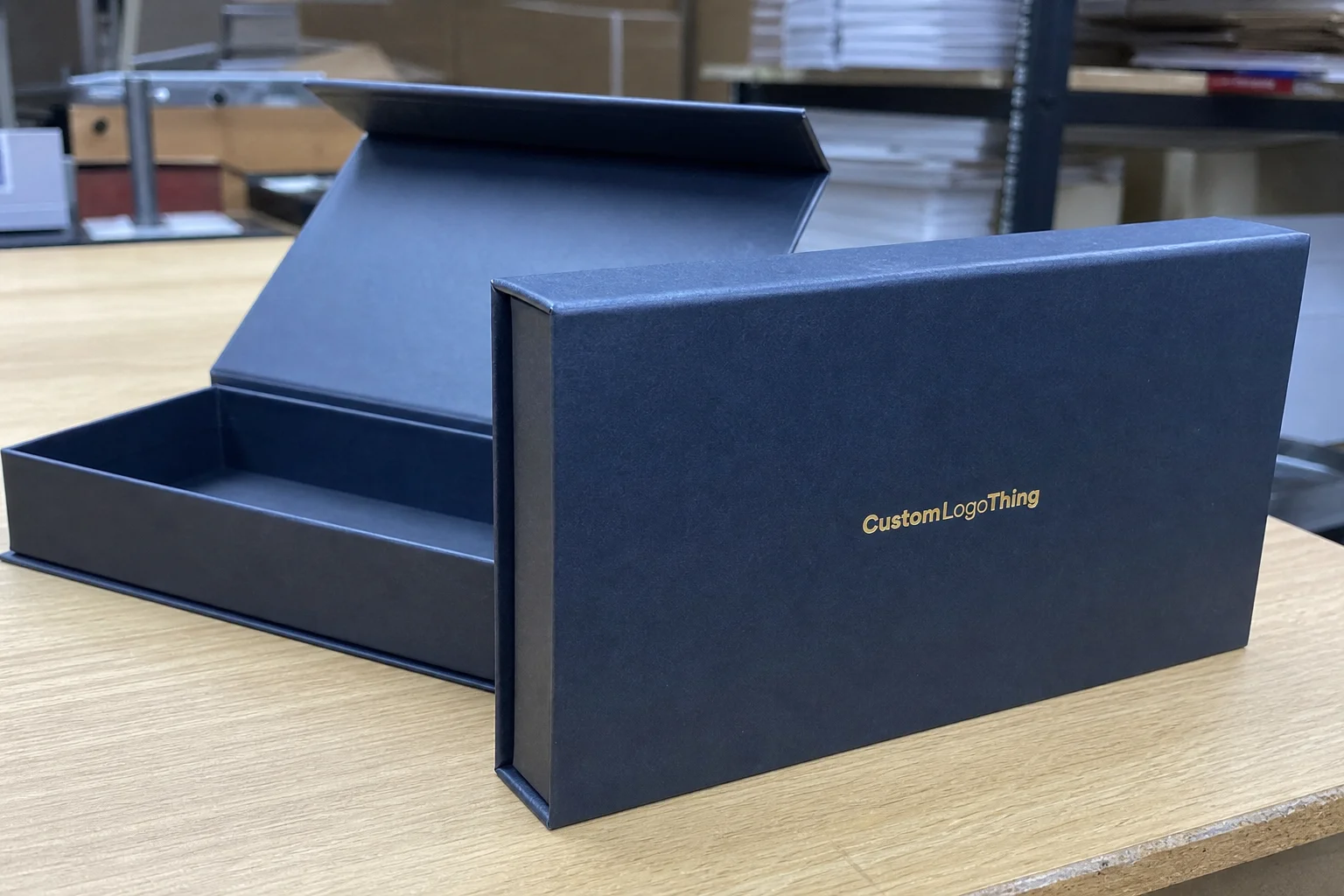
Buy Slider Lock Clothing Bags: Unit Cost for Jewelry
A $38 bracelet can ship in a bag that costs less than a quarter and still create a bad impression. Buyers comparing Slider Lock Clothing Bags Unit cost for jewelry are usually not comparing plastic alone; they are comparing damage prevention, pack-out speed, and how the piece looks after it crosses a warehouse. One torn corner, one slipped closure, or one bent insert can erase the savings from choosing the cheapest bag.
When Jewelry Packaging Fails, the Bag Is Usually the Cheapest Part
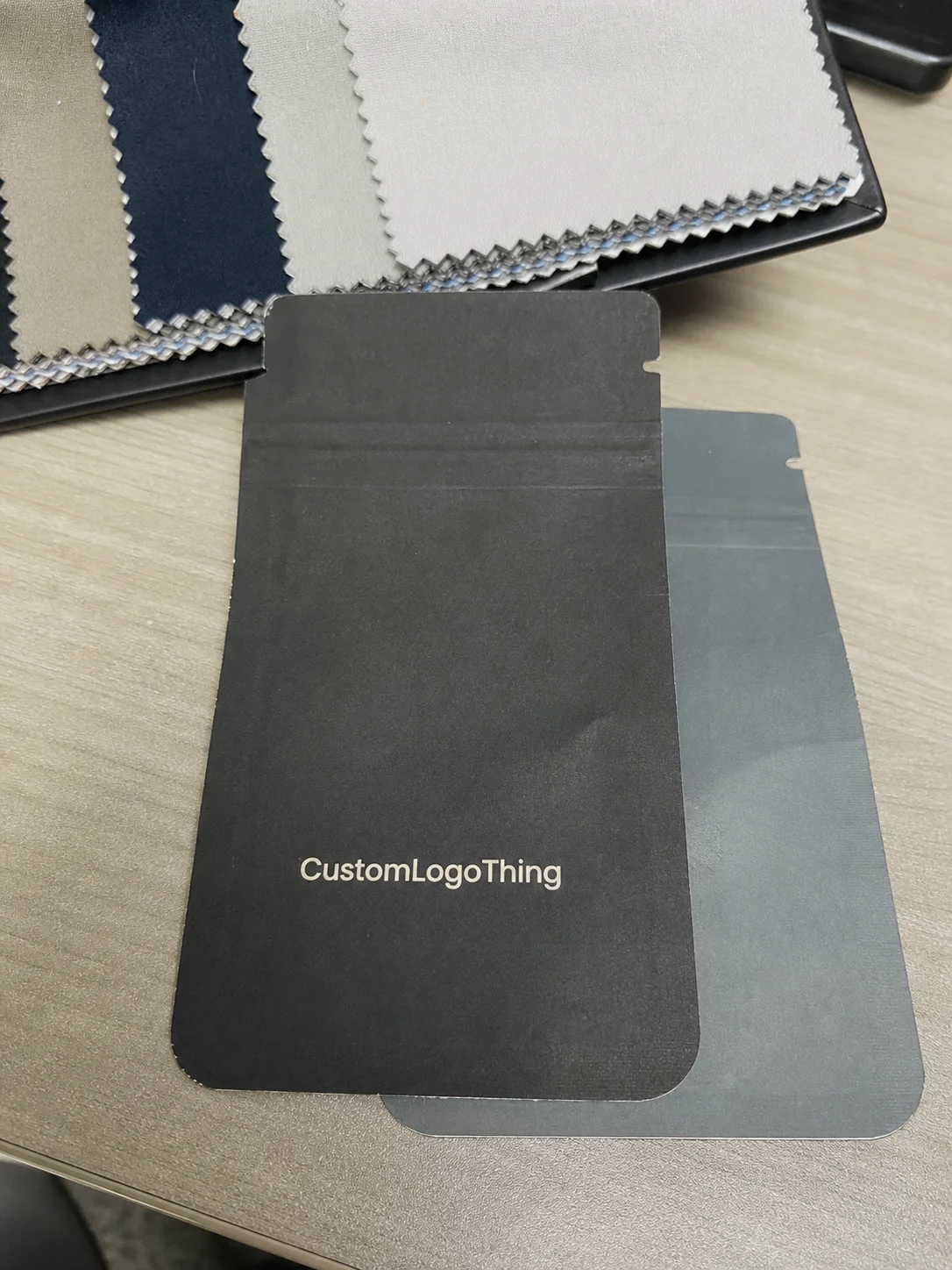
Jewelry is unforgiving packaging. A necklace that tangles in transit, an earring card that slides around, or a charm set that arrives scratched changes the buyer’s opinion before the product even gets seen properly. The ironic part is simple: the bag itself is rarely the expensive item, but it often decides whether the whole order feels polished or careless.
That is why Slider Lock Clothing Bags unit cost for jewelry deserves a closer look than a simple per-piece quote. The right bag protects the item, makes packing faster, and gives the customer a reusable storage pouch they do not throw away immediately. The wrong bag saves a few cents and creates complaints that cost far more.
For jewelry brands, the economics are not subtle. A return rate that rises by even 1% can outrun the savings from a thinner film or a weak closure. Add labor time, reshipment, and customer service load, and the cheapest package often becomes the most expensive choice.
A slider lock closure makes sense because it sits between two extremes. It is faster than an adhesive flap, which slows pack-out and can fail in cold or dusty conditions. It is more secure than an open-top poly bag, which is fine for temporary storage but weak for retail or shipping. For small accessories, that balance matters.
There is also a merchandising angle. Many teams use a clothing-bag format for bracelets, earrings, chains, and small gift sets because the format scales well across SKUs. One structure can handle a narrow velvet pouch, a backing card, a two-piece charm set, or a folded textile accessory. That flexibility reduces packaging chaos.
If the jewelry is worth protecting, the bag is worth specifying. Most of the cost error comes from under-defining the bag, not from the factory overcharging on the plastic.
Before asking for a quote, it helps to define the decision clearly: what costs more in your operation, the bag itself, or the damage and labor it prevents? That question usually leads buyers to the right spec faster than chasing the lowest line item.
Slider Lock Clothing Bags Unit Cost for Jewelry: What Drives the Price
The unit cost is shaped by a handful of variables buyers can actually control. Size is the first one. A compact bag uses less film, converts faster, and ships more efficiently. Larger bags use more material and increase carton cube, which matters if you are moving high volumes or paying meaningful freight.
Film thickness is next. Thinner gauges reduce cost per piece, but they also reduce puncture resistance and can feel cheap in the hand. Thicker film improves structure and keeps the bag from creasing too easily. For jewelry, that extra stiffness often helps the product sit better on shelves and in mailers.
Closure quality matters more than many buyers expect. A smooth slider track costs more than a basic zip seal, but it also reduces pack-out rejects and customer complaints. If the slider binds, jams, or pops open, the apparent savings disappear. That is a typical place where setup charges and supplier selection matter more than a small material difference.
Print coverage changes the number quickly. A one-color logo on a clear bag is usually the cleanest route for cost control. Full-coverage printing, frosted film, special color matching, or complex retail graphics all add labor and often add tooling fees or print preparation charges. If the artwork is simple and the product is premium, restraint often works better than decoration.
For many buyers, the useful way to think about Slider Lock Clothing Bags unit cost for jewelry is by tier, not by single quote. A plain bag may be cheapest, but a custom printed version can still be the better total-value option if it reduces returns, fits automated packing, or replaces a second insert.
| Option | Typical unit cost at 5,000 pcs | Best use | Tradeoff |
|---|---|---|---|
| Plain clear slider bag | $0.08-$0.16 | Internal storage, simple jewelry orders, low branding need | Lowest visual impact, minimal brand presence |
| Custom printed clear or frosted bag | $0.14-$0.28 | Retail jewelry, e-commerce branding, repeat SKUs | Higher setup charges, print file must be clean |
| Premium thicker film with upgraded slider | $0.22-$0.42 | Higher-value pieces, shipping protection, premium presentation | Higher material cost, higher freight cube |
Those numbers are not promises. They are a realistic way to frame bulk pricing conversations. Small runs usually sit higher, especially if the order needs a custom size, multi-color print, or special packing instructions. Larger quantities usually pull the unit price down because the fixed costs are spread over more bags.
One more detail matters: a quote should tell you whether freight, cartons, print setup, sampling, and any duty exposure are included. The line that looks cheapest on paper can become the most expensive delivered cost if those items are omitted.
Product Details That Matter for Rings, Chains, Earrings, and Charms
Start with the material. Most slider-lock bags for jewelry use PE, LDPE, CPE, or CPP film depending on clarity, stiffness, and hand feel. PE and LDPE are common for straightforward clarity and lower cost. CPE and some mixed constructions are chosen when the buyer wants a softer feel or a slightly more premium finish. Recycled-content film can also be part of the conversation, especially if the broader packaging program is aligned around lower environmental impact.
For paper components, such as inserts or hang cards, FSC-certified board is a clean signal if you want a more responsible carton or display system. For shipping and secondary packaging, the EPA’s recycling guidance is a useful reference point for what can actually be recovered in common municipal systems: EPA recycling guidance. If your package must survive parcel transit testing, the ISTA framework is the better benchmark: ISTA.
Jewelry type changes the spec. Rings usually need compact dimensions and tight fit control so the item does not slide into a corner. Chains need enough room to lay flat, or enough interior discipline to keep them from knotting. Earrings need backing-card compatibility and a closure that does not crush posts or clasps. Charms often need a small insert or organized bundle so tiny parts do not wander inside the bag.
Opacity is a design choice, not just a material choice. Clear film gives immediate product visibility and works well for display, verification, and retail merchandising. Frosted film softens the look and can make the package feel more boutique. Opaque or semi-opaque film can be useful for surprise packs, privacy, or security-sensitive assortments. There is no universal winner.
Optional features can be useful if they solve a real handling problem. Common add-ons include:
- Hang holes or euro slots for display walls
- Barcode zones for inventory scanning
- Write-on panels for SKU notes or customer personalization
- Suffocation warnings where required
- Reinforced seams for heavier jewelry or sharper edges
- Vent holes only if the item or insert needs them
One buyer mistake shows up often: assuming the smallest possible bag will lower cost without consequence. It may cut film use, but if the jewelry is carded or has protruding elements, the pack-out team will waste time forcing the product in. Worse, the bag can crease, split, or distort the presentation.
In practice, the best size is the one that fits the item and leaves just enough working room for insert speed. That is a packaging decision, not a guess.
Specifications to Confirm Before Requesting a Quote
A clean quote starts with a clean spec sheet. The factory needs finished width, finished height, lip or header size, film thickness, closure color, print method, print area, quantity, carton requirements, and delivery address. If any one of those is vague, the quote will either be padded or incomplete.
Size should be measured from the actual product bundle, not from a mental estimate. If the jewelry ships on a card, measure the full card. If it ships in a pouch, measure the pouch plus the clearance needed for insertion. If the bag must fit a retail rack or fulfillment automation, say so early. Tolerances matter.
Printing has its own structure. One-color logo work is usually the most economical. Spot-color artwork often gives a cleaner retail look while staying under control on unit cost. Full-coverage print is the highest-touch option and should be reserved for lines that need strong shelf presence or a very specific brand effect. If you only need a logo and barcode zone, do not pay for decorative noise.
Compliance details are easy to overlook and expensive to fix later. If the bag needs suffocation warnings, recycling marks, barcode placement, or country-of-origin labels, that should be stated in the initial brief. Retailers also have their own carton labeling and pack rules, and those can affect how the bags are packed and counted.
The best quotes also reflect testing realities. A soft chain behaves differently from a rigid charm. Pointed earring posts stress film in a different way than a flat bracelet. If the product has sharp edges, ask for a sample or a physical test run before production. That step often saves more money than it costs.
Here is a practical checklist before you ask for pricing:
- Measure the largest jewelry item or carded set.
- State whether the bag is for shipping, retail display, or storage.
- Choose clear, frosted, or opaque film.
- Confirm print colors and logo placement.
- Share the target quantity tiers.
- Tell the supplier the delivery window and destination.
MOQ, Pricing Tiers, and How to Lower Total Spend Without Weakening the Bag
MOQ is not a random number; it reflects material setup, print method, size, and whether the order uses stock components or a fully custom build. A plain stock-size bag can often move at a lower minimum than a custom dimension with printed branding. Once you add multiple colors or special film, the minimum tends to rise because the line needs more preparation.
Buyers should ask for tiered pricing at practical breakpoints. A quote at 3,000 pieces, 5,000 pieces, and 10,000 pieces reveals the real curve. Sometimes the jump from one tier to the next is small enough to justify the extra inventory. Sometimes it is not. That comparison is more useful than a single headline number.
If you want to reduce Slider Lock Clothing Bags Unit cost for jewelry without damaging performance, the easiest levers are straightforward:
- Standardize one or two bag sizes across multiple SKUs
- Reduce print colors
- Keep the logo in a repeatable zone
- Avoid unnecessary full-bleed art
- Consolidate shipments where possible
- Use the same closure color across the line
That said, do not cut thickness blindly. Saving a fraction of a cent on film can create wrinkles, weak seals, or scuffed presentation. If the jewelry is high-value, a thicker film or stronger seam may cost more upfront and still lower your total spend because the bag does its job the first time.
Shared tooling can also help. If your jewelry line and a small accessory line use similar dimensions, one bag family may serve both. That can lower setup charges and simplify inventory. It is a boring operational win, which is usually the most valuable kind.
Here is a direct comparison of common ways to lower spend:
| Cost-saving move | Likely savings | Risk | Best fit |
|---|---|---|---|
| Reduce print colors | Moderate | Brand impact may soften | Simple logos and repeat SKUs |
| Standardize bag size | Moderate to high | Less custom fit for odd shapes | Multi-SKU jewelry assortments |
| Lower film thickness | Small to moderate | Lower puncture resistance | Lightweight items with no sharp edges |
| Consolidate orders | Moderate | More inventory held at once | Brands with predictable sales cycles |
A smart buyer does not chase the lowest bag price. A smart buyer buys the lowest delivered cost that still protects the product, supports the brand, and keeps operations moving.
Production Steps, Lead Time, and Approval Timeline
The path from quote to shipment is predictable if the brief is complete. It usually goes like this: specification review, artwork check, quote, digital proof, sample or pre-production approval, material preparation, printing, converting, quality control, packing, and shipment. Any delay in the first few steps usually creates a bigger delay than the actual production run.
Lead time depends on order size, material availability, print complexity, and shipping method. A simple order moves faster than a custom order with special print positioning. If a physical sample is needed, add that time before production starts. If freight is by ocean rather than air, add transit time and warehouse receiving time on top of factory time.
The most common bottleneck is approval. A late logo file, unclear Pantone reference, or size change after proofing can push the schedule more than the line itself. The fix is simple: send vector artwork, final dimensions, and the actual destination details at the start. That gives the supplier what they need to quote honestly.
Sampling should match the risk. A digital proof is good for layout, logo placement, and text review. A physical sample is better for slider feel, film clarity, bag stiffness, and jewelry fit. For pointed pieces, heavy chains, or unusual cards, physical testing is the safer call.
Quality control for jewelry bags should be specific. Check closure smoothness, seal strength, print registration, ink adhesion, odor, dimension tolerance, and carton count accuracy. If the bags are going to a fulfillment center or retailer, verify the pack-out format too. Packaging that arrives late or arrives wrong is not truly on time.
For launches, build in buffer for inbound inspection, repacking, and receiving. A bag that lands the day before a launch creates stress, not certainty. Better to hold a few extra days than to improvise around incomplete packaging.
A good approval timeline is not about speed alone. It is about preventing the small errors that become expensive once the bags are already in transit.
Send These Details to Get a Firm Custom Logo Things Quote
If you want a firm quote from Custom Logo Things, start with the product, not the packaging. Choose the jewelry items to be packed, measure the largest card or bundle, decide whether visibility or privacy matters more, and select a target quantity range. Those four decisions shape the rest of the spec.
A simple specification sheet works best. Include bag dimensions, material preference, thickness target, closure color, print colors, logo placement, warning text, destination, and the requested delivery window. Add a photo of the current packaging if you already have one. Visual context makes weak seals, foggy film, torn corners, and poor logo placement easier to solve.
Use the quote request to clarify the packaging job. Is this bag meant to display the jewelry in-store, protect it in transit, or organize it in inventory? The answer affects the film choice, the closure style, and the acceptable tolerance. If the item is lightweight and carded, clarity and fast packing usually matter most. If the item is metal-heavy or pointed, thickness and seam strength deserve more attention.
Custom Logo Things can then match the format to the product, check print feasibility, identify cost-saving standardization, and quote realistic production options. That approach produces a number you can actually use. It is more useful than a vague estimate and far more useful than a low quote that ignores freight or rework.
Compare quotes on delivered cost, not just ex-factory unit price. Cartons, setup, freight, and any corrective work all move the real number. That is the right way to evaluate slider lock clothing bags unit cost for jewelry if you care about margin, presentation, and repeatability. For the most accurate slider lock clothing bags unit cost for jewelry, send quantity tiers, final dimensions, artwork, material goals, and the needed in-hand date.
What is the usual slider lock bag unit cost for jewelry orders?
Unit cost depends on quantity, size, film thickness, print coverage, slider type, material, and freight, so a tiered quote is more useful than a single estimate. Small custom runs usually carry higher per-piece costs because setup, proofing, and print preparation are spread across fewer bags. For accurate pricing, provide dimensions, quantity tiers, artwork, destination, and any retail compliance requirements.
What MOQ should I expect for custom slider lock clothing bags for jewelry?
MOQ varies by customization level, especially print method, material choice, bag size, and whether stock components can be used. A one-color logo on a standard size generally has a lower barrier than a fully custom size with full-coverage printing. Ask for pricing at multiple quantities so you can see where the unit cost drops enough to justify a larger order.
Are slider lock bags strong enough for earrings, necklaces, and bracelets?
Yes, when film thickness, seam strength, and bag size are matched to the jewelry type. Pointed earring posts, metal charms, and heavier bracelets may need thicker film, backing cards, or inner protection. Physical samples are useful when the product has sharp edges, weight, or unusual dimensions.
Can I print my logo and barcode on jewelry slider lock bags?
Logo printing, barcode zones, recycling marks, warning text, and product information can usually be added depending on print method and bag surface. Vector artwork is preferred for clean logo reproduction and accurate placement. Leave enough quiet space around barcodes so scanners can read them after packing and handling.
How long does production take after I approve the slider lock bag proof?
Timeline depends on order size, material availability, print complexity, sampling, production capacity, and shipping method. Approving artwork quickly and avoiding late dimension changes helps protect the schedule. For launches or retailer deadlines, include time for transit, inspection, warehouse receiving, and any repacking work.