Buyer Fit Snapshot
| Best fit | Printed Subscription Boxes MOQ projects where brand print, material claims, artwork control, MOQ, and repeat-order consistency need to be specified before quoting. |
|---|---|
| Quote inputs | Share finished size, material target, print colors, finish, packing count, annual reorder estimate, ship-to region, and any compliance wording. |
| Proofing check | Approve dieline scale, logo placement, barcode or warning zones, color tolerance, closure strength, and carton packing before bulk production. |
| Main risk | Vague material claims, crowded artwork, missing packing details, or unclear freight terms can make a low unit price expensive after revisions. |
Fast answer: Printed Subscription Boxes MOQ: Pricing, Specs & Lead Times should be specified like a repeatable production item. The safest quote records material, print method, finish, artwork proof, packing count, and reorder notes in one written spec.
Production checks before approval
Compare the actual filled-product size with the drawing, then confirm tolerance on folds, seals, hang holes, label areas, and retail display edges. Reserve space for logos, QR codes, warning copy, and material claims before decorative graphics fill the panel.
Quote comparison points
Review material grade, print process, finish, sampling route, tooling charges, carton quantity, and freight assumptions side by side. A quote is only useful when the supplier can repeat the same color, closure quality, and packing count on the next order.
Printed Subscription Boxes MOQ: Pricing, Specs & Lead Times
If you are comparing Printed Subscription Boxes moq for a new launch, a seasonal tier, or a small test program, the first surprise is often how workable the numbers can be. A brand does not always need a giant first run; it needs enough printed subscription boxes moq to cover the first fulfillment window, protect cash flow, and confirm that the box fits the product the way the mockup promised. That matters most when the insert is still being refined, the print layout is still under review, or the subscription tier may shift after the first round of customer feedback.
From a packaging buyer's point of view, the box is doing more than carrying product. It shapes the customer experience, protects the contents in transit, and sits directly inside the cost structure. A carefully specified order of printed subscription boxes moq can help keep the unboxing consistent from the first shipment through the refill cycle, while a poorly planned order can leave you with excess inventory, avoidable setup charges, and a box that feels too loose, too heavy, or too expensive to ship.
Smarter buyers start with the right questions instead of the biggest quantity. What box style are you using? How much print coverage do you need? Will there be a paperboard insert, a die-cut tray, or a simple retention fold? How are the boxes shipping, and what delivery date do you need to hit? Once those answers are clear, printed subscription boxes moq turns into a useful planning tool rather than a guess.
printed subscription boxes moq: why small runs still matter
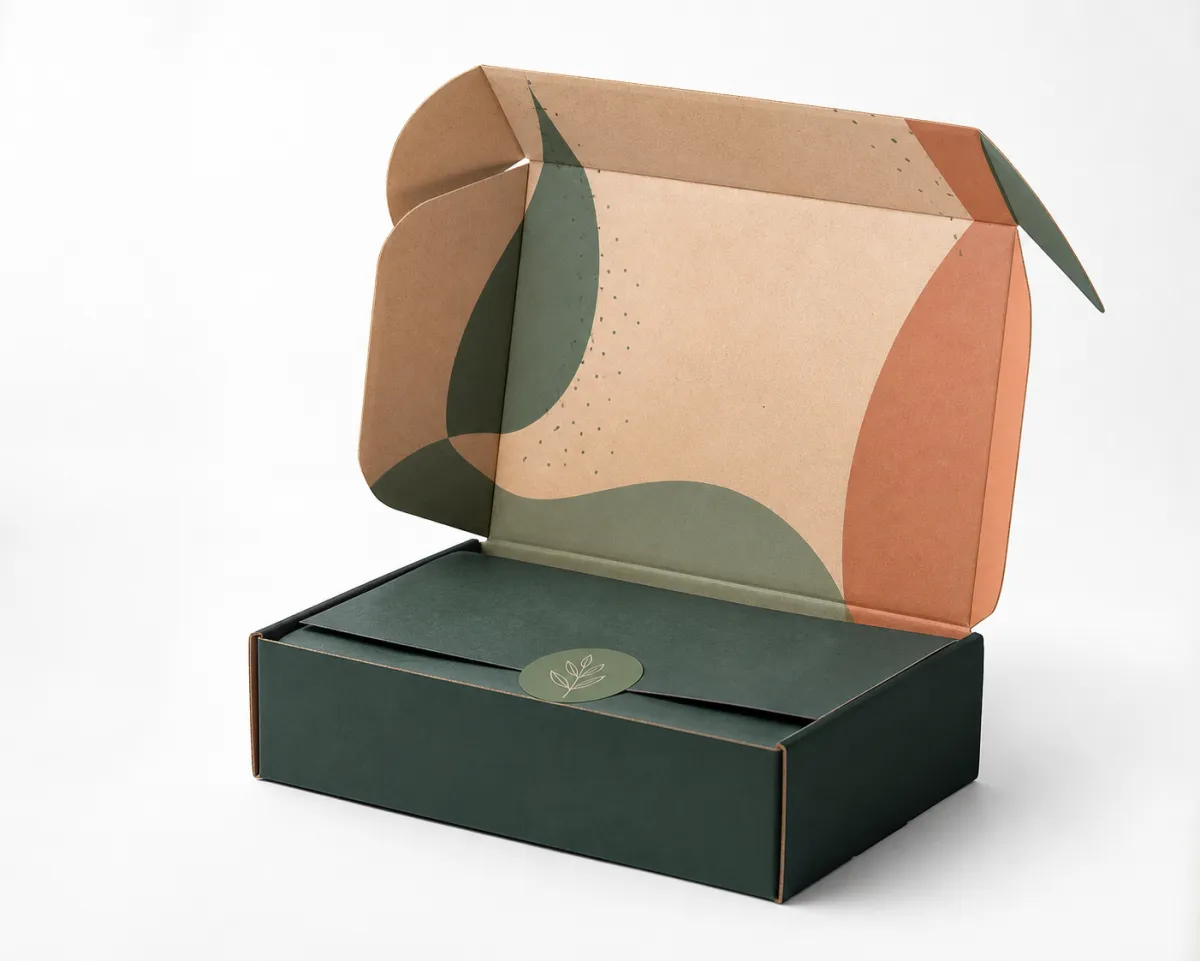
In practice, printed subscription boxes moq is often about lowering risk, not lowering standards. A subscription brand may be testing a new price point, adding a limited-edition product mix, or trying a new structure before committing to larger bulk pricing. A smaller run gives the team time to check pack-out speed, confirm the box survives parcel handling, and see whether the presentation feels premium enough to support the subscription fee.
The financial side matters just as much. When a packaging program is still changing, the cost of overbuying is rarely limited to storage. It can include obsolete printed panels, wasted insert stock, and the wrong footprint for the fulfillment line. A tighter printed subscription boxes moq can protect margin when the size, closure, or artwork is still being tuned. If a box ends up 1/4 inch too large, it may push shipping dimensions into a higher rate band. If the insert is 2 mm too loose, the product shifts during transit. Those problems are expensive, and they are easier to solve before the run is locked in.
Printed subscription packaging also carries brand consistency in a way plain corrugated shippers do not. A customer who opens the box every month notices color repeatability, print sharpness, and whether the inside panel feels intentional or forgotten. That does not mean every order needs a fully lined luxury build. It means the printed subscription boxes moq should be sized around the experience you want to maintain, not just around the lowest unit cost. If the visual story matters, even a simple exterior with a branded inside lid can do a lot of work.
What to evaluate before requesting a quote:
- Box style and construction
- Target quantity and refill frequency
- Outside print only or inside-and-out print
- Insert, divider, or product-tray requirements
- Shipping method, destination, and receiving constraints
- Target delivery date and kitting schedule
Printed subscription boxes moq is not just a packaging number, it is a manufacturing number. The box has to fit press sheets, cutting dies, nesting patterns, finishing steps, and labor planning. A lower MOQ can be easier on the budget for one design and harder for another. When the structure is efficient, the run can stay lean. When the structure is complex, the same quantity can carry a higher unit cost because the line has to stop and start more often.
I've seen teams get excited about a low quote and then pay for it later in carton damage, packing delays, or a last-minute insert rework. That is the kind of problem that sounds small in a spreadsheet and turns into a headache on the packing floor. A little bluntly: if the box rattles, the customer knows it.
"If the box fits well, the rest of the fulfillment process gets calmer. If it rattles, catches, or scuffs too easily, the customer notices before they even reach the product."
For buyers comparing structures, it helps to think in terms of use case. A test subscription, a seasonal sampler, and a premium recurring box do not need the same printed subscription boxes moq. The sample program may only need enough units to validate demand. The recurring box may need a larger buffer for replenishment and inventory smoothing. The premium box may need a little more quantity to absorb waste from finishing and protect the look of the final set.
Box styles, inserts, and print finishes
Printed subscription boxes moq is strongly affected by structure, and structure starts with box style. Mailer boxes are a common fit for subscription programs because they ship flat, assemble quickly, and hold up well in parcel networks. Folding cartons are lighter and usually better for smaller, retail-style presentation. Rigid-style presentation boxes deliver a higher-end feel, but they also bring more hand labor and usually higher minimums. Corrugated shippers are the workhorses when weight, stacking, and protection matter more than shelf appearance.
Inside and outside printing change the unboxing experience in different ways. Exterior print does the heavy lifting for first impression, while interior print can carry a welcome message, a renewal prompt, product instructions, or a secondary brand panel. Many brands choose to keep the exterior simple and reserve the inside lid or side wall for a stronger visual moment. That approach can control cost while still supporting the story. It also gives printed subscription boxes moq more flexibility, because you are not forced into a full-coverage design just to make the package feel intentional.
Inserts deserve a careful look because they are often the difference between a box that feels premium and one that feels sloppy. Paperboard dividers, die-cut retention trays, molded pulp, and foam alternatives all have a place, depending on the product. A lightweight skincare set may do well with a paperboard insert and tight product cavities. A fragile candle or glass item may need a more protective retention system. For heavier contents, corrugated partitions or a more engineered tray may make more sense. The right insert reduces movement, but it also affects printed subscription boxes moq because every added component introduces material, cutting, and assembly steps.
Finish choice has a real effect on both perception and cost. Matte and soft-touch finishes usually create a softer, more premium feel. Gloss finishes push color intensity and image pop, which helps when the artwork is bold or photographic. Spot varnish, foil, and embossing can be useful when they reinforce the brand message, but they should earn their place. A little foil on a logo panel can look sharp. Foil across a full box can drive setup charges and push the unit cost higher than needed.
Here is a practical comparison that many buyers find useful when they are sizing up printed subscription boxes moq:
| Box style | Best use | Typical MOQ behavior | Illustrative unit cost range | Notes |
|---|---|---|---|---|
| Mailer box, E-flute corrugated | Standard monthly subscriptions, moderate protection, efficient shipping | Often favorable for mid-size runs | $0.55-$1.20 per unit | Good balance of print area, strength, and assembly speed |
| Folding carton, 16pt to 24pt paperboard | Lightweight kits, retail-style presentation, inner packs | Can support lower MOQ if the structure is simple | $0.18-$0.45 per unit | Best for lighter loads; usually not the first choice for parcel abuse |
| Rigid presentation box, chipboard build | Premium gifts, influencer kits, high-touch subscriber tiers | Usually higher because of hand assembly | $2.50-$6.50 per unit | Strong brand value, but tooling fees and labor can move the quote quickly |
| Corrugated shipper, B-flute or combo flute | Heavier products, protective shipping, warehouse efficiency | Frequently practical for larger and smaller orders alike | $0.70-$1.80 per unit | Best when the product weight or transit risk is the main concern |
These figures are illustrative and depend on size, print coverage, finishing, insert complexity, and current material pricing.
For broader packaging formats, our Custom Packaging Products page is a useful place to compare structures before you lock in a printed subscription boxes moq. If you are sorting through common ordering questions, our FAQ can also help you narrow down what to ask for in a quote. And if you want to benchmark shipping performance, the transport test methods published by ISTA are a practical reference point for parcel handling expectations.
There is a temptation to separate design from production, but that is where a lot of quote surprises come from. A beautiful mockup that ignores board thickness, score quality, or closure tension can look fine on screen and fail in the hand. Printed subscription boxes moq should always be tied to the real package build: the box style, the insert structure, and the finish choices. When those three pieces are aligned, the order is easier to approve and easier to repeat.
Specifications that affect fit, strength, and brand feel
Dimensions are one of the first places where printed subscription boxes moq either stays efficient or gets expensive fast. A box that is only slightly oversized can consume more board, raise freight cost, and make the product look less controlled. A box that is too tight can slow down packing and damage the contents. In a subscription program, those small differences compound over hundreds or thousands of shipments, so the right fit matters more than most buyers expect.
Board choice also changes the story. Corrugated board is the better fit when parcel protection matters, especially for heavier contents or more fragile products. Paperboard is lighter and can be a smart choice for nested kits, presentation cartons, or smaller items that do not need much structural help. For rigid builds, chipboard gives a premium hand feel, but the build process is more labor-heavy and usually pushes printed subscription boxes moq upward. Matching the material to the product is the simplest way to keep unit cost under control without compromising the package.
Artwork specs deserve just as much attention as the structure. Clean production requires correct bleed, safe zones, and file resolution. A common standard is 0.125 inch bleed and a similar safe margin around important type, though the exact spec depends on the box style and production method. Fine lines need enough weight to print cleanly. Small type has to stay legible once it is folded, cut, and handled. If the design includes photo imagery, color management matters because a bright screen mockup is not the same as ink on corrugated board. That is why printed subscription boxes moq should never be quoted from a screenshot alone.
Structural details can quietly change the final result. Closure style, tuck depth, insert fit, score depth, and panel orientation all affect how the box behaves on the packing line and in transit. A self-locking mailer may close quickly but need more careful panel design to avoid bowing. A tuck-end carton can be quick to assemble but may not be ideal for repeated handling. A die-cut retention tray can make the contents feel secure, yet the tray dimensions have to be tuned so the product sits firmly without crushing the packaging. The more precisely these details are defined, the cleaner the printed subscription boxes moq conversation becomes.
Testing is the part that saves people from costly mistakes. Even a simple sample fold can reveal whether the closure tension feels right and whether the product shifts in the cavity. For a launch order, I usually recommend at least one proof stage that checks fit, print position, and handling. If the box will be used in a subscription cycle, it is smart to simulate repeated opening and closing as well. A good package should look polished on the first month and still close properly after several passes through the fulfillment workflow.
That practical check is also where sustainability decisions should be handled honestly. If a buyer wants fiber-based packaging, FSC-certified paper sources may be part of the conversation, but certification is only one piece of the decision. The material still has to hold shape, print cleanly, and survive transit. A sustainable choice that fails in use is not a good choice. The best printed subscription boxes moq balances material selection, protection, and presentation in a way that makes sense for the product and the route it will travel.
printed subscription boxes moq, cost, and quote factors
MOQ is usually driven by manufacturing efficiency, not by an arbitrary marketing number. A die has to be made or confirmed. Sheets have to nest well on press. Finishing has to be scheduled. Inserts may need their own tooling. That means printed subscription boxes moq is tied to setup charges, tooling fees, material yield, and how much hand work is required to complete the build. A low quantity can still be possible, but the unit price will usually rise because those fixed costs are spread across fewer pieces.
The biggest quote drivers are easy to list, but they interact more than buyers expect. Size affects board usage and shipping volume. Board type affects strength and cost per piece. Print coverage affects press time and ink usage. Finishes like soft-touch, foil, or spot UV add both production steps and risk of waste. Inserts can add material costs, cutting time, and assembly labor. If the order needs a custom die, tooling fees may be a one-time line item, while setup charges may apply to print prep, finishing setup, or assembly preparation. This is why two quotes with the same printed subscription boxes moq can still land at very different totals.
Here is the part that saves money: unit cost usually drops as quantity rises, but not in a perfectly straight line. For example, moving from 1,000 to 5,000 units may cut the cost per piece meaningfully because setup gets absorbed more efficiently. Moving from 5,000 to 10,000 units can lower it again, but the gain may be smaller if materials, freight, or finishing become the limiting factor. The cheapest-looking quote is not always the best deal if it forces you into excess inventory or a size that does not pack well.
Buyers can help themselves by sending complete information the first time. A clear dieline, final artwork files, box dimensions, insert needs, delivery destination, and target quantity all improve the accuracy of the quote. If you already know whether the order needs outside print only, inside-and-out print, or a more premium treatment, include that too. It is much easier to compare printed subscription boxes moq options side by side when the specs are specific enough to compare honestly.
Useful quote inputs:
- Target quantity and expected reorder volume
- Product dimensions and finished box dimensions
- Box style, closure style, and insert needs
- Print coverage, ink count, and finish preferences
- Whether the boxes must ship flat or assembled
- Receiving location and target in-hand date
A practical way to review a quote is to ask for two or three scenarios. One can be a simple structure with fewer finishing steps. Another can be the premium version with a more polished interior and stronger presentation. A third can adjust dimensions to reduce waste and improve shipping efficiency. That side-by-side view often tells you more than a single number ever will. It shows which printed subscription boxes moq is realistic for the brand, and which version just looks cheaper on paper.
If you are deciding between a low-cost option and a more branded package, do not ignore how the numbers show up later in the subscription cycle. A box that costs a little more but packs faster, stacks better, and reduces damage claims may deliver a better total result. The right printed subscription boxes moq is the one that fits the product, the budget, and the fulfillment process together.
production process and timeline for printed subscription boxes moq
The usual path starts with an inquiry, then moves into spec review, artwork review, proof approval, production scheduling, quality review, and shipment coordination. A clear printed subscription boxes moq request speeds up each step because the production team can see exactly what is being built. If the structure is still vague, the quote may be slower and the timeline less reliable. If the dieline is ready and the artwork is final, the process is much easier to plan.
Timing depends on several real-world variables. Design readiness matters because artwork changes can reset proofing. Material availability matters because some board grades and finishes are easier to source than others. Print method matters because more complex coverage or specialty ink work may need additional setup. Finishing steps matter too; lamination, spot varnish, foil, and inserts all add operations. Custom Die Cutting also adds time, especially when the layout needs to be refined after the first proof. A low printed subscription boxes moq does not automatically mean a short lead time, because setup and quality control still have to happen in the right order.
For many standard subscription boxes, a realistic planning window is often 12-18 business days after proof approval, with more complex structures or premium finishes stretching longer. Rigid builds and heavy finishing can push farther out. Shipping time sits on top of that, and freight can move quickly or slowly depending on the destination, carrier, and whether the boxes ship flat, stacked, or palletized. If the subscription launch date is fixed, the smart move is to work backward from the fulfillment schedule, not just from the production completion date.
There are ways to shorten the cycle without cutting corners. Send final artwork instead of a concept file. Approve the dieline quickly. Keep the finish straightforward if the launch window is tight. Confirm the ship-to location early so freight can be planned correctly. If the order needs samples, decide early whether a plain mockup, a printed proof, or a production sample is the right level of review. Those decisions do not just save time; they make printed subscription boxes moq easier to quote with confidence.
Packaging testing should also match the distribution method. If the box is moving through parcel carriers, review transport stress rather than only shelf appearance. That is where testing references such as ISTA are useful. Their standards help frame how a package behaves under vibration, compression, drop, and handling conditions. A subscription box does not need to be overbuilt for every scenario, but it should be tested against the route it will actually travel.
One of the simplest ways to avoid delay is to plan for receiving and kitting after the goods arrive. Boxes that land on time but leave no inspection buffer can still create a launch problem. Build in time for count checks, damage review, and line setup. A good printed subscription boxes moq plan includes the days after delivery, not only the days before it.
why choose Custom Logo Things for printed subscription boxes
Custom Logo Things is a practical partner for buyers who want the packaging to work in the real world, not just on a rendering. That means clear conversations about manufacturability, fit, print coverage, and the minimum order that makes sense for the box style. When a subscription program is still taking shape, the value is not in promising a magical low number. The value is in helping the buyer see what the structure will cost, how it will perform, and where a small design change can improve the economics of printed subscription boxes moq.
Technical guidance matters most at the quoting stage. A buyer may have a strong visual concept but still need help deciding whether the box should be corrugated or paperboard, whether the insert should be a tray or divider, or whether the finish should stay simple to protect the budget. That kind of guidance can reduce setup charges, avoid unnecessary tooling fees, and keep the cost per piece where it needs to be. It also makes printed subscription boxes moq easier to compare because the options are grounded in actual production constraints.
Consistency is another reason buyers care about the supplier relationship. Subscription packaging has to look the same month after month, and small shifts in print color, board stiffness, or assembly tolerance can become visible very quickly. A clean proofing process, disciplined material selection, and reliable communication all help the order stay on track. That matters especially when the box is part of a recurring customer experience instead of a one-time shipment.
For a packaging buyer, the best outcome is usually not the fanciest box. It is the box that is easy to approve, easy to produce, and easy to scale without surprises. Custom Logo Things is set up to help translate a concept into a producible package, which is exactly what a printed subscription boxes moq conversation should do. You should come away knowing what the order costs, what the box can handle, and what the timeline looks like with no guesswork hiding in the quote.
If you are comparing printed subscription boxes moq across several structures, the smart path is to use the same spec sheet for each option and then compare the results honestly. That makes the tradeoffs visible. Maybe the premium version is worth it because it improves retention. Maybe the simpler version wins because it protects margin during the launch phase. Either way, the goal is a package that supports the business, not one that drains it.
next steps: how to request the right quote
Before you reach out, gather the essentials. Send the target quantity, product dimensions, product weight, preferred box style, finish preferences, shipping destination, and any insert or kitting needs. If you already have artwork, include it or at least ask for a dieline review so the layout can be checked before production begins. The more complete the brief, the more accurate the printed subscription boxes moq conversation will be.
It also helps to ask for two or three versions of the quote. A simple structure can show the base economics. A more premium version can show the cost of added finish or interior branding. A third version can test a dimensional change that might reduce board usage or freight cost. That side-by-side approach often reveals the best value faster than asking for a single quote and hoping it fits the budget.
Do not forget to confirm the shipping method. Boxes that arrive flat are not the same as boxes that arrive assembled. Palletized freight is not the same as parcel delivery. Receiving constraints, storage limits, and kitting schedules all matter, especially when the launch date is fixed. The right printed subscription boxes moq should account for the full path from production to first shipment, not only the press run.
If you want a clear, production-minded quote, use the phrase printed subscription boxes moq when you describe the quantity, the finish level, and the timing you need. That keeps the conversation focused on the actual packaging requirement instead of a generic estimate. It also helps make sure the box you approve is the box that can be built, shipped, and used without unnecessary surprises. For brands that need reliable planning and honest production guidance, that is usually the difference between a smooth launch and a costly do-over. Custom Logo Things can help you sort the options, compare the economics, and choose the printed subscription boxes moq that fits the job.
The clearest takeaway is simple: send a complete spec sheet, ask for at least one plain version and one premium version, and judge the result on fit, shipping, and assembly speed as much as unit price. That is the fastest way to find a printed subscription boxes moq That Actually Works in production, not just on paper.
What is the usual MOQ for printed subscription boxes?
MOQ varies by box style, board type, and print method, but it is usually set by manufacturing efficiency rather than a fixed marketing rule. Simple mailers and folding cartons often support lower quantities than rigid boxes or heavily finished builds. The fastest way to get an accurate printed subscription boxes moq is to share the dimensions, artwork requirements, and intended use case.
Can I order printed subscription boxes moq for a small launch?
Yes, smaller launch quantities are often possible when the structure is efficient and the artwork is ready for production. A lower printed subscription boxes moq is especially useful for testing a new subscription tier, a seasonal drop, or a limited product line. Specialty finishes, oversized formats, and custom inserts can still raise the minimum, so it is best to confirm the structure early.
What affects the unit cost of printed subscription boxes?
Unit cost is driven by size, board type, print coverage, finish complexity, and whether the order needs custom tooling or inserts. Larger quantities often reduce the cost per piece because setup charges are spread across more units. A clean design and a well-chosen structure can lower waste and help the printed subscription boxes moq quote stay competitive.
How long does production take after approval?
Production time depends on the material, print method, finishing steps, and current scheduling, so the timeline should be confirmed during quoting. Proof approval and artwork readiness are major factors, because delays there can push back the whole order. If your fulfillment date is fixed, build in extra time for receiving, inspection, and kitting before the first shipment.
What information should I send for a printed subscription boxes moq quote?
Send the box dimensions, target quantity, product weight, print coverage, finish preferences, and any insert or tray requirements. Include your shipping destination and whether the boxes need to arrive flat, assembled, or packed for kitting. If you already have artwork, ask for a dieline review so the printed subscription boxes moq quote reflects a real production plan rather than a rough estimate.


