Buyer Fit Snapshot
| Best fit | packaging buyers who need clearer specs, stronger internal paths, and repeatable quote decisions where brand print, material, artwork control, and repeat-order consistency matter. |
|---|---|
| Quote inputs | Share finished size, material target, print colors, finish, packing count, annual reorder estimate, and delivery region. |
| Proofing check | Approve dieline scale, logo placement, barcode or warning zones, color tolerance, and any recyclable or compostable wording before bulk production. |
| Main risk | Vague material claims, crowded artwork, or missing packing details can create delays even when the unit price looks attractive. |
Fast answer: Printed Void Fill Paper with Logo: Sustainable Branding should be specified like a repeatable production item. The safest quote includes material, print method, finish, artwork proof, carton packing, and reorder notes in one written spec.
What to confirm before approving the packaging proof
Check the product dimensions against the actual filled item, not only the sales mockup. Ask for tolerance on folds, seals, hang holes, label areas, and retail display edges. If the package carries a logo, QR code, warning copy, or legal claim, reserve that space before decorative graphics fill the panel.
How to compare quotes without losing quality
Compare board or film grade, print process, finish, sampling route, tooling charges, carton quantity, and freight assumptions side by side. A lower quote is only useful if the supplier can repeat the same color, closure quality, and packing count on the next order.
Printed Void Fill Paper with logo does two jobs at once. It keeps products from shifting inside a carton and turns empty space into a branded surface customers actually notice. A parcel can arrive with perfect protection and still feel generic. That is a waste of postage, packing labor, and the unboxing moment.
That is why more teams are moving away from invisible dunnage alone. Paper-based fill can protect the contents, soften the reveal, and support a lower-plastic packaging mix without forcing the customer to accept a bland experience. The logo is not decoration for decoration's sake. It is a signal that the shipment was packed with intent.
Printed Void Fill Paper with Logo: What It Is and Why It Matters
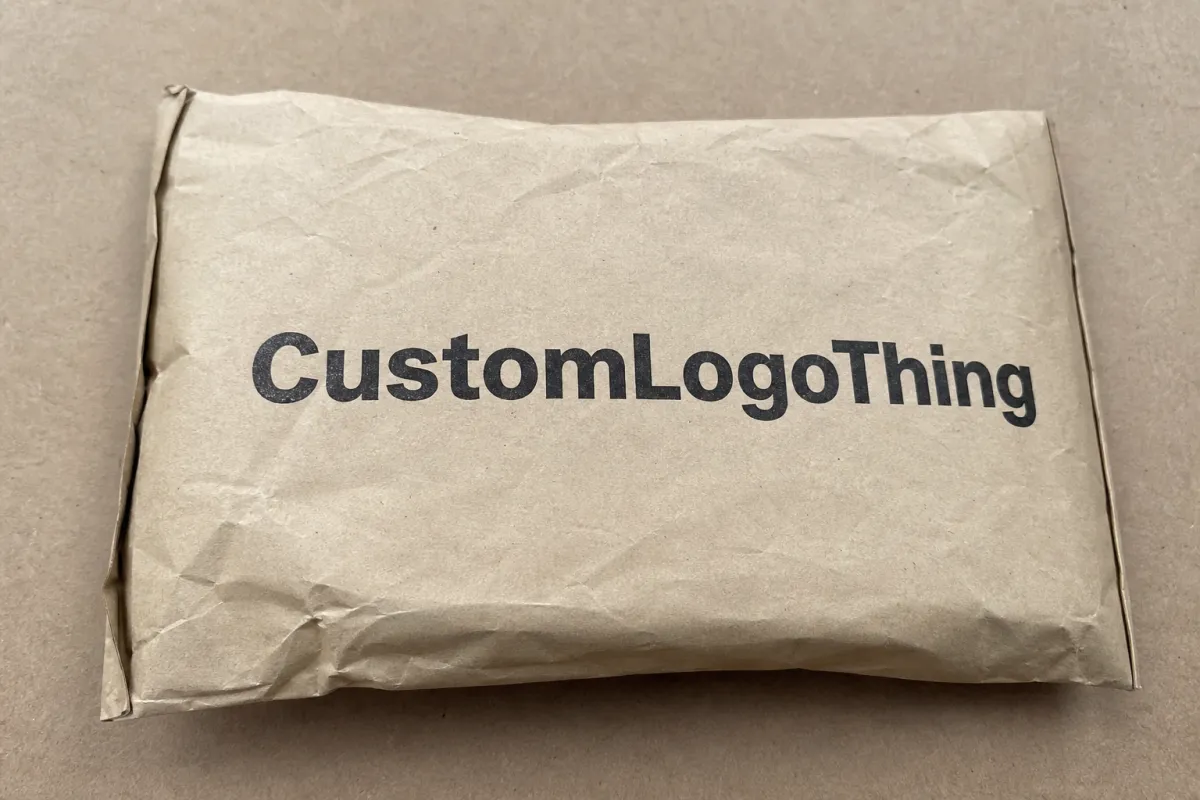
In plain terms, printed Void Fill Paper with logo is paper used to close empty space inside a shipping carton, with a logo, brand pattern, or short message printed on it. The paper may be rolled, folded, crumpled, or cut into sheets. The job stays the same: stop the product from bouncing around while making the inside of the box look deliberate instead of improvised.
That matters because the first few seconds after a customer opens a parcel shape the whole impression. Plain kraft stuffed in a hurry says functional and forgettable. Branded dunnage that fits the box well says somebody cared. Not luxury for the sake of luxury. Just proof that the package was treated like part of the product.
Compared with unPrinted Kraft Paper, the printed version adds a visible brand cue. Compared with plastic air pillows, it removes a piece of single-use plastic from the packout in many applications. Compared with loose kraft crinkle, it usually gives a cleaner visual line and less “fill just to fill” energy. The choice is not only aesthetic. It also affects how much material a team uses, how fast workers can pack orders, and how the box reads to someone who may already be judging the brand before the product comes out.
From a sustainability angle, paper fill can be a useful step when a company is trying to move away from plastic-heavy void fill materials. That does not make paper automatically green. It still uses fiber, inks, transport energy, and warehouse space. Still, in many cases, a well-specified paper system can reduce plastic usage, fit recycling pathways where paper recovery is strong, and feel more aligned with a premium or eco-minded brand story.
The logo serves a practical purpose too. It reinforces trust. It keeps shipments consistent across orders. It can even cut the “did somebody forget to finish packing this?” reaction that sometimes hits when customers open a box full of empty space and plain filler. For subscription boxes, DTC shipments, cosmetics, apparel, and gifting programs, that visual consistency can matter as much as the cushioning itself.
"If the box opens neatly and the product does not move, buyers forgive a lot. If the fill looks random or overdone, they notice that too."
That is the real tradeoff. Printed fill is not wallpaper for the inside of a carton. It is a way to turn dead space into a brand touchpoint while still doing the protective work shipping requires.
How Printed Void Fill Paper with Logo Works Inside the Box
The mechanics are simple, but the result depends on execution. The paper is dispensed into the box, then used to occupy the open volume around the product. In a well-packed carton, the fill stabilizes the item so it cannot slide, tip, or rattle during transit. If the item is fragile, the paper also helps absorb minor shocks by reducing the speed and range of movement inside the package.
How the paper is formed matters just as much as what it is made from. Some operations use rolls and tear off the amount they need. Others use pre-cut sheets or fanfold stacks. Crinkle-style paper creates more bulk per linear foot and can help fill irregular spaces quickly. Flat sheets can work better where the pack line needs speed and the box dimensions are predictable. Fanfold formats often cut handling time because the paper feeds smoothly and stores compactly near the pack station.
The print placement changes the experience more than many buyers expect. A logo printed on the outer layer, or repeated at a visible interval, is seen the moment the box opens. That helps if the goal is a branded reveal. If the print is too sparse or too small, the mark may disappear once the paper is folded, rolled, or crumpled. A design that reads well on a flat proof can look weak once it is compressed into a real carton.
That is why density and pack-out style should be chosen together. A light fill strategy might look tidy but leave the product loose. A dense fill strategy might protect well but slow the team down and increase paper use. The better programs match the filler to the product weight, box size, and shipping lane instead of assuming one paper spec works for every SKU.
There is also a brand-positioning difference that people can feel, even if they never say it out loud. Some companies use void fill as a silent premium signal: a controlled reveal, a consistent print repeat, and enough material to make the inside look finished. Others use it as a practical branding layer: a printed mark that proves the shipment belongs to the brand without trying to dominate the opening moment. Both approaches can work. The better choice depends on the audience, the product margin, and how much the business wants the unboxing to carry the story.
For teams that ship mixed SKU sizes, the fill strategy often needs discipline. One carton may need only a few crumpled strips to center the product. Another may need layered sheets to keep a jar, bottle, or boxed set from shifting. If the packout depends on the instinct of the person at the station, usage can swing wildly from one shift to the next. A short packing standard, sample photos, and a clear target for fill volume go a long way.
There is one more point buyers sometimes miss: void fill is only one part of the packaging system. Carton strength, product fragility, interior fit, and transit lane all matter. A beautiful printed filler cannot rescue a box that is too large or a product that needs true cushioning support. It can improve the experience, but it cannot replace good package design.
Cost, Pricing, and MOQ: What Changes Your Quote
Pricing for printed fill paper is not mysterious, but it is easy to underestimate the number of variables involved. The main drivers are paper grade, roll width, print coverage, ink count, order quantity, and whether the work is produced as a standard run or something more specialized. If a supplier needs to make plates, set up a press, match a brand color, or split production across multiple widths, the quote usually climbs.
MOQ matters because setup costs do not shrink just because the order is small. A single-color logo on a repeat pattern can be economical at scale, but if you only need a small run, the art prep and press setup get spread across fewer rolls or sheets. That is why smaller orders almost always cost more per unit. It is not a penalty. It is just print production math.
One-color logos usually offer the best value for many brands. They are easier to proof, faster to run, and less likely to create registration problems. Full-surface branding, heavier coverage, and multi-color layouts can produce a stronger visual effect, but they also raise the risk of waste and make color consistency more demanding. If the design is too busy, you pay more and get less clarity.
There are also hidden cost variables that show up after the print quote looks acceptable. Freight can be meaningful because paper is bulky and heavy relative to air pillows. Core size affects storage and dispenser compatibility. Large rolls may reduce changeovers but can be awkward in a tight packing area. If your warehouse uses a dispenser or conversion machine, compatibility is not optional. An inexpensive roll that jams the line is not inexpensive.
For many purchasing teams, the most useful budgeting frame is not “what is the cheapest paper?” but “what is the landed cost of a box that protects properly and still looks branded?” That includes pack-out labor, storage footprint, damage reduction, and the customer perception on opening. A slightly higher paper price can still win if it speeds the line or cuts complaint rates.
It also helps to ask the supplier what is included in the quote. Sampling, color matching, freight, setup fees, and compatibility advice may be bundled differently from one vendor to the next. Two offers can look similar until one includes realistic shipping charges and the other does not. Buyers who compare landed cost instead of unit price usually make better decisions.
| Option | Best Use | Typical Order Profile | Relative Cost Impact | Practical Tradeoff |
|---|---|---|---|---|
| One-color logo on kraft roll | General ecommerce, apparel, accessories | Medium runs with repeat replenishment | Usually the lowest branded option | Good balance of visibility and economy |
| Repeating two-color pattern | Premium unboxing, gifting, subscription | Higher-volume programs with tighter brand control | Often 15% to 30% higher than one-color work | Stronger reveal, more proofing, more setup sensitivity |
| Full-surface print with heavier coverage | Signature presentations and seasonal campaigns | Large runs where appearance matters as much as throughput | Often 25% to 50% higher than simple branding | More visual impact, but more material and ink usage |
| Unprinted recycled kraft | Basic protection and budget-conscious shipping | Flexible replenishment with low branding needs | Lowest cost floor | No brand cue, but easiest to source and deploy |
If you are requesting quotes, send the supplier more than a logo file. Include product dimensions, typical order volume, target presentation level, and expected monthly usage. If you know how many units you ship in a week and what box sizes are most common, the vendor can narrow the paper spec faster and avoid padding the proposal with assumptions.
For packaging buyers, the useful question is not whether the print adds cost. It does. The better question is whether the added cost buys fewer damages, faster packout, or a better customer impression that supports repeat purchase. That is the business case. Everything else is noise.
Production Process and Timeline: From Artwork to Delivery
The production path is straightforward, but every step can affect the finish. It usually begins with logo file review. A clean vector file is the safest starting point because it preserves sharp edges at print size and gives the printer room to build a repeat pattern. Low-resolution artwork, tiny type, or overly detailed marks often need simplification before production can start.
Next comes print method selection. Flexographic printing is common for longer runs and repeat designs. Digital or shorter-run methods may suit lower quantities or faster turnaround, though the economics change quickly as volume climbs. The right method depends on order size, color count, and how much precision the design needs once the paper is folded or crumpled.
Proofing is where many delays happen. The supplier may send a digital proof first, then a physical sample if the project is more sensitive to color, repeat spacing, or paper behavior. This stage is worth slowing down for. A logo that looks strong on screen can lose impact once the repeat size is changed or the paper basis weight is adjusted. If the proof does not reflect the actual packout, the result will not either.
From there, production setup begins. That can include plates, press calibration, ink mixing, and a check on repeat length. If the project is simple and the artwork is ready, turnaround can move quickly. A realistic planning window for standard orders is often about 12 to 15 business days from proof approval, though the actual timeline depends on order size, inventory, ink matching, and freight distance. Very small custom jobs may be faster; very large or highly detailed programs may need more lead time.
Lead time matters more than many teams expect because packaging rarely gets a second chance on a launch date. If the box is tied to a seasonal campaign, a new product release, or subscription fulfillment, a late paper delivery can force a temporary switch to unprinted stock or a stopgap filler that dilutes the brand experience. That is a problem best avoided.
Before you sign off, ask what the approval point is. Will you see a digital proof only? A printed sample? A production sign-off before the full run is released? Knowing that sequence up front keeps the process predictable and helps avoid one of the most common friction points: a buyer assuming production can start on a near-finished file, only to discover the printer still needs color references, logo spacing, or a revised repeat.
"The cleanest projects are the ones where the brand file, the print repeat, and the box size are all settled before the press starts."
For shipping performance, it helps to think like a tester. The ISTA test framework is a useful reminder that packaging should be judged as a system, not as a single material. The paper, the carton, the void size, and the product itself all interact. If the carton's internals fail under vibration or drop conditions, the fill spec needs adjustment even if the print looks perfect.
Key Factors to Evaluate Before You Order
Start with paper strength, absorbency, and tear behavior. A lighter basis weight can work for apparel, small accessories, and other low-risk items. Heavier or more brittle goods may need a denser fill or a paper that keeps its shape better when crumpled. The question is not whether the paper is “strong” in the abstract. The question is whether it holds the product steady inside the specific box size you use most often.
Logo placement is the next lever. A centered mark is easy to recognize and gives a tidy, high-end impression. A repeating pattern creates more frequent brand exposure and can read as more premium if the repeat is not too tight. Edge branding may be enough if the objective is subtle recognition. One-side print can lower cost, but it needs enough visible area to survive folding and packing.
Sustainability criteria deserve real scrutiny. If the program uses recycled fiber, ask for the recycled content level and any chain-of-custody documentation that supports the claim. If the paper is certified, confirm whether the supplier can document it clearly. Many teams look for FSC certification because it helps standardize sourcing language and buyer trust. You can review the certification framework at FSC. That does not replace due diligence, but it does help separate legitimate claims from vague marketing copy.
Do not forget operations. A beautiful fill spec that slows the packing line will not survive long in a real warehouse. Check dispenser compatibility, changeover time, ergonomics, and how much storage the paper takes up in the staging area. Long rolls may reduce interruptions, but only if the station can handle them. Sheet formats may be easier for some teams, while crinkle-style paper may speed up packout for variable-size orders.
From a packaging buyer's point of view, the best option is usually the one that balances three things:
- Protection - the box keeps the product from shifting.
- Presentation - the opening feels intentional and on brand.
- Throughput - the packing team can use it without slowing down.
If one of those three wins at the expense of the others, the spec is probably too aggressive. A fill that looks beautiful but takes twice as long to use is not sustainable operationally. A fill that is cheap but causes breakage is even worse. The best paper spec is boring in the best sense: it works the same way on a busy Monday morning as it does during peak season.
There is also a practical threshold many teams discover only after testing. Once the product is stable and the opening looks finished, more paper stops adding value. It just adds weight, cost, and packing time. That is why sample-based approval matters. Real boxes make the tradeoff obvious.
Common Mistakes That Waste Paper and Reduce Impact
Overfilling boxes is probably the most common mistake. People assume more paper automatically means more protection, but that is not always true. If the material is too loosely packed, the product can still move. If the carton is filled to the point of bulging, you use more material, slow down the line, and risk a messy presentation. Good void fill should stabilize the product, not puff up the package like it is trying to get attention.
Another error is treating branding and protection as separate decisions. A logo that looks clean in a flat PDF but disappears after crumpling does not add much value. A fill material that protects well but clashes with the box design can make the package feel unfinished. The print repeat, paper weight, and use case should be judged together, not one at a time.
Artwork problems are easy to miss in review but obvious in the box. Tiny logos, weak contrast, fine-line icons, and crowded layouts tend to vanish once the paper is folded or compressed. If the print needs a magnifying glass to read on a proof, it will probably be disappointing in the carton. Strong, simple branding usually performs better because the opening view is messy by nature.
Choosing the wrong paper basis weight or roll format can also create waste. A heavy basis weight may be unnecessary for lightweight goods and can increase freight costs. A very light stock may not hold shape in mixed-SKU shipping or larger boxes. Likewise, a format that works for one product family may be inefficient for another. A company shipping candles, mugs, and apparel from the same facility may need different fill habits, even if the logo stays the same.
There is also the matter of sustainability claims. Vague language is risky. If a brochure says the fill is eco-friendly without explaining recycled content, recyclability, fiber source, or ink choice, buyers may question the claim. Better to be precise. Say what the material is. Say what certification exists. Say what local recovery pathway applies, if you know it. If not, say less rather than more. Trust is easier to keep than to rebuild.
One more mistake: using branded fill to hide poor box sizing. A carton with excessive void space often needs more filler because the box itself is too large. That is a structural issue, not a branding opportunity. Reducing box size or improving the mailer spec may save more material than any print upgrade. Packaging economics reward better fit more often than fancier decoration.
Teams that fix these issues tend to see the same result: less paper used, faster packout, and a cleaner reveal. The branding becomes more noticeable because it is not competing with excess material or sloppy pack technique.
Expert Tips and Next Steps for a Smarter Rollout
Start with one or two hero SKUs. That is the simplest way to see whether the fill volume, print repeat, and box-opening impact actually work in the real world. A pilot on a top-selling item gives you better data than a theoretical spec sheet ever will. If the sample looks strong on the bench but weak at the packing station, you have learned something useful before committing to a larger run.
Measure packout speed and material use during that pilot. Time a small batch. Count how much paper gets used per carton. Note whether packers hesitate, re-tear sheets, or pull too much material from the roll. Those observations matter because they translate directly into labor cost. A fill spec that saves 10 seconds per box can be as valuable as a modest unit-price reduction.
Request a sample pack with different print densities, paper weights, and roll widths. The point is not to admire a sample in isolation. The point is to see how each option behaves once it is folded, crumpled, and placed around real products. A strong sample kit makes tradeoffs visible: one version may have better branding, another may fill faster, and a third may be cheaper but less stable.
Document the final spec in a simple sheet that your team can actually use. Include the logo file type, preferred repeat, approved color count, box sizes, monthly volume, and target unit cost. Add a note on where the fill is supposed to sit in the box, because the placement can matter as much as the material. That spec should be short enough to read at the packing station and detailed enough to prevent drift.
Then do the obvious, useful things: audit the current void fill, collect three comparable quotes, test one branded sample, and standardize the best-performing option. That sequence sounds basic because it is basic. The difference is that it forces the decision to be based on real box performance rather than on a catalog photo or a sales pitch.
If you want the shortest version of the decision, here it is: the best printed void fill paper with logo is the one that protects the product, keeps the line moving, and makes the shipment feel intentional without wasting material. Before you place a full order, approve the spec only after a packed sample fits the box, holds the product steady, and still looks clean after a real handling test. That is the point where the paper earns its place in the carton.
FAQ
What is printed void fill paper with logo used for?
It fills empty space inside shipping boxes so the product moves less in transit, and it adds a branded moment the customer sees as soon as the parcel opens. Many teams choose it as a paper-based alternative to plastic void fill materials, especially when the unboxing experience matters.
How much does printed void fill paper with logo cost?
Pricing usually changes with paper grade, print coverage, color count, and order quantity. Smaller runs cost more per unit because setup costs are spread across fewer pieces, and freight can matter more than buyers expect because paper is bulky. The most useful quote is the landed cost, not the print price alone.
What artwork do I need for branded void fill paper?
A clean vector logo file is usually the safest starting point. Simple, high-contrast artwork tends to print more clearly once the paper is folded or crumpled, and it is easier to keep legible in repeated patterns. Before proofing, confirm the repeat size, safe margins, and whether you want one color or multiple colors.
How long is the turnaround for printed void fill paper with logo?
Turnaround depends on proof approval, setup complexity, and order size. Standard jobs often move in about 12 to 15 business days after approval if the artwork is ready and the paper spec is already settled. Custom formats, color matching, or larger volumes usually need more lead time.
Is printed void fill paper with logo strong enough for fragile products?
It works well for cushioning empty space and reducing product movement, but it should be matched to the item weight and box size rather than used as a one-size-fits-all fix. For very fragile goods, you may still need inserts, dividers, or other protective components alongside printed void fill paper with logo.


