Private Label Beanies Wholesale for Hotel Retail Buyers
If you are sourcing a private label Beanies Wholesale Supplier for hotel retail buyers, the product has to do a few jobs at once. It needs to feel good in the hand, sit neatly on a shelf, survive packing and handling, and look like it belongs to the property rather than to a generic souvenir rack. Guests notice those details faster than most buyers think. They may not use the language of stitch count or cuff depth, but they can tell the difference between a beanie that feels intentional and one that feels leftover.
That is why this category keeps showing up in hotel retail. A beanie is compact, easy to merchandise, and simple for a guest to understand in seconds. It can live beside postcards, candles, mugs, or other take-home items without overwhelming the display. For the buyer, the appeal is equally practical: clear size economics, straightforward branding, and a product that can be repeated across properties with fewer moving parts than many apparel items.
Private label matters because it turns a basic knit cap into a retail item with a defined margin structure and a repeatable spec. A blank beanie may sell, but a branded one gives the hotel a better story and a cleaner way to control color, packaging, and presentation. That becomes especially useful for hotel groups that want one body style, several destination-specific looks, and reorders that do not require a full redesign every season.
Private-label beanies for hotel retail buyers: the resale case
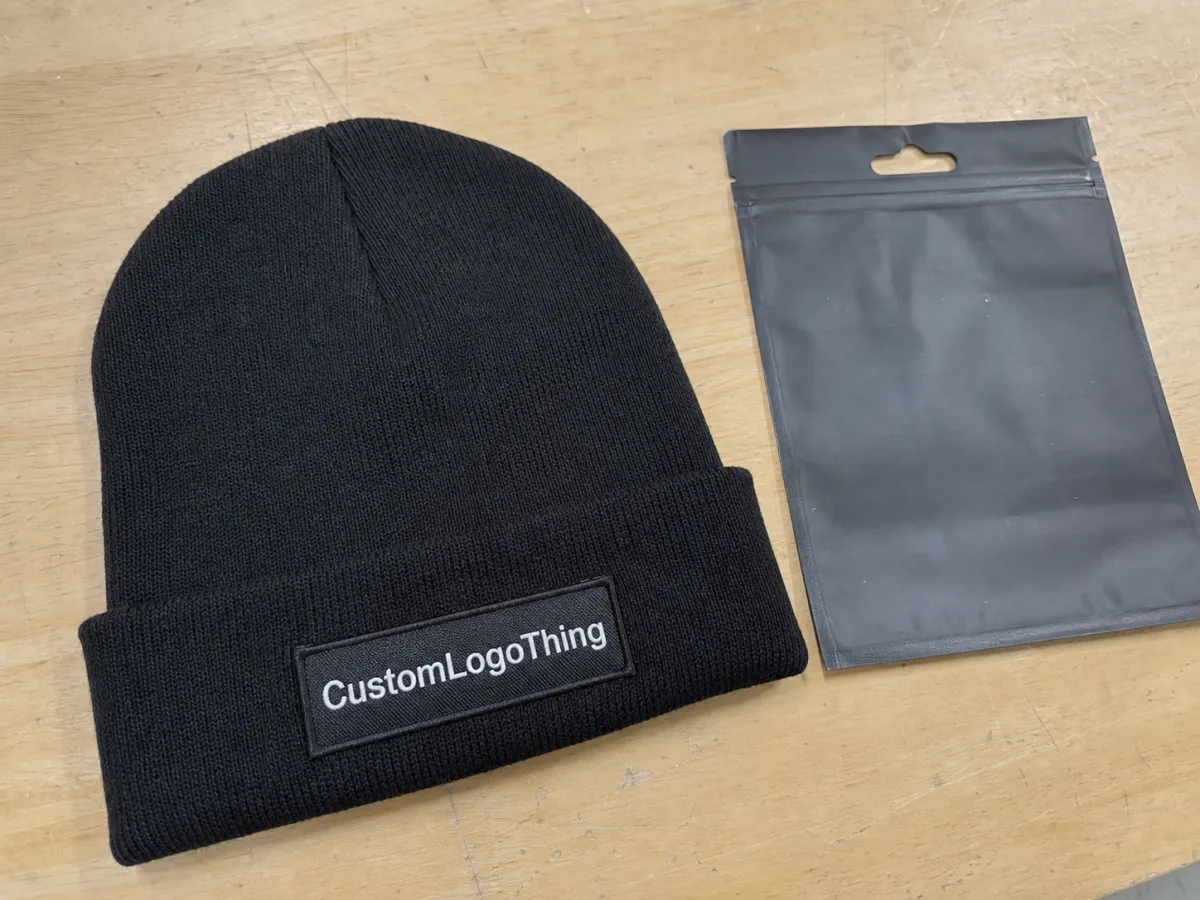
In hotel retail, shelf space is expensive even when no one says it out loud. A beanie earns its spot because it is small, visually familiar, and easy to price. Guests do not need fitting help. They usually decide based on hand-feel, color, and whether the branding feels authentic to the property. That makes the category fast-moving in colder markets and still viable in warmer destinations if the design is tied to a clear concept, such as a lodge identity, a mountain escape, or a clean travel collection.
The business case is strongest when the item can be reordered without rethinking the whole program. A good private Label Beanies Wholesale supplier for hotel retail buyers should be able to keep the body, fit, and brand application consistent from one run to the next. The hotel may swap colors by season or by property, but the core shape should stay stable. If it does not, the product becomes hard to replenish, hard to compare across locations, and hard to trust in the planogram.
There is also a merchandising angle that gets overlooked. A beanie with the right texture and label can read as a small apparel piece rather than a low-cost impulse item. That changes how the guest values it. The difference between a $1-looking hat and a $20 retail item is often not the knit alone; it is the label placement, the cuff recovery, the packaging, and the way the piece stands up after being folded and unpacked a few times.
Hotel buyers should think in terms of repeatability, not just launch appeal. A program that looks good in the first photo but falls apart on reorder is a time sink. The better path is a tighter spec, a realistic price target, and a design that can survive multiple production cycles without drifting out of tolerance.
Retail-ready beanie styles, yarns, and decoration options
The best body construction depends on the property. A ski resort usually needs more warmth, more structure, and a cuff that holds its shape. A city hotel or coastal property may prefer something lighter and cleaner, with less bulk and a softer visual profile. In most cases, the safest retail starting point is a cuffed acrylic beanie in a rib knit, because it balances cost, warmth, and decoration flexibility.
Material choice sends a signal before the guest even reads the tag. Acrylic is common because it holds shape, is relatively cost-efficient, and works well for most retail programs. Recycled polyester blends are useful when the property wants a sustainability story without changing the basic silhouette. Wool and wool-blend beanies feel more premium and usually make sense for colder climates or higher-ticket retail, but they add cost and can narrow the acceptable price point. A thinner knit can work for shoulder-season merchandising, though it needs enough recovery to avoid looking limp in display.
Decoration is where the private label story becomes visible. Each method solves a different problem:
- Woven labels are clean, durable, and subtle, which makes them a strong fit for cuff branding.
- Embroidered patches add texture and work well when the logo needs depth or contrast.
- Silicone patches feel modern and survive handling well, though they can look heavier on small items.
- Jacquard knit branding integrates the artwork into the fabric and is useful for simple graphics or patterns.
- Custom swing tags help explain the retail story and support pricing when the item sits in a gift shop rather than a basic apparel wall.
Most hotel retail programs work best with one core body and one consistent branding method. That might mean a woven label on every property, with color varying by destination. It might mean a patch for the lodge collection and a woven label for the urban collection. What matters is that the system stays easy to reorder. Small details often do more than oversized logos, especially if the property wants the product to feel premium rather than promotional.
Packaging deserves the same attention. Beanies that arrive loosely packed may be fine for bulk warehouse distribution, but retail shelving usually needs a cleaner presentation. Ask about folded packing, individual polybags, hang hole options, and whether the pack format leaves room for a barcode or SKU sticker without covering the branding. If the hat is part of a larger gift assortment, pair it with Custom Labels & Tags so the line feels coordinated instead of assembled from unrelated parts.
| Style | Best for | Typical feel | Retail note |
|---|---|---|---|
| Cuffed acrylic | Core hotel retail, winter resorts | Structured, warm, dependable | Easy to reorder, easy to brand, widely accepted |
| Recycled polyester blend | Eco-forward properties, modern gift shops | Smooth, lighter weight | Useful when sustainability messaging is part of the story |
| Wool blend | Premium lodges, cold climates | Soft, elevated, warmer | Higher cost, but stronger perceived value |
| Light knit | Mild-weather destinations | Less bulky, easy to wear | Works when the product is style-led rather than heavy-duty |
Specs that keep every color, size, and label consistent
Retail buyers save time when the specification is specific enough that the second order looks like the first. That means more than an artwork file. A proper spec should cover knit gauge, yarn type, cuff depth, crown height, stretch range, and finished measurements after blocking. If the beanie will sit in the same display across multiple properties, those details are not optional.
Color control is one of the easiest places for a program to drift. A hotel navy, charcoal, or cream can look close in a mockup and still miss the target in production. Ask for shade references and approval before bulk starts. The same caution applies to logo placement. A patch that shifts a few millimeters can make the item look off-center when it is lined up with the rest of the retail assortment.
Good buyers set tolerances in writing. Cuff depth, stitch count, label size, and placement window should all be tied to the approved sample. That protects the account when production is split across colors or property versions. It also removes a lot of back-and-forth later, because the factory has a concrete target rather than a vague expectation.
Packaging and compliance should be documented at the same level. Clarify country-of-origin marking, carton labeling, inner pack counts, barcode placement, and hangtag attachment before the run begins. If the order passes through a hotel distribution center before reaching the property, carton traceability becomes more than a nice extra. It is the difference between a quick receiving process and a mess of unidentifiable boxes. For packaging basics and material handling, the Packaging Machinery Manufacturers Institute is a useful reference, and ISTA is helpful for understanding how packaged goods survive shipping and handling.
"The cleanest beanie program is the one a buyer can reorder six months later without opening a long email chain to figure out what changed."
A Sample Approval Checklist should cover practical, not cosmetic, questions. Does the hat recover after being stretched? Does it stand on a shelf or slump over? Is the label aligned and legible from normal viewing distance? Does the hand-feel match the target retail price? Retail lighting changes the way black, gray, and cream shades read, so the sample should be checked under the same kind of lighting the guest will actually see in store.
Pricing, MOQ, and unit cost for wholesale beanie runs
Unit cost is shaped by more than yarn. Decoration method, stitch complexity, packaging, color count, and freight all influence the landed number. A simple cuffed acrylic beanie with a woven label and basic retail packing may land in a very different range from a wool-blend item with an embroidered patch, swing tag, and custom insert. For planning purposes, simpler runs often fall around $0.90 to $2.80 per unit at the factory level, while more premium constructions can move higher once materials and embellishment are added.
MOQ usually changes with the construction. One body in one color is easier to produce than the same style in four colors with different logos or packaging variations. A straightforward private label program may support a lower entry point, while custom knit graphics or special packaging often push the minimum higher. The cleanest way to compare suppliers is to ask for MOQ by style, color, and decoration method. That keeps quotes comparable and avoids mixing very different programs under one number.
Land cost deserves more attention than factory price. Freight, carton configuration, inner packing, labeling, and any split shipment to multiple properties can turn a low quote into an expensive one. Hotel retail teams that evaluate the landed price usually make better decisions than teams that focus only on the per-piece number. A slightly higher-cost hat can still be the better buy if it sells faster and reorders cleanly.
The margin question is less dramatic than it sounds. Many hotel retail programs can absorb a modestly higher unit cost if the hat supports a stronger shelf price and does not create operational friction. The real cost of a bad buy shows up in slow sell-through, markdowns, and inventory that cannot be repeated accurately. That is why the cheapest quote is often not the cheapest outcome.
If your purchasing model spans apparel, souvenirs, or amenity items, it can help to align beanie buys with Wholesale Programs so ordering rhythm, freight planning, and billing stay consistent across categories.
Process, samples, and production lead time from approval to ship
The buying process should be clear enough that nobody has to guess what happens next. A practical workflow starts with artwork and reference images, moves into a digital mockup, then sample development, revisions, final approval, production, finishing, packing, and shipment. When the sequence is visible, hotel retail teams can plan around launch windows instead of chasing status updates.
Delays usually come from the same three places: logo approval, yarn matching, and late packaging changes. If the swing tag text changes after sample approval, the clock shifts. If barcode data arrives late, carton marking may need to be redone. Those changes are not unusual, but they do add time. A buyer who keeps the approval chain tight usually gets a cleaner result.
Sample timing and bulk timing should be treated separately. A sample often takes longer than expected because the supplier is knitting, finishing, and sometimes remaking the item after feedback. Bulk production tends to move faster once the sample is signed off, because the factory is working from a repeatable reference. For seasonal retail, a buffer matters. Weather shifts, opening dates, and property events can compress the window more than anyone plans for.
Typical lead time after final approval often lands around 12 to 15 business days for simpler reorders, while custom constructions can take longer if yarn dyeing, special packaging, or multiple colorways are involved. That range is not universal. Order size, decoration complexity, and supply conditions all change the math. Still, a buyer who asks early about sample time, bulk time, and shipping method is less likely to get stuck with a rushed delivery.
Packaging standards also affect transit performance. If the order is going from factory to warehouse to property, carton strength and inner packing matter. The U.S. EPA has useful guidance on waste reduction and packaging efficiency at epa.gov/recycle, which is helpful context for buyers trying to trim unnecessary material without increasing damage risk.
How to compare suppliers on quality control and order reliability
Price matters, but it should not be the only filter. The better supplier is usually the one that makes the buyer's job easier by keeping the specification, proofing, packing, and reorder process organized. If the quote is cheap but the documentation is thin, the hidden cost shows up later in receiving issues, inconsistent reorders, or carton mismatches that slow distribution.
Ask how the supplier handles measurement confirmation, pre-shipment photos, and traceability. A solid operation should be able to show that final goods match the approved sample closely enough for retail use, and they should explain any tolerances without hedging. That matters especially for hotel groups, where one property may receive the first batch and another gets the reorder months later. A weak system shows up quickly across multiple locations.
Warning signs are usually easy to spot. Vague material descriptions like "good acrylic" are a problem, not a detail. No sample sign-off process means there is no shared reference point. Unclear carton labels create receiving problems, especially when multiple destinations are involved. If the supplier cannot explain barcode placement or pack counts, the buyer may spend more time fixing the back end than selling the product.
Quality control should include real-world checks, not only lab-style language. Beanies should be inspected for stitch consistency, logo alignment, yarn joins, cuff recovery, and packaging presentation. If the item is positioned as premium, even the way it folds in the bag matters. Buyers should ask for photos before shipment and compare those images against the approved sample. That small step catches more problems than people expect.
Reliable suppliers also think ahead to repeat orders. Can they remake the same color half a year later? Can they keep the same label position? Can they reproduce the same carton marking format for a multi-property rollout? If the answer is yes, the supplier is doing more than filling a purchase order. They are helping the hotel protect brand consistency.
Assortment planning for hotel retail and seasonal replenishment
Keep the assortment tight. One core silhouette, two or three colorways, and one branding system is usually enough for hotel retail unless the store has a very specific concept. That keeps inventory easier to manage and gives the buyer a clearer read on what actually sells. It also makes reordering simpler across multiple properties.
Color choice should track the destination and the guest profile. Neutrals like black, navy, charcoal, oatmeal, and cream tend to carry the most reliable demand. Seasonal accents can work in winter or during event periods, but they should not crowd out the core line. In a coastal resort, a lighter neutral with a subtle woven label may feel more appropriate than a heavy dark hat. In a mountain property, a heathered tone or richer shade usually reads better because it feels tied to the setting.
Sell-through data should drive replenishment. If a style moves quickly when temperatures drop, reorder before the shelf goes empty. If a color underperforms, adjust the next run rather than forcing more of the same. The strongest hotel retail programs are not the biggest; they are the ones that respond to actual sales behavior. That is especially true for seasonal accessories, where a missed reorder window can leave inventory stranded until the next weather cycle.
Merchandising can raise basket size without adding much complexity. Pair beanies with scarves, tote bags, insulated mugs, or destination-themed gifts. In a small retail footprint, a coordinated display often sells better than isolated products. A guest who buys a hat may also pick up a matching accessory if the color and label feel connected.
From a procurement standpoint, a narrower assortment also protects margin. It is easier to forecast, easier to warehouse, and easier to replenish. That is one reason a disciplined Private Label Beanies wholesale supplier for hotel retail buyers can make a difference: the body stays consistent, the branding can shift with the property, and the buyer does not have to reinvent the category every season.
What to send for a fast quote and first sample
If you want an accurate quote, send the essentials in one brief: logo file, target quantity, preferred material, color references, packaging needs, destination, and required delivery window. If margin matters, include the target retail price too. That gives the supplier a real business target instead of a guess.
Ask for the quote, sample, and spec sheet together if possible. That lets the team review cost, hand-feel, fit, and branding placement as one package instead of as separate fragments. A strong first sample should tell you most of what you need to know: whether the cuff holds shape, whether the label sits cleanly, whether the beanie feels right in the hand, and whether it belongs on the shelf you have in mind.
Before the order is released, confirm artwork placement, barcode setup, carton marking, and replenishment expectations. If there are multiple properties, lock down the differences now instead of trying to sort them during production. That is the simplest way to keep the launch on schedule and reduce correction cycles later.
For hotel retail teams, the best results usually come from a clear brief, a signed sample, and a realistic launch window. A private label beanies wholesale supplier for hotel retail buyers should be able to work within those constraints and still deliver a product that looks right, arrives on time, and can be reordered without friction.
What MOQ should hotel retail buyers expect for private label beanies wholesale?
MOQ depends on the body construction, decoration method, color count, and whether the order uses one style or several versions. A simple cuffed beanie with one branded label often supports a lower entry point than a fully custom knit design or a run with multiple packaging versions. Buyers should ask for MOQ by style, color, and packaging configuration so the quote is easy to compare.
Which materials work best for private label beanies in hotel retail?
Cuffed acrylic is a common starting point because it balances warmth, shape retention, and cost control. Recycled polyester blends fit properties that want a sustainability story without changing the retail silhouette. Wool blends make sense for premium resorts or colder destinations where warmth and hand-feel matter more than the lowest unit cost.
Can private label beanies for hotel retail buyers include custom packaging?
Yes. Packaging can include polybags, branded swing tags, barcodes, insert cards, and carton labeling. Retail packaging should be confirmed early because it affects cost, lead time, and how the product arrives on the shelf. If the hotel uses multiple properties, the pack format should stay consistent so replenishment stays simple.
How long does production usually take after sample approval?
Timing depends on yarn availability, decoration complexity, and how quickly the buyer approves the sample and artwork. A clean approval process shortens production because the factory can move into knitting, finishing, packing, and final inspection without interruption. Seasonal orders should include a buffer so shipping does not collide with peak demand or property opening dates.
What should I send to get an accurate quote from a private label beanies wholesale supplier?
Send the logo file, target quantity, preferred material, color references, packaging requirements, and delivery destination. Include the target retail price if margin matters, because that helps the supplier recommend a construction that fits the shelf price. If possible, share the timeline and whether the order is for one property or a multi-location rollout.


