Resort Retail Buyers have a simple problem to solve: carry items that do not take much shelf space, survive travel, and still feel thoughtful enough to earn a second look at the register. That is why the Private Label Beanies wholesale supplier for resort retail buyers model works so well; a small knit cap can move from basic winter accessory to a branded, shop-ready item with a label, patch, or hang tag that feels made for the property.
In practice, beanies fit the rhythm of resort selling better than many buyers expect. They tuck into lobby shops, marina counters, golf shops, and boutique displays without crowding the assortment, and they sell not only on cold mornings but also during air-conditioned evenings, mountain outings, and shoulder-season travel. When the product is private label, the economics improve because the guest sees a branded retail item instead of a generic knit, which supports healthier margin and better repeat ordering.
Why a Private Label Beanies Wholesale Supplier for Resort Retail Buyers Matters
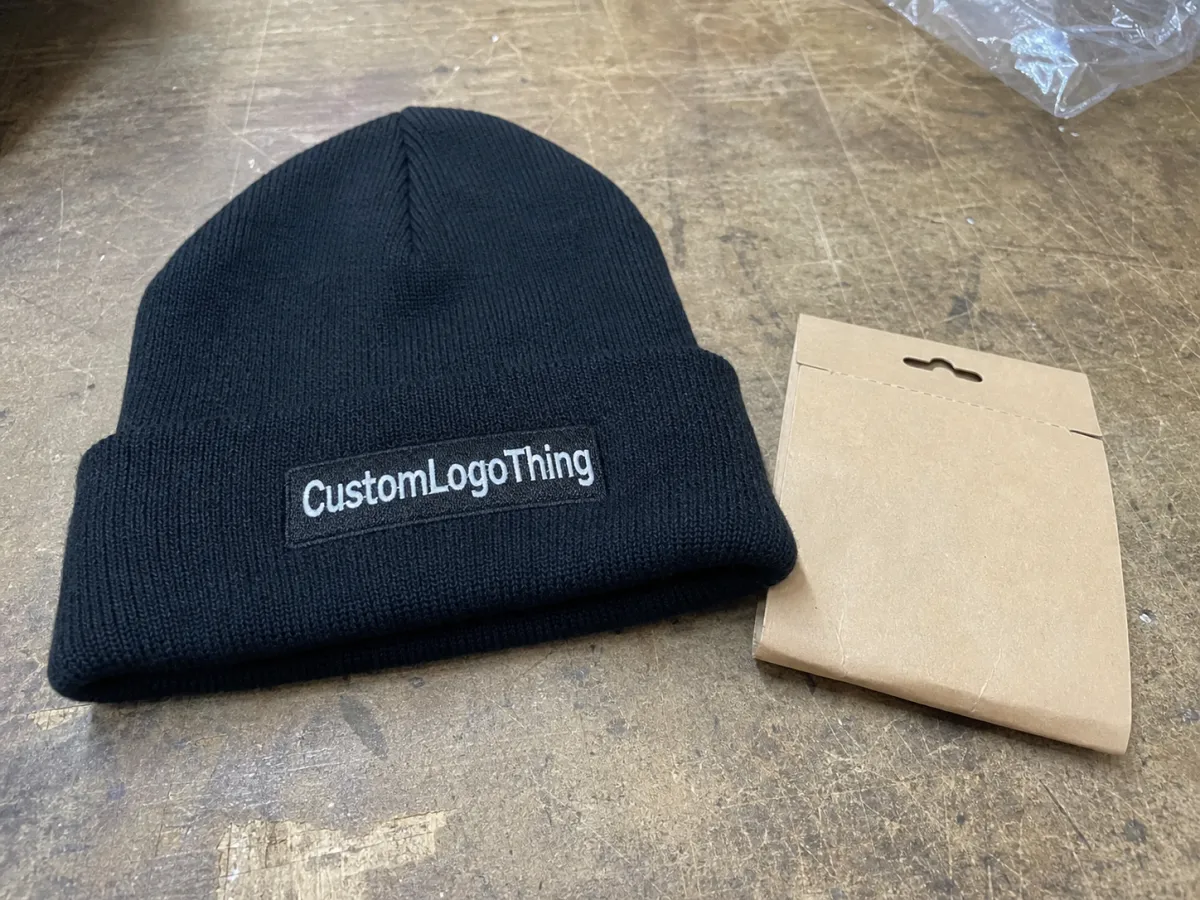
Resort retail programs are not built like seasonal fashion programs. Buyers usually need dependable replenishment, clear decoration, and a product that can sit in a narrow price band without feeling cheap. A strong private label beanies wholesale supplier for Resort Retail Buyers understands that a beanie is often part of a larger destination assortment, not a one-off novelty.
That matters because the same knit style may need to work across several selling environments. A lobby shop may want a neutral, easy-to-merchandise black or heather gray cuffed beanie. A spa counter may prefer a softer handfeel and a cleaner label presentation. A mountain property may want a heavier gauge knit with a warmer lining. The right supplier helps a buyer translate those differences into a product that can be ordered again, not just admired once.
Honestly, I think this is where many accessory programs lose money: they start with a logo idea and skip the retail realities. A private label beanie does not need flashy features. It needs a repeatable fit, a decoration method that stays neat after handling, and a packout that arrives ready to set on shelf or peg.
For resort buyers, the best programs usually focus on practical distribution points:
- Boutiques that need a clean premium presentation.
- Lobby shops that need easy replenishment and broad color appeal.
- Marina and golf stores that want light, giftable accessories.
- Spa counters that often favor softer materials and minimal branding.
If the assortment needs multiple branded accessories, it also helps to coordinate the beanie with Custom Labels & Tags so the branding language stays consistent across the property. That kind of consistency is what turns a mixed counter display into a retail program.
Beanie Styles, Materials, and Decoration Options
The best beanie style depends on the destination, not just the logo. A cuffed acrylic beanie is still the workhorse for most resort programs because it has a familiar shape, holds decoration well, and lands at a price point that leaves room for healthy margin. Rib-knit blends bring a little more softness and stretch recovery. Fleece-lined styles feel warmer and can be a stronger fit for ski towns or cold-weather properties. Lighter-gauge knits are useful in mild climates where guests want a small accessory, not a heavy winter cap.
| Beanie Style | Best Fit | Typical Price Range | MOQ Sensitivity |
|---|---|---|---|
| Cuffed acrylic knit | General resort retail, gift shops, lobby stores | $1.85-$3.10 per unit at 1,000-3,000 units | Lower, especially with one decoration method |
| Rib-knit blend | Premium boutique displays, softer handfeel | $2.20-$3.65 per unit | Moderate; fiber blend and yarn choice matter |
| Fleece-lined | Mountain, ski, and colder-climate resorts | $2.80-$4.25 per unit | Higher due to added material and construction |
| Lighter-gauge knit | Warm-weather destinations, giftable accessories | $1.70-$2.95 per unit | Lower if stock yarns and simple branding are used |
Decoration is where private label becomes visible to the guest. Woven labels usually give the cleanest retail look for a small budget. Embroidered patches add structure and can carry more detail. Fold-over woven labels are useful when you want a subtle mark without dominating the beanie. Custom hang tags help support storytelling, pricing clarity, and a more finished shelf presentation, especially in stores where the guest is making a quick decision.
For resort programs, I usually recommend one primary brand signal and one secondary support element at most. A patch plus a hang tag can work well. A woven label plus care label can work well. Piling on too many details starts to look busy, and busy rarely helps on a compact accessory.
Practical note: A beanie may be a small item, but buyers should still treat it like a retail program. The decoration, fabric handfeel, and fold presentation all affect whether a guest sees it as a souvenir or a cheap add-on.
If the brand wants paper components, ask early about recycled board or FSC-certified stock. For those decisions, the source matters less for fashion and more for presentation and traceability, so it helps to understand the basics from FSC before locking a hang tag spec.
Specifications That Lock Down Fit, Labels, and Packout
Most production problems on beanies begin with vague specs. A buyer may say “standard fit” or “nice black beanie,” but that leaves too much open to interpretation. Strong specs reduce surprises later by defining crown depth, stretch recovery, yarn weight, cuff height, stitch type, and acceptable color tolerance. Even a simple knit needs enough technical detail that the supplier can match the sample and keep the bulk run consistent.
Fit starts with measurements. For adult resort retail, a common cuffed beanie might land around 11 to 12 inches tall before cuffing, with a cuff height near 2.5 to 3 inches, though that depends on the style and intended slouch. Youth pieces need different proportions, and unisex items should be tested for stretch recovery after repeated handling. If the beanie is too shallow, it looks underbuilt. Too tall, and it can lose the clean silhouette buyers want on a shelf.
Branding specs should be equally explicit. Note the exact label placement, patch diameter or width, stitch density, and care label language. If the item ships folded, banded, or polybagged, spell that out before sampling. A retail buyer who expects a neat stack on a display table does not want loose, uneven packaging arriving at the back door.
For resort programs, packout can matter as much as the product itself. Ask whether the beanies should ship with hang tags attached, folded in a specific direction, or banded to preserve the cuff shape. When the store team opens the carton, the item should already look like something they can place on shelf or in a basket without rework.
Packaging alignment is also a good time to think about transport tests. Not every accessory order needs a full lab routine, but buyers who ship through multiple stages can benefit from simple drop and compression expectations. The shipment guidance at ISTA is useful if you want to understand how packaging is commonly evaluated for handling and transit stress.
A cleaner spec sheet usually includes:
- Style name and target user, such as adult unisex or youth.
- Fiber content, such as 100% acrylic, acrylic/wool blend, or acrylic/poly knit.
- Color callouts with Pantone or approved reference samples.
- Decoration method, placement, and finish.
- Packout method and carton count.
That level of detail does not make the order more complicated; it makes it easier to repeat. The more exact the spec, the easier it is to reorder the same item for a new property or a new season.
Pricing and MOQ: What Changes Unit Cost
Price is rarely driven by one factor. It is usually a mix of yarn content, stitch complexity, labor, decoration, packaging, and the number of custom variables in the program. A simple cuffed acrylic beanie with a woven label can stay relatively efficient because the body construction is standard and the branding is light. Add custom yarn colors, a more detailed patch, or a specialty lining, and the cost rises in a way that is easy to explain but hard to trim later.
MOQ moves for the same reasons. A stock-style beanie with one decoration method can often support a lower entry point than a fully custom yarn-dyed build. If the order includes multiple colors, each additional colorway may behave like its own small program. That means buyers should ask for MOQ by SKU, not only by order total, so they can compare the whole assortment clearly.
In real buying terms, the assortment should be quoted as a program. A mountain lodge may order one black style, one oatmeal style, and one navy style, each with the same patch. That can improve landed planning because the decoration stays consistent while the color palette changes. A waterfront property may choose one style in two packout formats, which can change labor and carton cost even if the knit itself is identical.
The strongest buyers ask for a quote that separates out the variables. If a woven label adds $0.10-$0.20 per unit and a custom patch adds $0.25-$0.55, it becomes much easier to compare options against target margin. That is also the point where a supplier can recommend a cleaner path instead of forcing the most expensive version of the concept.
Common cost drivers include:
- Fiber choice and yarn quality.
- Decoration method and stitch count.
- Number of colorways and matching requirements.
- Packaging, including tags, bands, and polybags.
- Special handling such as folding, labeling, or assorting by store.
That is why many resort buyers prefer to start with a practical base style and upgrade only the parts that affect presentation. The goal is not to buy the cheapest hat. The goal is to Buy the Right item at a unit cost that leaves room for retail markup and replenishment.
Process and Timeline: Sampling to Delivery
A clean production process starts with the inquiry. The buyer shares quantity, style direction, logo files, color targets, and delivery window. The supplier reviews the spec, confirms what is manufacturable, and flags anything that may affect cost or timing. If the artwork is rough or the logo is still in progress, that is usually the first delay point.
From there, the order moves to sampling or strike-off approval. Some beanie programs need a physical sample because the handfeel, stretch, and decoration placement are best judged in person. Others can move faster with a decoration proof or a color-approved reference. The important part is that the buyer approves the same exact setup that will be used in bulk production.
Bulk production usually begins after the sample or proof is approved. Depending on the style and decoration, a typical lead time may run 12 to 15 business days after approval for a straightforward run, but custom yarns, multiple colorways, or larger programs can extend that. Shipping time then gets added based on destination and mode, so buyers should never treat production time and delivery time as the same thing.
Delays usually show up in a few predictable places:
- Artwork changes after the sample has already been built.
- Color references that are described verbally instead of tied to a standard.
- Packaging changes after the decoration is approved.
- Late feedback when the product is being tied to an opening or seasonal date.
Resort buyers can protect in-season delivery by locking artwork early and approving the sample fast. If the item must arrive before a property opening or a holiday push, give the supplier the real deadline up front and work backward from it. That gives everyone a better chance of hitting the window without rushed compromises.
Wholesale Programs are usually the right place to start if you want to map the order as a repeatable program rather than a one-off request. That is especially useful for multi-property groups that need the same beanie in more than one location.
Quality Checks That Protect Sell-Through and Reduce Returns
On a small accessory, quality can be easy to overlook until something goes wrong. A beanie with uneven stitching, weak stretch recovery, or a patch that lifts at the edge can still sell once, but it will not build the trust that supports repeat orders. Resort retail guests handle product closely, especially when they are deciding on souvenirs or gifts, so the item has to look neat in hand and on the display.
The main checks are straightforward. Look for stitch consistency across the body and cuff. Verify that the knit returns to shape after stretching. Check for pilling risk, especially on softer blends. Make sure labels are secure and cleanly trimmed. Confirm that the seam finish does not twist the silhouette. Then compare color across the assortment so the black is black, the heather looks intentional, and the muted tones are not drifting from the approved standard.
Good quality control also protects sell-through. Guests may not know how a beanie was knitted, but they absolutely notice whether it feels substantial, holds its shape, and carries branding that looks deliberate. A clean woven label or patch can make a low-cost knit feel much more retail-ready than a loose, unfinished decoration ever will.
For that reason, I often recommend some form of final approval before shipment. That may be a photo approval of finished goods, a pre-shipment inspection, or a sample confirmation on the exact packout. The buyer should not have to guess how the product will arrive. If the final presentation matters, approve the final presentation.
Quality checks to request before ship:
- Stitch and seam inspection.
- Stretch and recovery confirmation.
- Decoration placement check.
- Color consistency review.
- Packout and carton count verification.
Those checks do not slow a solid program down; they prevent avoidable returns and store-level friction. That is a better use of time than explaining why the sample looked one way and the bulk order arrived another.
Why Custom Logo Things Fits Resort Retail Programs
Custom Logo Things is positioned to help resort retail buyers turn a product idea into a manufacturing order that makes sense on the shelf and in the shipment. The value is not hype. It is clear communication on fit, decoration, packaging, and timing, which is exactly what a buyer needs when the product has to arrive ready for retail.
That kind of support matters because most private label programs fail at the handoff between idea and production. A buyer may know the guest profile and the target price, but the order still needs practical decisions: patch or woven label, folded or banded, one color or three, polybag or retail-ready stack. A supplier that understands those choices can help narrow the spec so the final product stays on budget and looks intentional.
For resort groups, repeatability is a major advantage. If one property sells through a black cuffed beanie with a woven label and another property wants the same style with a different tag insert, the program can stay aligned while still reflecting the local destination. That is where a steady private Label Beanies Wholesale supplier for resort retail buyers earns its keep: less guesswork, fewer spec errors, and a better chance of reorder continuity.
The best retail programs also benefit from having a supplier who can speak plainly about tradeoffs. If a thicker yarn raises unit cost but improves warmth and feel, say that. If an embroidered patch looks great but pushes the MOQ too high, say that too. Buyers respect direct answers because they need to manage margin, shelf space, and seasonal timing all at once.
That is the practical advantage of working with a team that understands wholesale accessory programs, not just decoration. When the right questions are asked early, the order usually moves faster and the final product lands closer to the original retail plan.
Next Steps for Ordering Private Label Beanies Wholesale
If you are preparing a quote request, gather the basics first so the conversation stays focused. Share target quantity, preferred style, color range, decoration method, packaging needs, ship-to location, and delivery window. If you already have logo files, send them with the request. If the artwork is still in progress, send the best available reference so the supplier can confirm whether the design is practical before pricing starts.
It also helps to state the retail context. A beanie for a mountain shop, a marina store, or a spa counter may all use the same base construction, but the decoration and packout should not look identical in every case. If you know the guest profile and target price, say so. That gives the supplier a better basis for recommending the right knit, label, and presentation.
For buyers who want a clean starting point, the most useful first step is to ask for three things together: specs, pricing, and timeline. That avoids the common back-and-forth where everyone agrees on the style but still has to sort out the label size, packaging method, and delivery window later.
In the end, the most effective private label beanie programs are the ones that are simple enough to repeat and detailed enough to look intentional. If your resort retail line needs a dependable, shelf-ready knit with clear branding and a practical MOQ, the next move is to request specs, pricing, and timeline together from a private label beanies wholesale supplier for resort retail buyers.
What is a realistic MOQ for private label beanies for resort retail buyers?
MOQ depends on the style, yarn, decoration method, and whether the design uses stock components or custom colors. Simpler cuffed styles with one branding method usually allow lower MOQs than specialty knits or fully custom yarn-dyed runs. If you need multiple colors or packaging variations, ask for the MOQ by SKU so you can compare the full program correctly.
Which beanie styles usually work best for resort retail private label programs?
Cuffed acrylic and rib-knit styles are the most flexible because they fit a wide range of guests and price points. Fleece-lined or heavier-gauge options are better for mountain, ski, or colder-weather resort assortments. For warm-weather destinations, lighter knits with simple branding often work better than bulky winter builds.
How long does private label beanie production usually take?
The timeline starts with artwork and spec approval, then moves to sampling or strike-off confirmation before bulk production begins. Lead time changes based on decoration complexity, color matching, and how fast the buyer approves the sample. If the order is tied to a seasonal opening, share the delivery date early so production can be scheduled backward from it.
Can resort buyers add woven labels, patches, or hang tags to beanies?
Yes, those are common private label options and each one changes the final look and cost structure. Choose one primary brand signal so the item stays clean and retail-ready instead of crowded with too many details. Confirm label placement, tag size, and packaging method before production so the final presentation matches the store plan.
What should I send when requesting a quote from a private label beanie supplier?
Send the target quantity, preferred style, color choices, decoration method, packaging requirements, and delivery destination. Include artwork files or a clear brand reference so the supplier can confirm what is manufacturable before pricing. If you have a target landed cost, share it early so the quote can be built around the right material and decoration choices.


