If you are buying Apparel Poly Bags Wholesale Supplier for Resort Retail Buyers packages for hotel shops, beach boutiques, or destination gift stores, the bag is not a side issue. It is the first thing that decides whether a folded polo looks crisp or tired by the time it hits the floor. Humidity, stack pressure, rough handling, and a few sloppy rebagging jobs can make a $28 garment look like bargain-bin stock. That is how margin disappears quietly.
In practice, the right bag does three jobs at once: it protects the garment, keeps assortments tidy, and holds the presentation together after shipping and backroom handling. Buyers who sort by price alone usually end up paying for it later in returns, repacking labor, and inconsistent shelf appearance. That is why the smart filter is size, clarity, seal style, thickness, and print. Cheap bags get expensive fast.
A bag that looks fine in a carton can still look cheap on the floor after the first humid afternoon. Resort retail has a way of exposing weak packaging quickly.
Apparel Poly Bags Wholesale Supplier for Resort Retail Buyers
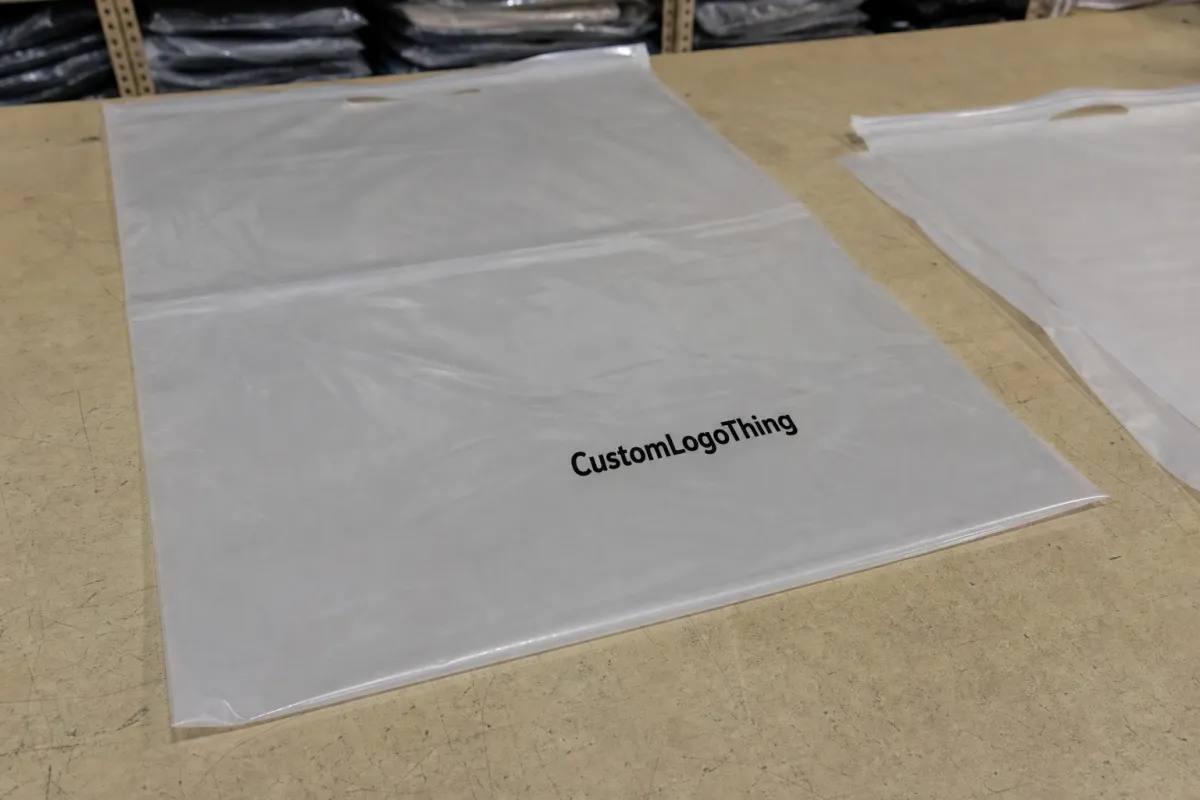
Resort apparel has a specific problem. It is often sold in high-touch spaces where staff, guests, and seasonal shoppers handle the merchandise more than once before purchase. A folded tee in a suitcase destination shop is not the same as a tee sitting in a controlled warehouse. If the film wrinkles, clouds up, or tears at the seam, the garment inside starts looking compromised even when it is perfectly fine.
That is why an apparel poly bags wholesale supplier for Resort Retail Buyers needs to think beyond carton pricing. A useful bag protects margin by reducing open-box damage, keeping stock neat for fast replenishment, and preserving the polished look resort stores expect. It also cuts down on awkward repacking. Nobody wants staff spending time wrestling a bag that should have been right the first time.
The buying decision should start with the garment, not the packaging catalog. Folded resort tees, cover-ups, swim trunks, polos, kids’ apparel, and souvenir clothing all behave differently inside a poly bag. The fold pattern, display method, and storage conditions determine whether you need a flat bag, side-gusset style, or a resealable flap. If the dimensions are off by even a little, the bag looks sloppy on the shelf.
From a practical point of view, the best supplier is the one that asks better questions before quoting. How thick is the fabric? Will the garment be folded once or twice? Is the shop humid? Does the bag need to hang, seal, breathe, or just protect? Those answers matter more than a one-line price.
Here is the simple truth: packaging is part of the merchandise presentation. Resort buyers know that. The rest of the market catches up after the first bad reorder.
Bag Formats That Fit Resort Apparel Merchandising
The most common mistake is ordering one bag style for every item. That sounds efficient. It usually is not. Flat bags work well for folded basics like tees, tank tops, and lightweight shorts because they are easy to pack and quick to open on the sales floor. If the garment is compact and the stack is clean, a flat open-top bag is often enough.
Side-gusset bags make more sense when the apparel has more volume. Think thick polos, folded hoodies for cooler-season resort areas, or cover-ups with decorative trims that need a little extra room. The gusset keeps the film from stretching awkwardly across the garment, which matters when buyers want the bag to look full but not overstuffed.
Resealable adhesive-flap bags are useful when merchandisers expect repeated handling. They help keep the item closed after inspection and are handy for staff who are packing on-site. Open-top bags, by contrast, are faster in warehouse operations where the item is bagged once and shipped. There is no magic answer. Choose based on labor flow.
For hanging presentation, header bags or hang-hole styles are worth considering. Add euro holes if the product sits on hooks or peg displays. If the store is near water, vent holes can help reduce trapped moisture and fogging. In humid coastal environments, anti-fog films are not always necessary, but they are worth asking about if clarity is a problem.
Size matters more than people want to admit. A bag for a folded youth tee is not the same as a bag for an adult resort shirt, and the difference is not just width. Length, flap allowance, and gusset depth all change the final fit. Ask for one test sample that matches your longest item and another that matches your most common size. That saves a lot of argument later.
If you also buy ecommerce overflow packaging, compare your apparel bags with our Custom Poly Mailers. The use case is different, but the same buyer logic applies: fit, film quality, and handling reality matter more than a brochure claim.
Material and Print Specs That Survive High-Touch Retail
Material choice is where buyers separate useful packaging from decorative junk. LDPE is common because it is flexible, soft, and forgiving around folded apparel. CPP gives a cleaner, glossier look and often better clarity, which matters when the garment color is part of the sale. Some buyers use blended structures when they want a balance of clarity and handling strength. No single material wins every job.
Thickness should be tied to how often the bag gets touched. For lighter folded basics, 1.5 to 2 mil may be enough. For premium apparel, thicker bags in the 2.5 to 3 mil range tend to hold up better, especially if staff are opening and closing them during merchandising. Heavier film also resists scuffing in transit. That said, thicker is not automatically better if the bag becomes stiff and hard to pack.
Seal strength deserves more attention than most buyers give it. A clean seal keeps the bag from splitting along the back seam or flap edge during handling. Optical clarity matters too. If the film has haze or static, the garment looks dull. Scratch resistance matters on retail floors where staff move product around repeatedly. Generic language like “premium bag” means nothing unless the film actually stays clear after handling.
Print options should be practical. One-color logos are often enough for resort retail. Some buyers add sizing marks, warning text, or barcode zones without crowding the design. If the bag is already doing a good display job, avoid loading it up with graphics that make it look like a promotional flyer. Calm branding sells better than a noisy bag.
For sourcing standards, a neutral place to start is the trade information available at Packaging.org. If the bags are moving through shipping cartons and not just sitting on the shelf, transport testing practices from ISTA are worth reviewing. Resort buyers do not need to become lab nerds, but they do need enough baseline knowledge to ask the right questions.
Recyclability claims should be handled carefully. If you specify recyclable polyethylene, make sure the structure matches local collection realities and does not get sold with a misleading label. If carton documentation matters, ask for clear case labeling and source verification on the corrugate. Buyers who care about this usually want consistent paperwork, not green theater.
| Bag Option | Typical Use | Common Thickness | MOQ Range | Indicative Unit Price |
|---|---|---|---|---|
| Flat open-top LDPE | Folded tees, tank tops, light shorts | 1.5-2 mil | 5,000-10,000 | $0.06-$0.10 each at 5,000 |
| Resealable adhesive-flap bag | Items handled often on the floor | 2-2.5 mil | 5,000-10,000 | $0.11-$0.18 each at 5,000 |
| Side-gusset clear bag | Thicker polos, cover-ups, folded sets | 2.5-3 mil | 10,000+ | $0.14-$0.24 each at 10,000 |
| Hang-hole header bag | Hook display and vertical merchandising | 2.5-3 mil | 10,000+ | $0.16-$0.30 each at 10,000 |
Pricing, MOQ, and Quote Drivers That Affect Unit Cost
Unit price is driven by more than size, and buyers who know that get better quotes. Film gauge, resin type, size, print colors, seal style, hole punching, and carton packing all move the number. Even if two bags look similar in a sample photo, the production cost can be very different once the tooling and print setup are added.
MOQ follows the same logic. Stock and unprinted bags are more flexible. Custom printed bags usually need higher quantities because setup costs have to be spread over enough units to make sense. A one-color logo on a standard size is much easier to buy than a special-size bag with flap adhesive, vent holes, and two print passes. That is not a sales trick. It is production math.
A clean quote should list bag width, length, material, thickness, print colors, flap style, carton count, and ship-to destination. If any of those are missing, the “cheap” number is mostly a placeholder. Ask for separate pricing on stock, custom print, and rush runs. Rush work changes scheduling and usually changes freight as well.
For rough benchmarking, resort retail buyers often see unprinted clear bags in the low cents per unit once quantities rise, while custom printed bags tend to land higher depending on thickness and decoration. At 5,000 pieces, a simple custom apparel bag might sit around $0.09-$0.18 each. More complex structures, larger sizes, or multi-color prints can move that into the $0.18-$0.30 range or higher. If a quote is far below that and still promises thick film, clean printing, and fast lead time, somebody is trimming something important.
Watch for hidden extras. Setup fees, plate charges, freight, split shipments, and repacking can distort a quote badly. The lowest headline price is sometimes the most expensive option once the order lands and the box count is wrong. Buyers with multiple resort locations should compare landed cost per usable bag, not just factory price.
If your buying team needs a broader sourcing view, our Wholesale Programs page is the fastest route for repeat orders, and Custom Packaging Products is useful if you are building a wider packaging standard across apparel, gift sets, and promo items.
Production Process and Timeline From Proof to Delivery
The production path should be boring. That is a compliment. You want a process that starts with specs, moves to quote, then proof, sample approval, mass production, QC, packing, and shipment. Every extra loop adds delay. Every vague instruction adds one more round of email that nobody wanted.
For standard unprinted or lightly customized orders, lead times often sit in the 7-12 business day range after approval. Custom printed runs commonly need 12-18 business days, sometimes longer if the art needs revision, the film is specialty-grade, or the order lands during a busy production window. Freight time is separate. A bag can be finished and still not be in your hands for several more days depending on the destination and transport mode.
What slows things down most? Vague sizing, missing artwork files, late color changes, and buyers who keep moving the order quantity after approval. It sounds obvious, but it happens all the time. A simple spec sheet with garment dimensions, print zone, bag type, thickness, and carton preference prevents half the back-and-forth.
The buyer side matters too. Store teams often need internal sign-off, sample review, and seasonal reset timing. If you are buying for a resort roll-out, build in time for a test carton to be checked on the floor. One sample on a desk is not the same as 200 pieces packed by staff who are trying to move quickly between check-in peaks.
Freight planning deserves a blunt reminder. Production finishing does not mean delivery is done. If the stores need the bags for a new floor set, the ship window has to be locked early. If the order is international, check customs timing and carton counts before production starts. No one enjoys explaining why the packaging arrived after the apparel.
Buyers who want repeatable sizing and reorder history should keep their specs aligned with the same artwork files, carton standards, and product naming. That makes reorders easier and reduces mistakes when multiple locations are involved. It also helps if your supplier already understands the difference between packaging for a backroom and packaging that has to look clean in a guest-facing store.
Why Resort Retail Buyers Stick With a Supplier That Gets the Channel
Resort retail is not generic apparel. The product moves in a high-turnover environment where presentation has to survive handling, humidity, and rapid restocking. A supplier who understands that will care about the details that matter: consistent dimensions, clear print placement, stable film, and packaging that does not shift from one reorder to the next.
Consistency is a bigger buying advantage than people admit. If you have multiple stores, a small change in bag width or print position can turn into visual mess across the chain. The best supplier keeps the same standards across seasonal reorders, even when quantities change. That makes operations smoother and protects the brand look without constant policing from the retail team.
QC and documentation are not soft perks. They are the reason orders arrive usable. Clear bag specs, signed proofs, carton counts, and accurate labeling cut down on rework and receiving headaches. If a supplier can answer questions quickly and document the order cleanly, that saves money whether the buyer notices it or not.
There is also the hidden cost of mismatched packaging. If one season’s bags are clear and the next batch has haze, the assortment looks inconsistent. If one run uses a slightly different hole punch or seal style, staff waste time adjusting the display. Those are small problems with real labor costs attached.
Honestly, the suppliers that keep resort buyers are not the loudest. They are the ones that get the order right, keep the specs stable, and do not make every reorder feel like a new project. That is the value of a proper Apparel Poly Bags wholesale supplier for resort retail buyers: less drama, fewer surprises, and packaging that does its job without getting in the way.
Next Steps: Send Specs, Compare Samples, and Place the Order
If you want an accurate quote, send the basics first: garment dimensions, bag style, quantity target, print files, and destination. Add the details most buyers forget, like thickness, seal style, flap preference, and whether the bags need hang holes or vent holes. A supplier can work fast when the spec sheet is clear. A fuzzy brief just creates delays.
If you are undecided, ask for two sample options. One size up, one size down. That small step saves money because it shows how the bag behaves once the garment is folded, handled, and stacked. In resort retail, fit is visual as much as dimensional. You can see the difference immediately.
Compare quotes on the same spec sheet. Same film. Same size. Same print colors. Same carton count. Otherwise you are comparing sales language, not packaging. The cleaner the comparison, the better the decision.
Before production starts, confirm the proof, dimensions, material, carton packing, and delivery timing. If the order is part of a seasonal reset, lock in the receiving window before the bags go into production. That is how you avoid the annoying problem of a perfect order arriving on the wrong day.
If you are ready to move, use the same buying standard every time and keep your packaging file organized for reorders. That is the easiest way to work with an apparel poly Bags Wholesale Supplier for resort retail buyers without wasting time on fixes, rechecks, and preventable mistakes.
What size apparel poly bags do resort retail buyers usually need?
Base the size on the folded garment, not the hanger size, so the bag fits cleanly without bunching. Leave enough room for a neat insert, but do not oversize it unless the apparel will be folded and repacked often. Ask for one sample size smaller and one larger if you are ordering for multiple apparel categories.
How do I compare wholesale quotes for resort apparel bags without overpaying?
Compare the same specs on every quote: material, thickness, size, print colors, flap style, and carton count. Watch for hidden extras such as setup charges, plate fees, freight, or packaging changes that do not show in the headline price. The cheapest quote is usually the one that quietly cuts film quality or leaves out the details you actually need.
What MOQ should I expect for custom resort retail poly bags?
MOQ depends on print method, size, and how many colors or construction details the bag needs. Stock or unprinted runs are usually more flexible than custom printed bags with exact brand placement. If the first order is small, ask for a sample or pilot run first instead of forcing a bad full-volume buy.
Can you add hang holes, vent holes, or adhesive flaps to apparel poly bags?
Yes, those features are common and should be specified early so the tooling and quote are accurate. Hang holes help on display, vent holes help in humid environments, and adhesive flaps help with sealed presentation. Tell the supplier how the bag will be used in-store so the feature set matches the merchandising flow.
What should I send to get the fastest accurate quote from a wholesale supplier?
Send product dimensions, target quantity, bag style, print artwork, and your ship-to location. Include any must-have details like thickness, seal type, color matching, and sustainability requirements. The clearer the spec sheet, the faster the quote, and the fewer revisions you will waste time on later.

