Private Label Buyer OPP Header Bags Material Spec Guide: Where the Real Cost Shows Up
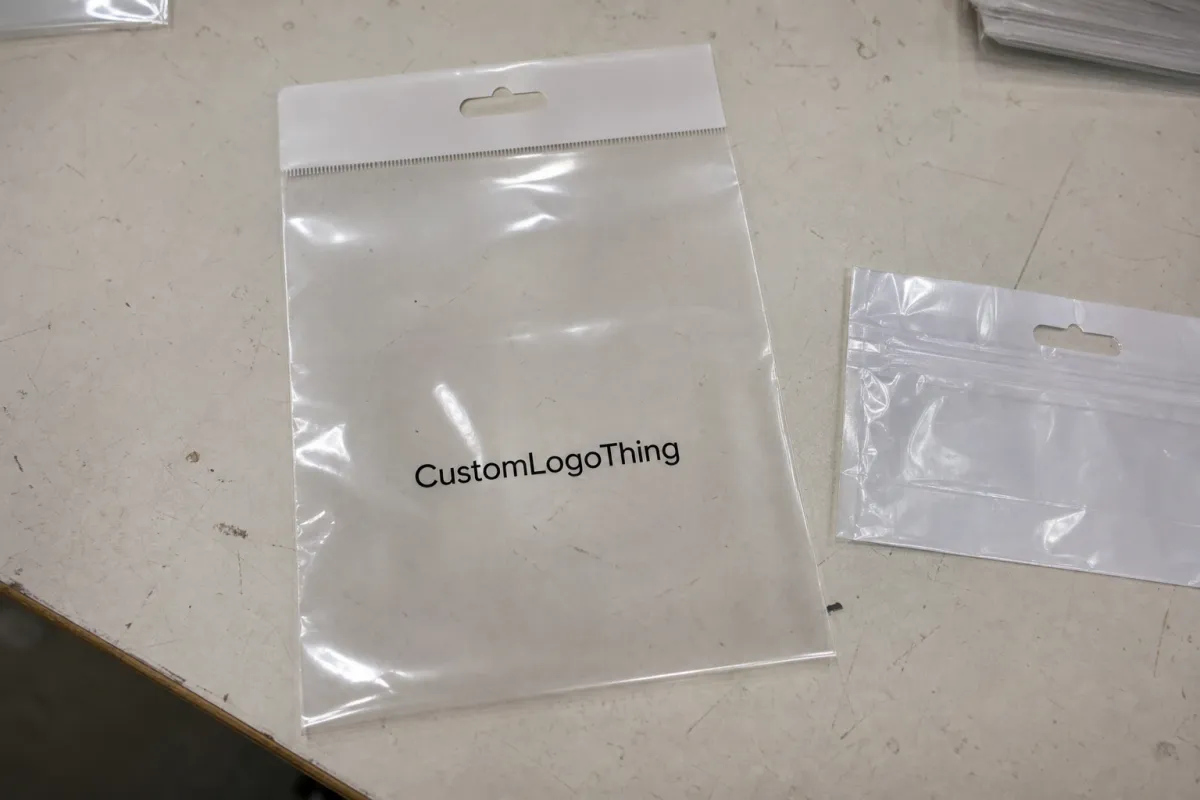
A retail pack can look excellent in a proof and still disappoint on the peg. The difference usually shows up in fit, hanging behavior, seal strength, and how the film handles once the product is loaded. That is why a private label buyer OPP Header Bags material spec guide should start with function, not decoration.
OPP Header Bags are popular because they are clear, crisp, and affordable enough for scaled private label programs. They also have limits. A film that works for a lightweight accessory may crease or split on a heavier item. A clean header can become a weak point if the hang hole sits too close to the seal or the trim is uneven.
The real cost shows up in the spec sheet. Size changes carton pack-out. Thickness changes waste and freight. Print coverage affects setup time and proof approvals. Even a simple choice like round hole versus euro slot can alter hanging strength and shelf appearance. Buyers who get better pricing usually do one thing early: they lock the spec before asking for the quote.
OPP Header Bag Format, Header Card Fit, and Retail Hang Performance
An OPP Header Bag is more than a clear pouch with a flap on top. In practical terms, it is a display structure. The body holds the product, the header supports the hang, and the opening must allow loading without stressing the seal or wrinkling the front panel.
Card fit matters almost as much as bag size. If the retailer uses a printed insert or header card, the pocket has to match the card dimensions with enough clearance to load it quickly, but not so much room that the card slides around. Too much slack looks cheap. Too little slows the packing line.
Hang performance depends on the hole and the load. A round hole can work for light packs. A euro slot usually distributes weight better, especially when the pack is heavier or the retailer uses standard peg hooks with more movement. If the product shifts inside the bag, the center of gravity can pull the pack off-angle.
Closure details also matter. Some header bags use heat seals; others rely on adhesive or folded construction. Heat sealing is usually cleaner for high-volume runs, but it needs the right temperature and dwell time. Too much heat can haze the film or distort the header. Too little can leave weak spots that fail during packing.
Film, Thickness, and Clarity Specs to Pin Down First
OPP is used because it gives a clean, glossy presentation at a reasonable cost. It is also predictable in converting when the spec is stable. Still, the word OPP hides a lot of variation. Film orientation, gauge, slip characteristics, and seal behavior can all change how the finished bag performs.
The first measurements to pin down are simple:
- Film thickness: commonly 30-40 micron for light items and 45-60 micron for heavier or sharper products.
- Finished width and height: include the usable body plus the full header.
- Header depth: enough for a stable hang feature and any printed copy that needs room.
- Hole type and placement: round hole or euro slot, centered to match the retailer hook.
- Seal allowance: enough margin for consistent sealing without crowding the product.
Thickness is where many buyers under-spec or over-spec. A thinner film lowers material cost and can improve packability, but it may scuff or split more easily. A thicker film increases stiffness and perceived quality, yet it can raise converting friction and freight weight. The right choice is the one that survives the actual product, route, and shelf use.
Clarity and gloss are also part of the buying decision. If the product has strong visual appeal, keep the structure quiet and let the item carry the display. If the bag needs to protect a delicate insert, ask about anti-static handling and surface scuff resistance.
Pricing, MOQ, and Quote Variables That Change Unit Cost
Quotes become easier to compare once the variables are controlled. For OPP Header Bags, the biggest drivers are size, thickness, print colors, header style, hole type, and order quantity. If those are loose, the quote will be loose too.
MOQ is tied to setup efficiency, sheet yield, trimming waste, and packing labor. Standard clear bags in common sizes can support smaller runs. Custom shapes, multiple print colors, or unusually tall headers usually push MOQ higher.
Indicative pricing often falls into bands like these:
| Spec Type | Typical MOQ | Indicative Unit Cost | Best Fit |
|---|---|---|---|
| Standard clear OPP, no print | 5,000-10,000 pcs | $0.04-$0.08 | Basic retail packs, replenishment orders |
| Clear OPP with one- to two-color print | 10,000-25,000 pcs | $0.06-$0.14 | Private label branding with moderate setup |
| Custom header shape, euro slot, fuller print coverage | 25,000 pcs and up | $0.09-$0.18+ | Higher presentation value and larger programs |
Those numbers are directional. They move with freight, carton quantity, artwork revisions, destination, and sample requests. A small change in print coverage can alter waste and setup time enough to shift the final landed cost. Ask what is included: proofing, tooling, plate fees, and whether similar sizes can be grouped. If the bag needs labels or inserts, it can help to align the order with Custom Labels & Tags so the package structure and the branding plan are built together.
Production Steps and Lead Time From Spec Sheet to Shipment
Production starts with the spec review, not the press. A typical run moves through inquiry, quoting, artwork check, proof approval, scheduling, converting, packing, and shipment. If one step is vague, the rest of the chain slows down.
Lead time depends on several factors. First-time artwork takes longer because the layout has to be checked for bleed, panel placement, hole position, and legibility near the seal. Custom inserts or special hang shapes can add another round of proofing. A busy converting line can stretch the schedule even when the paperwork is clean.
For a repeat run with no structural changes, a production window of roughly 10-15 business days after proof approval is common. First runs, complex print setups, or unusual pack-out requirements can take longer. A realistic timeline is better than a polished promise that slips later.
To keep the process moving, confirm these items before release: finished size, film gauge, print file version, hang feature, carton count, and target ship date. If the item is part of a private label line with several SKUs, use consistent naming for every version. That avoids approving the right structure under the wrong file name.
Sample approval is worth the time. A physical sample shows things that a PDF never will: film stiffness, edge curl, insert fit, and how the bag sits on a hook. If a change affects size, print coverage, hole placement, or thickness, treat it as a new approval step.
Quality Checks, Compliance, and Retail-Ready Packaging Tests
Good quality control starts with dimensional accuracy. If the bag is too narrow, the product may not fit cleanly. If the header is too short, the pack can hang awkwardly or tear under load. If the hole is off-center, the shelf presentation looks crooked no matter how good the print is.
Seal quality is the next checkpoint. The seal should be consistent across the run, with no weak lines, burn marks, or open edges. In converting, the seal area is often where price and performance collide. A slightly faster machine speed can save time but raise the risk of weak sealing.
Print alignment and film condition matter too. Scuffing, haze, or curl can make a new bag look old. In retail, that perception matters. A product in a scratched or warped pack usually sells worse, even when the content is unchanged.
Compliance should be checked early if the product category needs it. Food-adjacent goods, cosmetics, and regulated consumer products often need material declarations, ink details, or packaging certifications. Sustainability claims need similar care. If paper-based components are involved, a resource such as FSC can help confirm responsible sourcing. For distribution and transit testing, ISTA remains a useful reference. General packaging education and standards discussions from packaging.org can also keep expectations grounded.
“A bag is only ready for retail if it fits the product, hangs straight, and stays intact after handling, carton movement, and repeated peg contact.”
Check carton count, compare the sample against the approved artwork, and hang the bag on the actual hook type that will be used in store. If the product is heavy, leave the sample hanging long enough to see whether the hole stretches or the header bows.
What A Good Supplier Should Provide For Private Label Runs
A useful supplier does more than quote a bag. They help reduce the number of assumptions in the order. Packaging failures are rarely caused by one huge mistake. They are usually caused by a chain of small misunderstandings: a size interpreted one way, a hole positioned another, a print file saved in the wrong version, a carton count guessed instead of confirmed.
For this workflow, the supplier should be able to explain the impact of each choice in plain terms. What does a thicker film change? How does a euro slot affect hang performance? What does a wider header do to pack-out and shelf appearance? Clear answers are more valuable than polished sales language.
Good support also shows up after the first order. The artwork history should be easy to retrieve. The finished dimensions should already be documented. Reorders should not require a fresh rebuild of the same spec unless something actually changed.
Next Steps to Get a Faster Quote and Cleaner First Run
If you need a quote, send the full spec in one message: finished bag size, film thickness target, header style, print file, quantity, and target ship date. If the retail fixture is already known, include the hook type. A round hole, euro slot, or custom punch changes the structure enough to affect both pricing and lead time.
Ask for a sample or proof before release. That extra step confirms fit, legibility, hang behavior, and carton pack-out before the full run starts. It is easier to catch a bad margin on a sample than to discover it in the warehouse.
For buyers managing a broader packaging set, keep the bag spec aligned with inserts, labels, and outer shippers made from corrugated cardboard or kraft paper. The shelf presentation looks more deliberate when the components are planned together.
What details do you need to quote private label buyer opp header bags?
Send finished bag dimensions, film thickness, header style, print colors, quantity, destination, and artwork status. If the bag has to hang on a specific retail hook, include that too.
What OPP thickness is most common for header bags?
It depends on product weight and puncture risk. Lighter items often work in the 30-40 micron range, while heavier or sharper items usually need 45-60 micron or a stronger structure.
Can MOQ be lowered by simplifying the print or header design?
Often, yes. Fewer colors, standard sizes, and simpler hole structures reduce setup waste and make short runs easier to price. The exact impact depends on the line and the material yield.
How long does production usually take after approval?
A simple repeat order can often ship in about 10-15 business days after proof approval. First runs, special tooling, or complex artwork usually take longer.
What should I approve before releasing the first order?
Approve the finished dimensions, print proof, hole placement, header fit, and carton count. If the bag will hang in retail, test the sample on the actual hook before sign-off.

