A logo can be sharp and still sit on a cap that feels cheap. In a Private Label Caps material guide, the fabric usually changes perceived quality more than the artwork does, because buyers touch the crown, the brim, and the sweatband long before they study the stitching. A good cap spec starts with the job the cap has to do, not the file that decorates it.
That choice is wider than a fabric name on a quote sheet. Shell fabric matters, but so do the front-panel support, the sweatband, the lining or buckram, the closure, and the finish. Each one changes fit, breathability, shape retention, and how the product survives shipping.
For a packaging or product buyer, the real task is to match the cap to the wear environment, the decoration method, the target price, and the brand story without getting lost in textile jargon. Ask three questions first: where will it be worn, how long will it be used, and how much structure should it show on shelf?
A cap feels premium when the fabric, the crown, and the decoration agree with one another. If one part fights the others, the product reads cheaper even if the logo is technically perfect.
Private Label Caps Material Guide: Start with the End Use
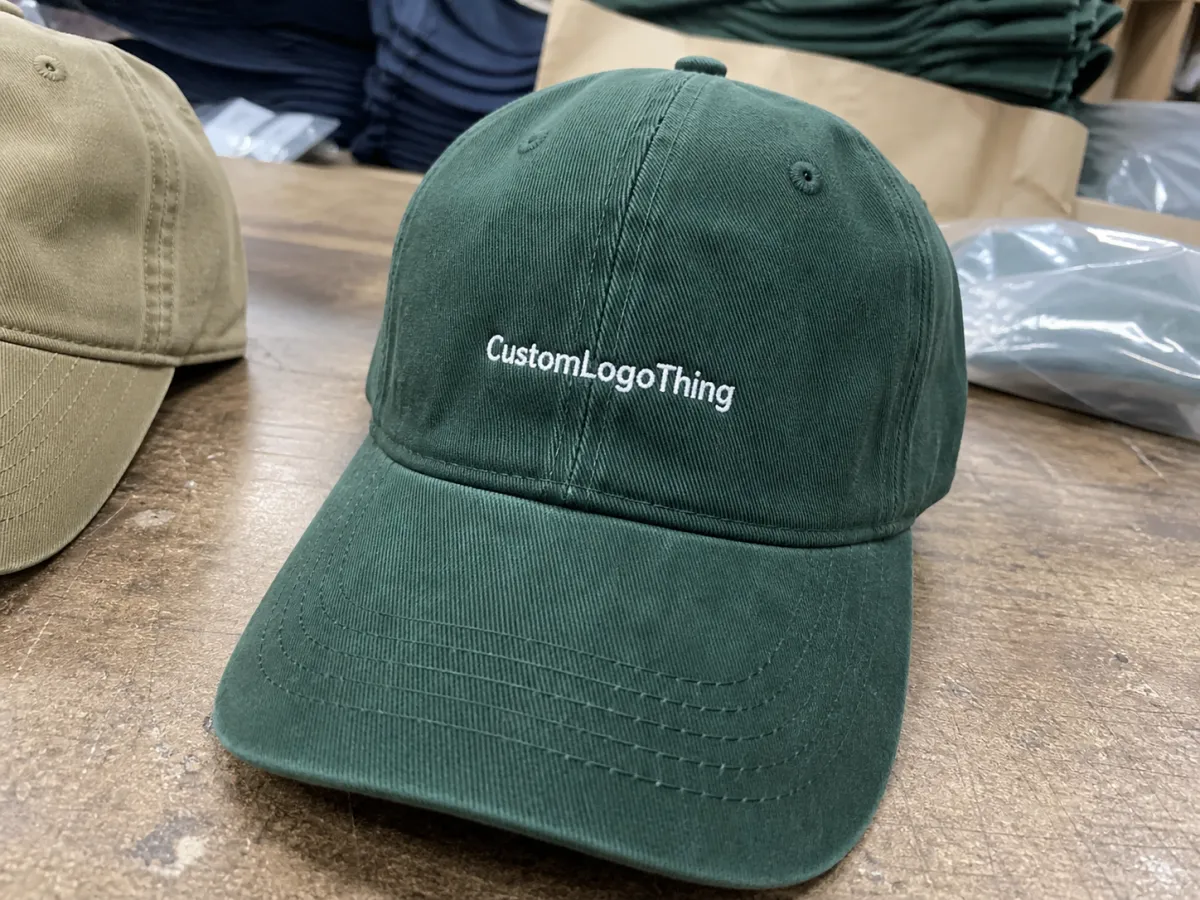
The quickest way to narrow a Private Label Caps material guide is to work backward from the wearer. A golf promo cap, a streetwear drop, a team uniform, and a utility workwear cap may look similar at a distance, but they need different balances of hand feel, shape retention, and airflow. The same base fabric can perform very differently once you add interlining, stitch density, or a heavier front logo.
For a premium retail line, buyers usually want a cleaner silhouette with a front panel that holds its shape under store lighting and on camera. For a relaxed lifestyle line, a softer crown often fits better even if the face fabric is nearly the same. Structure is a system, not a single material decision.
Material behavior is often judged less by fiber type than by weight, weave density, finish, and the way heat changes the hand. A 260 gsm cotton twill can feel sturdier than a lighter polyester blend if the weave is tight and the backing is firm. A cap that seems fine on a swatch may collapse after the first steam pass if the fabric was never meant to hold a front panel in place.
Below is a practical comparison of the main material families you will see on private label cap specs. The ranges are typical ex-factory estimates for small custom runs and will move with quantity, decoration, and trim complexity.
| Material | Typical Weight | Hand Feel / Structure | Best Use | Typical Unit Cost Impact |
|---|---|---|---|---|
| Cotton twill | 240-300 gsm | Soft to medium firm, matte, familiar hand | Lifestyle, retail, casual streetwear, embroidery-heavy styles | $1.20-$2.20 |
| Structured polyester | 180-240 gsm | Cleaner recovery, smoother face, better color stability | Outdoor, team, promo, performance | $1.30-$2.40 |
| Nylon or ripstop | 150-210 gsm | Light, technical, quick-drying, slightly more matte than expected once sewn | Travel, sport, utility, weather-friendly capsules | $1.50-$2.80 |
| Foam-front trucker | 150-200 gsm shell plus foam front | Very crisp front, lightweight rear mesh, strong visual presence | Fashion promo, event merch, retro looks | $1.80-$3.50 |
| Recycled blends | 170-260 gsm | Varies by feedstock; can feel dry, soft, or slightly irregular | Sustainability-led retail, corporate programs, mixed-use lines | $1.45-$2.90 |
Cotton twill usually gives the most familiar, durable feel. Polyester tends to hold color better and handle moisture more predictably. Nylon can be excellent for active or travel use, but it may show sheen under strong lights and can feel more technical than buyers expect from a flat photo. Foam-front styles create instant shelf impact, although the front panel does most of the visual work and needs the right artwork to avoid looking crowded. Recycled blends sit in the middle, which is useful if you want a softer wearing experience without giving up all structure.
Finish matters too. Brushed, washed, or peached surfaces feel softer in the hand, but they can blur the edges of a logo under bright retail lighting. If the cap will be photographed close up, test it under natural light and indoor LEDs. Small texture shifts often show up more clearly in photos than in a sample room.
How Fabric Choice Affects Decoration, Structure, and Wear
The material choice sets the limits for decoration. Dense embroidery needs a stable base. Puff embroidery needs enough front support to keep the edges clean. Heat transfer and printed patches are more forgiving, but they still show every wrinkle and wrinkle memory in the shell fabric. A fabric that looks fine on a hanger can misbehave once the machine starts stitching.
Structure is the next variable buyers often underestimate. A structured cap uses firmer front support, such as buckram or fused interfacing, to keep the crown upright. An unstructured cap sits lower on the head and breaks in faster. Neither is better in every case. A structured streetwear cap can look sharper online, while an unstructured cotton twill cap can feel more approachable in a lifestyle line.
Wear changes the picture again. A cap worn for a short event needs less recovery than one worn all day in heat. If the cap will be used outdoors, look at airflow, moisture behavior, and how the crown resists sweat marks. Polyester and nylon usually dry faster than cotton, but they can also feel warmer if the weave is dense and the sweatband is not doing its job.
The sweatband deserves more attention than it usually gets. A self-fabric band can feel simple and consistent, while a terry or moisture-wicking band improves comfort in hotter conditions. If the cap is a lower-cost promo item, the sweatband is often the first place to save money. That is fine until the target use involves long wear, repeated handling, or a customer who notices the inside as much as the outside.
Brand position matters, but so does realism. Premium streetwear often favors heavier cotton or brushed materials because they feel substantial in hand. Team gear usually benefits from stable polyester with better moisture handling. Utility workwear leans toward durable, easy-care constructions. Lifestyle merch can go either way, but it should still feel intentional and not like the default option that happened to be in stock.
If the product needs to ship looking polished, keep the whole system in view: cap, closure, label, and pack-out. A neat closure and a clean woven label can lift the perceived value of a simple fabric choice, especially when paired with Custom Labels & Tags that match the rest of the line. The fabric is the base note, not the whole song.
Key Factors to Compare Before You Lock the Material
A cap spec gets much easier once you rank the environment first. Summer promotions, outdoor events, and performance collections usually need more airflow, faster drying, and better color retention than cold-weather launches or fashion-led drops. If the cap will be worn for long periods in heat, a lighter polyester, nylon ripstop, or a mesh-backed style can make more sense than a dense cotton shell.
Next comes structure versus comfort. Do you want the cap to stand tall, drape softly, or land between the two? A structured crown keeps a retail silhouette clean. An unstructured cap lands lower on the head and feels more relaxed, but the logo surface can shift during wear. That tradeoff is not cosmetic; it affects how the product behaves in the real world.
Durability is the third filter. Look at shrink resistance, colorfastness, stain behavior, and how the fabric handles sweat, folding, packing, and repeated wear. If the cap will live in a bag or get stuffed into a locker, it needs recovery. If it will be washed often, the stitch plan and thread choice matter as much as the shell fabric. A dense embroidery file on a soft crown can pucker after a few wears if the backing is too light.
Color matching can create hidden trouble. Cotton accepts dye differently from polyester, and recycled fibers can vary more from lot to lot than buyers expect. That does not mean recycled materials are a bad choice. It means you should approve a lab dip, a strike-off, or a bulk-approved shade before production starts, especially if the cap is part of a matched assortment.
Brand position matters just as much as performance. A premium-looking cap does not always need the most expensive fabric, but it does need consistent surface quality, stable shape, and a finish that suits the logo. A workwear cap can be plain and still feel strong if the structure, sweatband, and stitching are honest about the use case. A flashy fabric with weak assembly fails faster than buyers expect.
If the product must ship looking neat, keep the full package in view. Closures, side labels, hang tags, and the carton all shape the buyer's first impression. The cap itself may be the hero, but a messy pack-out will make even a well-made item look hurried.
Production Steps and Timeline: From Swatch to Shipment
Sampling starts with the swatch. Request the actual shell fabric, not just a color reference, and compare hand feel, weave density, sheen, and thickness. Then confirm the decoration method before anyone cuts a sample. Embroidery, patch application, heat transfer, and woven labels behave differently, so the same cap can need different backing or stitch counts depending on the artwork.
Typical sample timing is often 7-12 business days if materials are standard and trims are in stock. If you need custom dye matching, special closures, or multiple decoration revisions, 12-18 business days is more realistic. Bulk timing can run 15-25 business days after sample approval, though larger quantities or seasonal congestion can push that longer. Treat those ranges as planning targets, not promises.
The production sequence is usually straightforward: sampling, revisions, pre-production confirmation, bulk sewing or assembly, quality checks, and final packing. The hidden delays tend to come from details buyers forget to lock early, such as exact thread color, reinforced closures, custom neck labels, or a special wash finish. One unresolved trim item can hold up the entire order longer than the sewing itself.
Good quality control checks happen at more than one stage. A pre-production sample should confirm color, structure, and placement. In-line inspection should look for seam slippage, crown symmetry, stitch density, and brim curve. Final inspection should compare random units from multiple cartons so a shade shift in one batch does not slip through. If the cap has a curved brim, inspect the arc, not just the front panel. The first thing a customer notices is rarely the thing a factory checked most closely.
If you need shipping validation, two references are useful. ISTA publishes package test methods that help assess transit stress, and FSC explains certified fiber sourcing for paper-based components. Those are useful if your caps are packed with a retail insert or you are trying to align the carton and void fill with a sustainability claim.
For shipping, corrugated cartons lined with kraft paper usually protect shape better than loose packing. If the brand asks for recycled materials, specify whether the carton, the insert, or both need certification. If biodegradable packaging is part of the brief, define exactly which component must be compostable or plant-based. A cap is a textile product, but the carton, insert, and void fill still shape the buyer's first impression.
Cost, MOQ, and Quote Drivers That Change Unit Price
The next step in a Private Label Caps material guide is understanding why one quote comes back at $1.40 and another lands closer to $3.20. Raw fabric is a big part of it. Cotton twill, technical polyester, recycled blends, and specialty finishes all have different sourcing and processing costs. A foam-front style may look simple on screen, but once you add the right foam density, mesh backing, and panel shaping, the price climbs faster than many first-time buyers expect.
MOQ changes the math too. At 3,000 pieces, setup costs are spread wider and the unit price usually settles lower. At 200-500 pieces, the same artwork, trim, and pattern work are carried by fewer units, so the quote rises. That is not a markup trick; it is the reality of sampling, cutting, threading, and trim sourcing. Small runs can still make sense, but they need cleaner specs and stronger decision-making.
Decoration is another major driver. Dense embroidery, 3D puff, woven patches, custom taping, specialty closures, and retail-ready packaging each add cost. Even the label system matters. A folded side tab, a printed care label, and a branded hang tag are small items individually, but together they can move a quote enough to matter on a low-MOQ order.
The quote usually depends on more than the front logo. Crown height, panel count, brim shape, closure type, sweatband spec, and whether the fabric must be prewashed all affect labor and yield. A six-panel structured cap with a curved brim will not price the same as a five-panel foam-front trucker, even if both are decorated with the same artwork. Factories price the whole build, not just the visible graphic.
Here is a practical way to request quotes so suppliers price the same product instead of guessing at substitutions:
- Material and weight, such as cotton twill, polyester, nylon, or a blend ratio
- Crown style, panel count, structure level, and brim shape
- Decoration method, stitch density, patch type, and placement
- Closure type, sweatband spec, and label style
- Quantity, color target, and packaging requirement
That level of detail makes a real difference. If the cap needs a woven side label or size tag, bundle the spec with Custom Labels & Tags so the garment and the branding are priced together. A precise brief usually saves more money than chasing a cheaper-looking quote that changes after sampling.
For many buyers, a clear spec sheet also reduces waste on the back end. Fewer revisions mean fewer samples, less material movement, and less packaging churn. That matters whether your pack-out uses simple kraft paper, recycled fillers, or a fully branded carton program built around lower-impact materials.
Common Mistakes That Lead to Weak Samples or Returns
The fastest way to misuse a Private Label Caps material guide is to pick fabric by color alone. A shade can look rich on a screen and still feel thin, hot, or awkward to decorate in real life. Buyers sometimes fall in love with a photo finish only to discover that the fabric has too little body for the logo size they planned. Once the stitches land, the truth is harder to hide.
Another common mistake is ignoring shrinkage, stretch, and sweat behavior. A cap may feel fine in a sample room and still misbehave outdoors after a long day of wear. If the material absorbs too much moisture or loses shape too quickly, the product can come back looking tired before the season is over. That is especially true for caps used in sun, travel, or active settings.
Decoration mismatch causes a lot of avoidable returns. Soft fabrics can pucker under heavy embroidery. Very shiny surfaces can make prints look cheaper than the artwork file suggests. Stretch-heavy fabrics can shift under dense stitch counts. The fix is usually simple: reduce stitch density, add proper backing, or choose a more stable base fabric before bulk production starts.
Sampling errors happen when buyers approve a good-looking sample without testing the right failure points. Bend the brim a few times. Check the front panel after steaming. Compare the sample under daylight and indoor LEDs. Wear it for a short period if the real user will be outdoors. If the cap is going to be washed, run at least one quick test cycle and air-dry it. Even a small distortion, such as a crown that twists or a logo that waves after drying, is a warning sign.
A flat swatch tells you how the fabric looks. It does not tell you how the cap behaves after stitching, wear, sweat, packing, and transit.
Packaging can create problems too. If the caps are packed too tightly in polybags or jammed into undersized cartons, the brim shape may arrive distorted. A better pack-out uses a proper corrugated shipper, enough headroom for the crown, and enough kraft paper or divider support to keep pressure off the front panel. If a cap needs to sit retail-ready on arrival, shipping discipline matters as much as the sewing line.
Expert Tips for Specifying the Right Cap and Placing the Order
The cleanest way to order is to build a one-page spec sheet and keep it disciplined. List the shell material, weight, finish, structure, closure, decoration method, label type, and target retail feel. Add crown height, panel count, brim curve, and any tolerance range for logo placement. That single page saves time because everyone is quoting the same product instead of making assumptions.
If the design is still flexible, ask for two or three sample options. Compare them in real light, not just under shop lighting. Wear one for a short period. Fold and unfold it. Look at the stitching from a foot away and from six inches away. You will quickly see which material feels premium, which one breathes better, and which one photographs cleanly. In private label work, that kind of practical comparison often matters more than a fabric name.
Confirm the final production details in writing before bulk starts. That means lead time, MOQ, approved color references, packaging format, closure style, thread color, and whether any trims can be substituted if inventory shifts. If you want sustainability cues in the presentation, spell them out. A carton can be FSC certified, the insert can use post-consumer waste fiber, and the pack-out can still stay compact enough to ship efficiently. Those details are small on paper and obvious in a buyer's hand.
It also helps to ask what the factory will check before shipment. A good supplier should be able to describe seam inspection, size consistency, panel symmetry, label placement, and carton counts without improvising. If they cannot explain their own checks clearly, the order is carrying more risk than the quote suggests.
Before you release the order, ask one final question: does this cap match the brand story on the shelf, in photos, and in wear? That is the real test. A practical private label caps material guide should help you Choose the Right shell, approve the right sample, and move into production without second-guessing the result. Choose the fabric, verify the sample, and make the spec hold up under real use.
What is the best material for private label caps with embroidery?
Cotton twill and structured polyester usually hold embroidery well because they give the stitches a stable surface. Very soft or stretchy fabrics can still work, but they often need backing, careful stitch density, or lighter artwork to avoid puckering. If the logo is dense or oversized, ask for a stitched sample before approving bulk production.
Are polyester caps better than cotton for private label collections?
Polyester is often better for color retention, moisture handling, and shape stability, which helps in active or outdoor settings. Cotton usually feels more natural and familiar, which can suit lifestyle and casual retail programs. The better choice depends on the brand position, the wear environment, and the decoration method you plan to use.
How do I choose between structured and unstructured private label cap materials?
Structured caps use firmer materials or front support to keep the crown upright and more retail-ready. Unstructured caps use softer materials that sit lower on the head and feel more relaxed. Choose structure based on the silhouette you want, not just the fabric name, because the same material can behave differently with different interlinings.
What drives private label cap pricing the most?
Material type, order quantity, and decoration complexity usually have the biggest effect on unit cost. Custom trims, special finishes, color matching, and packaging can raise the quote even when the base cap looks simple. A clear spec sheet helps suppliers price the same product instead of guessing at substitutions.
What should I ask for before approving a private label cap sample?
Ask to see the exact fabric, thread color, closure, label, and decoration method you want in bulk. Check fit, crown height, hand feel, logo placement, sweat comfort, and how the cap looks under bright light. If possible, wash or wear the sample briefly so you can catch shrinkage, puckering, or shape issues before production.


