Private Label Caps minimum order quantity is not a paperwork detail. It shapes how a launch is built, priced, and delivered. A cap order still has to absorb setup work, fabric sourcing, artwork prep, embroidery programming, and changeovers on the line. That fixed cost has to land somewhere, and on a small run it lands on every single unit.
Buyers tend to learn that the hard way when the first quote looks attractive and the landed cost does not. The smartest order is rarely the one with the lowest unit price on the first page. It is the order that fits demand, protects margin, and leaves room for a reorder without forcing a redesign of the whole program. For hats and caps, that usually means reading MOQ alongside decoration method, body construction, packaging, and freight timing.
That also means the right number changes by channel. A retail launch may justify a more polished finish and a higher first run. An ecommerce test can work with stock bodies and lighter packaging. A giveaway order may need speed and low total cost more than premium trim. If the launch does not match the channel, the MOQ becomes a trap instead of a planning tool.
Why private label caps minimum order quantity matters
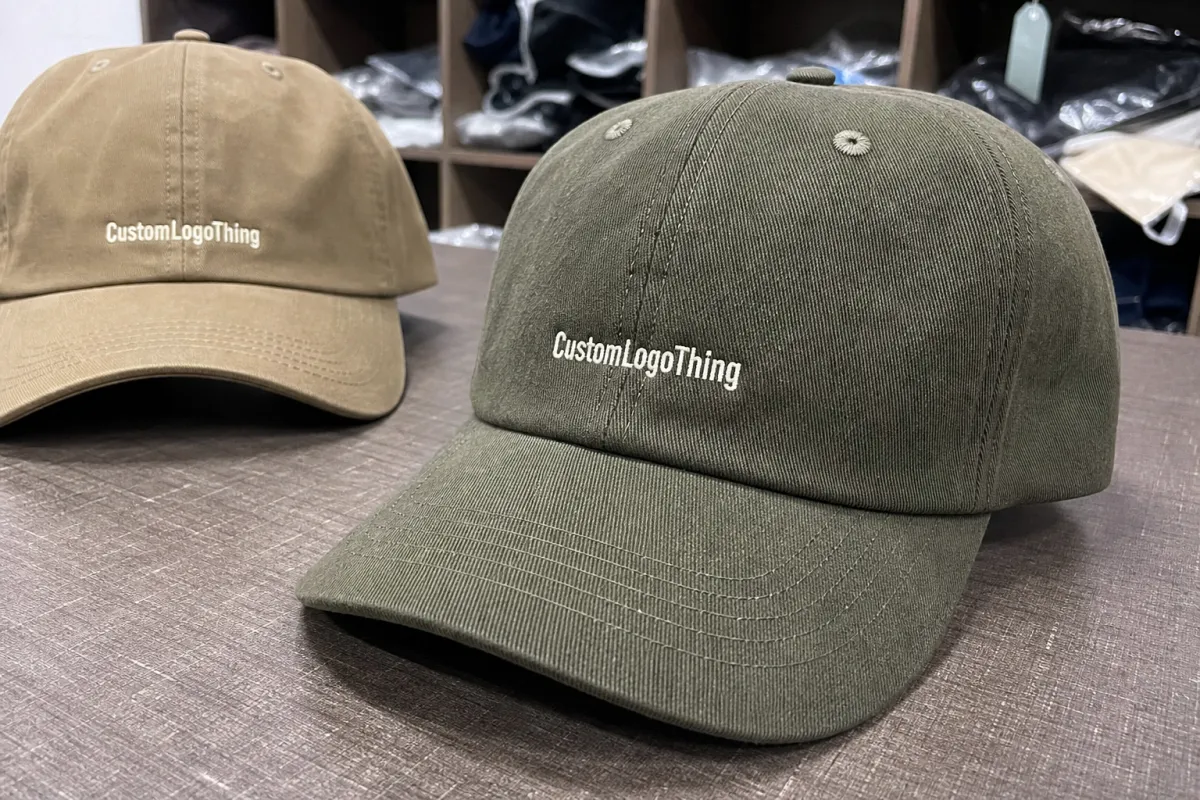
Every cap order starts with fixed work. The factory has to source the body, confirm the closure, prepare the artwork, set the embroidery machine or patch workflow, and approve the first sample before bulk production begins. None of that disappears because the order is small. The minimum exists because setup has a cost whether you run 100 units or 10,000.
That cost structure is only half the story. A sensible minimum also protects consistency. Embroidery needs a digitized file that stitches cleanly at the right density. Woven patches need legible artwork and enough size to hold detail. Labels, hangtags, and interior branding all need approval before bulk starts. If the order is too small to absorb those steps, the factory either charges more or compresses the process, and neither outcome helps quality.
There is another practical reason the minimum matters: inventory risk. A cap style that looks good in a mockup may sell slowly once it reaches the shelf or the web store. Buyers who know their sell-through rate can choose a run size that supports the first sales window without tying up cash in dead stock. That is especially true for Private Label Caps, because the design often carries a brand mark that is harder to resell if tastes shift.
The useful MOQ is the one that matches real demand. A 300-unit run that sells out and reorders cleanly is usually a better result than a 150-unit order that saves a few dollars but cannot support launch momentum.
For brands that need a first-run benchmark, the important question is not “how low can the minimum go?” It is “what quantity lets the product launch, prove itself, and be reordered without restarting the whole production setup?”
Choose the cap build that fits your sales channel
Cap construction changes both the production floor and the shelf appeal. A dad cap usually feels easy to wear and easy to sell because the silhouette is familiar and forgiving. A structured six-panel cap gives a cleaner front panel for logos and keeps its shape better in retail packaging. Five-panel camp caps work well when the design needs a wide, flat decoration zone. Trucker caps add mesh or foam into the sourcing mix. Performance caps introduce moisture-wicking fabrics and more exact trim control.
Material choice matters just as much. Cotton twill is common for everyday caps because it holds embroidery well and has a predictable handfeel. Brushed cotton can feel softer but may show wear sooner. Polyester and nylon are used in performance and sports programs because they dry faster and resist creasing. For premium private label runs, some buyers ask for recycled polyester or heavier twill in the 280-320 gsm range to improve structure and reduce flimsy panel collapse.
The sales channel should decide how much complexity is justified. Retail programs usually need tighter finishing, better fold consistency, and labeling that looks deliberate on shelf. Ecommerce can tolerate simpler packout, but it still needs low damage rates and a clean unboxing. Event programs care most about speed, color match, and total landed cost. A private label caps Minimum Order Quantity that works for one channel may be too high for another, and the economics shift quickly once packaging or decoration changes.
| Cap style | Typical MOQ range | Common use case | Typical lead time after approval |
|---|---|---|---|
| Dad cap, stock body | 100-300 units | Ecommerce launch, small retail test | 10-15 business days |
| Structured six-panel | 300-500 units | Retail, brand merch, wholesale | 12-18 business days |
| Trucker or camp style | 300-600 units | Lifestyle brand, event program | 14-20 business days |
| Performance cap with custom trims | 500+ units | Teamwear, outdoor, premium launch | 18-25 business days |
Those ranges are directional, not fixed. A supplier using stock shells can quote lower. A build that needs custom closure hardware, imported fabric, or special panel binding can move upward fast. The right comparison is not simply which factory will quote the smallest number. It is which construction gives the best combination of fit, finish, and reorder flexibility.
There is also a production angle that buyers sometimes miss. A body with standard panels and common closures is easier to repeat. A custom crown shape, specialty wash, or less common buckle can create delays on the next order if one trim goes out of stock. Small launches feel less risky when the underlying build can be repeated without fresh sourcing every time.
Decoration and private label details that change the minimum
Decoration is where MOQ starts to move. Flat embroidery is usually the simplest path because setup is straightforward and the design sits on a stable surface. Puff embroidery gives the logo more depth, but stitch density has to be controlled carefully or the design will distort. Woven patches look premium and read cleanly at a distance, yet they add a patch-production step. Leather, rubber, and silicone badges can create a sharper retail feel, though each one introduces its own approval cycle.
Private label details can raise the minimum even when the cap body stays the same. Interior labels, size tags, sweatband prints, hangtags, barcode stickers, and polybag inserts all add labor or extra sourcing. A buyer asking for a retail-ready product is not just buying a cap. They are buying a small assembly project with branding applied in several places.
Placement matters too. One front logo is one approval. Add a side mark, back embroidery, or an under-brim print, and the production path gets longer. Extra decoration zones often mean extra setup, extra proofing, and more chances for the order to stall. If a second logo does not improve how the cap sells, it probably does not belong on a low-volume first run.
Artwork quality affects the minimum as much as the decoration method itself. Fine lettering can be hard to reproduce below a certain size. Thin lines may blur once stitched. Gradient artwork usually needs simplification before it can become a patch or embroidery file. Buyers who send a clean vector file and clarify thread colors early usually get fewer revisions and a more accurate quote.
There is a practical rule here: every added feature should justify its labor. A woven side label may be worth it for a premium retail line. It may be unnecessary for a test order where the goal is speed and validation, not full brand theater.
Specs to confirm before you request a quote
The best quote starts with exact specs. Cap style, panel count, crown height, brim curve, closure type, fabric weight, fit range, and stitching color should all be defined before pricing begins. Vague language like “classic cap” or “nice premium look” usually creates follow-up questions and revisions. Each revision slows the process and makes the quote less reliable.
Artwork files need the same discipline. Vector logos work better than screenshots. If brand color matters, include Pantone references or at least a clear closest-match reference. If the logo contains fine text, tell the supplier early; some lettering will need to be simplified to stitch cleanly. If the decoration goes on a patch or label instead of directly on the cap, the file prep changes again.
Packaging should be specified at the same time, not as a late addition. Confirm whether the order needs individual polybags, sticker labels, retail tags, or bulk cartons. Those choices affect labor, carton count, and eventually freight. A cap that looks inexpensive in unit price can become much less attractive once retail packaging and labeling are added.
- Product spec: cap style, panel count, brim shape, closure, fit range
- Decoration spec: embroidery type, patch style, placement, color count
- Branding spec: woven label, care tag, sweatband print, hangtag
- Logistics spec: carton pack, bagging, barcode, delivery destination
Fabric selection deserves a closer look than it usually gets. Cotton twill is dependable but can shrink slightly if it is not pretreated. Polyester is more stable, though some versions feel slick and less natural. Mesh gives the lightest hand but changes the structure. A buyer who understands those tradeoffs usually gets a better match between the product and the channel.
Once the spec sheet is tight, the quote becomes useful. Before that, it is only a guess with a price attached.
Pricing, MOQ breakpoints, and unit cost drivers
Cap pricing moves in steps, not in a straight line. The first break usually comes once setup costs are spread across enough units to reduce the burden on each cap. After that, price depends on material efficiency, decoration complexity, and packaging. In practical terms, moving from 100 to 300 units can reduce the unit cost more than changing one trim. Moving from 300 to 500 may do the same again if the line can run without interruption.
For a stock dad cap with flat embroidery, a buyer might see rough pricing in the $2.50-$4.50 range at moderate volume, with a visible drop as quantities move past the first break. A structured six-panel cap with a woven patch can sit higher, often around $3.50-$6.50 before freight and packaging, depending on fabric and stitch count. Custom trims, retail inserts, and individual bagging can add more. These are not fixed price tags; they are the shape of the market when the order is small enough that setup still matters.
The main drivers are easier to compare when they are broken out side by side:
- Fabric grade: cotton twill, brushed cotton, nylon, polyester mesh, performance blends
- Decoration density: stitch count, puff detail, patch construction, print coverage
- Hardware: snap closure, metal buckle, Velcro, slide adjuster, custom trim
- Packaging: bulk pack, individual polybagging, barcode labels, retail tags
- Freight timing: air, ocean, consolidated shipment, delivery window
One detail often gets overlooked: packaging can change the economics as much as the cap itself. A lean body with expensive retail packout can cost more than a higher-grade body packed in bulk. That is why Private Label Caps minimum order quantity should be judged with the full order structure in view, not as a single factory line item.
Material choice can also affect how well the cap holds up after delivery. Dense embroidery on light fabric can pucker if the backing is wrong. Heavy patch work on a thin crown can distort the front panel. A buyer who asks how the supplier stabilizes each material often learns more than a buyer who only asks for the lowest quote.
If sustainability is part of the brief, ask about recycled polyester, FSC-certified paper hangtags, and packaging with verified material sourcing. Third-party standards from groups such as FSC and ISTA are useful references when paper sourcing and transit performance both matter.
Production process, timeline, and delivery checkpoints
A cap order usually moves through the same stages: spec review, digital proof, sample or pre-production approval, bulk production, inspection, and shipment booking. The sequence is familiar, but the bottlenecks are not always the same. Artwork signoff often becomes the first delay. Color approval can be the second. Packaging approval becomes the third when the order includes custom inserts or retail wrapping.
Speed depends on what has to be sourced. A stock cap with standard embroidery may move quickly because the body and trim are already in the supply chain. Once the order needs custom fabric, a specialty patch, or a branded closure, the timeline extends. Production itself may take 10-25 business days, but that is only one part of the schedule. Transit can add another 7-40 days depending on whether the shipment moves by air, ocean, or consolidation.
Buyers should ask for a split schedule. Manufacturing days and transit days should be shown separately. Final inspection and customs clearance deserve their own buffer. If the caps are going into retail distribution, store allocation time matters as well. For ecommerce, the warehouse still needs time to receive, count, and prepare the stock before launch assets go live.
Quality control checkpoints should be specific. A useful inspection list includes embroidery placement, thread tension, color match, stitch count, panel symmetry, closure function, and carton count. If the order includes labels, the buyer should confirm that they are centered and readable. If the cap uses a patch, the edge lift and adhesion should be checked. If the brim shape matters, sample curvature should be compared against the approved reference.
- Quote review: 1-3 days if specs are complete
- Sample or proof approval: 2-7 days depending on revisions
- Bulk production: often 10-25 business days
- Freight transit: depends on route, mode, and destination
Transit validation matters more than many buyers expect. A cap that arrives perfect in a single carton can still suffer if the packout is weak or the route is rough. That is why some teams reference ISTA test methods before approving packaging, especially when the order will move through multiple handling points before it reaches the customer.
How to compare suppliers on consistency and support
Price is only one signal. Consistency tells you whether a supplier can handle the second order, not just the first. Look closely at proofing discipline, revision handling, photo updates, and how the supplier describes tolerances before bulk production starts. A factory that rushes approval often creates more rework later.
Sample quality is usually the best preview of bulk quality. If the sample matches the final run on fabric tone, panel alignment, logo placement, and closure finish, the supplier is managing the process well. If the sample looks good but the answers around stitch count, color tolerance, or packaging are vague, the risk is still there. Buyers often focus on the quote and ignore the process that protects the quote from becoming a problem.
Support matters most when something changes. Stock substitutions happen. Labels get revised. A thread color goes out of spec. A delivery date shifts. The useful supplier is the one that can explain the consequence of each change rather than simply saying yes. That is especially important for private label caps minimum order quantity because smaller launches have less room for error to spread across the invoice.
Pay attention to documentation. Good suppliers keep records of approved artwork, measured dimensions, carton counts, and packaging notes. Better ones also show how they inspect the goods before they leave the factory. If the supplier can describe where they check for uneven brim stitching, distorted crowns, or patch lift, you are probably dealing with a production team that understands repeat orders.
A slightly higher quote can be the safer choice if it comes with better proofing, stronger batch control, and cleaner follow-up. Low price does not matter much if the next order is hard to repeat.
Plan your first private label cap order with confidence
The best first order starts with a clear brief. Finalize the cap style, decoration method, quantity target, packaging requirements, and delivery window before asking for pricing. If those five pieces are set, the supplier can quote the right private label caps minimum order quantity without sending the process back and forth for clarification.
Send one clean request with the artwork file, color references, reference images, and labeling needs. If the order is meant for retail, say so. If it is for ecommerce, say that too. The finish standards are different. Retail usually needs a sharper presentation and more predictable packing. Ecommerce can prioritize stronger carton protection and easier warehouse handling. Wholesale may reward a simpler build and a more aggressive unit-cost target.
It helps to compare MOQ, unit Cost, Lead Time, and proofing support as a single decision. Splitting them into separate checklists can hide the real tradeoff. A slightly higher MOQ may buy better color control. A slightly longer schedule may reduce the risk of patch distortion or packaging mistakes. The cheapest order is not always the strongest first run.
Private label caps minimum order quantity should be treated as a launch variable, not a hurdle. Choose the smallest run that still supports the product quality, the channel, and the reorder plan. That usually leads to fewer surprises, a cleaner first delivery, and a better second order when the sales data starts to speak.
Frequently Asked Questions
What is a typical private label cap MOQ for a new launch?
For stock bodies with basic embroidery, low hundreds are common, while more customized builds usually move into the 300-500 range or higher. The real minimum depends on body sourcing, decoration method, packaging, and whether the factory has to open fresh material for the run. Ask for tiered pricing so you can see where the next break begins before you lock the quantity.
Can private label caps minimum order quantity be lowered with stock colors?
Yes. Using in-stock shell colors, standard closures, and common thread shades often reduces sourcing complexity and can lower the minimum. The tradeoff is less flexibility on brand color and finish. If the order is a test rather than a flagship launch, that tradeoff may be worth it.
Which decoration method usually has the lowest MOQ on caps?
Simple flat embroidery on a stock cap body is often the easiest path to a lower minimum because the setup is straightforward. Patches, puff embroidery, and specialty prints can still work at moderate quantities, but they usually add approval steps or tooling. When the order is small, keep the decoration plan as simple as the brand allows.
What should I send for a private label cap quote?
Send the target quantity, cap style, decoration method, vector logo files, color references, and any packaging or labeling needs. Include the delivery deadline and destination so the supplier can factor in production time and freight. The tighter the brief, the fewer revisions you will need before proof approval.
How long does a private label cap order take after approval?
Simple runs can move in about 10-15 business days after approval, while custom builds often take longer. Transit is separate from production and can add days or weeks depending on the shipping mode and route. A split schedule is the safest way to plan a launch.
What quality checks matter most on a cap order?
Check embroidery placement, thread tension, fabric color, panel symmetry, brim shape, closure function, and carton count. If the order includes labels or patches, confirm that they are centered, legible, and secure. A quick inspection sheet catches more problems than a long complaint after the shipment arrives.
For most brands, the strongest outcome comes from a clear brief, a realistic quantity, and a production plan that fits the channel instead of chasing the lowest possible number on the quote sheet.


