The Private Label Caps moq guide most buyers actually need is not a hunt for the lowest quote. It is a way to keep the first run profitable after sampling, freight, revisions, and defects are counted. A cap can look inexpensive in an email and still become a bad buy once the hidden costs show up.
That is the part many first-time buyers miss. The first quote is only one line on the spreadsheet. A better comparison puts MOQ, decoration method, fabric, packaging, and lead time on the same page. Skip that, and the order may cost twice: once to produce it, then again to clear the stock that does not move.
A cap order that looks affordable but misses the market is not affordable. It is dead stock with a cleaner invoice.
Why the cheapest cap order gets expensive fast
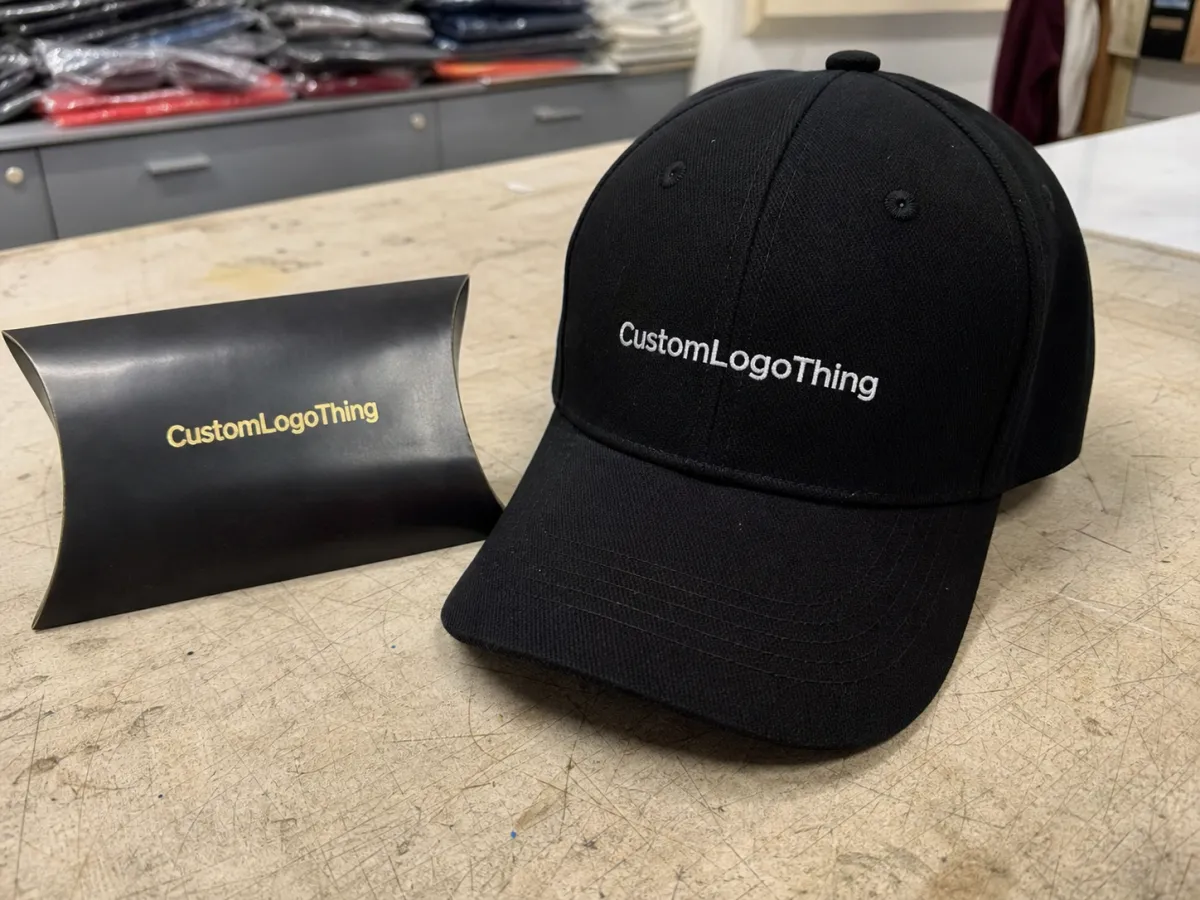
In any Private Label Caps moq guide, the first rule is simple: low price and low risk are not the same thing. The factory with the best headline number may be quoting a thinner crown, lighter fabric, weaker stitching, or a decoration method that looks good only in a flat mockup. Once the box arrives, those shortcuts show up quickly.
Low MOQs can also hide quality problems. A small run is easier for a factory to fill with whatever materials are already on hand, which can lead to color drift, mixed crown panels, inconsistent panel tension, or embroidery that puckers near the front seam. If the order has no room for inspection, those issues become customer complaints instead of factory corrections.
From a buying standpoint, the real question is sell-through, not just unit price. A cap that costs a little less but sells slowly is more expensive than a better cap that turns faster at retail. That is why the spec, the production method, and the MOQ need to be discussed together.
There is also the unglamorous cost stack that ruins margin. Sample fees. Digitizing. Plate or mold fees for patches and badges. Inland freight to the port or warehouse. Export shipping. Rework. Inspection. None of those items is dramatic on its own, but together they can turn a decent quote into a disappointing landed cost. If the supplier cannot itemize them, the comparison is already shaky.
For products that need packaging proof or shipment testing, standards from groups like the ISTA can help define what "good enough" actually means. If your hang tags, inserts, or cartons need verified sourcing, the FSC framework matters too. Not every cap order requires that level of paperwork, but the standards are useful when you want evidence instead of reassurance.
Cap styles that work best for private label retail
The strongest private label styles are the ones buyers can reorder without rebuilding the spec each season. Dad caps sell because they are easy to wear and easy to brand. Snapbacks still carry a clean streetwear look. Truckers add contrast through the mesh back. Five-panel caps give logos a flatter front. Performance caps fit better when moisture control matters more than fashion texture.
Style changes more than appearance. It changes perceived value, shelf appeal, and the chance of returns. A structured snapback supports heavier embroidery and photographs as more premium. A washed dad cap feels relaxed and casual, which works better for everyday brands than for sports-driven lines. A curved brim usually feels easier to sell in broader retail, while a flat brim can feel more niche and style-led.
Some silhouettes are also easier to produce at lower MOQ. A basic six-panel cotton twill cap with one decoration location is usually far less risky than a custom fabric mix with layered patches, contrast stitching, and a special closure. If the first run is a test, simplicity protects both cash and schedule.
The practical rule is this: choose the silhouette that matches how the product will be sold, not the one that sounds the most impressive in a quote sheet. A private label launch is not the time to load the cap with multiple decorations, three fabric options, and a custom buckle nobody asked for.
For a buyer building more than one branded product line, the logic should stay consistent. Lock the format first, then price the detail work. Caps, labels, and tags all follow that same sequence.
Materials, closures, and fit details buyers should lock down
Material choice changes the hand feel first, then the price, then the complaint rate. Cotton twill is the safest default for Private Label Caps because it is familiar, predictable in bulk, and easy to decorate. Many factories quote twill around 8 to 10 oz, which is a useful middle ground: substantial enough to hold shape, not so heavy that the cap feels stiff. Washed cotton feels softer and more broken-in. Polyester keeps color better and tends to suit sport or promo programs. Nylon is lighter and can dry faster. Mesh adds breathability, which is why truckers continue to sell.
Closures matter more than many buyers expect. Snapback is familiar and easy to size. Strapback often looks a bit cleaner. Buckle closures add polish but can raise assembly time and unit cost. Velcro is fast, though it can read as cheap unless the brand is very casual. Fitted construction gives a refined finish, but it narrows the size range and can make MOQ planning harder because fewer sizes still need to be balanced across the order.
Structure is another quiet cost driver. A structured crown holds shape and photographs well. An unstructured crown feels softer and more relaxed. Curved brims usually work better for broad retail appeal; flat brims lean more fashion-forward. Sweatband quality is one of the least dramatic details on a spec sheet and one of the most noticeable in use. If the band is too thin, too stiff, or poorly stitched, customers notice fast.
Before sampling, the buyer should lock down the details that most often create problems later:
- Fabric type and approximate weight
- Panel count and crown structure
- Brim shape and edge stitching
- Closure type and size range
- Logo placement and decoration method
- Color codes or approved Pantone references
- Label position, hang tag needs, and carton count
That checklist sounds basic because it is. Basic is useful. Basic keeps an order from drifting into a series of "close enough" decisions that cost time and money. If the buyer and factory are not aligned on fit and placement, production slows while everyone argues over a detail that should have been settled before sampling.
Private label caps MOQ, pricing, and unit cost
The simplest definition of MOQ is the smallest order a factory will run for a particular style, color, and decoration method. In a Private Label Caps moq guide, that definition matters because MOQ is rarely one number across the board. A supplier may quote one minimum for embroidered cotton caps, another for patched truckers, and a higher floor for custom packaging.
MOQ changes because production complexity changes. More embroidery colors can increase setup time. A woven patch may need tooling. A rubber or PVC badge usually needs more approval steps. Custom woven labels, printed inner tape, and branded boxes all move the minimum upward because each item adds another production step or another piece of coordination.
There is a real tradeoff here. Larger orders usually lower cost per piece, but they also raise cash risk if the design does not move. Smaller orders reduce exposure, but the unit cost tends to rise. The best first run is not the biggest one you can afford. It is the smallest one that still protects quality, repeatability, and a usable margin.
| Decoration method | Typical MOQ impact | Cost per piece effect | Best use |
|---|---|---|---|
| Flat embroidery | Lowest to moderate | Usually the lowest premium option | Simple logos, text, clean retail looks |
| Woven patch | Moderate | Higher setup, better detail | Small text, detailed logos, sharper branding |
| Leather patch | Moderate | Material and tooling fees add up | Workwear, outdoors, heritage branding |
| Rubber/PVC patch | Moderate to higher | More setup, stronger visual impact | Sport, tactical, bold brand marks |
| Printed label or heat transfer | Lower on some styles | Can reduce decoration cost, but feel varies | Simple graphics, promotional runs, tight budgets |
That table points to a useful reality: the cheapest decoration is not always the best-selling decoration. A clean embroidered cap often beats a crowded printed design because it looks more durable and tends to hold value better on shelf. Buyers who try to force complex art into a small MOQ usually spend more on revisions than they save on production.
For a first order, ask for a quote that separates sample fee, setup charges, unit price, inland freight, and export shipping. If the factory bundles everything into one number, the comparison becomes muddy. You cannot judge bulk pricing properly if you do not know what is included.
At low volumes, a simple embroidered cap often lands in the low single digits ex works, while more detailed builds with patches, washed fabric, custom labels, or special closures can move into the mid-single digits or higher. Those ranges are not fixed rules; they are a reminder that decoration and finishing details affect the final bill faster than most people expect. A clean spec usually beats a clever one.
Artwork approval, sampling, and production steps
The production flow should be boring. Boring means controlled. The sequence is usually artwork submission, mockup review, sample production, sample approval, bulk production, inspection, and packing. If the factory skips a step or the buyer keeps changing the spec, the schedule stretches and the final order weakens.
The most common delay is not the machine. It is the file. Logo art that looks fine in a website header can be useless for embroidery if the lines are too thin, the lettering is too small, or the colors are not separated cleanly. For a sample to match the idea in your head, send vector artwork, a placement sketch, and color references with real codes.
There is also the mid-sample edit that throws everything off. The buyer sees the first sample and changes the logo size, then the patch shape, then the label color. That is how a two-week sample becomes a moving target. Decide what matters before sampling starts: placement, stitch count, label type, and packaging format. Those items should be signed off before bulk production begins.
If the order includes multiple branded components, line them up in the same approval cycle. Cap, label, hang tag, carton mark. One clean approval is faster than four separate rounds of "almost right." It also helps to know how the cap will be sold: retail pack, polybag, folded insert, or master carton. Each one changes handling and cost.
Good samples are not just visually close. They should also tell you whether the cap is practical to mass-produce. A sample that looks right but uses a fragile patch adhesive, sloppy seam alignment, or an overcomplicated closure can become a production headache later. The best sample answers a bigger question than "does it look nice?" It asks whether the spec can hold up across an entire run.
Lead time checkpoints that prevent inventory misses
Lead time is where bad planning turns into regret. Sampling often takes about 7 to 14 days, depending on how much artwork cleanup is needed and whether the fabric or patch material is already in stock. Bulk production commonly runs 20 to 35 days after sample approval, though that range can stretch if the order lands during a busy season or needs custom sourcing.
Do not mix sample lead time with production lead time. They are different risks. A supplier can be quick at sampling and still slow on bulk output, especially if the decoration is complex or the color has to be matched from scratch. If you only watch the sample stage, you can miss the real delay.
Freight is another place where buyers get sloppy. Factory completion is not the same as inventory in your warehouse. If the launch depends on a retail display date, an event table, or a seasonal drop, the shipment needs a buffer. Late caps are not "late marketing." They are unusable.
A useful buffer plan looks like this:
- Add at least one extra week for approval back-and-forth.
- Add another week if you are testing a new decoration method.
- Add more if the order depends on a specific fabric color or custom closure.
- Keep freight estimates separate from production promises so nobody confuses the two.
That buffer matters because cap orders rarely fail in one dramatic moment. They usually fail in small delays that compound: a late mockup, a slow sample, one packaging revision, one missed shipping window. The order still ships, just not when the business needed it.
Quality checks that catch defects before shipment
Small cap orders can be risky because the defect rate is easier to ignore until the boxes are already on a truck. A useful quality check starts with the sample and ends with the packed carton. The buyer should not wait until the shipment arrives to inspect fit, stitch quality, or logo placement.
There are a few checks that matter more than most. Look at crown symmetry from the front and the side. Check whether the brim curves evenly. Watch for puckering near the front panels, especially on embroidered styles. Confirm that the sweatband is stitched straight and does not twist inside the cap. Compare thread color against the approved reference under daylight or neutral lighting, not just warehouse fluorescent light.
For patch work, inspect edge lift, adhesive bleed, and shape consistency. For printed logos or heat transfer, look for cracking, haze, or poor edge definition. On mesh caps, check panel tension and alignment where fabric meets the front crown. If the product includes a woven label or inner tape, make sure those details are centered and legible. These are not luxury concerns. They are the difference between a sellable cap and a return.
A buyer should also ask for carton checks before shipment. Count per carton. Size mix, if there is one. Polybag thickness. Master carton condition. Label placement on the box. If the shipment is going into retail, the outer pack matters more than many brands want to admit because damaged packaging erodes the perceived value before the cap even leaves the back room.
Factories that are serious about repeat orders usually understand this level of control already. They know that a clean first batch makes the next order easier, and a messy one creates friction. That is another reason the cheapest quote is often the most expensive mistake.
How to compare factories without chasing low quotes
Comparing factories on headline price alone is lazy, and laziness gets expensive. A better comparison starts with spec accuracy. Did the supplier repeat the material, closure, decoration, and packaging details correctly? Did they identify which choices change MOQ? Did they explain why the quote is what it is?
Response speed matters, but only to a point. Fast replies help if they are precise. A thoughtful quote is still better than a quick number that ignores the actual product. It is better to wait a day for a real estimate than to get a fake one in ten minutes.
Watch for red flags in vague quotes. Missing fabric details. No decoration method. No packaging spec. No mention of freight terms. No sample fee. If the supplier cannot explain what is included, the comparison is fiction. That is how buyers get trapped by a price that looks good until the extras appear.
A capable factory should also suggest alternatives that protect margin without quietly changing the product. They might recommend a flatter embroidery area, a simpler patch shape, or a closure that keeps the look but cuts setup cost. That is useful. Silent substitutions are not.
Trust is operational, not sentimental. A strong supplier reduces rework, keeps samples aligned with the approved spec, and makes repeat orders easier because the baseline was clear from the start. For a private label program, that matters more than a one-time discount.
Ask for documentation on what happens if the batch misses spec. Rework policy. Color variance tolerance. Replacement terms for obvious defects. A 40-page contract is not the point, but the order should have enough clarity to prevent a shrug when something goes wrong. That is especially true for caps with patches, washed finishes, or small logo details, because those are the areas where mistakes are easiest to hide until unpacking day.
What to send for a fast quote and smarter first order
If you want a quote that is actually useful, send the basics in one clean message: cap style, quantity, logo file, decoration method, target price, packaging need, and delivery city. That removes a large share of the back-and-forth. Add material preference and whether you want samples before bulk production, and the supplier can price the order with less guesswork.
Ask for a quote that separates sample cost, unit cost, freight estimate, and setup fees. If you want to test multiple colors or cap constructions, request an MOQ-by-style breakdown. That shows whether the savings are real or just a number that collapses once the split order is priced properly.
For buyers who need a tighter first run, the safest move is to keep the structure simple and use one strong logo treatment. A clean cotton twill cap with one embroidery location often outperforms a more complicated build that eats budget in setup charges and slows approval. There is nothing weak about a simple spec if it matches the brand and sells through.
Before placing the order, confirm the final spec sheet, packaging format, and production timeline. Then start with the smallest volume that still protects quality and repeatability. That is the real point of a private label caps moq guide: not to make the order bigger, but to make it smarter.
For a first run, the order should be easy to explain, easy to reproduce, and easy to inspect. If those three things are true, the MOQ is probably in the right place. If they are not, the cheapest quote is probably not the right quote.
What is a realistic private label caps MOQ for a first order?
Most first orders land in the 100 to 300 piece range per style or color, but the decoration method can push that higher. Simple embroidery usually allows lower MOQs than complex patches, special fabrics, or custom packaging. Ask whether the MOQ is per design, per color, or per size breakdown before comparing quotes.
How does private label cap pricing change with embroidery or patches?
Embroidery is usually the lowest-cost premium decoration, but stitch count and thread colors still affect price. Woven, leather, rubber, and PVC patches add setup and material cost, especially if the design has multiple colors. A cleaner design usually costs less to produce and samples faster, which matters if you are testing the market.
What is the usual lead time for private label caps?
Sampling often takes about 7 to 14 days, depending on artwork complexity and whether materials are already in stock. Bulk production commonly runs 20 to 35 days after sample approval, though busy seasons and custom fabric sourcing can stretch that. Add shipping time separately so your launch plan is based on landed inventory, not just factory completion.
Can I mix colors or styles to meet the MOQ on private label caps?
Sometimes yes, but factories usually set MOQ by style and decoration, not by total pieces across every variation. Mixing colors works best when the base cap spec stays the same and only the color changes. If you want multiple styles, ask for a split-MOQ quote so you know whether the savings are real or just noise.
What should I send to get a private label caps quote faster?
Send the cap style, target quantity, logo file, decoration method, and preferred material right away. Include packaging needs, delivery location, and whether you want samples before bulk production. The more complete the spec sheet, the fewer back-and-forth emails you need before the factory can price it properly.

