Private label caps Custom Sample Cost is rarely just the price of one hat, and that is where a lot of buyers misread the quote. A proper sample usually includes setup, decoration, labor, revision handling, and shipping, all of which help you decide whether the bulk program is worth moving forward.
From a packaging buyer's point of view, the sample is a decision tool. It tells you whether the crown sits right, whether the logo reads cleanly, whether the fabric feels right in hand, and whether the finished cap will support the kind of branded packaging or retail packaging you plan to use later.
What Private Label Caps Custom Sample Cost Actually Covers
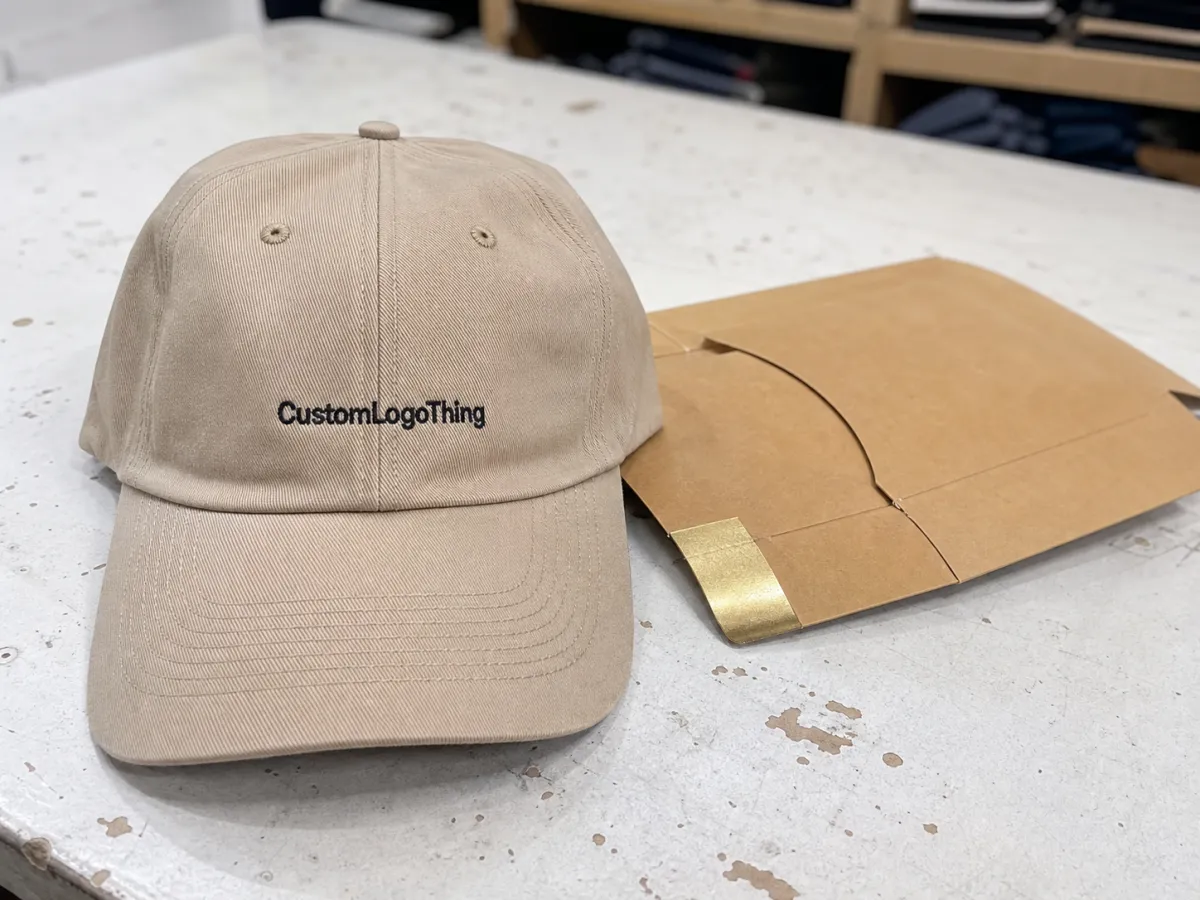
In practice, Private Label Caps custom sample cost reflects far more than a blank cap pulled from stock. A supplier may need to digitize a logo, set up embroidery, source a patch, confirm thread colors, sew a prototype, and then pack and ship a one-off unit that will never enter the saleable inventory stream. That is why a simple decorated sample might land in the $25-$65 range, while a patch-heavy or specialty build can move into the $75-$150 range, especially if new trims or tooling are involved.
I think this is the part buyers sometimes underestimate: the sample is not a sunk cost, it is a filter. If the first version exposes a bad fit, a weak front panel, or artwork that looks too small once stitched, you avoid a larger mistake later. A cheap sample that hides those problems can end up costing more in rework, lost time, and missed launch windows than a more deliberate sample quote would have cost upfront.
"A sample is cheapest when it teaches you something useful before the bulk order starts."
That is especially true for product packaging programs where the cap is only one piece of the presentation. If your caps need hang tags, size stickers, cartons, or display-ready pack-outs, the sample quote may also include those support materials. For buyers building package branding around a retail launch, that detail matters as much as the stitch line on the front panel.
Choose the Cap Platform Before Requesting Quotes
Before anyone can quote Private Label Caps custom sample cost accurately, the cap platform needs to be clear. Different silhouettes change the panel layout, the decoration area, the fit, and the amount of hands-on work needed to build the sample. A 5-panel cap does not behave like a 6-panel cap, and a foam trucker does not approve the same way a washed dad cap does.
- 5-panel caps give you a broad front panel with fewer seam interruptions, which makes them useful for larger logo placement and simple front branding.
- 6-panel caps are the most familiar construction for many buyers, with a more traditional crown shape and predictable embroidery placement.
- Trucker caps add mesh backs or side panels, so the sample must confirm panel transitions, foam or structured fronts, and closure alignment.
- Dad caps are usually unstructured and lower in profile, which changes how the front logo sits and how the cap breaks over the head.
- Snapbacks usually bring a structured front and a flat brim, which is useful when the brand wants a sharper retail look.
Some styles move faster because the factory already has standard patterns and common materials in place. A plain 6-panel cotton twill cap with a strapback closure will often be easier to approve than a garment-washed dad cap with a custom patch, contrast undervisor, and special metal buckle. That speed advantage can show up in both lead time and private label caps custom sample cost.
For a buyer thinking about packaging design, the cap platform also changes the shelf story. A structured snapback reads differently from a relaxed unstructured cap, and that difference can affect how the product is merchandised in retail packaging or photographed for a wholesale line sheet.
Spec Decisions That Change Fit, Finish, and Approval
Once the body style is settled, the spec sheet becomes the real driver of approval. The details that matter most are usually the ones buyers skim too quickly: crown height, brim shape, closure type, sweatband construction, eyelet count, undervisor color, and fabric weight. A change in any one of those can alter both the fit and the cost.
- Crown height affects how the cap sits on the head and where the front logo lands.
- Brim shape changes the retail look, from clean and flat to slightly pre-curved.
- Closure type can be snap, strap, buckle, Velcro, or elastic, and each one changes sourcing and assembly.
- Sweatband material affects comfort, moisture handling, and the feel against skin.
- Undervisor color can be matching, contrast, or branded for a more deliberate finish.
- Fabric weight changes drape and structure; many cotton twills sit around 220-280 gsm, while lighter builds can feel softer but less stable in the front panel.
Decoration method matters just as much. Flat embroidery is usually straightforward, but 3D puff raises the logo off the surface and can make thin lettering close up if the artwork is too small. Woven patches hold detail well, leather patches give a different tactile finish, and printed labels or heat-transfer marks can be a better fit for lightweight or low-profile styles. If a buyer wants consistent package branding across multiple SKUs, locking the decoration method early keeps the visual system from drifting.
Honestly, I think many quote delays come from vague specs rather than production difficulty. If the sample brief says "black cap with logo" and stops there, someone still has to decide the exact black, the panel build, the patch size, the stitch count, the brim curve, and whether the logo should read as retail-ready or promotional. Those choices should be pinned down before the first sample is cut.
Sample Cost, MOQ, and Bulk Pricing Breakpoints
Private label caps custom sample cost should always be viewed separately from MOQ, because the sample is a development step while MOQ governs production economics. The sample may carry a one-time development charge, but the bulk order is where setup gets spread across the run and the unit cost starts to fall.
| Sample path | Typical scope | Common sample fee | What it usually affects later |
|---|---|---|---|
| Standard embroidered cap | Stock body, one logo, common thread colors | $25-$65 | Fastest approval path, low setup burden |
| Patch or mixed-decoration cap | Woven, leather, or PVC patch; possible 3D puff | $45-$120 | Extra approval on patch size, edge finish, and placement |
| Custom build | New pattern elements, special fabric, custom closure, or dyed materials | $80-$200+ | Higher development burden and longer sample lead time |
For bulk pricing, the breakpoints are usually easy to see. A run of 500 caps might land around $3.20-$6.00 per unit for a common embroidered build, while 2,000 pieces can fall closer to $2.40-$4.25 if the artwork is simple and the trim package stays standard. That is not a promise, because stitch count, patch type, and pack-out all move the number, but it shows why MOQ changes the conversation.
Multiple colorways also change the math. If you want three cap colors, two logo placements, and a different closure for each style, the factory may have to split material planning and hold extra components in inventory. That pushes the development burden up and can make a smaller order look expensive on a unit cost basis. In branded packaging programs, that same logic applies to custom printed boxes and accessory kits: the more versions you ask for, the more setup gets divided across fewer pieces.
Special trim choices can add quiet cost too. Custom Woven Labels, inside seam tapes, contrast stitching, molded rubber patches, and specialty polybags all carry a little extra labor or sourcing friction. None of these items look dramatic on their own, but together they can move a quote enough to affect landed cost and resale margin.
Sample Workflow, Lead Time, and Delivery Timing
A clean sample workflow usually starts with artwork review, then a mockup, then the physical build, then approval, and finally shipment. On a straightforward order, the artwork stage may take a day or two, the sample build often takes 7-12 business days after approval, and express shipping can add another 3-5 business days depending on destination. If the design needs a new patch, custom dyeing, or several revision rounds, the timeline can stretch to 15-25 business days before the buyer even sees a finished sample.
- Artwork review checks file quality, logo size, and placement on the chosen cap body.
- Mockup approval confirms the look on screen before any material is cut.
- Physical sample build tests the actual crown, trim, and decoration method.
- Revision round handles any color, fit, or logo changes.
- Production planning turns the approved sample into the bulk run reference.
Most delays come from incomplete files, unclear Pantone targets, or late changes to labels and packaging. If the buyer has not decided whether the order ships in polybags, master cartons, or retail-ready packs, the quote can drift while those details get resolved. That is why I always recommend sending the final packaging direction with the first brief, not after the sample is already in motion.
For transit packaging, the outer carton deserves more attention than it usually gets. If the caps are moving through distribution centers, think about compression, stacking, and abrasion in the same way you would for any retail program. Resources from ISTA are helpful when you want to frame shipping performance, especially for cartons that need to survive longer distribution routes or rough handling.
"The best sample process is the one that answers the hard questions before production buys the materials."
How to Protect Quality Across Reorders
Once the sample is approved, the real job is keeping the next run aligned with it. That means the approved sample should not be treated like a disposable one-off. Save the physical sample, record the thread colors, note the exact patch size, measure the logo placement from the seam, and keep a photo set of the interior and exterior details. If the cap is for a repeated retail program, I would even keep the approved carton mark and bag spec with the sample file.
This matters because small drift is common on reorder programs. A logo that sits 3 mm higher can look off. A thread color that shifts one shade can break the line between a cap and the rest of the branded packaging system. A closure that changes from the approved sample can alter both fit and shelf appearance. The production team needs the sample as the reference point, not just the PDF.
If your program includes hang tags, size stickers, care labels, or inner inserts, keep that artwork tied to Custom Labels & Tags so the decoration and the support materials stay in step. For buyers building a bigger launch package with display cartons or gift sets, I also recommend looking at Custom Packaging Products early, because caps, tags, and outer packaging work best when they are planned together rather than patched together late in the process.
Paper-based packaging choices can also carry sourcing requirements. If the order uses hang tags, carton inserts, or paperboard sleeves, you may want to confirm whether the material should carry FSC-related sourcing language. The guidance at FSC is useful when a buyer needs a cleaner paper trail for recycled or certified fiber content.
That is where package branding becomes practical rather than decorative. The cap, the label, the carton, and even the inside bag should all tell the same story. If one piece is premium and another looks improvised, the retail presentation loses force even if the cap itself is well made.
What to Send for an Accurate First Sample Quote
A tight brief saves time, money, and back-and-forth. If you want the first private label caps custom sample cost quote to land close to the final order reality, send the following information in one message rather than piecing it out over several emails:
- Cap style such as 5-panel, 6-panel, trucker, dad cap, snapback, structured, or unstructured.
- Logo files in vector format, ideally AI, EPS, or a clean PDF.
- Decoration method such as flat embroidery, 3D puff, woven patch, leather patch, printed label, or mixed decoration.
- Color references using Pantone, fabric swatches, or clear photo references.
- Quantity target and any expected MOQ range so the factory can map the sample to the bulk run.
- Packaging needs including polybags, hang tags, size stickers, carton marks, or custom printed boxes.
- Delivery destination and deadline so freight, transit time, and handoff timing are realistic.
- Retail requirements such as label copy, barcode placement, or display-ready pack-out.
If you already have a target retail price or landed cost, include that as well. That number helps the supplier decide whether the sample should be built around a tighter trim package or a more premium finish. It also keeps the quote grounded in the actual business case instead of a theoretical best version.
My honest advice is simple: do not ask for a cap sample until the structure, decoration, and packaging direction are all clear enough to defend in a production meeting. Once those points are defined, private label caps custom sample cost becomes manageable, predictable, and much easier to compare across suppliers. That is the kind of discipline that protects product packaging margins and makes bulk forecasting far less painful.
How much does private label caps custom sample cost usually run?
For a straightforward cap on a standard body, the sample often lands around $25-$65. If the build includes patches, 3D puff, special trims, or extra revisions, the sample can move into the $75-$150 range or higher. The real driver is whether the factory can use existing materials and setup or has to create new components for the first piece.
What information is needed to quote a custom cap sample accurately?
Send the cap style, logo file, decoration method, color targets, quantity estimate, packaging needs, and destination. If you have a target retail price or landed cost, add that too. That gives the supplier enough detail to quote the sample in a way that actually reflects the final business plan.
Does MOQ affect private label caps custom sample cost?
Yes. MOQ changes how setup gets allocated, how materials are planned, and how efficiently the run can be produced. A larger MOQ usually lowers the eventual bulk unit cost, but the sample still often carries its own development fee because it is a separate planning and approval step.
How long does a private label cap sample take to produce?
Simple samples often take 7-12 business days after artwork approval, while more custom builds can take 15-25 business days or longer. Lead time depends on whether the artwork is clean, the materials are in stock, and how many revision rounds are needed before production starts.
Can one sample cover multiple colors or logo placements?
Sometimes, but each variation adds decisions and usually adds cost. If you want several options, ask for a sample plan up front so the quote reflects all of the versions you want to see. That is better than trying to stretch one sample into three different approvals after the fact.
What are the most common reasons a sample quote changes?
Artwork revisions, material swaps, added labels, and a different decoration method are the biggest reasons. Late spec changes are the fastest way to increase both private label caps custom sample cost and lead time, because each change can trigger a new mockup, new sourcing, or a fresh build.

