Private Label Caps Unit Cost Breakdown: The Margin Reality
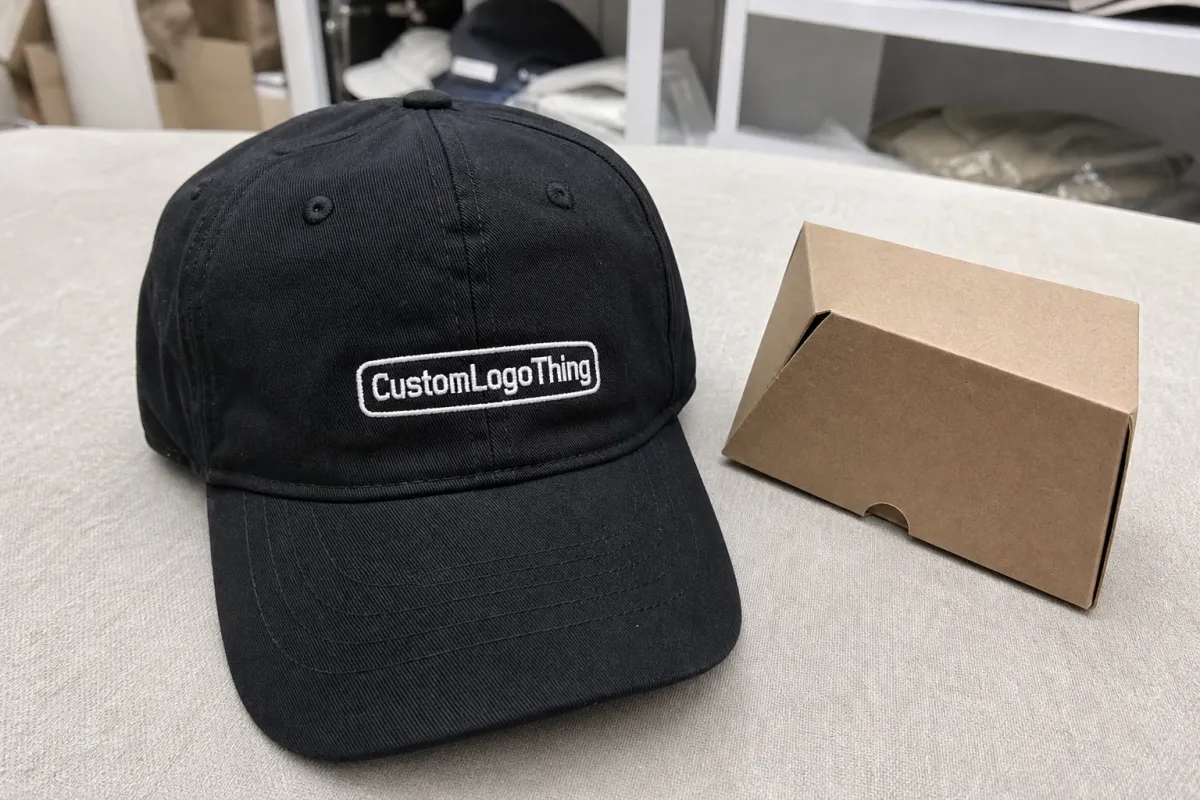
Two caps can look nearly identical in a product photo and still land at very different costs. One may arrive at $3.80 per unit before domestic handling, while another reaches $7.40 because the fabric, decoration, labeling, packing, and freight profile are not the same. A private label caps Unit Cost Breakdown explains those differences before they turn into margin surprises.
The gap is rarely caused by one dramatic line item. It usually sits inside small choices that accumulate: fabric weight, panel structure, visor stiffness, sweatband quality, embroidery density, patch tooling, inside labels, hang tags, carton count, inspection scope, and shipping mode. A low base price may be accurate, but it may not include the parts that make the cap retail-ready.
The stronger commercial question is not, “How cheap can this cap be?” It is, what unit cost supports the retail price, quality promise, reorder plan, and delivery date? A $30 retail cap can justify a cleaner sweatband, sharper embroidery, a better closure, and branded packaging. A $12 event cap usually cannot. Treating those two projects as if they need the same build wastes money in one direction or damages value in the other.
A serious quote should separate the cap body, logo application, private label elements, sampling or setup charges, quality control, inner packing, export cartons, possible duties, and freight. Without that visibility, the cheapest quote can behave like a low airline fare before baggage fees. The number is real; it is only incomplete.
Buyer reality: a low cap price is useful only when you know what has been excluded. Freight, label work, patch tooling, carton protection, and retail packing can move the cost per piece faster than most buyers expect.
Good sourcing decisions come from seeing the trade-offs clearly. You may choose a standard fabric to protect budget, remove a side logo to reduce embroidery time, use simple poly bags for a wholesale order, or pay more for air freight because the launch date is fixed. The point is not to make every cap premium. The point is to understand where the money goes.
What You Are Actually Buying
Private Label Caps are finished hats manufactured or decorated for resale under your brand. That is different from buying generic promotional caps and adding a logo near the end of the process. The distinction affects cost, lead time, consistency, and control over the finished product.
Buyers usually compare several formats. Structured baseball caps hold their front shape with buckram. Unstructured Dad Hats feel softer and more casual. Trucker caps use mesh back panels, which can lower fabric consumption while giving the cap a familiar retail profile. Snapbacks have a sharper streetwear shape. Performance caps may use polyester, nylon, moisture-wicking fabrics, lightweight panels, or perforated details. Rope caps and winter knit caps sit in separate pricing lanes because construction and decoration work differently.
The physical bill of materials is longer than many first-time buyers assume. A cap can include crown panels, visor material, sweatband, buckram or soft backing, closure, eyelets, top button, seam tape, thread, and outer fabric. Change one part and the finished cost can move, even if the product still looks like a simple black cap on a screen.
Decoration has its own economics. Flat embroidery suits clean marks and moderate stitch counts. 3D puff embroidery needs foam, thicker coverage, and careful digitizing, especially around corners and small gaps. Woven patches can reproduce fine detail efficiently once the quantity supports the setup. Leather patches add perceived value, but material quality, edge finish, and attachment method matter. Molded rubber patches often require tooling, so they usually make more sense as volume increases. Heat transfer and screen printing can work on certain performance fabrics, though the artwork has to suit the method.
Private label details are the pieces that make the product feel like it belongs to your brand: inside woven labels, printed seam tape, branded sweatbands, hang tags, barcodes, poly bags, retail cartons, and custom inserts. If the cap also needs supporting branded elements, plan them early through Custom Labels & Tags instead of treating labels as a final add-on after the cap cost has already been negotiated.
Under-specifying is the quiet risk. If a request only says “black cap with logo,” three suppliers can quote three different products while appearing to answer the same brief. One may price 260gsm cotton twill with a metal buckle. Another may price lightweight polyester with a plastic snap. Both are black caps. They are not the same commercial offer.
Cap Specifications That Change the Price
Fabric is often the first lever. Cotton twill is common and dependable. Brushed cotton feels softer. Polyester can be economical or technical, depending on the finish. Nylon works for lightweight outdoor or performance styles. Wool blends create a heavier retail feel. Mesh changes comfort, weight, and material consumption. Corduroy adds texture but can affect embroidery sharpness because the surface is not as smooth as twill. Recycled fabric may support a sustainability claim, but buyers should ask for documentation rather than accepting the word “recycled” as proof.
Structured versus unstructured construction also changes the price. Structured fronts require support material and more controlled assembly. They display better on shelves and tend to photograph well. Unstructured caps can cost less and feel more relaxed, but they may not carry a dense front logo as neatly, especially if the artwork is wide, heavy, or highly detailed.
Closures are not only functional. They shape the customer’s impression of the cap. Plastic snapbacks are cost-efficient and familiar. Metal buckles feel more refined. Hook-and-loop closures are practical for uniforms but can read less retail. Fitted sizing and flexfit bands require more size planning and better inventory discipline. Custom engraved hardware can add brand value, though the extra component cost usually needs enough volume to justify it.
Decoration cost often hides inside stitch count. A small embroidered wordmark may be economical. A large filled logo across the front panel can push machine time up quickly. Gradients, tiny lettering, oversized placements, and side embroidery add labor, digitizing complexity, and thread use. From a packaging buyer’s point of view, embroidery behaves like print coverage on a box: more area and more complexity usually mean more cost.
Patch economics deserve separate attention. Woven patches can scale well when artwork has fine lines. Leather patches can make a mid-cost cap feel more retail, but the patch material, debossing quality, border, and stitch-down method need to match the intended price point. Molded rubber patches often carry tooling costs that feel heavy at 100 pieces and more reasonable at 1,000 pieces. Ask where the break point sits before choosing the method.
Color decisions affect both speed and cost. Standard stock colors usually move faster and support lower minimums. Custom dyeing gives stronger brand control, but it can add lab dips, testing, minimum fabric quantities, and extra production time. If exact Pantone matching is required, say that before quoting. Waiting until proof approval can force a revised price or a delayed schedule.
| Specification Choice | Typical Cost Effect | Best Fit | Buyer Watchout |
|---|---|---|---|
| Stock cotton twill cap | Lower baseline cost | Promotional resale, simple merch | Less control over exact fabric weight and shade |
| Structured front panels | Moderate increase | Retail display, sharper product photos | Higher cost than soft dad-hat construction |
| 3D puff embroidery | Moderate to high increase | Bold logos, streetwear styling | Small type and thin lines may fail |
| Custom rubber patch | Tooling plus attachment cost | Outdoor, sport, youth, lifestyle caps | Tooling fees need enough volume to make sense |
| Retail-ready packing | Higher packing and freight sensitivity | Ecommerce, boutique retail, subscription boxes | Carton dimensions can raise freight cost |
Pricing, MOQ, and Unit Cost Levers
Unit cost is a volume curve, not a fixed number. One hundred caps, 500 caps, 1,000 caps, and 5,000 caps can produce very different economics because setup charges, sampling, tooling, carton handling, and freight spread across more units. That is the basic math behind bulk pricing.
A practical quote should divide costs into controllable levers: cap body, decoration method, number of logo placements, label package, packing format, inspection scope, and shipping method. If those pieces are bundled into one number, you lose the ability to make intelligent trade-offs.
MOQ varies by production path. Stock cap decoration can often start at lower quantities because the cap body already exists. Fully custom manufacturing, custom fabric, special dyeing, branded hardware, and molded patches usually require higher minimums. A common buyer mistake is asking for custom everything at a test-order volume. The production math will push back, either through a higher unit cost or a minimum quantity that feels larger than expected.
Retail math should drive the decision. A brand selling a $30 cap may be comfortable with a $6.50 to $9.00 landed cost if the product supports the margin model. A company building a $12 event cap may need a landed cost closer to $2.80 to $4.50. Those are broad working ranges, not promises, because fabric, decoration, packing, freight, and order size can move the number quickly.
Cheapest is not always cheaper. Shaving $0.18 from a sweatband can create fit complaints. Dropping carton protection can crush crowns in transit. Reducing stitch density too far can make a logo look thin. Returns, bad reviews, and weak reorder performance can erase the savings from a lower cost per piece.
Use this checklist before asking for pricing:
- Target quantity and likely reorder quantity, such as 250 now and 1,000 later.
- Cap style, including structured, unstructured, trucker, snapback, performance, rope, or knit.
- Fabric preference, color target, and any recycled or certification requirement.
- Logo file, decoration method, stitch or patch expectations, and number of placements.
- Inside label, hang tag, barcode, poly bag, carton, and retail packaging needs.
- Destination, required delivery date, and preferred shipping mode.
For sustainability-led programs, separate material claims from packaging claims. The Forest Stewardship Council is relevant for paper-based hang tags, inserts, and cartons, while recycled fabric claims need their own evidence. A recycled polyester cap and an FSC paper hang tag may support the same brand story, but they are verified through different documentation.
Production Steps and Timeline
The process has a sequence: specification review, artwork check, quote, sample or digital proof, buyer approval, production, quality inspection, packing, shipping, and delivery. Skip a step and risk does not disappear; it simply moves to a later point, where mistakes cost more to correct.
Timing depends less on the word “cap” and more on the amount of customization. Stock decorated caps are faster because the cap body is already available. Custom panel construction, special fabric, custom dyeing, new patch tooling, printed seam tape, and retail packaging all add decisions, approvals, and checks.
A simple stock decoration order can sometimes run around 10 to 15 business days after proof approval, depending on capacity and order size. Fully custom cap programs often need several additional weeks, especially if physical samples, material approvals, or patch tooling are involved. Air freight may save transit time, but it can raise landed cost sharply. Ocean freight lowers freight per unit on larger orders, yet it requires earlier planning and more tolerance in the schedule.
Proofing prevents expensive mistakes. Embroidery digitizing turns artwork into stitch instructions. Patch mockups define size, border, backing, and attachment. Label layouts confirm care text, brand marks, country-of-origin language if needed, and placement. A cost breakdown becomes more reliable once these details are approved because the supplier is no longer pricing a moving target.
Physical samples add time, but they also reduce risk. Retail launches, influencer merchandise, subscription drops, and multi-location uniform programs often benefit from a sample because fit, crown shape, visor curve, and logo texture are difficult to judge from a flat mockup. Digital proofs are efficient. They are not a full substitute for touching the cap when the order carries brand risk.
Common delay points are predictable: late artwork, missing vector files, unclear Pantone references, logo changes after proofing, undecided packaging, peak-season capacity, and slow freight approvals. The fastest buyers are often the ones who approve the cap body, logo method, label plan, and packing format before negotiating the final cents.
Quality Checks That Protect Landed Cost
Quality control is cost control. A rejected shipment, poor fit, crooked embroidery, weak closure, or crushed carton can wipe out the savings from a bargain quote. One bad cap in a product photograph can travel farther than 500 good caps sitting correctly in boxes.
Inspection should cover crown shape, visor curve, seam symmetry, embroidery alignment, thread trimming, patch adhesion, inside label placement, color consistency, closure function, and packing condition. These are not minor cosmetic details. They affect sell-through, reviews, and reorder confidence.
Fit deserves more attention than it usually receives. Caps are wearable packaging for a brand. Discomfort is noticed faster than a printing flaw on a carton. A stiff sweatband, shallow crown, weak elastic band, or poorly placed seam can turn a good-looking cap into dead inventory.
Logo fidelity is another risk zone. Small typography, thin lines, gradients, and complex marks may need artwork simplification. Flat embroidery may not reproduce a fine gradient. A woven patch might. A rubber patch can look strong, but very small lettering may fill in during molding. Honest decoration advice saves money before production starts, not after cartons arrive.
Packing protects the product you paid to create. Crushed crowns, moisture exposure, and loose carton packing can make good caps look defective on arrival. The International Safe Transit Association publishes packaged-product testing resources at ista.org, and the principle applies here: transit is part of the product experience.
Documented approvals protect repeat orders. Keep proof files, approved thread colors, patch dimensions, label specs, carton packing notes, and inspection photos. Reorder consistency depends on records, not memory.
Planning a Private Label Cap Program
Cap sourcing works best when the product specification and commercial goal are developed together. A campus giveaway, a boutique merch capsule, a recurring staff uniform program, and an ecommerce retail drop have different economics. The right private label caps Unit Cost Breakdown should make those differences visible rather than forcing every project through the same template.
A startup merchandise drop may need lower risk, a stock cap body, a clean front logo, and simple branded labels. A corporate uniform program may prioritize repeatable fit, durable closures, and predictable reorder timing. A retail capsule may need hang tags, barcodes, branded packing, and a finish that feels credible at the shelf price. Event merchandise may be driven by deadline more than customization depth. Team gear may require multiple colorways, which can raise complexity even when the base cap is simple.
The quote should show what is driving the cost. If the cap body is the main driver, that should be clear. If decoration is pushing the price up, the buyer should see whether the issue is stitch count, number of placements, patch tooling, or application labor. If molded patch tooling makes the first run expensive but lowers the economics of a reorder, that should be part of the decision.
Artwork and production support reduce preventable errors. Logo file review, embroidery guidance, patch recommendations, sample coordination, and label planning all protect the final unit cost. If the program needs inside tags, hang tags, or barcode-ready retail elements, coordinate those through Custom Labels & Tags while the cap specification is still open.
A generic quote can look clean, but sometimes that simplicity hides substitutions: lighter fabric, lower stitch density, a different closure, thinner packing, or missing label work. Specification discipline is not paperwork for its own sake. It is how buyers keep fit, durability, perceived value, and landed cost aligned.
Before You Request a Quote
Start with the cap’s job. Is it promotional, premium, athletic, heritage, fashion-led, or uniform-grade? A product meant for resale at $28 needs a different build than a cap handed out at a one-day event. Define that before chasing supplier prices.
Set a target retail or resale price, then work backward. If the planned retail price is $25 and the sales channel requires a strong margin, the cap specification has to fit that math. If the cap is bundled inside a subscription box, the target cost may be tighter because the cap is only one part of the total packed offer.
Gather the basics before quoting: logo files, desired quantity, cap color, decoration preference, label requirements, packaging needs, delivery location, and deadline. A complete request saves days because the supplier is not asking basic follow-up questions one at a time.
Ask for two versions when the budget allows it: a value-engineered option and a premium option. The value option may use a stock cap, flat embroidery, a standard inside label, and a simple poly bag. The premium option may use structured construction, a woven or leather patch, printed seam tape, a branded sweatband, a hang tag, and retail-ready packing. Decision-makers compare real trade-offs faster than vague quality tiers.
Flag non-negotiables early. Exact brand colors, recycled materials, a specific closure type, retail packaging, rush delivery, barcode labeling, or a strict budget ceiling can change the production route. These details are not small after the quote is built.
Most buyers should request landed-cost thinking, not just factory unit pricing. Freight, carton size, packing density, inspection, and delivery destination can change the real economics of a cap order. Use the cost breakdown as the working document for quote review, approvals, and reorder planning.
FAQ
What is included in a private label caps cost breakdown?
A useful breakdown separates the cap body, decoration, private labels, packaging, sampling or setup charges, quality control, freight, and any tooling fees or custom material charges. Ask whether the quoted price is factory cost, delivered cost, or landed cost so supplier comparisons are accurate.
How does MOQ affect private label cap unit cost?
Higher quantities usually reduce unit cost because fixed setup, proofing, tooling, and freight are spread across more caps. Stock cap decoration may support lower MOQs, while fully custom construction, custom dyeing, branded hardware, or molded patches usually require higher minimums.
Which decoration method is most cost-effective for private label caps?
Flat embroidery is often efficient for clean logos and moderate quantities. Woven patches can be cost-effective for detailed artwork at scale. 3D puff embroidery, leather patches, rubber patches, and multiple logo placements can raise the cost per piece, though they may also increase perceived retail value.
How long does private label cap production usually take?
Stock decorated caps are typically faster than fully custom caps, but timing depends on artwork approval, sample needs, material availability, order size, inspection, and shipping method. Complete specifications, approved logo files, and quick proof approval support the fastest schedules.
How can I lower private label cap pricing without hurting quality?
Simplify logo placement, choose a standard fabric, use stock colors, avoid unnecessary custom hardware, and increase quantity when reorder demand is predictable. Be careful with fit, stitching, closure strength, and packing because defects and returns can cost more than the savings.