Private Label Retail merch caps Supplier: Buy Smarter
Buying from a private label Retail Merch Caps supplier is not the same as ordering a blank hat and adding a logo. A cap can look perfect in a mockup and still disappoint once it is packed, shipped, and handled in store. If the crown caves, the visor feels cheap, or the logo placement shifts after the panel curves, the product reads as a compromise no matter how good the artwork was.
That is why experienced buyers treat cap sourcing like a product development project, not a decoration task. The work starts with fit, structure, fabric, and pack-out requirements, then moves into labeling, shipping, and reorder control. A good supplier is expected to coordinate all of that without turning the process into a guessing game.
What a private label retail merch caps supplier actually handles
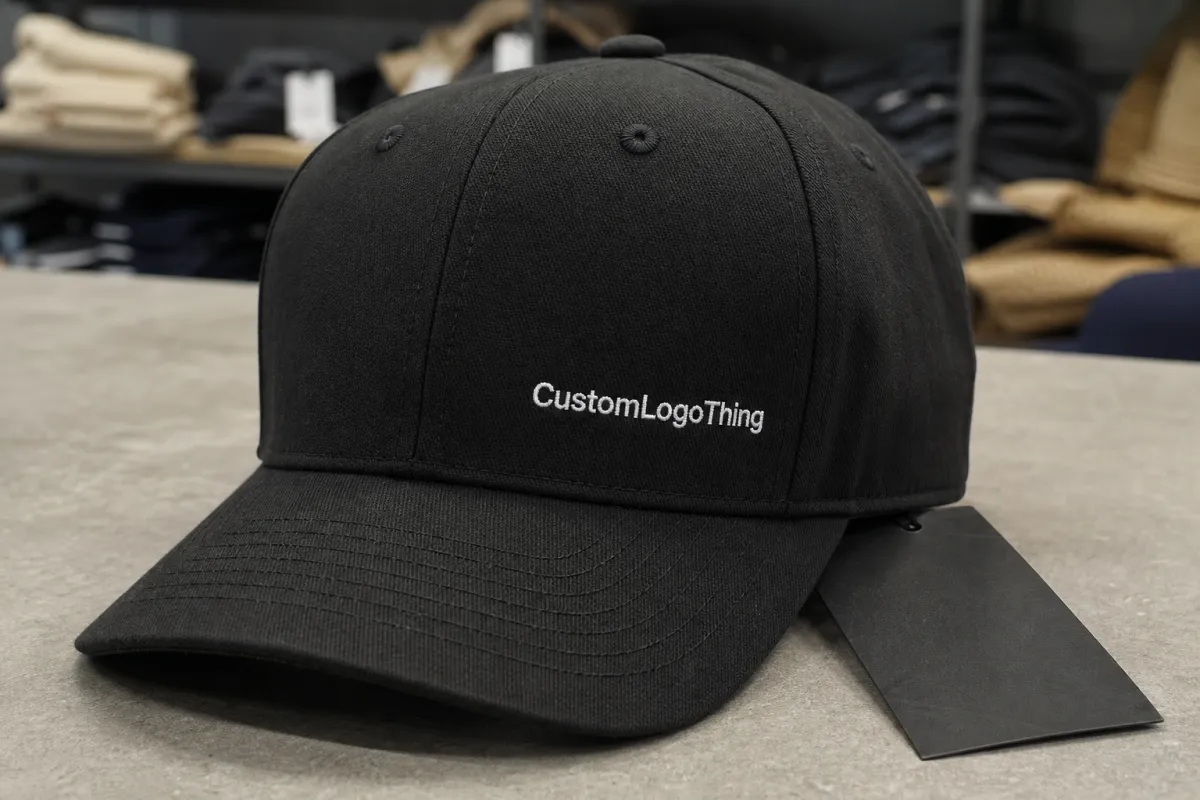
A private label Retail merch caps supplier manages more than decoration. The job usually includes fabric sourcing, panel construction, visor build, closure selection, logo application, inside labeling, and Packaging for Retail handling. When one of those details is weak, the entire product feels less finished, even if the embroidery itself is clean.
The difference between private label and a stock blank is control. A stock cap can be fine for a fast promotion, but private label caps are built around a buyer’s spec. That may mean a structured six-panel cap with a mid crown, a softer five-panel silhouette, a low-profile dad cap, or a mesh-back trucker with a different handfeel and closure. It may also mean a woven label inside the sweatband, a custom taping detail, or a specific under-visor color that matches the brand system.
Retail buyers also have to think beyond the cap itself. If the order needs barcode stickers, size stickers, swing tags, folded polybags, or carton labeling, those items should be locked early. Reworking packaging after sample approval slows production and often changes the landed cost more than the decoration does. For buyers who want the labels and tags to match the cap program, it helps to source them together through a coordinated spec rather than treating them as separate jobs.
Repeatability is the part that separates a competent supplier from a risky one. The first run may look good, but if the second run comes back in a different shade, with a slightly stiffer visor, or with a closure that sits differently, the assortment loses consistency. Retail programs depend on the second order looking like the first order.
A cap sample should answer three questions: does it fit well, does the decoration sit cleanly, and can the same result be repeated without surprises?
The strongest suppliers are precise about the limits of the process. They can explain where exact color matching is realistic, where fabric texture will affect the final look, and which decoration methods hold up best on a curved front panel. That kind of clarity is more useful than broad promises.
How the cap sourcing workflow moves from brief to approved sample
The cleanest cap programs begin with a brief that leaves very little open to interpretation. The supplier needs to know the silhouette, fabric, color target, logo method, label requirements, packaging format, quantity, and delivery window. If those pieces are vague, sample rounds multiply. If they are specific, the first sample has a much better chance of being usable.
- Buyer brief: style, artwork, quantity, target cost, and delivery window.
- Style selection: structured or unstructured, six-panel or five-panel, curved or flat visor.
- Artwork review: logo size, stitch count, placement, thread colors, or patch artwork.
- Material confirmation: fabric, closure, sweatband, liner, and trim details.
- Sample build: prototype or pre-production sample.
- Revisions: fit, color, logo scale, or packaging adjustments.
- Final approval: sign-off before bulk production starts.
The first sample is usually where assumptions get corrected. A logo that looks balanced in flat artwork may feel too wide once the fabric curves over the crown. A patch can look sharp on a screen and still appear busy on a textured twill front. A crown that sounds moderate on paper can rise higher than expected once the internal structure is inserted. The sample is not only a visual check; it is a check on proportion, comfort, and shape retention.
Internal sign-off matters more than many teams want to admit. Sales may want a bolder logo, merchandising may want a cleaner shelf profile, marketing may prefer a softer colorway, and operations may be focused on carton counts and ship dates. If those views are not aligned before bulk production starts, the project can stall at the most expensive point in the timeline.
Communication speed matters too. A delayed approval can push the order into the next production queue, which is often where the schedule starts to slip. For retail launches, that delay can be more costly than a small price difference between suppliers.
Cost, pricing, and MOQ tradeoffs that shape the quote
A cap quote usually combines several moving parts. The base cap body, decoration method, labels, packaging, sample cost, freight, and setup charges all affect the final number. Embroidery may require digitizing. A woven patch can add setup and attachment labor. Specialty finishes, such as a washed fabric effect or a more complex closure, can move the price before shipping is even considered.
MOQ, or minimum order quantity, has a direct impact on unit cost. Lower quantities usually cost more per cap because setup and sourcing overhead are spread across fewer units. That does not make small runs a bad decision; it just means they should be priced with clear expectations. A 300-piece drop may be right for a limited release, while a 3,000-piece order usually makes more sense for a retail line that needs stronger margin.
| Order size | Typical unit range | What drives the price | Best use |
|---|---|---|---|
| 200-499 pcs | $3.75-$6.50 | Setup spread across fewer units, more labor per piece | Testing a design or a limited brand drop |
| 500-1,999 pcs | $2.20-$4.50 | Better sourcing efficiency, more flexible decoration options | Most retail merch programs |
| 2,000+ pcs | $1.60-$3.25 | Lower per-unit overhead, stronger material efficiency | Repeat assortments and broader retail distribution |
Those numbers are ballpark figures. A cotton twill cap with flat embroidery is not priced the same way as a structured cap with a woven patch, branded inner taping, and retail-ready polybagging. Freight, customs duty, carton labeling, and additional approval rounds can change the true landed cost faster than a few cents on the base unit.
The cleanest way to compare quotes is to force them into the same shape. Match the cap body, decoration method, logo size, packaging, quantity, and delivery terms before deciding which price is best. If one quote includes better structure, labeling, and pack-out while another omits those details, the lower number may be a false economy. For programs that need eco-aware paper components, it is also reasonable to ask for FSC-aligned cartons or hang tags so the packaging spec matches the rest of the order.
Production timeline and lead time: what actually takes the longest
Many buyers assume sewing is the slow part. Usually it is not. Delays tend to appear earlier, in artwork approval, fabric confirmation, accessory sourcing, and queue placement. A private label cap order passes through sample development, revision, bulk production, quality checks, and transit, and each stage can expand if decisions are still moving.
For a first-time program, a realistic schedule often looks like this: about 5-10 business days for sample development after artwork and materials are confirmed, 10-20 business days for bulk production, and then transit time based on shipping method. Repeat orders can move faster if the approved spec, thread colors, patch files, and label details are already on file. A reorder with no changes may skip an entire sample round.
Shipping choice changes the calendar in a major way. Air freight helps protect a launch date, but it raises landed cost quickly. Ocean freight usually lowers transport cost, though it adds schedule risk and more handling. If cartons are traveling a long distance or are likely to be stacked heavily, it is worth asking about carton strength, moisture protection, and transit testing aligned with ISTA guidance. A cap can survive excellent sewing and still arrive as a weak retail item if the packaging fails first.
One useful planning habit is to set an internal approval deadline before the supplier’s production slot opens. That gives design, sales, and operations a hard stop for revisions. Without that deadline, one more artwork change can push the order into the next queue, and the schedule penalty is often larger than the change itself.
For brands that sell through wholesale or store programs, timing is part of margin protection. Expedited freight can erase the savings from a better unit price. That is one reason the better suppliers talk about the full path, not just the quote line.
Specs that separate a cheap cap from a retail-ready one
Two caps can both be labeled custom, but only one will feel ready for retail. The difference is in the specs. Panel count, crown height, visor curve, buckram stiffness, fabric weight, closure type, and stitch finish all affect how the product looks in the hand and on the shelf. A structured six-panel cap with a firm front panel behaves differently from a soft five-panel cap, even when the logo is identical.
Fabric choice matters more than many first-time buyers expect. Cotton twill around 240-280 gsm usually gives a more substantial retail feel than very light fabric, while brushed cotton can soften the look. Polyester blends can improve durability and dry time, but they also change the surface behavior under embroidery. Mesh backs, foam fronts, and washed finishes each produce a different silhouette and price point.
Comfort is part of quality control, not an afterthought. Buyers should ask about sweatband material, seam finish, inner taping, and closure behavior. A rough sweatband or a weak adjustment strap may not show in a product photo, but customers notice it during wear. Retail-ready means wearable, not just photogenic.
Color control deserves careful attention. Thread shade, patch tone, body fabric, and visor underside can drift enough to make the cap feel off. A good supplier will ask for Pantone targets or physical references and will say where exact matching is realistic and where it is not. That honesty is useful. Not every material accepts dye and thread in the same way, and matte fabrics read differently from glossy ones under store lighting.
- Structure: buckram, crown height, and panel support shape the silhouette.
- Decoration: embroidery, woven patch, printed patch, or applique changes the finish.
- Wear details: sweatband, closure, and seam finish affect comfort and fit.
- Retail presentation: labels, swing tags, and folding method shape shelf presence.
Packaging and Labeling should be specified before sampling, not after. If the cap will be displayed stacked, pegged, or folded in a tray, the supplier needs that information early. Retail buyers who want a cleaner inside finish can pair the order with custom labels and tags, especially when the brand story depends on a polished first impression as much as the outer design.
The best spec is rarely the most expensive one. It is the one that balances look, feel, and repeatability. A lighter fabric with better structure can outperform a heavier fabric that slouches. A smaller logo can sell better than a larger one that overwhelms the crown. That kind of tradeoff is where experienced buyers usually earn their margin.
Common mistakes when ordering private label caps
The most common mistake is approving from a digital mockup alone. A mockup hides scale, texture, stitch density, and the way fabric bends across the front panel. A logo that looks balanced on a screen may become too wide once the cap is built. Physical samples take longer, but they reduce the odds of a costly surprise.
Fit and shape are often underestimated too. The same style can wear very differently depending on structure, closure, and panel count. A buyer may want a relaxed streetwear profile and accidentally approve a body that sits too high or too rigid for the intended audience. That is not a decoration issue; it is a product-positioning issue.
Another trap is comparing only unit price. A quote can look attractive until sample fees, freight, duty, packaging, and extra approval rounds are added. At that point the low number is no longer low. The cheapest line on paper can become the most expensive order to receive.
Late artwork changes are another budget problem. Changing logo size, thread colors, patch shape, or label position after sample approval often means another sample round and a production delay. If the order is already inside the shipping window, the change can force expedited freight. That is an expensive way to learn that fast approvals matter.
Reorder planning is where many programs drift. The first run may be fine, but if exact specs, color references, and pack-out instructions are not preserved, the second run can lose consistency. Shade lots, closure substitutions, and packaging changes creep in when a repeat order is treated like a new concept instead of an approved product. Private label only stays private label if the second order still looks like the first.
Expert tips and next steps for a cleaner first order
The most useful starting point is a one-page cap spec. It does not need to be fancy. It should list the style, fabric, color reference, decoration method, logo file, label needs, packaging, quantity, target cost, and delivery date. A good spec cuts quoting time and gives the supplier less room to improvise.
Ask for physical swatches or a pre-production sample when the cap is tied to a retail launch. Swatches help with color and handfeel. A pre-production sample is better when the decoration is complex, because it shows stitch quality, logo placement, and structure in one piece. If the sample misses the target, feedback should be specific: too tall, too stiff, logo too small, patch too high, visor too flat. Vague comments rarely improve the next round.
It also helps to compare three quote scenarios rather than one:
- Lowest cost: useful for testing a design or protecting margin.
- Best balanced value: often the right choice for retail-ready caps.
- Fastest turnaround: useful when the launch date matters more than unit price.
That comparison usually makes the decision clearer, because the tradeoff becomes visible instead of theoretical. For a broader assortment, the same discipline should be applied to labels, tags, and packaging so the cap does not feel disconnected from the rest of the line.
Before the shipment leaves, run a first-carton QC check: logo placement, color consistency, closure function, seam finish, packaging count, and carton label accuracy. If the order is packed for retail, verify the fold and presentation on a few pieces from different cartons. One hour of checking can prevent days of damage control later.
The practical path is straightforward: build a complete spec, request a like-for-like quote, approve the sample with clear notes, and archive the approved details for reorder use. That is the easiest way to work with a private label Retail Merch Caps supplier and the most reliable way to keep the next run faster, cleaner, and easier to manage.
What MOQ should I expect from a private label retail merch caps supplier?
MOQ depends on the cap body, decoration method, and whether the supplier is sourcing standard materials or custom components. Many custom cap programs start in the low hundreds, while more specialized specs can raise the minimum. Ask whether the MOQ applies per color, per design, or per decoration method so the assortment plan is accurate.
How do I compare quotes from different cap suppliers?
Compare the same cap body, same decoration size, same label package, same quantity, and same delivery terms before judging price. Then add the sample cost, setup charges, packaging, freight, and any rush charges. A lower quote only matters if the supplier is quoting the same spec and can hold the same quality level.
What is the usual lead time for a private label cap order?
Lead time changes with sample needs, material sourcing, decoration complexity, and shipping method. First-time projects usually take longer because artwork and fit need approval, while repeat orders often move faster if the approved spec is already on file. Ask for a production calendar that separates sample approval, bulk production, and transit.
Which cap style is best for retail merch?
The best style depends on brand look, audience, and price point. Structured six-panel caps are common for retail because they hold shape well, but trucker, dad cap, and five-panel styles each create a different fit and shelf presence. A physical sample is the safest way to judge the final result.
What should be in my spec before requesting a quote?
Include cap style, fabric, color reference, decoration method, logo file, quantity, packaging needs, and target delivery date. Add retail details like barcode labels, hang tags, size markings, or individual polybags if they matter to the program. The clearer the spec, the faster the supplier can quote and the fewer surprises will show up later.


