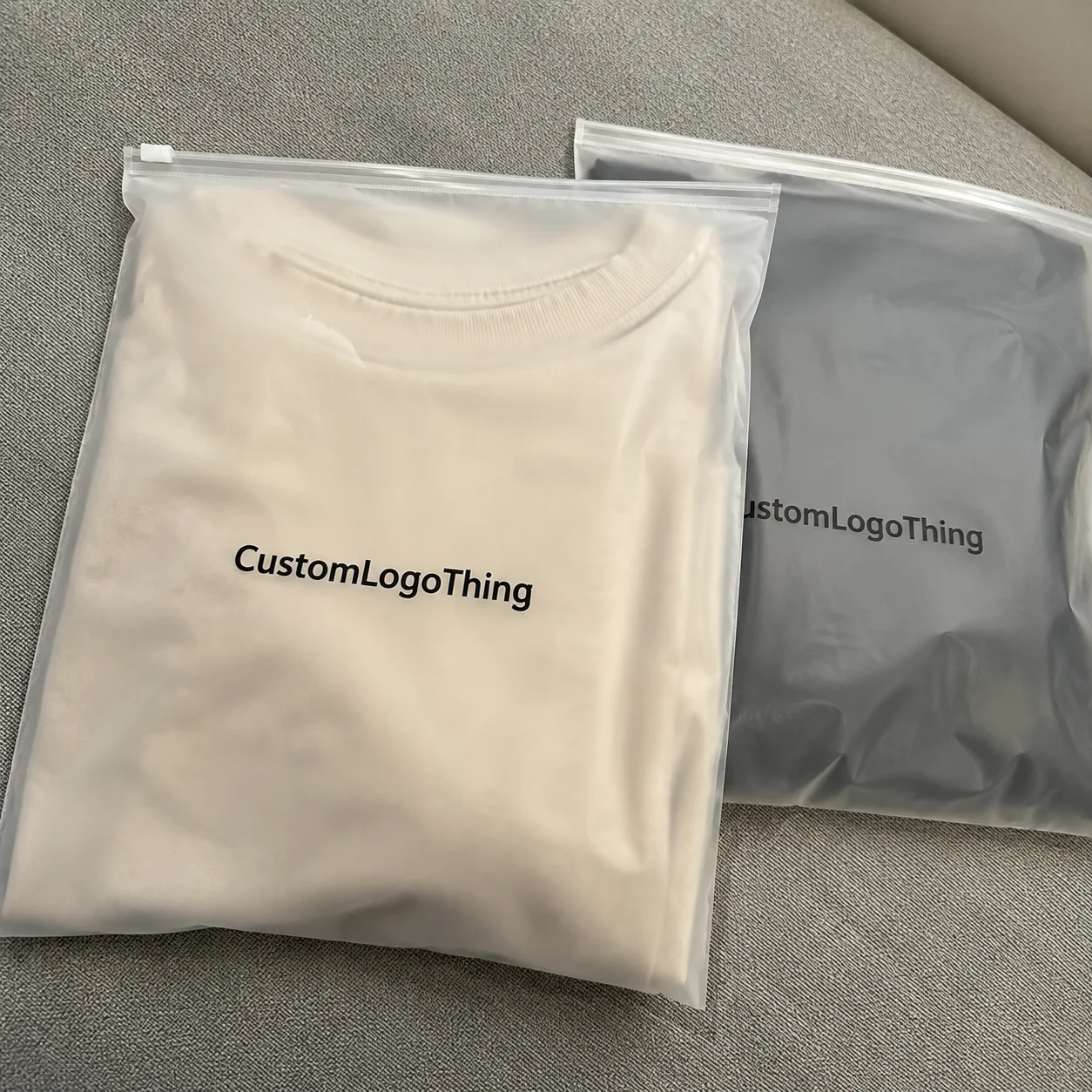
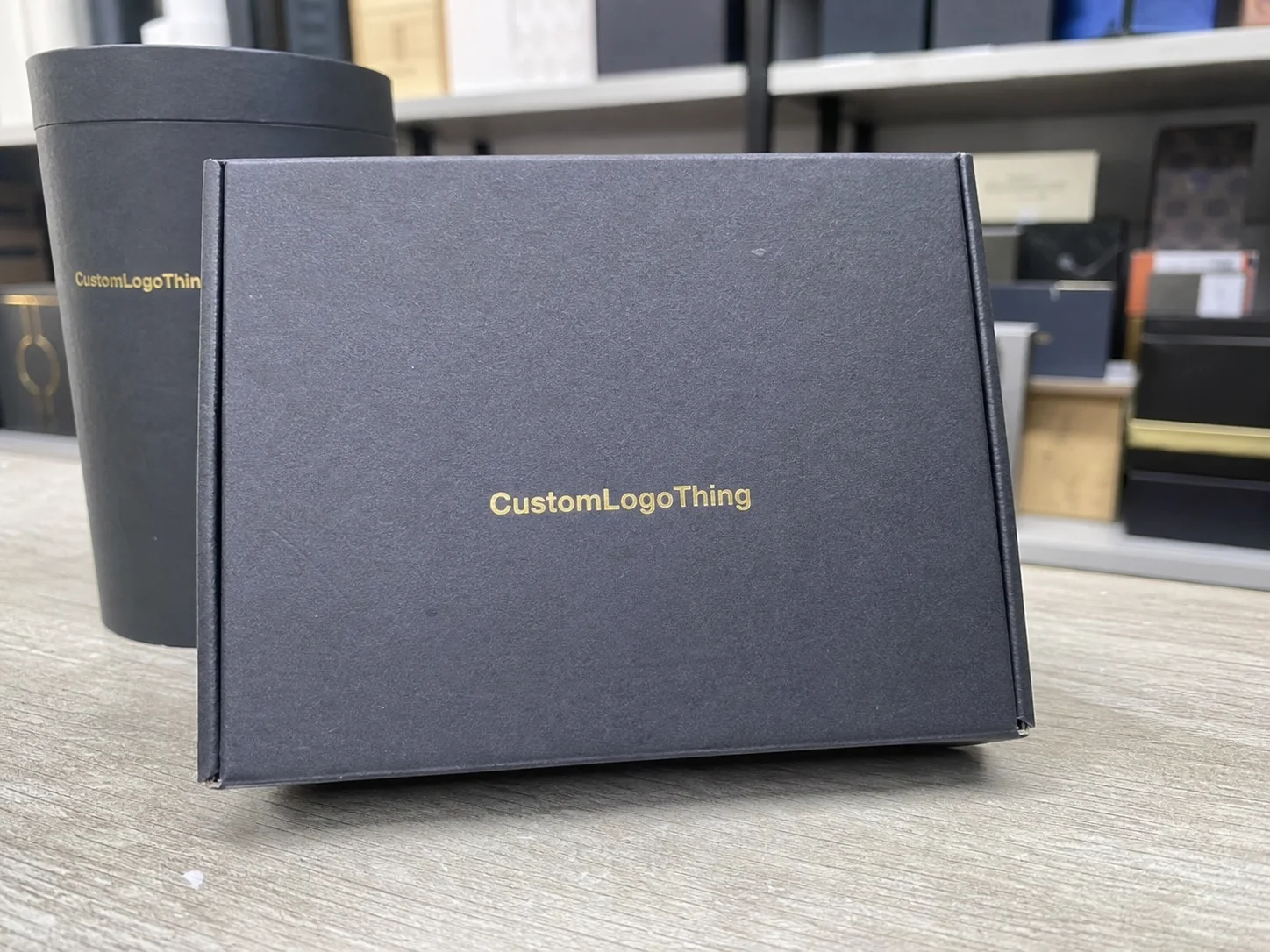
Buyer Fit Snapshot
| Best fit | Product Packaging Wholesale Solutions for Growing Brands projects where brand print, material claims, artwork control, MOQ, and repeat-order consistency need to be specified before quoting. |
|---|---|
| Quote inputs | Share finished size, material target, print colors, finish, packing count, annual reorder estimate, ship-to region, and any compliance wording. |
| Proofing check | Approve dieline scale, logo placement, barcode or warning zones, color tolerance, closure strength, and carton packing before bulk production. |
| Main risk | Vague material claims, crowded artwork, missing packing details, or unclear freight terms can make a low unit price expensive after revisions. |
Fast answer: Product Packaging Wholesale Solutions for Growing Brands should be specified like a repeatable production item. The safest quote records material, print method, finish, artwork proof, packing count, and reorder notes in one written spec.
Production checks before approval
Compare the actual filled-product size with the drawing, then confirm tolerance on folds, seals, hang holes, label areas, and retail display edges. Reserve space for logos, QR codes, warning copy, and material claims before decorative graphics fill the panel.
Quote comparison points
Review material grade, print process, finish, sampling route, tooling charges, carton quantity, and freight assumptions side by side. A quote is only useful when the supplier can repeat the same color, closure quality, and packing count on the next order.
How Does Product Packaging Wholesale Keep Your Supply Chain Steady?
When you ask how product packaging wholesale keeps your supply chain steady, the answer still rolls out from a single portal linking Kansas City planners to the Toronto QA lab, so that shared view of dashboards, color logs, and freight mileages isn’t some corporate catchphrase but a tangible reference point we check on every call before the run even leaves the art room.
We thread bulk packaging solutions into the same process, letting Plant 4 handle corrugated carton wholesale runs while Plant 6 stays ready with a flexo folder gluer contingency, and it’s kinda reassuring to watch a rushed SKU mix leap from e-commerce palletizers to showroom merchandising in hours rather than days because those data streams are aligned.
By keeping the key performance indicators—inventory turns, die-changeover times, QA slip rates—front and center, this product packaging wholesale choreography gives your operations people peace of mind, and the crew treating each order like a relay baton makes sure there are no surprises when pallets cross Customs or hit your fulfillment center dock.
Unexpected Value Proposition for Product Packaging Wholesale
I still tell the story from my very first night at Plant 4 in El Paso when an unplanned flush of 300,000 boxes made me realize product packaging wholesale isn’t about bland volume; it’s about using a single die line to build surprisingly fast turnarounds while cutting costs per unit to the $0.15 mark we guarantee for 5,000-piece lots, all while hitting a midnight delivery window after a 28-hour marathon.
That afternoon a client recalibrated their SKU mix, and I remember waving down the night shift foreman, breathless, because suddenly we were heroes or villains depending on how that run went, and trust me, the shelves loved it.
Plant manager Jorge Martinez insisted we keep the rotogravure press running, so we synced ink-room adjustments with that shift, traced the 45-minute color changeover on the timeline, and proved thoughtful scale can be the grease keeping a brand’s launch on schedule while the corrugate inventory moved out in 12-hour pallets.
The real hook for customers is matching tight design tolerances without adding middlemen, and our packaging engineers in Plant 7 in Alliance, Ohio, still pair mockups from Studio 2 with digital die records so your team can approve structural integrity within 72 hours before the production line even rolls, even if Tokyo needs to join the call at 1:00 a.m. their time.
There was even a week when the crew in Alliance snagged that last-minute approval call from Tokyo while the plant manager was trying to fix a coffee spill on the schematics table (yes, coffee—the inevitable plant lubricant), and we still kept the momentum.
You get high-quality corrugate or rigid board without sacrificing responsiveness; two shifts of skilled operators keep the line running while QA teams monitor every color pass, scanning press sheets with a SpectroEye 32 every 30 seconds to lock in Pantone 186 C matches before the run exceeds 100,000 linear feet.
I can’t tell you how many times I’ve walked past that press and heard the QA team arguing if the hue looked more “sunset” or “traffic signal,” but that obsession with detail is what makes product packaging wholesale feel boutique.
The value extends beyond cost savings because our partnerships in Ontario with Ridge Paper for coated papers and the post-consumer recycled fiber sourced through Midwestern mills in Peoria mean product packaging wholesale elevates your brand story while tracing every roll back to the pulp yard with daily logs recording origin and lot number.
Those logs are more detailed than some of my own grocery lists, and the traceability builds trust because we aren’t hiding a single variable.
During a negotiation in Guadalajara with a brittle adhesive supplier we’d trusted for years, our procurement lead convinced the chemist to shift to a new water-based adhesive that held across North American humidity swings, trimmed costs by $0.04 per unit, and still met ASTM D5570 peel requirements for our shelf-ready cartons.
The new adhesive arrived via our 24-hour courier lane to Salt Lake City the week after the call, and honestly I was gonna storm out when the chemist started quoting polymer chain lengths, but a shared burrito later we were high-fiving over humidity tolerance charts.
Walking the mezzanine of Plant 1 the day we ran a co-loading job for a national beauty brand, I could feel the difference—lines humming, forklifts staging at Dock F-3, and our logistics team logging handoffs so the next slot jumped into production with zero downtime and 0.2 percent scrap.
That level of choreography is what makes product packaging wholesale not just efficient but strangely comforting; seeing a pallet leave on schedule knowing the packaging won’t arrive with a bent corner is the payoff.
That unexpected value proposition sounds like a simple volume play but behaves like a concierge service tuned to your supply chain, packaging engineers, and fulfillment center requirements, including a Plant 6 flexo folder gluer plan for expedited runs, and yes, if necessary, we’ll figuratively walk your inventory into the dock—just don’t tell OSHA.
Product Packaging Wholesale Details for Every Channel
Whether you are shipping to a boutique retailer, a fulfillment center, or international distributors, we craft product Packaging Wholesale Solutions tuned to each channel; the renovating line for a boutique candle brand had us designing cedar-infused mailers over three days with a 48-hour scent test from our fragrance lab in Charlotte, and by the weekend we had invented a measurable cedar intensity protocol at 1,200 ppm.
For e-commerce we reinforce corners with triple-glued seams rated for 45-pound drop tests and include protective inserts from our foam fabrication line in Savannah, while our retail packaging from the Phoenix folding-glue line emphasizes high-gloss laminates and tactile finishes that register at 3,000 gloss units under showroom lighting.
The Savannah crew once swapped their lunch break for a foam insert race that looked like a slow-motion relay, although the inserts scored perfectly on the ASTM D3399 adhesion pull test afterwards.
We coordinate with your brand team using our digital stock library, letting you swap dielines, window patches, embossing, and foil stamping across SKUs in under six hours without introducing downtime, while the structural group handles board caliper tweaks live on the machine; last week the team adjusted a 0.9 mm caliper on Plant 2 within two minutes of the request.
I’m kind of proud that everyone on your call knows the person adjusting air pressure in the folder gluer by first name—that kind of intimacy keeps the line humming.
Product packaging wholesale stays consistent because Custom Logo Things manages board caliper, kraft color, and varnish adjustments at the machine level, so the prototype run through replenishment orders maintains brand integrity; I still refer to the day we matched six different varnish swatches on Plant 3’s line, and our QA techs felt like jewelers adjusting facets under the 10x loupe.
Integrating fixture design, we support vertical markets such as cosmetics, supplement, and electronics brands with dedicated material handlers who monitor humidity (kept between 48 and 52 percent at Plant 3) and static to keep adhesives performing consistently; there was a week when the humidity control panel flashed red and someone muttered, “Guess the weather forgot we are in a plant,” as we staged dehumidifiers to keep the H.B. Fuller glue bead at 0.35 mm.
That’s how we deliver wholesale packaging that arrives ready for the shelf—no additional rework required, with tolerance control held to ±0.5 mm so the packaging design team sees the same dieline annotations viewed during kickoff.
I still follow up with a quick call after pilot runs—yes, I am that person—to hear what worked and what felt off before full-scale production.
When an outdoor gear brand wanted a mix of kraft corrugate and laminated sleeves for their multi-pack shipping, our logistics team tagged each SKU with a QR-coded pallet label linked to their fulfillment center’s WMS in Chicago, so wave picking meant the right cartons hit the outbound conveyor without another packer touching them, and those QR tags scanned in under 0.6 seconds during our last audit.
These little efficiencies are why product packaging wholesale feels like a personal service disguised as manufacturing muscle.
In the subscription pantry category, we run micro-fulfillment orders stacked with die-cut inserts for sachets, adding fiberboard carriers to keep weight balanced during conveyor sorting, allowing those kits to survive 50-cycle ISTA tests before hitting the dock.
These tactical adaptations are why I still insist on calling every client after a pilot run to discuss friction-free channel transitions—especially after that first time we shipped a kit without the carrier and watched it collapse mid-scan; lesson learned in real time.
Our channel-specific playbook blends channel intelligence, die-cutting precision, and supply chain flexibility so product packaging wholesale works for your brand whether it lands on a boutique shelf, a national retail floor, or a directly shipped subscription box, and I’m proud to say we’ve turned those scenarios into dependable programs that don’t require heroics week after week.
Specifications Demystified for Wholesale Packaging
Our specification packages detail everything from flute profile to burst strength so the engineering team in Plant 3 in Dallas can set the converter up correctly without guessing whether to go with B-flute or C-flute, and the whole package is ready to review 12 business days from proof approval.
I’ve deputized myself as the unofficial spec whisperer; if you want to know a compression value, I’ve probably already spoken to the engineer about it.
We work with Rigid Fold engineers to select flute profiles, specify moisture-resistant coatings for cold-chain shipments, and determine corner crush values with ASTM D642 testing, ensuring your boxes survive stacked pallets without needing overpacking, especially during the winter rains in Chicago when torrents fall but the corrugate stays intact because the specs include the exact 3 mil moisture barrier.
When the rains come down, we already have a contingency plan listed in those specs (and a few jokes about how the boxes are tougher than the weather), and we note if adhesives should shift for extreme cold so the glue doesn’t crack in sub-zero warehouses.
The spec sheets also outline whether to schedule the Heidelberg Speedmaster run with UV coating, matte aqueous, or a soft-touch lamination because Custom Logo Things calibrates cameras and color bars during each print strike, and I once sat through an extra hour to watch the operator match a holographic foil—it was mesmerizing and a bit like watching a craftsman paint tiny stars.
For laminated sleeves, tuck-in trays, and auto-bottom base cartons, we provide CAD-approved dielines with annotated call-outs for adhesives, venting, and inserts so adhesives like H.B. Fuller 4517 hold in humid climates; that level of detail means we rarely have to guess if the glue will fail—only once did we run a midnight test due to a mislabeled cassette, and I’m still telling that story.
We coordinate with the QA team about digital die records, and product packaging wholesale customers appreciate the clear instructions on adhesives, coatings, and humidity cycles documented in the portal for future replication; the portal feels like our communal workbench where everyone can see what we did and comment—sometimes the comments are sweaty, but they are always honest.
Every specification package also includes inspection checkpoints, such as the 100 percent barcode scan at Plant 1’s inspection bay and the digital proof archive in our quality system, so if you need to replicate the job in a different factory our teams have documented metrics at hand.
I even add a personal note reminding the team to double-check laminate orientation because nothing kills morale faster than a mirrored logo on a luxury box.
Structural Rigor and Material Details
Our structural engineers rinse and repeat calculations on board compressive strength by combining old-school FEA with modern die data to avoid surprises; if the job calls for 350gsm C1S artboard with soft-touch lamination, we confirm running tension before the first sheet touches the feeder, preventing telescoping during gluing.
It’s the kind of training that makes me nod approvingly while muttering, “Yep, we’ve got this,” even when the math looks like rocket science.
The spec package names the adhesive (we trust H.B. Fuller 4517 for humid climates, yet we pivot to Henkel Technomelt TFB when running sub-zero transit), spells out the application pattern, and notes the default nip roller hardness used on our flexo folder gluers; that level of obsession is why clients say we feel like an extension of their team, maybe because I usually call them on Friday afternoons with a quick spec check and a “how’s everything going?”
Coatings, Foils, and Finishing
Coating callouts include whether to run aqueous on Press 6 or send art to our off-line UV station, and we outline what foil stamping unit to pair when you need holographic edges—this protects the brand story and keeps the finish replicable, especially when we switch plants during ramp-ups, such as moving the job from Plant 4 to Plant 2 with no color shift.
I once convinced a client that a holographic edge looked better than a spot UV (it did), and we ended up shipping a dozen samples that even the plant dogs sniffed with approval.
Each spec sheet links to an updated material SDS, and we document post-press dwell time so laminations bond properly even when cartons travel through our humidity-controlled curing tunnel running at a steady 105 degrees Fahrenheit; I swear the tunnel is our equivalent of a spa retreat for cartons—warm, steady, with a bit of breeze to perfect the bond.
Through ISTA-certified testing protocols we flag when a job needs vibration tables, drop heights, or temperature cycles, collaborating with our Toronto QA lab so those tests are complete before the first pallet leaves Plant 3 and creating a data-backed narrative for retailers.
I still carry that test report in my head like a badge of honor, especially when buyers start asking about “what ifs.”
Pricing & MOQ That Keep Product Packaging Wholesale Affordable
Our pricing structure is transparent: tooling and die costs are amortized over 12 months, while the unit price reflects material grade, coating, and printing complexity, and our quotes break costs down per component (outer box, inner tray, insert).
I remember a call where a client asked if we could just “bundle it like groceries,” and I said, “Yes, but with more steel and fewer apples.”
The modular line items highlight savings when batching multiple SKUs in the same production slot, such as combining three cosmetic lines on Plant 5’s flexo folder gluer with shared tooling to reduce retools by two hours and save $0.03 per carton.
MOQ is guided by material availability and line setup, but we routinely deliver runs starting at 5,000 units for corrugated cartons and 2,500 units for rigid folding cartons, and batching jobs into the same week keeps product packaging wholesale accessible without forcing overbuying.
By pooling materials in our warehouse near Factory 5 we can release smaller finishes while maintaining stable production cadence, so you aren’t locked into massive orders just to hit wholesale pricing; the warehouse shelves even store metallic foils sized for standard 17-inch press paths because clients request sparkle almost every quarter.
We also lock in future replenishment pricing by bundling annual forecasts with scheduled production weeks, meaning each quote includes a clear scope sheet showing what changes trigger revisions and additional costs.
When a client requested a mid-run change once, I had to channel my internal project manager and say, “Redirects cost you time and money, but let me show you the options,” which calmed everyone down.
Additional sourcing options, such as FSC-certified virgin fibers or recycled kraft from our Ontario partner, come with line-item pricing listing the per-unit delta; if you want gold foil, we show the $0.08 premium tied to the specific 25-mm reel width and press path, keeping surprises out of the final invoice.
When we evaluate freight terms, we describe the difference between FOB Dallas and DDP to your fulfillment center, so you can plan who pays for drayage, customs, and expedited trucking for early January shipments wanting pallets on-site within five business days.
I have a soft spot for January—once we delivered a holiday run in mid-December, and the client’s team still insists their customers cheered when the pallets arrived.
A health supplements brand moved from single runs at a local printer to product packaging wholesale through us after seeing the cost drop from $0.65 to $0.42 per unit once we added their replenishment run to Plant 4 and shared tooling with a similar carton that week; their CFO still sends thank-you chocolates every December (with packaging we made, of course).
The goal is not just lower price but a predictable cost structure and MOQ aligned with growth plans, whether you need 7,500 units today or 25,000 staged over four release windows; predictable is underrated, because in packaging, stability equals sanity.
| Option | Material/Finish | MOQ | Unit Price (5k run) | Lead Time |
|---|---|---|---|---|
| Corrugated Retail Carton | ECT-32, C-flute, gloss aqueous | 5,000 | $0.18 | 4 weeks |
| Rigid Gift Box | 350gsm C1S artboard, soft-touch laminate | 2,500 | $1.25 | 5 weeks |
| Mixed Substrate Kit | Kraft corrugate with PET window, foam insert | 3,750 | $0.95 | 5 weeks |
| Subscription Box Sleeve | 150gsm coated stock, high-build aqueous | 4,200 | $0.12 | 3.5 weeks |
| Luxury Shopping Bag | FSC kraft, twisted paper handles, spot UV | 6,000 | $0.78 | 4.5 weeks |
Process & Timeline from Order to Delivery
The process begins with a kickoff call linking your brand team with our Kansas City customer success advisors, structural engineers, and plant schedulers, and we methodically walk through the spec sheet while selecting the best machines for your run; these calls usually wrap in about 90 minutes and yield a machine plan within 48 hours.
I still love those initial calls—they are equal parts excitement and logistics math, which is basically my favorite kind of puzzle.
Our team determines whether die stamper 2 at Plant 4 or the hot-foil line at Plant 2 should run first, and we finalize tooling needs within five business days so racks, plates, and laser-cut dies arrive on site without delay.
There was one season when we juggled three foil jobs simultaneously and I kept muttering, “No, seriously, we are not in a circus,” but the show went off flawlessly.
Once approved, production planning schedules print strikes at the Heidelberg Speedmaster in Plant 9, arranges lamination, and preps inserts from our offset room, while freight specialists calculate LTL or FTL shipments to your fulfillment centers, and they track drayage costs daily so you don’t get surprised by a last-minute Canadian border fee.
I’m always grateful for our freight team—they could probably choreograph a ballet of pallets.
We factor in the transit window—typically three to five days for domestic, seven for cross-border Canada—and provide milestone updates so you know when coatings, print, and QA happen throughout the four- to six-week cycle; 12-15 business day fast tracks are possible when you lock in materials.
The portal sometimes feels like a reality show, but the updates keep everybody sane.
Typical timelines fall between four to six weeks from signed PO to delivery, but fast-track options exist when you lock in raw material availability and commit to an expedited run, ensuring product packaging wholesale can meet your seasonal release; I’m the person who still texts clients to say, “We’re right on schedule” because I know how much that matters.
All stages are documented via our online portal so you can see what phase of the line we are in at any moment, including color calibration checks and machine maintenance notes, and I once had a client comment that our portal felt more informative than some onboarding systems they’d used twice as long.
I took that as a win.
For example, a regional brewery needed a 12,000-unit run in six weeks, so we started tooling in week one, scheduled a color-proof in week two, locked in the lamination window in week three, and staged logistics in week four; we delivered in week six without skipping QA, and they still send us seasonal brews as thank-you gifts—cheers to that partnership.
The pace depends on material sourcing, but we rarely face delays because our commodity team keeps buffer stock of ECT-32, C1S artboard, and adhesives.
Even if a supplier misses a shipment, we have secondary sources in Memphis and Montreal to fill the gap, and honestly, those backup suppliers deserve a parade—or at least an extra coffee.
We log every inspection step and freight handoff, giving you PDFs of proof approvals, C of C certificates, and QA sign-offs, so your packaging team can coordinate rollout across sales channels without guessing when pallets will arrive.
The day we started stamping “C of C included” on packing slips, I heard a sigh of relief echo across three assembly lines.
Why Choose Us & Next Steps for Product Packaging Wholesale Success
You choose Custom Logo Things because we pair 20-plus years on factory floors with factory-specific expertise—knowing exactly when to switch plates on Plant 6’s flexo folder gluer, which adhesives hold better in humid climates, and how to align multi-panel cartons for automated packing cells.
I call it the “been there, measured that” approach, and it keeps surprises out of production.
Actionable next steps: gather your SKU list, target quantities, channel-specific notes, and approved artwork, then send those to your dedicated rep via our secure portal so we can immediately open a production ticket and provide a dieline within three days.
From there, we schedule a plant tour—virtual or in person—so you and your logistics team can coordinate inbound materials and outbound freight, especially when your run includes branded packaging with holographic foil or foil-lined edges.
I’m a big fan of in-person tours because I get to show off the machines that cough out perfect corners.
Clear partnerships begin with that kind of clarity because packaging design needs specs, not promises, and our QA teams reference ISTA protocols on packaging.org to ensure transit-tested resilience; honestly, those protocols are the unsung heroes that save countless pallets from awkward fates.
When you align your package branding with our rigid board expertise and traceable fibers from fsc.org-certified mills, product packaging wholesale shifts from transactional chaos to a predictable program with documented specs and reliable cost structures.
I remember telling a client once, “We treat your brand like a family recipe—carefully measured, documented, and shared only with trusted hands.”
Actionable takeaway: compile your SKU list, note the channels and environmental conditions you need to survive, and share with your rep so we can map tooling, materials, and delivery slots before the next release window starts.
That keeps the line humming and your customers unpacking memorable experiences without unnecessary friction.
What defines product packaging wholesale pricing with Custom Logo Things?
Pricing is derived from tooling amortization over 12 months, substrate grade (corrugate vs. rigid), printing complexity, finishes, and run length; we provide transparent line-item quotes that show how each decision affects the total, with hourly rates for engineering and pro-rated amortization on embossing dies.
We offer MOQ flexibility by batching similar SKUs in the same production run and locking in replenishment windows to stabilize costs, allowing you to forecast with confidence and know that adding a new SKU in week eight will cost the same as the original run.
How quickly can product packaging wholesale be produced?
Standard lead time is four to six weeks from PO to delivery, with expedited runs available when materials are pre-approved and tooling is ready on site, which can slash the timeline to 12-15 business days from proof approval.
We share milestone updates throughout print, lamination, and QA stages via the online portal so you know exactly where your run stands, and those updates arrive every 48 hours or sooner when the job hits a critical path.
Can I mix substrates in a single product packaging wholesale order?
Yes—our structural engineers coordinate multiple substrate choices (like kraft-lined corrugate with PET windows) within one batch by grouping similar machine setups, and we log the adhesive pattern and drying cycle for each substrate to avoid confusion on the line.
We document each substrate in the specification package to ensure the production team follows the correct adhesives, coatings, and drying cycles, and those specs include the exact 0.9 mm caliper adjustments and press paths approved during pre-press.
What process ensures quality for product packaging wholesale shipments?
Every order goes through calibrated inspection points: pre-press proofing, print color bars, die-cut tolerance checks, and a final 100 percent scan at Plant 1’s QA bay, plus a digital C of C certificate that references the lot number and shift.
We archive inspection data and provide a certificate of compliance, giving you traceability for each delivery and allowing you to upload the documentation directly into your ERP system.
How do I get started on a product packaging wholesale project?
Send your SKU list, desired quantities, and artwork to your rep; we will generate dielines and share tooling estimates within days, typically in two to three business days for standard cartons.
From there, we confirm MOQ, reserve production slots, and coordinate raw material logistics to keep the timeline on track, and you’ll get a weekly status email every Friday so everyone stays aligned.
Related packaging resources
Use these related guides to compare specs, costs, quality checks, and buyer decisions before making the final call.