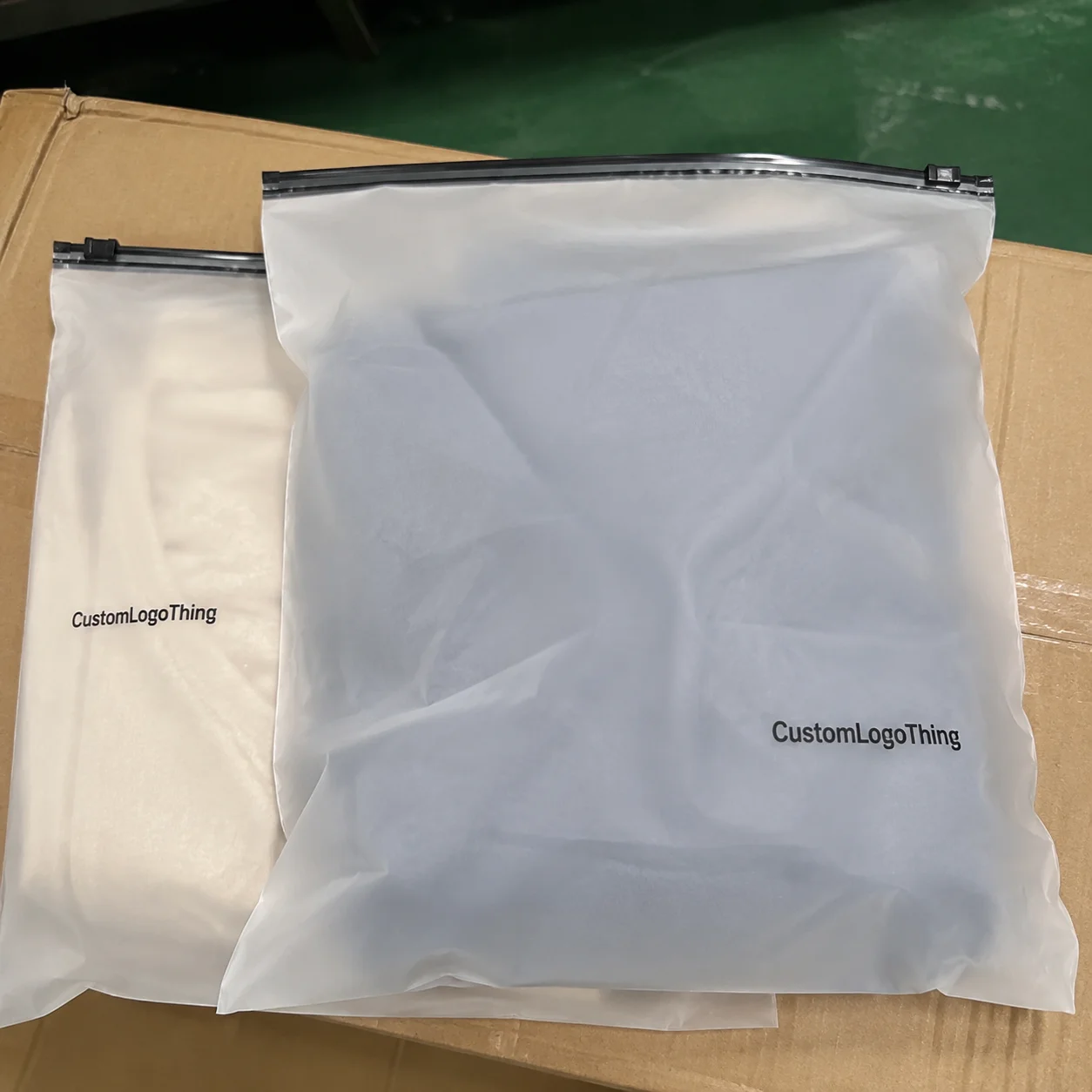
PVC Zipper Garment Bags: Low MOQ Unit Quote Guide
PVC Zipper Garment Bags Unit Low MOQ Quote Guide for Buyers
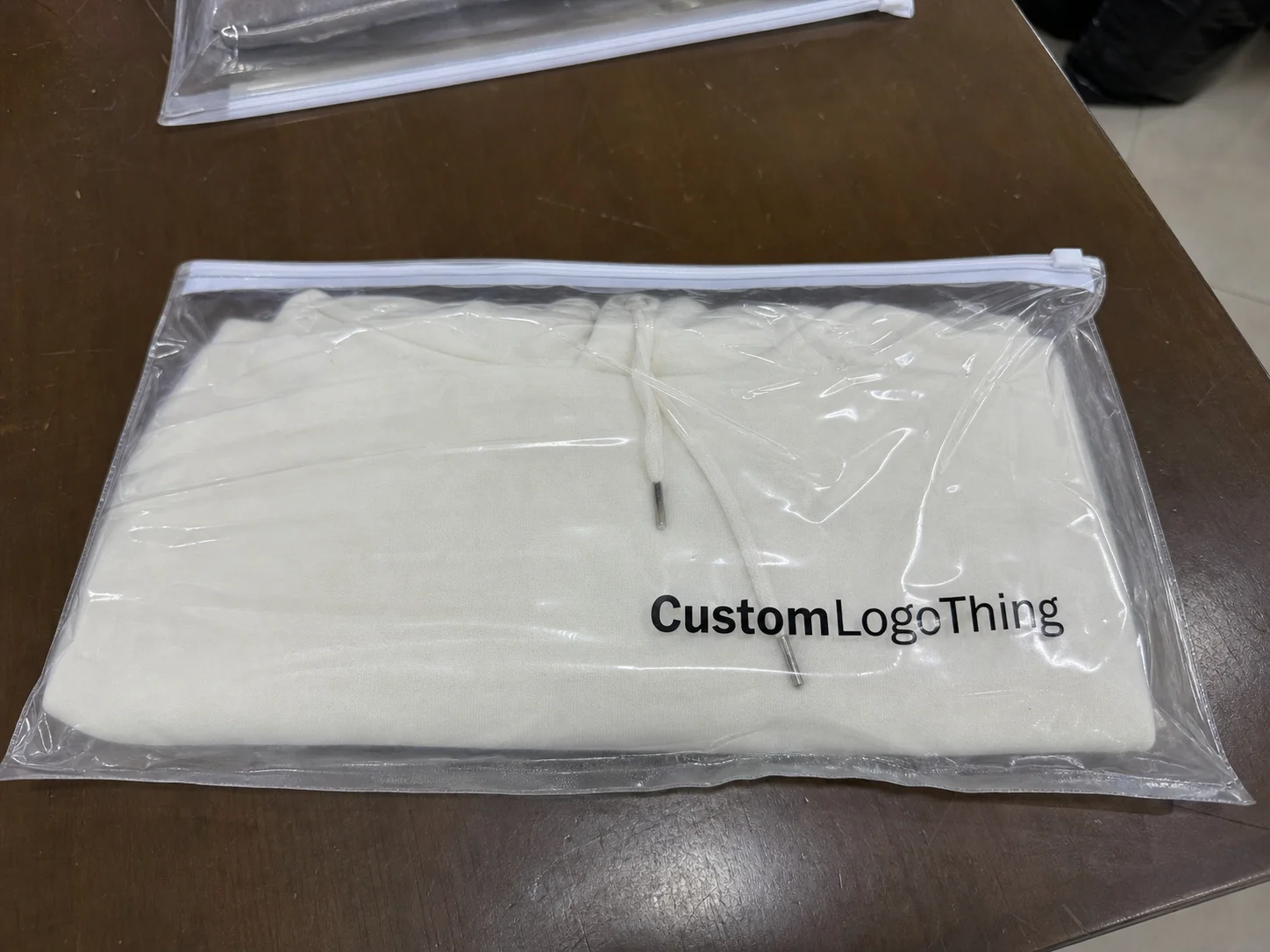
A garment brand needs 300 to 1,000 protective bags. The deadline is tight. One supplier quotes a massive minimum order quantity. Another sends a unit price with no material thickness, no zipper detail, no carton information, and no shipping assumption. That is not a quote. That is a number wearing business shoes.
This guide explains how buyers should read pricing for custom PVC Zipper Garment bags, especially low MOQ runs where setup costs matter. The bag itself is not mysterious. The expensive mistakes usually come from missing specs: wrong length, weak zipper, cloudy PVC, oversized logo, no hanger reinforcement, or freight left out until the last minute.
PVC Zipper Garment Bags are used for suits, dresses, uniforms, robes, costumes, sample garments, retail apparel, bridalwear, hotel programs, and long-term storage. They protect against dust, keep garments visible, and allow repeated opening without destroying the package. A poly mailer cannot do that. Tissue wrap cannot either. Nice try, but no.
The value is practical. These bags reduce handling damage, organize inventory, improve presentation, and give branded apparel a more finished feel without jumping into rigid boxes or luxury packaging. For showroom samples, staff uniforms, rental clothing, formalwear, and seasonal retail programs, that middle ground is exactly the point.
Buyer rule: do not approve a custom garment bag quote unless size, material thickness, zipper style, logo placement, production lead time, carton packing, and shipping assumptions are written down.
A useful supplier quote should show what you are buying, how the bag will be made, which costs are included, and which details still need confirmation. If the quote only says “PVC garment bag, logo print, 500 pcs,” keep asking questions. That line item can hide five different products.
What the Bag Includes: PVC Body, Zipper, Hanger Opening, and Branding Area
A standard PVC zipper garment bag usually includes a clear or frosted PVC front panel, a PVC or non-woven back panel, a zipper, sewn or heat-finished edges, and a hanger opening at the top. Some styles add a carry handle, side gusset, bottom gusset, ID window, snap closure, colored piping, or reinforced hanger patch.
Useful extras cost money because they add material, cutting steps, sewing time, and inspection points. A gusset is not just “a little more room.” It changes the panel shape and packing behavior. A reinforced hanger opening is not decoration. It helps prevent tearing where the stress concentrates.
Lightweight shirts, blouses, uniforms, and sample tops often work well in flat bags with simple zipper construction. Suits, coats, gowns, robes, dresses, and costumes usually need longer dimensions, stronger seams, and better zipper quality. On a 60-inch gown bag, zipper operation and seam strength matter more than a cute logo. Customers notice when the bag fails before the garment reaches the closet.
Visibility is a real buying decision. Clear PVC works well for warehouse picking, retail backrooms, uniform programs, and inventory checks because staff can identify the garment without opening the bag. Frosted PVC gives a cleaner boutique look and softens the appearance of mixed inventory. Colored trim or a colored non-woven back can support brand identity while keeping the front panel functional.
Zipper choice affects both cost and use. Standard nylon zippers are common, affordable, and fine for most apparel storage bags. Heavier zipper tape, larger pulls, or metal-look pullers can improve handling but raise the unit cost. Color-matched zipper tape is a simple branding upgrade if the budget allows. For repeated-use programs, ask about zipper tape strength and puller durability, not just color.
Logo placement usually works best on the lower front panel, upper chest area, or back panel. Large logos can block garment visibility. Tiny logos can disappear against printed dresses, dark suits, or busy uniforms. For most custom garment bags, a one-color logo in the lower third gives the cleanest balance of brand presence and function.
Print method matters too. One-color screen printing is usually the most cost-efficient option for low MOQ orders. Multi-color artwork adds setup, registration time, and more chances for small alignment differences. Full-coverage artwork may look strong on a mockup, then become annoying in real use because nobody can see the garment inside. Packaging has a job. Let it do the job.
Compliance should be discussed before production, not after cartons arrive. PVC packaging may require material declarations depending on the destination market, retailer requirements, or internal purchasing policy. If your program has chemical restrictions, recycling language, retailer packaging rules, or destination-specific documentation, confirm those requirements at the quote stage. For broader packaging responsibility guidance, the EPA sustainable materials management hierarchy is a useful reference.
Specifications That Change Performance: Size, Thickness, Closure, and Finish
Before asking for pricing, prepare the details that affect production. You need bag length, bag width, garment type, expected garment weight, PVC thickness, zipper length, hanger opening size, print colors, packing count per carton, and destination country. If you send only a photo and ask, “How much?”, you are asking for a guess with an invoice attached.
Size ranges are fairly predictable. Short garment bags often run about 24 to 36 inches long for shirts, blouses, children’s garments, and light uniforms. Suit and coat bags commonly land around 40 to 48 inches. Dress, robe, costume, and gown bags often run 54 to 72 inches, sometimes longer for bridal or performance apparel.
Custom sizing is normal, but every extra inch affects material yield, carton size, shipping weight, and unit price. A bag that is 2 inches too short is useless. A bag that is 6 inches too long may still work, but it can add avoidable material and freight cost across hundreds or thousands of units.
Thickness should be chosen by use, not ego. Thinner PVC lowers unit cost and works for light garments, short-term storage, or basic dust protection. Mid-weight PVC improves durability for suits, uniforms, retail handling, and repeated opening. Thicker PVC is better for bridal shops, costume departments, hotel robes, rental programs, travel-use bags, and corporate apparel programs where handling is frequent.
Finish choices change the final result. Clear PVC is practical and usually economical. Frosted PVC looks more refined and hides minor scuffs better. Colored trim adds brand presence without covering the garment. Reinforced stitching improves strength but adds labor. A bottom gusset lets bulky garments sit more naturally instead of being flattened into a sad plastic sandwich.
Gussets are worth considering for coats, robes, formalwear, multi-piece uniform sets, and bridal pieces. Flat bags are fine for slim garments. Bulky garments in flat bags often look like they lost a fight with a vacuum sealer. That is not premium presentation. That is tight packaging with confidence issues.
Build the quote around real garment dimensions. Measure the widest hanger point, the garment length from hanger hook to hem, and the thickness of the garment stack if multiple pieces go into one bag. If the garment will be stored on a padded hanger, measure the padded hanger. Guessing from a product photo is how buyers end up with bags that almost fit. Almost is expensive.
- Short bags: about 24–36 inches for shirts, light uniforms, samples, and children’s garments.
- Suit and coat bags: about 40–48 inches for jackets, coats, blazers, and standard suits.
- Long garment bags: about 54–72 inches for dresses, robes, gowns, costumes, and formalwear.
- Gusseted bags: useful for bulky garments, multi-piece sets, premium presentation, and repeated handling.
Do not ignore the hanger opening. Too small, and the hanger hook fights the bag every time. Too large, and dust protection drops. Reinforcement may be needed for heavier garments or frequent use because the hanger area takes stress during lifting, transport, and storage.
Cost, MOQ, and Unit Pricing: What Actually Drives the Quote
The bag is simple. The variables are not. Unit cost depends on material thickness, bag size, zipper quality, print method, number of print colors, order quantity, packing method, setup charges, tooling or screen fees, inspection needs, and freight. Two quotes can look close on price and still describe completely different bags.
Low MOQ custom PVC Zipper Garment Bags may start around 300 to 500 pieces for simpler specs. More customized sizes, thicker materials, multi-color printing, colored trim, reinforced handles, special packing, or stricter inspection can push the practical MOQ to 1,000 pieces or more. That is not always supplier stubbornness. Sometimes the setup time, material purchase, and line efficiency simply do not make sense at very small volumes.
Smaller orders carry a higher unit cost because cutting, printing setup, proofing, labor, and packing are spread across fewer units. Larger orders usually lower the unit price, but they tie up more cash and storage space. Moving from 500 to 1,000 units can be smart. It can also create a beautiful pile of overstock that purchasing gets to stare at for eighteen months. Math first. Storage second. Feelings last.
| Quote Factor | Lower-Cost Choice | Higher-Cost Choice | Buyer Tradeoff |
|---|---|---|---|
| Quantity | 300–500 units | 1,000–2,500+ units | Lower upfront spend versus better bulk pricing and lower unit cost. |
| Material | Thinner clear PVC | Thicker PVC or frosted PVC | Lower price versus better durability, feel, and presentation. |
| Printing | One-color screen print | Multi-color or large-area print | Lower setup charges versus stronger branding and more proofing time. |
| Zipper | Standard nylon zipper | Premium puller or color-matched zipper | Basic function versus improved handling and brand detail. |
| Construction | Flat bag | Gusseted bag with reinforced stitching | Lower cost versus better fit for bulky garments. |
Ask for quote components in writing: unit price, MOQ, setup or screen fees, sample fee, carton dimensions, packing quantity, estimated shipping cost, production lead time, and whether the quote includes duties or only factory cost. “FOB” and “delivered to your door” are not the same thing. Anyone treating them as interchangeable deserves a slower email response.
If the budget is tight, reduce print colors before reducing material thickness. A weak bag with a fancy logo is still a weak bag. Upgrade the material and zipper first, then decide how decorative the print needs to be. For freight-sensitive programs, carton dimensions and packing count matter too. A slightly larger bag may increase dimensional weight even when the product feels light.
Price ranges vary by region, material market, labor, exchange rate, freight lane, and order volume, so no serious buyer should rely on a universal unit price. Still, the pattern is consistent: basic clear PVC with one-color print sits at the lower end; thicker PVC, frosted finish, gussets, reinforced stitching, and premium zipper details move the quote upward. If one supplier is dramatically cheaper, compare thickness, finished size, zipper length, packing, print coverage, and freight terms before celebrating.
Process and Timeline From Artwork to Packed Cartons
The normal buying process is not complicated, but it needs discipline. Confirm garment dimensions, choose material and zipper specs, send logo artwork, receive a written quote, approve the digital proof, produce a sample if needed, approve production, manufacture, inspect, pack, and ship. Skip steps if you enjoy expensive surprises. Most buyers do not.
Artwork should be supplied as vector files such as AI, EPS, or a clean PDF. Crisp files produce cleaner logo printing and fewer proofing delays. Low-resolution screenshots, social media icons, and mystery files pulled from someone’s desktop usually slow the job down. If the logo has gradients, tiny text, metallic effects, or multiple colors, ask whether it will reproduce cleanly on PVC before approving the proof.
Practical timing depends on the specs. Quoting can often take 1 to 2 business days when dimensions, quantity, artwork, and delivery location are complete. Digital proofing may take another 1 to 2 business days. Sampling commonly takes several days to two weeks depending on construction, print complexity, approval speed, and shipping method. Bulk production depends on order quantity, material availability, finishing details, inspection requirements, and freight schedule.
A pre-production sample is smart for new sizing, retailer compliance, premium launches, high-value garments, bridalwear, rental programs, and repeat-use bags. For a simple reorder with the same size, same artwork, and same material, a digital proof plus written spec sheet may be enough. Not always. Often.
Inspection should check zipper operation, seam strength, logo placement, print clarity, PVC clarity, size tolerance, hanger slot alignment, carton count, and carton labeling. For larger shipments, transit testing may also matter. The International Safe Transit Association publishes widely used packaging test procedures that help evaluate packed-product distribution performance.
Build buffer time for approvals and freight. Production schedules rarely fail because cutting PVC is dramatic. They fail because someone waits five days to approve a logo proof, then asks why the delivery date moved. Lock the spec, approve the proof, then let production run without a daily redesign.
- Confirm garment dimensions and use case.
- Select PVC thickness, finish, zipper, and construction.
- Send vector artwork and print placement notes.
- Review quote, MOQ, setup charges, and freight assumptions.
- Approve proof or sample before bulk production.
- Inspect, pack, label cartons, and ship.
How to Avoid Bad Custom Garment Bag Orders
Bad garment bag orders usually start with vague inputs. A buyer sends a photo, asks for the cheapest price, skips size confirmation, approves a tiny proof without checking placement, and forgets freight. Then everyone acts shocked when the finished bags are too short, too thin, too cloudy, or too expensive to ship. Packaging is not magic. It follows the instructions you give it.
Low MOQ does not mean low standards. Buyers can still ask for clear specifications, proofing, material details, carton information, and shipping assumptions on smaller runs. A 300-unit order deserves a real spec sheet. So does a 500-unit order. The only difference is that setup charges and labor have fewer units to hide behind.
Send real garment measurements or a size chart before quoting. The supplier needs the widest hanger point, garment length, garment thickness, and intended use. A bag for warehouse storage does not need the same finish as a retail presentation bag. A rental uniform bag does not need the same zipper as a one-time sample cover. Function drives specification. Specification drives price.
Overprinting is another common mistake. Large opaque artwork can block garment visibility, especially on clear PVC. If staff must open every bag to see the product, the clear front panel is not doing its job. Use logos, brand marks, and simple patterns with restraint. A garment bag is not a billboard unless the garment is boring. Even then, be careful.
Durability upgrades matter most for repeated handling. Reinforced hanger openings, stronger stitching, better zipper pullers, thicker PVC, and gusseted construction make sense for bridal shops, costume departments, hotels, spas, corporate apparel programs, and rental uniforms. For short-term dust protection, those upgrades may be unnecessary. It depends on handling, garment weight, storage conditions, and how long the bag must last.
Compare quotes line by line. A cheaper quote may use thinner PVC, shorter zipper length, smaller finished dimensions, no sample, basic carton packing, excluded freight, or unclear compliance language. Cute trick. Not cute when the bags arrive wrong. If you need background on common ordering details, review the custom packaging FAQ before finalizing specs.
Quote Checklist Before You Send the Request
The fastest quote starts with complete information. Prepare the target quantity, bag size, garment type, PVC thickness preference, zipper color, logo file, print colors, desired delivery date, shipping destination, and any retailer or compliance requirements. If you do not know the ideal thickness, say that. A capable supplier can suggest options based on use case.
Ask for good-better-best pricing if the budget is still flexible. For example, request a basic clear PVC bag with one-color print, a mid-weight version with better zipper quality, and a premium version with frosted PVC or reinforced construction. Now you are comparing choices instead of trying to decode random quotes from different suppliers.
Quantity breaks also help. Ask for pricing at 300, 500, 1,000, and 2,500 units where relevant. Sometimes the move from 500 to 1,000 units lowers the unit cost enough to justify the extra inventory. Sometimes it just fills a stockroom and annoys whoever handles purchasing. Again, math first.
For faster turnaround, send vector logo artwork, garment dimensions, a reference photo if available, preferred bag style, destination address or country, and delivery deadline. Complete information can produce a cleaner quote in 1 to 2 business days. Incomplete information creates revision loops. Nobody needs six emails to discover the bag was supposed to fit a 58-inch gown.
Use the checklist below before asking for pricing, then request a written quote that shows unit cost, MOQ, lead time, material, print details, setup charges, sample cost, carton packing, and shipping assumptions. Clear specs get clear quotes. Not glamorous. Effective.
- Bag size: finished width, finished length, and gusset if needed.
- Garment details: garment type, hanger width, garment length, weight, and storage use.
- Material: clear, frosted, colored, or mixed-panel PVC with preferred thickness.
- Closure: zipper length, zipper color, puller style, and expected reuse level.
- Branding: vector logo, print size, print color count, and placement notes.
- Commercial details: quantity breaks, required date, destination, freight terms, compliance needs, and carton requirements.
FAQ
What is a typical low MOQ for custom PVC zipper garment bags?
Simple custom runs may start around 300 to 500 units, depending on size, material, zipper choice, and print method. More complex bags with special sizing, thicker PVC, multiple colors, custom trim, or reinforced construction often make 1,000 units or more more practical. Ask for quantity breaks at 300, 500, 1,000, and 2,500 pieces so you can compare the real cost per piece.
How do I get an accurate unit quote for PVC zipper garment bags?
Send the target quantity, bag dimensions, garment type, PVC thickness, zipper details, logo artwork, print colors, delivery location, and required delivery date. Ask whether the quote includes setup fees, sampling, carton packing, freight, duties, and taxes. Do not compare quotes unless the specs match. Otherwise you are comparing guesses, not prices.
What PVC thickness should I choose for zipper garment bags?
Lightweight garments can use thinner PVC when the bag is mainly for dust protection and short-term handling. Suits, coats, uniforms, bridalwear, rentals, and travel-use bags usually benefit from mid-weight or thicker PVC. If durability matters, upgrade thickness and zipper quality before spending more on decorative printing.
Can I print my logo on low MOQ PVC zipper garment bags?
Yes. One-color logo printing is usually the most cost-effective option for low MOQ orders. Multi-color logos, large print areas, and full-surface artwork can increase setup charges and production time. Vector artwork helps avoid blurry print results, rough edges, and proofing delays.
How long does production take after approving a PVC garment bag quote?
Digital proofing may take 1 to 2 business days after complete artwork and specs are submitted. Sampling can add several days to two weeks, depending on complexity and shipping method. Bulk production timing depends on order quantity, material availability, print complexity, inspection requirements, approval speed, and freight. A written quote should show unit cost, MOQ, lead time, material, print details, carton packing, and shipping assumptions before production starts.