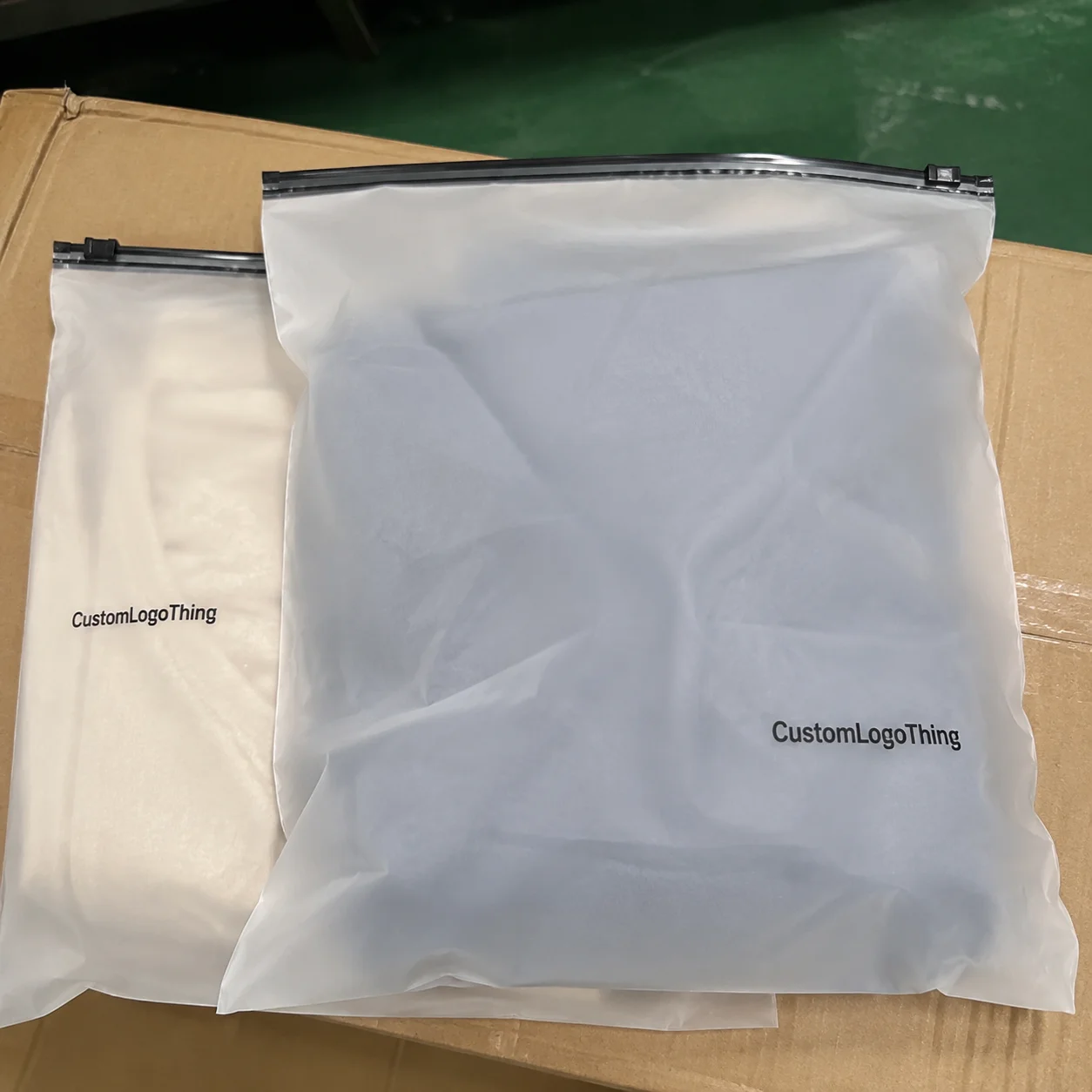
Garment bag orders rarely fail because printing a logo is technically difficult. They fail because the size, zipper, artwork, carton count, sample approval, and freight method get confirmed too late. That is why PVC Zipper Garment Bags Unit lead time planning belongs at the start of the buying process, not after someone has already promised a launch date.
A PVC Zipper Garment bag is a clear or semi-clear plastic garment cover with a zipper closure. You see them used for suits, dresses, uniforms, costumes, bridalwear, dry cleaning returns, hospitality apparel, retail storage kits, and promotional apparel bundles. Some are basic protective covers. Others are retail-ready packages with handles, pockets, edge binding, printed logos, size labels, and carton specs detailed enough to keep a warehouse team from quietly judging everyone involved.
PVC Zipper Garment Bags Unit Lead Time Planning Basics
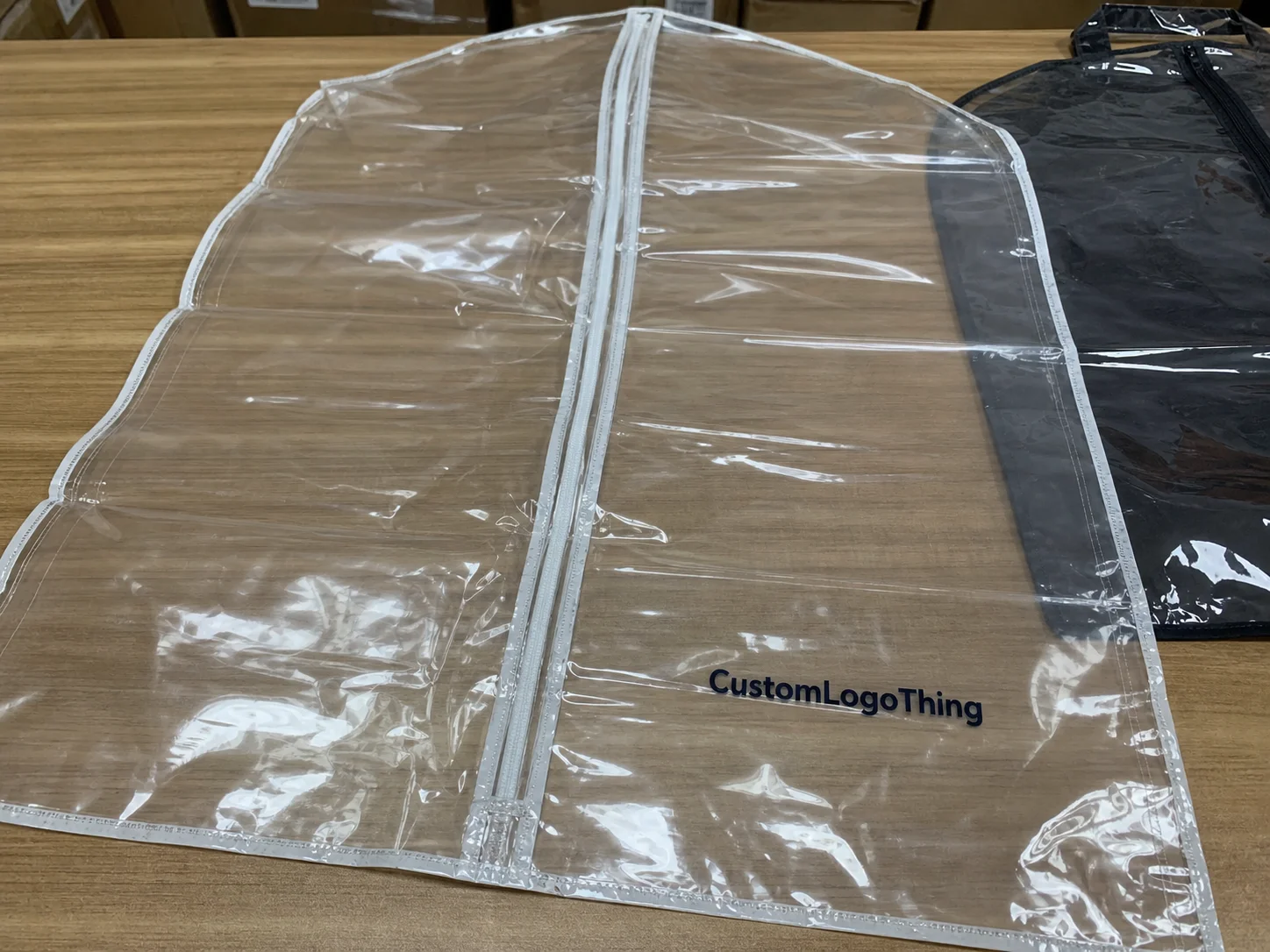
Unit lead time planning means estimating how long each stage takes for one order batch: artwork, sampling, material sourcing, cutting, printing, sewing or heat sealing, packing, inspection, and freight. Buyers usually collapse all of that into one dangerous question: “How fast can I get these?”
Too broad. Ask this instead: “How many business days after approved artwork and sample can this exact construction ship?” That wording matters because production timing does not start when someone sends a vague inquiry. It starts when the supplier has enough confirmed detail to reserve materials, schedule labor, and set up the order correctly.
Most orders have three timing buckets. First, pre-production decisions: dimensions, PVC thickness, zipper color, logo files, sample requirements, and packing specs. Second, factory production time: material prep, cutting, printing, assembly, quality control, folding, and packing. Third, shipping time: courier, air freight, ocean freight, truck delivery, local handling, or some annoying mix of all four.
These buckets get blurred constantly. Naturally, chaos follows.
A simple stock-style clear PVC garment cover with one printed logo may move quickly if the material and zipper are already available. A custom zipper garment bag with 0.20 mm PVC, a hanger opening, reinforced handles, branded zipper pull, document pocket, logo placement tolerance, and store-ready cartons needs more runway. Not because suppliers enjoy dragging things out. Because every added detail creates another setup, approval, sourcing, or inspection point.
Common buyers include apparel brands, uniform suppliers, dry cleaners, bridal shops, costume companies, hospitality groups, promotional distributors, and product launch teams. The organized ones plan backward from the true in-hand date. The optimistic ones ask for “urgent” after the brand team has spent eight business days debating whether the logo should move 6 mm left.
How the Custom Bag Process and Timeline Actually Work
The production sequence is not mysterious. Confirm the bag size. Choose PVC thickness. Pick the zipper style. Decide the print method. Approve artwork. Approve a digital proof or physical sample. Start production. Inspect. Pack. Ship.
Simple on paper. Less simple when five people are forwarding different logo files named “final-final-approved-new.”
Typical timing ranges look like this:
- Artwork review: usually 1–3 business days if vector art is ready and print placement is clear.
- Sampling: often 5–10 business days for a physical sample, longer for special materials, custom trim, or revised construction.
- Bulk production: commonly 12–30 business days depending on quantity, print complexity, labor steps, and factory load.
- Freight: a few days by express courier, 7–15 days by air plus local handling in many lanes, or several weeks by ocean or consolidated freight.
Add reinforced handles, metal zipper pulls, printed inserts, bottom gussets, nonwoven panels, multiple bag sizes, or multiple artwork versions, and the calendar moves. Every “small tweak” still needs material, setup, labor routing, and QC time. A zipper tab is small. Sourcing 2,000 matching zipper tabs in the right color is not imaginary.
Approval tools also need clean definitions. A digital proof checks layout, logo scale, print position, copy, and basic color callouts. A pre-production sample checks the actual bag construction before bulk production. A production sample is pulled from the live production run and confirms that mass output matches the approved standard. Pretending those are the same thing is how buyers end up with bags that technically exist but should not.
For a 2,000-unit custom order, a reasonable timeline might be 2 business days for spec confirmation, 7 business days for a sample, 3 business days for approval, 18 business days for bulk production, and 7–25 days for freight depending on the method. That puts the realistic window around 27–52 business days from first clean spec to arrival. Internal packing, kitting, store distribution, and carton relabeling are not included. Those can eat another week without trying very hard.
Count backward from the true in-hand date, not the event date. If garments need to be packed into bags, moved to a warehouse, split by store, or inserted into a retail display program, include that time. PVC Zipper Garment Bags Unit lead time planning is calendar math with fewer fantasies.
Key Specs That Change Turnaround Time Fast
Bag size is the first variable. A short shirt bag, a suit-length garment bag, and a bridal gown bag are not the same production problem. Larger bags use more PVC, require longer cutting setups, and may need stronger zipper or seam construction so the loaded bag does not split. Full-length bags also take more carton space, which affects freight cost and delivery timing.
PVC thickness changes both feel and production flow. Lighter bags around 0.08–0.12 mm work for basic protection, short-term use, dry cleaning returns, and low-cost storage. Sturdier reusable garment bags often use 0.15–0.25 mm or more, especially for uniforms, bridalwear, costumes, or retail packaging customers may keep. Thicker PVC can require different sealing pressure, slower handling, and different folding or packing methods.
Clarity matters too. Some buyers want crystal-clear PVC so the garment is visible. Others prefer tinted, frosted, or semi-opaque film for a more premium look or modesty in retail handling. Clear material can show scratches, dust, and print alignment issues more obviously. Frosted material can soften the look but may change how logo colors read. Neither option is automatically better. The use case decides.
Closure type has a direct effect on timing. A standard nylon zipper is usually straightforward. Metal pulls, double sliders, branded zipper tabs, color-matched zippers, or premium pullers can add sourcing time. If the zipper color must match a Pantone reference, allow extra days for confirmation. If “close enough” is acceptable, say that early. Factories are not mind readers, despite what some purchasing teams appear to believe.
Printing can be quick or painfully fussy. A one-color logo in one position is faster than full-coverage artwork, multi-color graphics, metallic ink, or exact Pantone matching. Clear PVC changes color perception because the garment behind the bag may show through. White ink underlay, opacity testing, and ink adhesion checks may be needed for color-sensitive branding. ASTM standards such as ASTM material and test methods are often referenced in packaging and plastics discussions, especially for film properties, durability, and performance expectations.
Construction features add labor steps. Hanger openings, bottom gussets, document pockets, handles, snaps, piping, nonwoven panels, reinforced seams, and printed inserts all create more touchpoints. More touchpoints mean more inspection points. That is good because defects are easier to catch before shipping, but it also means the order will not behave like a plain clear cover.
Practical callout: Five bag sizes with five logo versions is not “one simple order.” It is twenty-five chances for someone to approve the wrong file. Treat each SKU as its own planning item.
Factories schedule by material availability, machine setup, print stations, labor flow, finishing steps, packing requirements, and current workload. They do not schedule based on how urgently a sales team promised delivery during a meeting with no production person present. Shocking, I know.
Cost, MOQ, and Unit Cost Tradeoffs Buyers Should Expect
PVC Zipper Garment bag pricing is driven by size, material thickness, zipper quality, print coverage, labor complexity, order quantity, packing method, and freight. There is no universal price because a 0.10 mm clear shoulder cover with one logo is a different animal from a 0.22 mm bridal garment bag with handles, gusset, piping, and retail carton packing.
As a rough buying framework, a basic printed PVC garment cover at 1,000–3,000 units might sit around $0.60–$1.40 per unit depending on size and print. A larger suit-length zipper bag may run around $1.50–$3.80 per unit. Premium bridal or uniform Bags with Handles, thicker PVC, gussets, and more finishing can climb to $4.00–$8.00+. These are planning ranges, not magic numbers. Final pricing depends on specs, market conditions, supplier capacity, and freight.
| Order Type | Typical MOQ Range | Common Unit Range | Timing Impact |
|---|---|---|---|
| Basic clear PVC bag with one-color logo | 300–1,000 units | $0.60–$1.80 | Fastest if stock PVC and zipper colors are available |
| Suit-length zipper garment bag | 500–1,500 units | $1.50–$3.80 | Moderate lead time due to size, zipper length, and carton volume |
| Reusable bag with handles and pocket | 1,000–2,000 units | $2.80–$5.50 | Longer due to added labor and inspection points |
| Premium bridal or costume bag | 1,000+ units | $4.00–$8.00+ | Longest when thick PVC, gussets, piping, or custom trim are required |
MOQ is the tradeoff buyers love to hate. Lower MOQs reduce inventory risk, but they raise unit cost because setup, printing prep, material sourcing, and labor coordination are spread across fewer units. Custom printed PVC garment bags often start around several hundred to 1,000 units. More customized construction, color-matched components, special zipper styles, or unusual dimensions may require higher quantities.
Unit cost usually drops as quantity rises because setup and purchasing efficiencies improve. That does not mean ordering 10,000 units is automatically smart. If the garment line, logo, size, or retail program may change next quarter, saving $0.18 per bag can turn into expensive storage decoration. Buy the quantity that matches real demand, not the quantity that makes the spreadsheet look smug.
Freight deserves its own line item. Air shipping saves time but punishes the budget, especially for bulky garment bags. Ocean or ground freight saves money but demands better planning. Garment bags are often light by actual weight and expensive by dimensional weight. Big cartons full of air do not get a sympathy discount.
If sustainability claims are involved, check packaging choices and disposal expectations before ordering. PVC may be practical for visibility, moisture resistance, and reuse, but it is not the right fit for every program. The EPA’s sustainable materials management hierarchy is a useful reference for thinking beyond unit price, especially for retail and reusable packaging programs.
Ask for quotes with clear line items: unit price, sample cost, setup cost, packing cost, freight estimate, production lead time, MOQ, and quote validity period. A cheap quote with vague timing is not a bargain. It is a calendar ambush.
Step-by-Step Lead Time Planning Before You Order
Start with the required in-hand date. Then subtract internal packing time, freight time, bulk production time, sample approval time, and artwork/spec review time. If the bags need to arrive at your warehouse by May 1, and your team needs 5 business days to pack garments, your packaging in-hand date is not May 1. It is earlier. The calendar is rude like that.
Build a simple planning sheet. Nothing fancy. Use columns for bag size, quantity, PVC thickness, zipper color, print colors, artwork status, sample requirement, approval owner, production days, shipping method, carton pack count, and buffer. If you have multiple SKUs, give each one its own row. Do not hide five sizes in one note cell and act surprised when one gets missed.
Before requesting a quote, confirm the real use case. Is the bag for retail sale, warehouse storage, trade show giveaway, dry cleaning return, uniform issue, bridal delivery, hotel staff rollout, or premium garment presentation? A bag used once for dry cleaning does not need the same construction as a reusable uniform bag that gets hauled between locations for months.
Lock the specs early:
- Dimensions: length, width, gusset, and garment allowance.
- Access points: zipper orientation, hanger opening, pocket placement, and handle position.
- Material: PVC thickness, clarity, tint, flexibility, and any compliance requirements.
- Branding: logo size, print method, ink color, opacity, and placement tolerance.
- Packing: inner pack count, carton quantity, carton labels, and warehouse routing.
Request a physical sample for new sizes, premium retail packaging, first-time suppliers, unusual construction, thick PVC, reinforced handles, or color-sensitive branding. Sampling is not a delay tactic. It is the cheapest place to catch bad assumptions before thousands of bags exist. A 7-day sample feels annoying. A 2,000-unit mistake feels much worse.
Basic QC expectations should be written before production starts. For PVC Zipper Garment Bags, common checks include finished dimensions, film thickness, zipper operation, hanger hole position, seam strength, print placement, print adhesion, scuffing, carton count, and label accuracy. If the bag carries heavier garments, ask about pull checks on handles and zipper stress points. Nobody wants the bag to fail the first time a uniform coordinator lifts it.
Add a buffer of at least 5–10 business days for custom production. Add more near holidays, peak apparel seasons, large promotional deadlines, or factory shutdown periods. If your order requires exact zipper colors, special trim, multiple print versions, or multi-location delivery, add more again. Conservative planning is boring. Boring gets delivered.
Confirm who approves artwork and who approves samples. One final decision maker is ideal. If marketing, purchasing, merchandising, legal, and operations all need to “take a quick look,” the timeline is already lying to you. Put names and dates on approvals. Vibes do not ship packaging.
Common Mistakes That Delay Garment Bag Orders
The biggest mistake is asking for a delivery date before confirming the actual bag specifications. Factories cannot schedule a fantasy bag. Annoying, but true. A supplier can estimate, but final timing depends on the approved size, material, zipper, print, sample decision, quantity, packing, and shipping method.
Artwork delays are painfully common. Low-resolution logos, missing vector files, unclear print placement, unapproved Pantone colors, and last-minute brand team changes can burn several business days before production even starts. Send vector artwork in AI, EPS, or PDF format when possible. If the logo needs to print on clear PVC, confirm whether white underbase or opacity testing is needed.
Measurement errors are another classic. Buyers measure the garment, not the finished bag allowance. The bag needs room for garment thickness, hanger shape, shoulder width, folds, and easy zipper movement. A suit jacket that measures 24 inches wide does not belong in a 24-inch-wide bag unless you enjoy wrestling plastic.
Underestimating sample time is false economy. A physical sample confirms zipper travel, hanger opening, seam strength, handle placement, logo position, and real material feel. For retail programs, it also lets teams check how the bag looks on a rack, in a carton, or inside a garment packing workflow. If a packaging spec references transit expectations, consider whether ISTA-style distribution testing or basic carton drop checks are needed. The International Safe Transit Association is a good authority for packaged-product distribution testing concepts.
Changing specs after production starts is where timelines go to suffer. A zipper color change can restart sourcing. A thickness change can affect material availability and sealing settings. A logo move can require new screens or updated setup. Even carton changes can slow packing if labels, inner packs, or destination splits are already arranged.
Freight traps catch plenty of buyers. They approve production on time, then choose slow shipping too late. Or they assume air freight will be reasonable for bulky plastic bags. It often is not. Garment bags may be light, but they take carton volume. Dimensional weight is not your friend.
Poor carton planning causes delays after the bags are technically finished. If bags need to go straight to stores, warehouses, kitting lines, or regional distributors, decide inner pack counts and carton labeling before production. A carton marked only “garment bags” is not enough if the warehouse needs size, SKU, logo version, quantity, PO number, and destination.
Another mistake: treating compliance as an afterthought. Requirements vary by market and use case, especially if the packaging enters retail channels, touches children’s products, or must meet internal restricted-substance policies. Ask early about PVC formulation, odor, phthalate restrictions, labeling needs, and any required test reports. If testing is needed, it belongs in the timeline. Tests do not run faster because the deadline is embarrassing.
Next Steps to Build a Realistic Order Plan
Start with a short action checklist. Define the garment type. Confirm bag dimensions. Choose PVC thickness. Select zipper style. Decide the print method. Gather vector artwork. Set the in-hand date. Choose your shipping tolerance. That gives a supplier enough information to quote something real instead of something politely useless.
Ask direct supplier questions:
- What is the sample lead time for this exact construction?
- What is the bulk production time after sample or proof approval?
- What could change the delivery date?
- What rush options exist if materials are already available?
- What is the MOQ for this exact size, zipper, thickness, and print method?
- What are the carton dimensions, gross weight, and estimated freight cost?
When timing is tight, request two quote versions: one optimized for lowest unit cost and one optimized for fastest turnaround. Those are rarely the same quote, because physics remains inconvenient. Faster may mean stock zipper colors, fewer print colors, no sample revision, simpler packing, or air freight. Cheaper may mean higher MOQ, slower freight, and fewer custom details.
Keep approvals simple. Name one final decision maker for specs, artwork, sample, and shipping. Committee packaging approvals are where calendars go to die. If multiple departments need visibility, fine. Visibility is not approval authority. Put the final approver in writing.
Document final specs in one shared file. Include size, thickness, zipper type, print colors, artwork file name, approved proof date, sample status, quantity, carton pack count, shipping method, delivery address, and required arrival date. The factory, purchasing team, brand team, and warehouse should all work from the same version. If there are multiple versions floating around, the wrong one will eventually win. Usually the worst one.
The best order plan is specific, dated, and approved before production starts. Treat lead time planning as part of the purchase, not a cleanup task after the deadline gets scary. PVC zipper garment bags are not complicated products, but custom packaging has a talent for exposing lazy planning. Give the order clean specs, realistic time, and one accountable approval path. That is how it ships without drama.
FAQ
How long does PVC zipper garment bag lead time usually take?
A simple custom order often takes about 2–5 weeks after artwork and specs are approved, plus shipping time. Sampling, complex construction, high quantity, special zipper colors, or full-coverage printing can add more time. Plan backward from the required in-hand date, not the production completion date.
What affects pvc zipper garment bags unit lead time planning the most?
The biggest factors are final size, PVC thickness, zipper type, print method, order quantity, sample approval, and freight method. Late artwork approval and spec changes usually cause more delay than actual printing. Multiple sizes or logo versions should be treated as separate planning items, not one blended order.
What MOQ should I expect for custom PVC zipper garment bags?
Many custom printed PVC garment bag orders start around several hundred to 1,000 units, depending on size, print, and construction. Special materials, custom zipper colors, reinforced handles, or unusual dimensions may push MOQ higher. Lower MOQ usually means higher unit cost because setup and sourcing costs are spread across fewer bags.
Can I rush production for PVC zipper garment bags?
Rush production may be possible if materials are available, artwork is ready, and the construction is straightforward. Air freight can reduce delivery time but may add significant cost because garment bags are bulky. Rush orders should avoid unnecessary custom extras unless the deadline matters less than the decoration.
What should I prepare before requesting a quote for PVC zipper garment bags?
Prepare dimensions, quantity, PVC thickness preference, zipper color, print colors, logo file, target in-hand date, and shipping destination. Include garment type and use case so the supplier can recommend the right bag size and strength. Ask for unit price, sample cost, production lead time, freight estimate, MOQ, and approval deadlines in the same quote.