trade show bucket Hats Unit Cost is never just the blank hat price. Quantity, decoration method, fabric, packaging, and timing all move the number, and the cheapest-looking quote can become the most expensive once setup, freight, and revisions are included.
Bucket hats stay popular because they are wearable immediately and visible from a distance. That makes them useful for outdoor events, summer conferences, golf activations, sponsor villages, and staff kits where you want something people will actually keep on.
Practical rule: a promo item can justify a higher unit price if it gets worn more than once. The real cost is the purchase price divided by actual use, not the number on the first quote.
The best way to evaluate a quote is to look at landed cost: decorated, packed, and delivered on time. That is the number that matters when you are comparing options, not the starting price alone.
Why Bucket Hats Move Better Than Most Event Giveaways
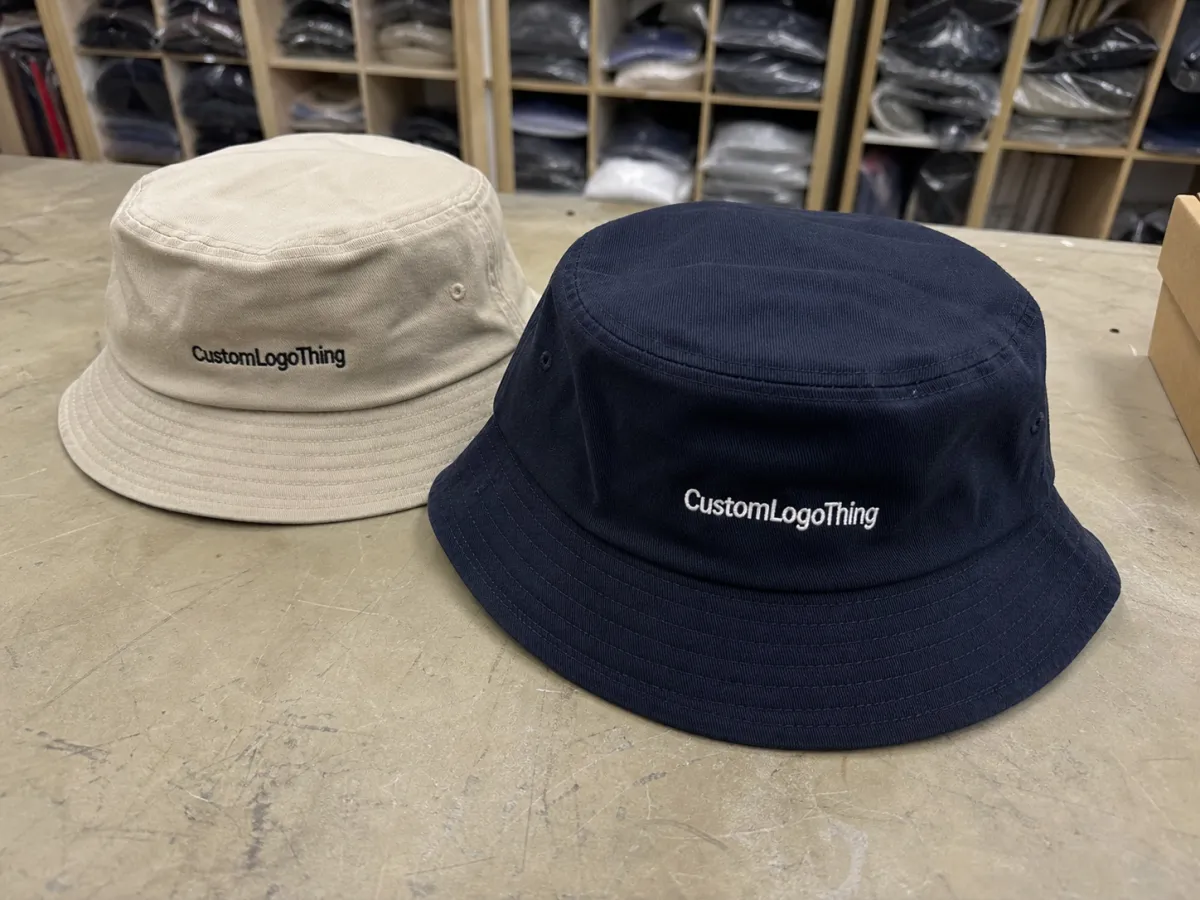
Most giveaway items get carried once and forgotten. Bucket hats behave differently because they are practical at the event itself, especially when attendees are outdoors, moving between sessions, or waiting in lines. That makes them more visible than small accessories that disappear into a bag.
They also fit several event uses without changing the product spec much:
- Staff uniforms: a coordinated look without full apparel orders.
- VIP handouts: more perceived value than a low-cost trinket.
- Welcome kits: easy to pair with tees, lanyards, notebooks, or totes.
- Outdoor activations: practical for fairs, tournaments, and sponsor programs.
That value depends on usability. If the fabric feels thin, the brim collapses, or the logo is too small to read, the item stops doing its job. A good bucket hat needs enough structure to hold shape, enough comfort to stay on, and enough decoration contrast to read from a few feet away.
Decoration Choices That Change the Price Fast
Decoration is usually the fastest way to move the quote. Flat embroidery, 3D puff, woven patches, printed patches, and woven labels all have different setup and labor costs. More texture, more color changes, and more placement locations generally mean a higher price.
Flat embroidery is the default choice for most event programs. It is durable, easy to approve, and works well for clean logos. 3D puff adds dimension and looks stronger from a distance, but it needs tighter digitizing and more production care. Patches are useful when the art is too detailed for thread alone. Woven patches handle fine lines better than embroidery, while printed patches fit color-heavy artwork without a large stitch count.
Placement matters almost as much as decoration type. A single front-crown mark is usually the most efficient option. Add a side hit, underbrim print, or seam label and the quote rises because every added location brings setup and alignment work. Oversized graphics can look good in mockups, but they are rarely the lowest-cost route.
A few common pricing triggers:
- High stitch count: more machine time and labor.
- Multiple placements: more setup, proofing, and production steps.
- Color-heavy artwork: more thread changes or print layers.
- Custom trims: branded sweatbands, woven tags, rubber patches, and special piping add cost.
If the logo has to be readable from across an aisle, favor bold shapes over fine detail. Small type and thin lines often look fine on screen and fail on fabric. Clean vector files, limited thread colors, and one main placement usually keep both price and legibility under control.
Fabric, Fit, and Construction Details Buyers Should Check
Fabric changes feel, appearance, and cost. Cotton twill is the most familiar starting point because it looks natural and handles embroidery well. Washed cotton has a softer hand and a more relaxed finish. Polyester and nylon are useful for outdoor programs because they dry faster and hold shape well. Recycled blends can work too if the material claim is documented.
Construction details matter more than many buyers expect. Crown depth changes how the hat sits. Brim width changes shade coverage and the visual balance. Stitch density affects strength and finish quality. Eyelets, sweatbands, lining, and internal taping all influence comfort, which matters when the hat may be worn for hours.
Fit should be confirmed before approval, not guessed from a mockup. One-size-fits-most is usually the easiest route to quote and produce. Size-specific runs can work for retail-style programs or staff kits, but they usually raise complexity and minimums. Bucket hats also do not always use the same adjustment hardware as caps, so the fit range needs to be checked early.
For event use, ask for the spec sheet early. If the hat is supposed to be packable, water-resistant, or rated for sun protection, those claims should be documented. The same goes for packaging: if cartons need to survive shipping or be separated by team, size, or kit, that needs to be part of the brief.
For sustainability-related components, paper inserts or cartons can be specified with verified stock, such as FSC-certified paper, when the program calls for it. That does not change the hat itself, but it can affect packing volume, freight weight, and presentation.
Trade Show Bucket Hats Unit Cost, MOQ, and Quote Structure
trade show Bucket Hats Unit Cost usually follows a simple pattern: smaller runs cost more per piece, mid-size orders spread setup more efficiently, and larger runs unlock better bulk pricing. That is driven by decoration setup, material purchasing, and machine time.
A proper quote should separate the major cost drivers. At minimum, look for the blank hat, decoration, setup charges, sampling if any, packaging, freight, and rush fees if the schedule is tight. If the quote is one lump sum, ask for the breakdown before comparing suppliers.
| Option | Typical MOQ | Unit cost range | Best use |
|---|---|---|---|
| Basic cotton twill, 1-color flat embroidery | 50-100 pieces | $3.25-$6.00 each | Small events, staff use, quick launches |
| Washed cotton, embroidered patch | 100-250 pieces | $4.10-$7.50 each | VIP giveaways, branded kits, higher perceived value |
| Polyester or nylon, multi-placement decoration | 250+ pieces | $4.80-$8.90 each | Outdoor activations, bold branding, more technical look |
| Recycled blend with custom trims and packaging | 250-500 pieces | $5.50-$10.00+ each | Programs where presentation and documentation matter |
Those ranges are working estimates, not guarantees. A simple run can land below the top end if the art is clean and the schedule is generous. A smaller order with multiple decorations can move above the range because fixed setup costs are spread across fewer units.
Watch for common cost traps:
- Tooling or digitizing fees: embroidery files, woven patches, and custom badges often need one-time setup work.
- Too many placements: each added mark increases labor and proofing time.
- Rush production: compressed schedules reduce factory options and usually raise cost.
- Artwork revisions: low-resolution files and repeated changes slow the job and can trigger extra charges.
- Packaging changes: polybags, stickered cartons, and kit inserts can materially affect the total.
MOQ is usually tied to production efficiency, not arbitrary policy. Many buyers start around 50 to 100 pieces for simple event runs, but 250 and above often gives more predictable pricing. If the program repeats across several shows, ordering a bit more once can be cheaper than placing multiple small rush orders.
Packaging deserves attention early. If the hats must arrive folded a certain way, separated by size, inserted into kits, or labeled for different teams, that should be in the brief from the start. Otherwise, the quote will assume standard bulk packing, which may not fit the job.
Production Steps and Timeline From Proof to Delivery
A clean production schedule starts with art review. The supplier checks whether the logo file is vector, whether line weights are thick enough for embroidery or print, and whether the colors will read well on the selected fabric. That step catches avoidable problems before they turn into delays.
Most orders then move through quote approval, proof preparation, proof sign-off, production, quality control, packing, and freight. Samples can help for unusual construction or custom trims, but for standard event bucket hats a proof is often enough. If the schedule is tight, ask how much time a physical sample would add before approving it.
Lead time should always be measured as production days plus transit time. Decoration complexity, order size, custom labels, and private packaging can add days. Shipping sits on top of the factory schedule, so an order that has finished production is not the same as an order that has arrived.
Common delay causes are predictable:
- Missing vector art or low-resolution files
- Color changes after proof review
- Holiday periods and event-season congestion
- Late packaging changes
- Slow sign-off from the buyer side
The safest planning rule is simple: the earlier the event date is locked, the easier it is to hold price and avoid rush fees. Early orders also give more flexibility in fabric selection, production scheduling, and freight options.
What Repeat Orders Actually Depend On
Repeat orders are where the real savings show up. Once the logo placement, thread colors, fabric choice, and packaging style are locked, the next run is easier to quote and easier to approve. That matters for event teams that need the same item across several shows.
The best repeat programs are the boring ones: consistent specs, approved proofs on file, and few surprises. When that structure is in place, trade show bucket Hats Unit Cost tends to stay stable from one run to the next. Stability helps annual planning and reduces emergency shipping or replacement orders.
Buyers usually stay with a supplier for practical reasons:
- Faster quoting: the files and specs already exist.
- Cleaner proofing: fewer revisions because the approved version is known.
- More reliable timing: realistic schedules instead of optimistic promises.
- Better quality control: consistent stitching, trimming, and packing.
For repeat programs, the key is matching the approved sample, not reinventing the product each season. Predictability is what protects timelines and keeps the budget from being rebuilt every cycle.
What to Send Before Requesting a Quote
If you want a usable quote, send the actual job details: quantity, artwork file, preferred decoration, target colors, delivery zip code, event date, and any kitting or packaging needs. A supplier cannot price the job accurately if the request is just “need hats, please advise.”
Add a budget target if you have one. That narrows the spec choices before anyone wastes time on options that are clearly out of range. It also helps identify whether the main priority is appearance, speed, or the lowest possible unit cost.
Ask for a line-item breakdown. That is the easiest way to see where setup charges, tooling, freight, and packaging affect the total. If one version is too expensive, you can change a single variable instead of reworking the whole project.
The fastest route to a lower price is usually simple: simplify the art, confirm the hat spec, limit extra placements, and give enough lead time to avoid rush production. If you want to compare multiple versions, keep the quote structure identical across them so the differences are easy to see.
What affects trade show bucket hats unit cost the most?
Decoration method, order quantity, and fabric choice usually matter most. Extra placements, rush timing, and packaging upgrades can also push the total up, so the quote should break those items out clearly.
What MOQ should I expect for custom trade show bucket hats?
Simple runs often start around 50 to 100 pieces, but better pricing usually appears at higher quantities. Mid-size orders tend to balance cost, flexibility, and production efficiency well.
Are embroidered bucket hats worth the higher price?
Usually yes, if the logo needs to hold up through repeated wear. Embroidery is durable and looks strong over time. Patches or print can make more sense if the design is detailed or the budget is tight.
How long does production usually take?
After proof approval, standard orders are usually planned in production days plus transit time. Decoration complexity, quantity, and packaging all affect the timeline, so the event date should be built into the schedule early.
What do you need to quote bucket hats accurately?
Send quantity, artwork, decoration placement, color targets, deadline, ship-to address, and any kitting or packaging requirements. That is the fastest way to get a quote that reflects the real trade show bucket Hats Unit Cost instead of a rough placeholder.


