Quote Event Merch Premium Cuffed Beanies Unit Cost
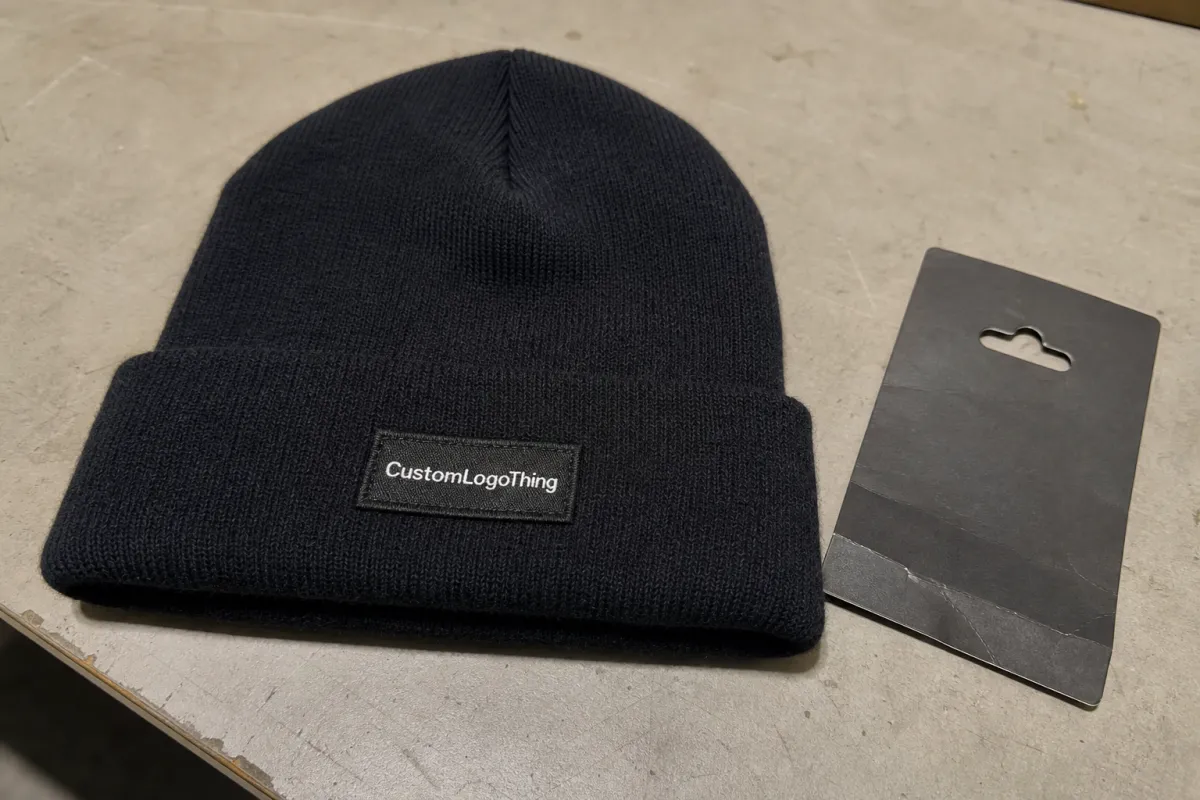
Buyers searching for event merch premium cuffed Beanies Unit Cost usually need more than a single price. They need to know whether the beanie feels substantial, whether the logo will read cleanly, and whether the item will still be worn after the event. A cuffed beanie can cover all three if the material, decoration, and fit are specified well.
That is why Premium Cuffed Beanies keep showing up in winter conferences, campus programs, outdoor activations, onboarding kits, sponsor drops, and merch tables that want a retail look. They are compact to ship, easy to store, and practical enough that people keep using them. For a buyer, the value is not just the unit cost. It is how long the piece keeps generating impressions.
They also sit in a useful budget range. Compared with items that are either too cheap to last or too expensive to scale, a beanie can look premium without pushing the whole program out of range. That makes it easier to build a kit that feels complete and worth keeping.
Why premium cuffed beanies earn their keep at events
A premium cuffed beanie works because it solves a real need first. People wear it for warmth, and the branding gets repeated exposure as a result. That is different from merch that depends on novelty alone. If the piece is comfortable and seasonally appropriate, it keeps working after the booth closes.
The cuff matters more than many buyers expect. It creates a stable surface for decoration, gives the hat a finished look, and makes the product feel more intentional than a plain knit cap. With the right knit and logo treatment, it can move the item from promo giveaway to retail-style merch. For approvals, that shift often matters as much as price.
Use case matters too. Outdoor events need warmth. Hospitality programs need a polished look in photos. Employee welcome kits need something that fits a wide audience and does not feel overly trendy. A cuffed beanie covers those needs without forcing the buyer to gamble on a fashion-led silhouette.
Buyer reality: a premium beanie is a garment, not a throw-in. That changes the yarn, the decoration method, the QC standard, and the final event merch premium cuffed Beanies Unit Cost.
Premium cuffed beanie construction that affects the final look
The difference between a polished beanie and a forgettable one is usually in the construction. The cuff affects logo visibility, the knit density affects how crisp decoration looks, and the crown shaping affects how the hat sits after wear. Small choices here change the whole impression.
Yarn selection drives feel and consistency. Acrylic is common because it is stable, cost-efficient, and easy to source at volume. Acrylic-wool blends often feel warmer and more premium, but they can raise price and introduce care considerations. For large event orders, predictability often matters more than a slightly richer hand feel.
Decoration should match the knit, not be chosen in isolation. Flat embroidery is still the most common choice because it is durable and efficient. Woven labels hold fine detail better than stitches alone. Leather patches create a more apparel-like look. Sewn patches sit between those options and can create stronger shelf presence. The best method depends on logo detail, knit texture, and how retail the final piece needs to feel.
Fit is another early decision. A cuff that is too short can crowd the logo. A body that is too loose can lose shape after repeated wear. A heavier knit may feel warm but not as comfortable indoors, while a lighter knit may look refined but underperform in colder conditions. These tradeoffs show up quickly in samples and should be decided before production starts.
| Decoration option | Typical look | Best fit | Typical impact on unit cost |
|---|---|---|---|
| Flat embroidery | Clean, durable, familiar | Simple logos, short text, larger event runs | Usually the most efficient |
| Woven label | Sharper detail, retail feel | Small marks, fine lines, multi-color artwork | Moderate; adds setup and application steps |
| Leather patch | Premium, tactile, outdoorsy | Lifestyle brands, gift kits, apparel-style merch | Often higher because of patch sourcing and application |
| Sewn patch | Bold, dimensional, sturdy | Larger marks, heritage looks, strong shelf presence | Varies with patch complexity and sew time |
Yarn, gauge, sizing, and decoration specifications to lock in
The cleanest quotes start with specific input. Define the yarn blend, knit gauge, cuff depth, body length, logo size, artwork colors, and decoration placement before asking for pricing. If those details are loose, the first quote may change after proofing or file cleanup.
Material choice is usually the first tradeoff. Acrylic is common for event merch because it is efficient at volume and consistent across runs. Wool blends can feel richer and perform better in cold weather, but they usually come with a higher price point and more care considerations. For a winter conference, a denser knit may be the right fit. For a broader handout program, a softer, lighter build may be enough if the logo is simple.
Gauge matters because it changes how much detail the surface can hold. Dense knits support cleaner embroidery and reduce distortion. Looser knits can still work, but they are usually better with bold artwork or a patch-based decoration method. Thin text and narrow strokes are risky on a soft knit, so confirm minimum line weight before approving art.
Sizing also deserves attention. Most cuffed beanies stretch, but crown depth, cuff height, and overall fit still vary. If the piece needs to suit a broad audience, a more forgiving profile is safer than a fashion-led shape. For event merch, predictable fit usually matters more than a trend-driven silhouette.
Packaging should be specified up front as well. A beanie can be folded, banded, polybagged, or packed loose depending on the destination. If the order is going into welcome kits, retail-style display, or multiple shipping points, those choices affect labor and carton count. Packaging is part of the spec, not just a shipping detail.
For buyers comparing event merch Premium Cuffed Beanies unit cost across suppliers, it helps to confirm logo placement with a template or physical guide. A design that sits too high or too low can look off even when the build is solid.
Event merch premium cuffed beanies unit cost drivers and MOQ
The main cost drivers are straightforward, but they do not act alone. Quantity matters most because setup, digitizing, and decoration labor are spread across more units at higher volumes. Yarn selection, stitch density, logo complexity, color count, sample requirements, and custom packaging all move the number further. If the order includes labels, hangtags, special folding, or insert cards, handling cost rises too.
For planning purposes, a simple premium cuffed beanie with one-color embroidery often lands around $3.50 to $6.50 per piece at stronger volumes. More customized versions, especially those using patches, special yarns, or retail packaging, can run around $6.50 to $12.00 per piece depending on quantity and build. Smaller runs usually cost more per unit because setup charges do not shrink in proportion to the order size.
MOQ depends on construction. Stock yarn and straightforward embroidery often allow lower minimums, while custom colors, private labels, or special packaging can raise the floor. If the order includes multiple colorways or logo versions, ask whether the minimum applies per color, per design, or across the full run. That detail changes the economics more than many buyers expect.
Also check landed cost. A low factory price can lose its appeal once freight, duties, carton splits, inspection, and rush handling are added. For budgeting, the useful number is the total landed unit cost, not the base production price alone. That matters even more when the beanie is part of a larger event kit with a fixed all-in budget.
A few choices usually help keep pricing in check:
- Keep the logo bold and readable instead of packing in fine detail.
- Limit color changes in thread, yarn, and patch components.
- Use one decoration method instead of combining several.
- Approve proofs quickly so the order does not lose time in review.
- Keep the quantity range tight so the quote is not spread across too many versions.
The cheapest quote is not always the best value. If simplification preserves the look and shortens production, it often beats trimming quality to force a lower number.
From proof to shipment: process, timeline, and lead time
The production path is familiar, but each handoff matters. It usually starts with a quote, then artwork review, then proof approval or sample signoff, followed by bulk production, inspection, packing, and freight booking. If the order uses custom yarn or a special patch, there may be an extra material approval step before bulk work begins.
The fastest orders are the ones with clear inputs: a vector logo, exact quantity, preferred decoration method, target delivery date, and any packaging instructions. Once those are in place, standard runs can often move into production in roughly 12 to 20 business days after approval. More involved builds take longer. Freight time is separate and should be planned separately, because an on-time production finish does not help if the shipment arrives after the event.
Lead time stretches for predictable reasons. Custom color matching adds one layer. Artwork changes after proofing add another. Peak-season factory load slows the queue even when the order is simple. Special packing, split deliveries, and kit assembly create more handling steps and more chances for a delay. The safest timeline leaves room for proof revisions and transit delays instead of assuming everything will move at ideal speed.
Carton quality is worth asking about too. For headwear, the outer shipper is not a glamorous detail, but it protects shape and keeps the order presentable on arrival. If the shipment is going through multiple handoffs, standards from groups such as ISTA are a useful reference point for transit and handling expectations.
Quality controls that keep the logo, cuff, and fit consistent
Quality control is where the better beanies justify their price. The checks that matter most are placement, stitch count, seam finish, cuff symmetry, yarn consistency, and color match against the approved reference. Knit items can hide issues when folded, then reveal them immediately once stretched or worn, so the inspection standard needs to be stricter than it would be for a flat printed item.
Placement should be verified against a physical guide, not a memory of where the logo was supposed to sit. A few millimeters can shift the balance of the cuff. The seam should lie flat. The crown should not twist. The yarn should be even across the order. If a batch varies in shade, the lineup looks off fast, especially when the beanies are displayed side by side at an event.
Decoration detail deserves its own check. Embroidery can distort on a loose knit. A patch can sit crooked if the sew line is rushed. A woven label can look sharp in isolation and still feel out of place if the size is not matched to the cuff width. These are small issues, but they are the ones that separate a polished product from one that feels generic.
Material and packaging expectations matter too. If the buyer needs recycled paper components, responsible sourcing, or specific carton labeling, those requirements should be included before production starts. For paper-based components, a reference such as FSC can help frame what the specification should look like. The key is to match the quality standard to the brand promise.
The strongest event merch tends to be the kind people keep wearing. A cuffed beanie that holds its shape, feels comfortable, and presents the logo cleanly does more for the brand than a louder piece with less staying power.
What to send now for a fast quote and production start
For a fast quote, send the logo file, target quantity, preferred decoration method, color target, delivery date, and any packaging or kitting needs. A vector file is ideal, but a clean reference image can still help if the artwork has to be rebuilt for production. Clear input reduces revisions and makes pricing more dependable.
Ask for the proposal to separate unit cost, setup charges, sample costs, freight assumptions, and MOQ. That makes comparisons more honest. A quote that looks lower but hides digitizing or shipping assumptions is not really lower. For event planning, the full landed number matters more than a single production line.
If the budget is fixed, say so early. It helps match the yarn, gauge, and decoration method to the spend available. A simple embroidered cuff on a stock-color beanie may be the right fit for one event. A woven label or patch may make more sense for a smaller, higher-value drop. The right answer depends on how the item will be used, how visible the branding needs to be, and whether the goal is warmth, resale feel, or both.
Once the specs, proof timing, and target landed cost are aligned, the order can move with fewer surprises. That is usually what keeps a merch program on schedule: fewer assumptions, better files, and a product spec that matches the job.
What affects event merch premium cuffed beanies unit cost the most?
Quantity usually has the largest impact because setup and decoration costs are spread across more units at higher volumes. Yarn blend, stitch density, logo complexity, and decoration method also move pricing in a measurable way. Freight, packaging, and rush timing can change the final landed cost even if the base price stays steady.
What is the usual MOQ for custom cuffed beanies for events?
MOQ depends on whether the beanie uses stock materials or a fully custom build, plus the decoration method chosen. Straightforward embroidery and stock-color knitting often allow lower minimums than custom labels, special dye matching, or retail packaging. If your order includes more than one colorway or logo version, ask how the minimum is applied.
Which decoration method gives the cleanest look on premium cuffed beanies?
Embroidery usually gives the most durable and polished result for simple logos and short text. Woven labels and sewn patches can look more retail-oriented when the artwork has finer detail or more color. The best choice depends on knit density, logo size, and how flat you need the final mark to sit.
How long does production usually take after approval?
After artwork and proof approval, standard production often runs about 12 to 20 business days, though complex builds can take longer. Custom color matching, sampling, and special packing can add time before bulk work begins. Shipping time should be planned separately so the order lands before the event date.
What files do I need to request a quote for event beanie merch?
Send a vector logo file if possible, plus the exact quantity, preferred colors, and target delivery date. Include notes on decoration placement, packaging, and whether you need one design or multiple versions. If you have a budget ceiling, share it early so the quote can be matched to the right build.


