Buyer Fit Snapshot
| Best fit | Recycled Carton Sleeves Supplier projects where brand print, material claims, artwork control, MOQ, and repeat-order consistency need to be specified before quoting. |
|---|---|
| Quote inputs | Share finished size, material target, print colors, finish, packing count, annual reorder estimate, ship-to region, and any compliance wording. |
| Proofing check | Approve dieline scale, logo placement, barcode or warning zones, color tolerance, closure strength, and carton packing before bulk production. |
| Main risk | Vague material claims, crowded artwork, missing packing details, or unclear freight terms can make a low unit price expensive after revisions. |
Fast answer: Recycled Carton Sleeves Supplier: Board, Finish, Dieline, and Unit Cost should be specified like a repeatable production item. The safest quote records material, print method, finish, artwork proof, packing count, and reorder notes in one written spec.
Production checks before approval
Compare the actual filled-product size with the drawing, then confirm tolerance on folds, seals, hang holes, label areas, and retail display edges. Reserve space for logos, QR codes, warning copy, and material claims before decorative graphics fill the panel.
Quote comparison points
Review material grade, print process, finish, sampling route, tooling charges, carton quantity, and freight assumptions side by side. A quote is only useful when the supplier can repeat the same color, closure quality, and packing count on the next order.
A recycled carton sleeves supplier does more than print a band of board and send it out in a carton. For brands trying to trim packaging weight without losing shelf presence, the right recycled carton sleeves supplier helps the sleeve fit the carton, run cleanly on the packing line, and still present a polished face at retail. That mix of appearance and function is what makes the category a little more technical than it first looks.
Sleeves seem simple until the details start adding up. Recycled content, board stiffness, score quality, ink coverage, coating choice, and the way the piece behaves once it is folded, wrapped, stacked, and handled all affect the final result. A careful recycled carton sleeves supplier will steer those decisions around the product's actual use, not just around a neat spec sheet. That is the difference between packaging that looks good in a mockup and packaging that behaves well in production.
For buyers, the practical question is rarely "Can we print a sleeve?" It is closer to, "Can this sleeve support the product, the brand, and the packing process at the same time?" That is a better frame because it keeps recycled sleeves grounded in real packaging needs instead of marketing fluff.
A sleeve looks easy until the first sample comes back too loose, too stiff, or too shiny for the shelf.
What a recycled carton sleeves supplier actually does
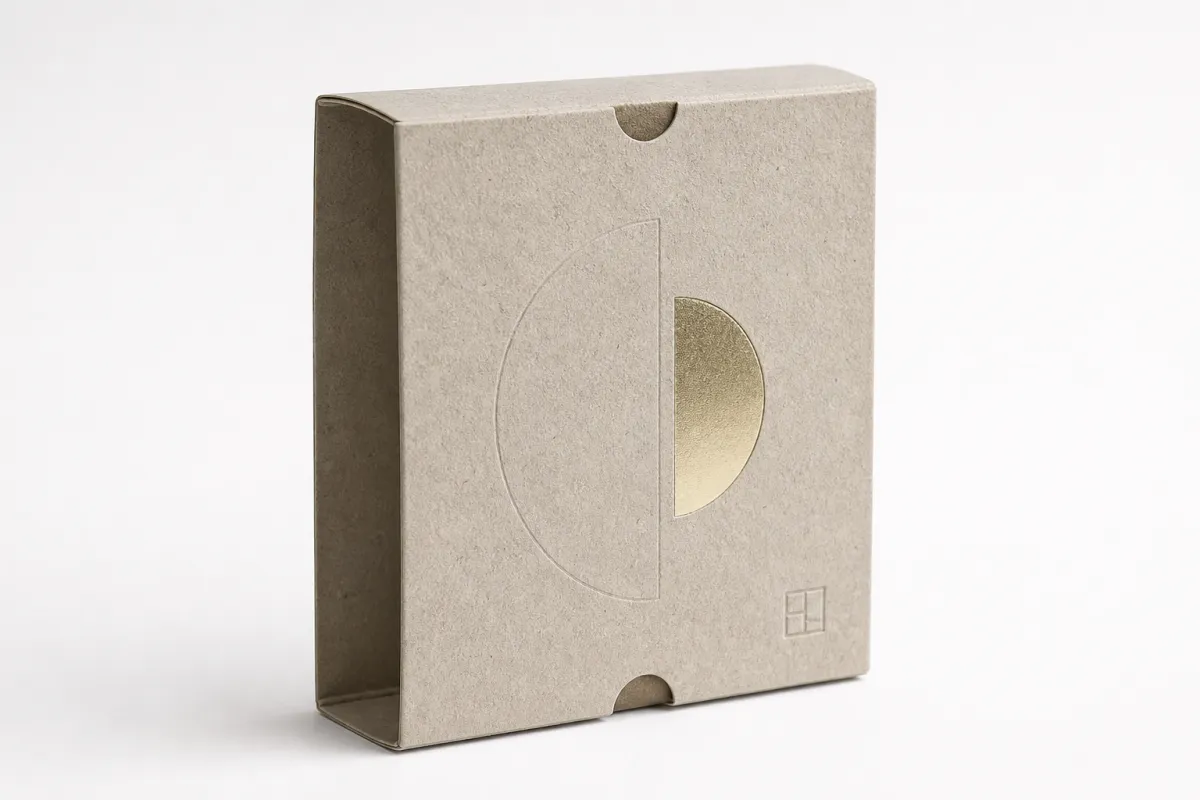
A recycled carton sleeves supplier acts as a materials guide, a production partner, and a packaging problem-solver. The job goes well beyond printing artwork onto recycled board. The supplier has to think through the sleeve format, the carton underneath, the line speed, the shipping format, and the face the customer will see on shelf. Two sleeves can look almost identical in a render and still perform very differently once they move into production. I have seen that happen more than once, usually because a tiny shift in board behavior or score depth changes everything.
In practice, the supplier helps define board type, recycled fiber content, thickness, fold direction, dimensions, finish, and assembly method. A lightweight cosmetics carton may do well with a 250-300 gsm recycled board if the sleeve mainly carries branding and a few key details. A heavier food or wellness pack often needs 300-400 gsm so the sleeve keeps a crisp edge and holds up under repeated handling. Those ranges are not fixed rules, but they are a useful starting point when you are comparing options with a recycled carton sleeves supplier.
It helps to think of the sleeve as a communication layer rather than the whole package. A full carton encloses the product. A sleeve wraps, bands, or fronts the carton with graphics, legal copy, product information, tamper visibility, or seasonal messaging without rebuilding the pack from scratch. That is one reason a recycled carton sleeves supplier often becomes the first call for brands that want to reduce packaging material use without redesigning the entire line.
Recycled does not mean low quality. It means the supplier has to manage more variables. Fiber length, board surface, ink holdout, and crease performance can all shift depending on the recovered fiber blend. A seasoned recycled carton sleeves supplier knows how to balance appearance and convertibility so the sleeve still feels substantial, folds cleanly, and prints sharply. That balance is especially important when the sleeve has large solids, fine type, or a finish that needs to sit evenly across the board.
Good suppliers also pay close attention to dimensional fit. A sleeve that is only a few millimeters off can feel sloppy, drag during application, or pop open at the seam. Machine-applied sleeves demand even tighter tolerances because a tight fold or an oversized panel can slow the line. Sending the base carton sample, not just dimensions, gives the recycled carton sleeves supplier a much better starting point. If the carton has a tuck, a window, or a slightly compressed panel, that detail matters more than people usually think.
- Branding role: the sleeve carries logo, messaging, and seasonal graphics.
- Structural role: the sleeve can tighten the visual fit and improve perceived quality.
- Operational role: the sleeve must load, fold, and apply reliably.
- Sustainability role: recycled fiber can reduce virgin material use and support lighter packs.
From a buyer's point of view, the best recycled carton sleeves supplier is the one that asks useful questions before pricing the job. What is the product weight? Is the sleeve hand-applied or machine-applied? Does the carton underneath have a gloss or matte surface? Will the sleeve carry a barcode, ingredient panel, or regulatory text? Those answers shape the structure, not just the artwork. A supplier that starts with those basics is usually a safer bet than one that rushes straight to a quote.
How a recycled carton sleeves supplier turns board into a finished sleeve
The production path is fairly direct, but the quality of each step shows up in the final piece. A recycled carton sleeves supplier usually starts with file review and dieline confirmation. That sounds basic, yet a surprising number of delays begin with artwork that does not match the actual sleeve dimensions or a dieline that has not been checked against the product sample. One off-spec panel can throw off the whole layout, and then the approvals start slipping.
Once the structure is confirmed, the prepress team checks bleeds, trim, safe zones, color values, and any legal copy that must sit in a specific location. If the sleeve includes variable data, a barcode, or a lot code area, that needs to be planned early. The supplier then moves into print setup. Depending on run size and art style, the job may be printed offset, digital, or flexographic. Each method has its place, and a strong recycled carton sleeves supplier will recommend the one that fits quantity, detail, and budget rather than forcing every job into the same process.
After printing, the board is die cut and scored. This stage creates or solves many sleeve problems. Score depth has to be right because recycled board can crack if the fold line is too aggressive, yet it can also spring open if the score is too shallow. Grain direction matters too. If the grain runs against the fold direction on a long sleeve, the piece can resist the fold and show stress at the edges. A careful recycled carton sleeves supplier checks grain and score direction before production, not after a sample has already failed.
Finishing comes next. Some sleeves only need a simple aqueous coating for scuff resistance. Others benefit from a matte or gloss varnish, especially if the brand wants a softer, more natural recycled look or a brighter retail impact. Soft-touch lamination can feel premium, but it may not fit every recycled format, especially if the buyer wants to preserve a more recyclable paperboard structure. The goal is not to force a flashy finish onto every job. The goal is to match the finish to the product, the shelf, and the handling conditions. That is the part that gets overlooked when the conversation stays too close to aesthetics.
Finally, the sleeves are converted for shipping. They may be delivered flat for manual packing, nested in a way that supports machine feeding, or pre-glued if the line setup calls for it. That choice depends on volume, labor cost, and how much automation the plant already has. A practical recycled carton sleeves supplier will talk about end use in real terms: how the sleeve will be fed, what the application speed looks like, and how much tolerance the line can forgive. Those are not glamorous details, but they are the ones that decide whether the project runs smoothly or turns into a headache.
Here is a simple way to think about the workflow:
- Confirm the carton dimensions and sleeve fit.
- Review artwork, barcodes, and legal copy.
- Choose print method and board spec.
- Print, die cut, score, and finish.
- Pack flat or pre-assembled for delivery.
If any one of those steps is rushed, the final sleeve usually shows it. A good recycled carton sleeves supplier earns trust by slowing down the parts that need attention, then moving quickly through the parts that are already under control. That is not fancy process language; it is just what keeps a job from wobbling halfway through production.
Recycled carton sleeves supplier pricing: cost, MOQ, and quote basics
Pricing for sleeves can look confusing at first because the numbers move with quantity, board choice, and finishing more than many buyers expect. A recycled carton sleeves supplier usually prices around four major buckets: material, setup, conversion, and logistics. If one of those buckets is hidden or underspecified, the quote may look low and still land high once revisions, dies, or freight are added. That is one of the most common traps in packaging buying, and it is easy to miss if the team is moving fast.
The main cost drivers are easy to trace. Heavier recycled board costs more than lighter board. Complex print coverage costs more than a simple one-color layout. Coatings and special finishes add both material and labor. If a new die is needed, tooling can become a real line item. Short runs also push unit pricing up because setup costs spread across fewer pieces. That is why the same recycled carton sleeves supplier may quote very different numbers for 2,500 pieces versus 25,000 pieces. Quantity changes the economics more than many first-time buyers expect.
For rough planning, buyers often see unit pricing around $0.12-$0.35 per sleeve at mid-volume runs, depending on board, size, and print coverage. Small runs can sit higher, especially if there is special finishing or a custom dieline. That range is not a promise, and it should never replace a real quote, but it gives you a practical planning anchor when you first speak with a recycled carton sleeves supplier. If a supplier gives you a number far outside that range, ask what is driving it before you assume the price is simply high or low.
MOQ matters because it changes the economics of the job. A supplier may require 1,000, 2,500, or 5,000 pieces depending on the production method. Digital printing can support lower quantities, while offset or flexo often makes more sense at higher volume. The better question is not "What is your MOQ?" but "What MOQ gives us a sensible unit cost without creating inventory risk?" A good recycled carton sleeves supplier should answer that clearly and without hand-waving.
| Option | Typical Use | Relative Cost | Notes |
|---|---|---|---|
| Light recycled board, simple print | Short-run promo sleeves, lightweight cartons | Low | Best for fast turns and modest shelf demands |
| Midweight recycled board, full-color print | Most retail sleeves | Medium | Good balance of stiffness, image quality, and cost |
| Heavier recycled board, coated finish | Premium products, more handling | Medium-high | Stronger feel, better scuff resistance, higher setup cost |
| Special finish or custom tooling | High-impact launches, distinctive shelf presentation | High | Includes extra prep, proofs, or die work |
That table is not meant to replace a real quote. It is meant to help you ask better questions. A quote from a recycled carton sleeves supplier should clearly state the board specification, print method, finish, quantity break, tooling charge, sample cost, and freight terms. If any of those are missing, the quote is incomplete.
There are also a few pricing traps that are easy to miss. One is quoting from a mockup instead of a proper dieline, which can hide material waste or incorrect dimensions. Another is comparing a recycled board quote against a virgin board quote without checking stiffness or recycled content. A third is assuming the lowest quote is the best, when it may simply be the one with the most excluded costs. A careful recycled carton sleeves supplier should make those differences visible instead of burying them.
Recycled carton sleeves supplier process and timeline: from brief to delivery
Most sleeve projects follow the same basic sequence, even if the details vary. A recycled carton sleeves supplier usually starts with a discovery brief, then moves into specification review, artwork alignment, sample approval, production scheduling, manufacturing, packing, and shipment. The order sounds simple, yet small gaps in the early steps can create real delays later. The smoother the front end is, the less likely you are to scramble at the end.
The discovery brief should include product dimensions, carton style, sleeve function, target recycled content, preferred finish, quantity, and the delivery date that cannot slip. That last point matters more than many teams realize. If the packaging must be at the plant a week before launch, the supplier needs that date, not just the order date. A good recycled carton sleeves supplier plans backward from the actual need, because a ship date on paper is not the same thing as packaging in hand.
Where do delays usually happen? Late artwork changes are one of the biggest culprits. Missing barcode specifications are another. If a retail customer requires a certain quiet zone around the barcode and nobody checks it early, the file may have to go back to design. Unclear dimensions can also cause trouble, especially if the sleeve has to slide over a carton with tight tolerances. A reliable recycled carton sleeves supplier will ask for the carton sample and the exact applied position, not just the nominal size. That might feel a little fussy at the start, but it saves time later.
Timeline depends on complexity. A simple repeat order can move quickly once the dieline and artwork are approved, sometimes in 10-15 business days for production, plus freight time. A new sleeve design with custom die tooling, print proofing, and a finish that needs extra testing may take longer. That is normal. The smarter move is to ask for two clocks: factory production time and transit time. If a recycled carton sleeves supplier only gives you one of those numbers, you do not yet have the full picture.
It also helps to know which standards or verification points matter for your project. For shipping performance, many brands look at ASTM or ISTA test protocols, especially if sleeves are part of a larger retail pack that still needs to survive distribution. The International Safe Transit Association has useful guidance on package testing and shipping methods at ista.org. For fiber sourcing and chain-of-custody questions, FSC documentation can be relevant, and you can review the program at fsc.org. A thoughtful recycled carton sleeves supplier should be comfortable speaking to both material claims and performance expectations, even if the final claim language needs to be reviewed by your own compliance team.
In a well-run project, sample approval becomes the hinge point. Once the sample is accepted, the rest is about execution. That is why many buyers ask for a production-ready prototype on the actual recycled board, not just a digital mockup. The sample lets the team confirm fold behavior, print clarity, color tone, and how the sleeve sits against the base carton. If there is any doubt, test it on the packing line. A desk sample can look perfect and still fail once the line starts moving.
Common mistakes when choosing a recycled carton sleeves supplier
The first mistake is vague specification work. If the supplier does not know the exact carton dimensions, the sleeve application method, and the tolerance window, the finished pack can end up too loose, too tight, or awkward to assemble. A recycled carton sleeves supplier can only make smart material choices if the brief is detailed enough to support them. Broad descriptions lead to broad answers, and broad answers usually do not hold up in production.
The second mistake is judging recycled content by appearance alone. Natural-looking board is not automatically stronger, greener, or better suited to every product. Recycled board can vary in brightness, stiffness, surface smoothness, and post-consumer content. A sleeve that looks eco-friendly in a render may still need a coating or a slightly heavier caliper to behave well on the line. A good recycled carton sleeves supplier will explain those tradeoffs plainly instead of pretending one material fits every use case.
The third mistake is underestimating finish performance. Matte coatings can reduce glare and make a design feel calmer, but they may also show rub differently than a gloss or aqueous finish. Soft-touch can feel premium, but it may hold fingerprints or scuff in transit. If the sleeve will be touched frequently, stacked in trays, or packed in bundles, finish should be tested rather than guessed. That is a conversation worth having with a recycled carton sleeves supplier before the artwork is locked.
The fourth mistake is chasing the lowest price without checking repeatability. Packaging is not a one-time art project. It needs to repeat across product runs, seasonal changes, and reorder cycles. If a supplier cannot hold color, maintain board consistency, or hit the same score quality on a repeat job, the apparent savings disappear fast. A dependable recycled carton sleeves supplier protects the brand from that kind of drift.
There is also a habit of treating sleeves as decorative rather than functional. That is where trouble starts. If the sleeve carries tamper visibility, legal information, or a barcode that needs clean scanning, it is no longer just a branding layer. It becomes part of the product's operational and compliance story. The supplier needs to know that from the beginning. A careful recycled carton sleeves supplier will ask about all of it, because sleeves often do more work than buyers first assume.
One more issue deserves attention: shipping assumptions. Even a well-made sleeve can arrive damaged if it is packed poorly or if the board is too light for the route. Carton sleeves can rub, crease, or warp if the outer packaging is not suited to the distribution path. If your product is going into e-commerce, warehouse picking, or retail replenishment, ask the recycled carton sleeves supplier how they pack the sleeves for transport and whether they have seen scuffing on similar jobs. That is a practical question, not a picky one.
Expert tips for working with a recycled carton sleeves supplier
Send complete artwork early. That sounds obvious, but it saves more time than almost anything else. A production-ready dieline, print file, barcode file, and copy deck can reduce proof rounds and keep the order moving. If there are multiple SKUs, label them clearly. A recycled carton sleeves supplier can handle complexity, but not if the files arrive in a pile with no version control. Clean inputs make for cleaner output, and the project tends to behave better from there.
Test the sample on the actual packing line. Not on a clean conference table. Not in a designer's hands. On the line, where operators are moving fast and the product is traveling through the real process. A sleeve can feel fine in the office and still behave differently once fold pressure, hand speed, or machine feed enters the picture. This is one of the simplest ways to avoid rework with a recycled carton sleeves supplier. It is also where a lot of teams quietly discover that a tiny fold change matters more than a fancy coating.
Ask for sustainability evidence that can be documented. If recycled fiber content matters to your claim, ask what the board contains and how that claim can be supported. If FSC-certified stock is part of the plan, check the chain-of-custody paperwork and make sure the certification details match what you intend to say on the pack. A recycled carton sleeves supplier should not write your marketing language for you, but they should be able to give you the material facts you need to keep the claim accurate.
One useful habit is to lock the control points for the first approved job: board spec, artwork version, finish, folding orientation, color target, and tolerance range. That way a reorder does not turn into a new guessing game. I have seen teams save a lot of stress simply by treating the first approved sleeve as the reference standard. A disciplined recycled carton sleeves supplier will appreciate that kind of clarity because it reduces the chance of a costly mismatch on repeat production.
It also helps to ask how the supplier handles color expectations on recycled board. Recycled surfaces can behave a little differently from coated virgin boards, so a perfect screen match is not always realistic. A practical supplier will talk in terms of acceptable delta, proofing method, and how much variation is normal from batch to batch. That is the kind of plain-language guidance that separates a helpful recycled carton sleeves supplier from one that only wants to move a purchase order. Nobody needs a polished answer that falls apart on press.
Finally, keep the operations team in the loop. Packaging buyers sometimes approve samples without the people who will actually load, fold, or stage the product. That is a mistake. The best sleeve is the one that looks right and runs cleanly. A recycled carton sleeves supplier can help get you there, but only if the production side is part of the approval process. In practice, that usually means the plant, the packager, and the buyer should all sign off before the order is locked.
For broader packaging standards and material guidance, it can also be helpful to review resources from the EPA recycling program, especially if your team is trying to align pack design with end-of-life messaging. That kind of reference does not replace supplier knowledge, but it gives your team a stronger vocabulary when you sit down with a recycled carton sleeves supplier.
Next steps for choosing a recycled carton sleeves supplier
If you are narrowing down options, start with the facts that shape the sleeve the most: product dimensions, carton style, target recycled content, print coverage, quantity, and the date the packaging must arrive. With those basics in place, a recycled carton sleeves supplier can build a meaningful quote instead of a rough guess. That saves time for everyone and makes comparison much easier. It also gives you a cleaner way to spot missing costs before the job starts drifting.
Then ask for a sample or prototype and review it with both packaging and operations teams. The packaging side will judge graphics, fit, and structure. The operations side will judge speed, handling, and whether the sleeve behaves well during application. Those perspectives are different, and you need both. A strong recycled carton sleeves supplier should welcome that kind of review because it improves the odds of a clean launch and fewer surprises after approval.
When you compare suppliers, do not stop at price. Check how fast they respond, how clearly they explain the quote, whether they identify tooling and freight separately, and how comfortable they are discussing recycled board options. A low quote from a supplier that cannot explain the board spec is not a bargain. A slightly higher quote from a recycled carton sleeves supplier that gives clean documentation and dependable timing is often the safer business choice. Cheap packaging gets expensive pretty quickly if it causes a line stop or a reprint.
For brands that want packaging to feel cleaner, lighter, and more credible on shelf, sleeves are a smart place to start. They can reduce material use, preserve branding space, and support a more disciplined packaging system without forcing a full carton redesign. That is why Choosing the Right recycled carton sleeves supplier matters so much. It is not just a print purchase. It is a packaging decision that affects the shelf, the line, the freight box, and the customer experience all at once.
If you are preparing a launch, the most practical next move is to gather the carton dimensions, define the look you want, confirm the recycled content target, and ask a recycled carton sleeves supplier for a sample-driven quote. The right partner will use those details to shape a sleeve that looks good, runs cleanly, and arrives when the line needs it. That is the standard worth aiming for, and the clearest sign that you have found a supplier that understands both packaging and production.
How do I compare recycled carton sleeves suppliers for a new product launch?
Ask each supplier for the same dimensions, recycled content target, print requirements, and quantity so the quotes are truly comparable. Check whether the price includes tooling, proofs, freight, and revision rounds. Review sample quality and communication speed, because launch risk is often about execution, not just cost. The numbers matter, but the response time matters too.
What board thickness should a recycled carton sleeves supplier recommend?
The right thickness depends on sleeve size, how much product protection you need, and whether the sleeve is hand-applied or machine-applied. A supplier should balance stiffness with foldability so the sleeve keeps its shape without cracking on the score lines. Ask for a sample on the exact substrate before you approve production. Recycled board can feel different from virgin board, so the real sample tells you more than a spec line ever will.
How long does a recycled carton sleeves supplier usually need for production?
Simple repeat orders can move quickly once the dieline and artwork are approved. New designs usually take longer because of sample approval, print setup, and die cutting. Always ask for both production lead time and shipping time so your launch calendar stays realistic. If the job includes custom tooling, build in a little extra breathing room because that part tends to slow things down.
What should be included in a quote from a recycled carton sleeves supplier?
The quote should clearly show unit price, setup charges, tooling, sample costs, and freight terms. It should also state the board specification, print method, finish, and minimum order quantity. If any of those details are missing, ask before comparing it with other offers. A complete quote is easier to trust, and it usually leads to fewer disputes later.
Can a recycled carton sleeves supplier help with sustainable packaging claims?
Yes, a good supplier can provide material details that support claims about recycled content and recyclability. You still need to verify that your marketing language matches the actual board, inks, and coatings used. Keep documentation on file so your claims stay accurate if the pack is audited or reviewed later. The supplier can supply facts; your team still owns the wording.
Related packaging resources
Use these related guides to compare specs, costs, quality checks, and buyer decisions before making the final call.