Buyer Fit Snapshot
| Best fit | Recycled Packaging Boxes Cost projects where brand print, material claims, artwork control, MOQ, and repeat-order consistency need to be specified before quoting. |
|---|---|
| Quote inputs | Share finished size, material target, print colors, finish, packing count, annual reorder estimate, ship-to region, and any compliance wording. |
| Proofing check | Approve dieline scale, logo placement, barcode or warning zones, color tolerance, closure strength, and carton packing before bulk production. |
| Main risk | Vague material claims, crowded artwork, missing packing details, or unclear freight terms can make a low unit price expensive after revisions. |
Fast answer: Recycled Packaging Boxes Cost: Pricing, MOQ, and Value should be specified like a repeatable production item. The safest quote records material, print method, finish, artwork proof, packing count, and reorder notes in one written spec.
Production checks before approval
Compare the actual filled-product size with the drawing, then confirm tolerance on folds, seals, hang holes, label areas, and retail display edges. Reserve space for logos, QR codes, warning copy, and material claims before decorative graphics fill the panel.
Quote comparison points
Review material grade, print process, finish, sampling route, tooling charges, carton quantity, and freight assumptions side by side. A quote is only useful when the supplier can repeat the same color, closure quality, and packing count on the next order.
Recycled Packaging Boxes Cost: Pricing, MOQ, and Value
For most buyers, Recycled Packaging Boxes cost looks straightforward until the first quote lands in the inbox. Then the numbers split. Two boxes can look nearly identical on a screen, yet one uses heavier board, another carries tighter tolerances, and a third needs a print setup that eats time before the first sheet even runs. I have seen a 1/4-inch change in depth turn into a noticeably different pallet count, which then changed freight, storage, and damage risk. That is usually where the surprise begins.
What Drives Recycled Packaging Boxes Cost?
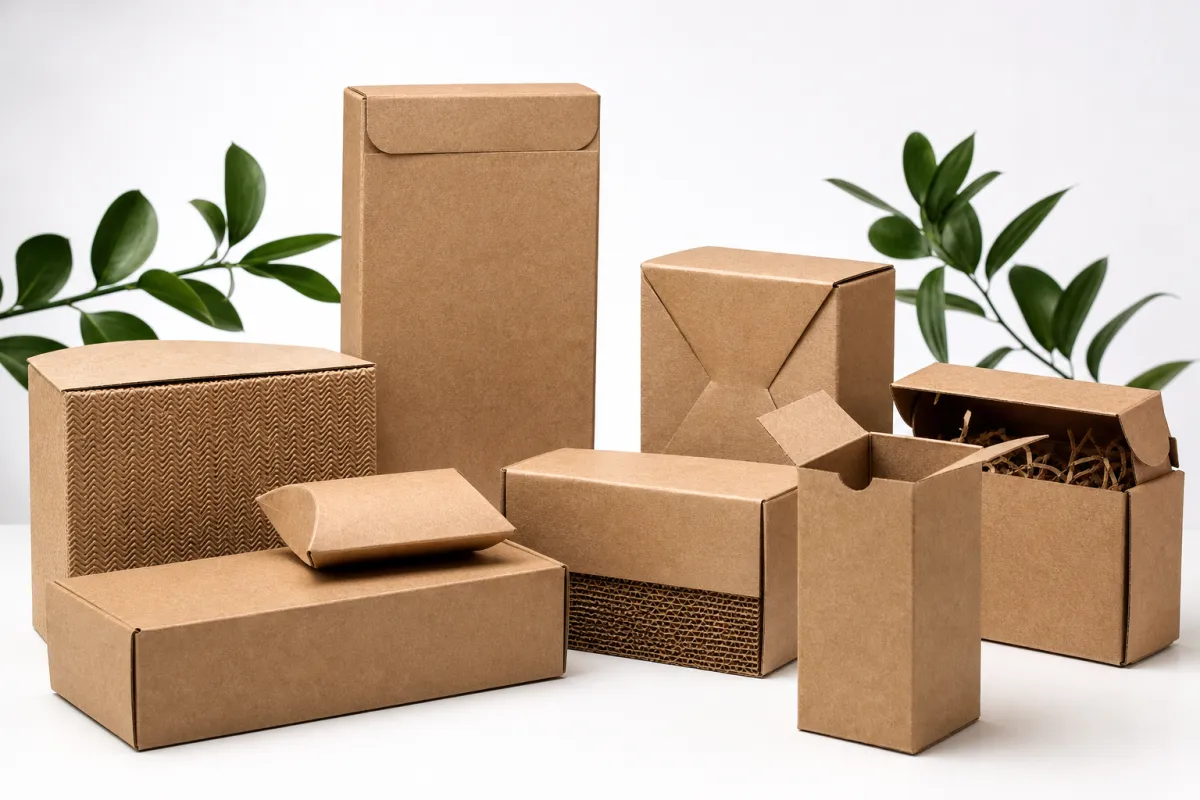
Recycled packaging boxes cost is driven by four things first: board grade, size, print complexity, and quantity. Once those are set, the rest of the quote becomes easier to read. A standard Recycled Corrugated Mailer at volume can be surprisingly efficient, while a custom die-cut retail carton with full-color print, coating, and inserts can climb quickly. The material name matters, but it is only one part of the equation.
For a clean estimate, suppliers need the internal dimensions, the product weight, the shipping method, and the finish requirements. Without those details, recycled packaging boxes cost is only a rough placeholder. With them, the quote can reflect the real job: how much board is required, how much setup time is involved, and how much freight will be added before the boxes reach your dock. That last piece gets overlooked a lot, and it can make a quote look better on paper than it is in practice.
The shortest answer is this: recycled packaging boxes cost rises when the box gets larger, stronger, more customized, or harder to run. It falls when the design is standardized, the print is simple, and the order volume is high enough to absorb setup costs. That pattern holds across corrugated mailers, folding cartons, and kraft-lined shipping boxes. It also holds when someone is trying to save a few cents per unit but quietly adds a coating, an insert, and a custom die. The cents stop being cents pretty fast.
Why Recycled Packaging Boxes Cost Can Surprise Buyers
The first lesson is plain: recycled packaging boxes cost is not set by the word recycled alone, and it is not determined by appearance either. A pair of corrugated mailers may look almost identical online, but one might use a stronger flute profile, one extra print pass, and a dieline that trims the interior more tightly. Those differences change material usage, machine setup, and freight efficiency all at once. That is why recycled packaging boxes cost can move far more than buyers expect.
Recycled does not mean cheap. It also does not mean expensive. The real number depends on fit, structure, conversion efficiency, and how much wasted space the carton leaves behind. A box that fits better can lower damage rates, reduce filler, and cut replacement shipments. Seen that way, recycled packaging boxes cost should be measured against the full packaging spend, not just the carton price. That is the kind of comparison procurement teams tend to trust, because it makes sense across finance, operations, and customer service.
Comparing quotes without matching the spec is where budgets go sideways. One supplier may quote a 32 ECT recycled mailer with one-color flexographic print, while another prices a heavier board, a different die line, and a coated finish. That is not the same product. It never was. Recycled packaging boxes cost can look high or low for reasons that have nothing to do with value if the underlying details change from quote to quote.
"If the size, board grade, and print coverage are not locked, the quote is only a starting point."
That is the factory-floor reality. A smart carton saves money by trimming waste, reducing assembly time, and protecting the product during transit. In many cases, a slightly better structure delivers a lower landed cost because fewer units fail in shipping and the shipper can pack more efficiently. So yes, recycled packaging boxes cost matters. The sharper question is what the buyer gets for the money, and whether the box does the job without paying for extras that add no value.
Early in the buying process, performance deserves the first look. A recycled mailer for e-commerce, a folding carton for retail packaging, and a carton for light industrial parts all behave differently. The best quote is the one that fits the actual use case, not the cheapest line item on paper. That is how recycled packaging boxes cost becomes useful instead of confusing. If your team is comparing options and the specs are still fuzzy, pause there. Guessing at dimensions is how people end up overbuying board or underbuying protection.
What You Get With Recycled Packaging Boxes
Recycled packaging boxes come in several material families, and each one serves a different budget and performance target. Buyers usually see recycled corrugated board, recycled paperboard, kraft-lined stock, and mixed-fiber constructions. Corrugated is the workhorse for shipping, especially for e-commerce and wholesale distribution, because it offers stacking strength and crush resistance. Paperboard is more common in retail packaging, where presentation matters and the product is lighter. Kraft-lined stock gives a natural look that works well for branded packaging without heavy print coverage. Mixed-fiber options can help when sustainability targets and cost need to stay in the same lane.
Box style changes the price as much as board type. A mailer with tuck flaps is not priced like a folding carton, and a standard shipping carton is different again because it is built for transit, not shelf display. Custom printed boxes with locking tabs or window cutouts take more setup and often create more waste from the sheet, which affects recycled packaging boxes cost directly. If the box needs to nest, print inside and out, or assemble quickly, that structure should be in the quote from the beginning. A style that saves packing time on the back end can be worth a slightly higher unit price. That trade-off is real, not theoretical.
Print and finish choices also shape the final number. A single-color flexographic mark on uncoated recycled board is one of the most economical ways to build package branding. Offset print, heavy ink coverage, aqueous coatings, and specialty varnishes add cost because they bring extra steps, materials, and sometimes slower machine speeds. The same is true for foil, embossing, or spot coating. Those details can look sharp, but they should be added because they support the packaging strategy, not because they were sitting there as a default.
Structural add-ons belong in the same conversation. Inserts, partitions, tear strips, reinforced corners, and custom die-cuts can be worth the money if the product is fragile or the shipment faces rough handling, but they also raise recycled packaging boxes cost. The question is whether they prevent damage or improve pack-out enough to justify the spend. In practice, a well-planned insert can cost less than overbuilding the outer carton or stuffing the box with too much filler. I have watched a clean insert design save more money than three rounds of carton redesign. Kinda annoying for anyone hoping the cheapest board would solve everything, but that is how it goes.
These boxes show up across a wide range of industries. E-commerce brands use them for direct-to-consumer shipments, subscription programs use them for a consistent unboxing experience, food and beauty companies use lighter paperboard structures for retail packaging, and light industrial buyers often choose recycled corrugated cartons for hardware, replacement parts, and accessories. The right format depends on product weight, retail display needs, and the route the box will travel. If you want to compare common styles, the Custom Packaging Products page is a useful place to start.
For buyers trying to see how construction changes recycled packaging boxes cost, the practical move is to narrow the job before asking for pricing. Once the format is clear, the quote becomes easier to read. If the project is still flexible, compare a standard mailer, a reinforced shipper, and a retail-ready carton side by side so you can see where the unit cost shifts and where the value sits.
Recycled Packaging Boxes Cost: Key Specifications That Matter
When buyers ask why recycled packaging boxes cost varies so much, the answer usually starts with the spec sheet. Box dimensions are the first major driver because even a small increase in length, width, or depth changes the blank size and material usage. Add one inch in each direction and the sheet requirement can climb fast. That affects board consumption, sheet yield, and how many pieces fit per run. A tighter fit matters because less empty space means less board, less filler, and often a lower landed cost.
Board caliper and flute profile come next. A B flute, E flute, or combination board will perform differently under load, and the difference shows up in recycled packaging boxes cost as well as in the final shipping result. Single-wall corrugated is common for lighter products and lower freight exposure, while heavier products may need stronger board or double-wall construction. If the box has to support stacking in a warehouse, survive parcel sorting, or meet crush requirements, the material choice should be based on performance data rather than instinct. In real terms, that means a buyer should ask for the test basis, not just the marketing language.
Print area and ink count are easy to underestimate. A one-color logo in a limited area is much simpler than full-bleed graphics covering every panel. More coverage means more ink, more setup time, and sometimes tighter production controls to keep registration clean. That is why recycled packaging boxes cost can climb quickly for custom printed boxes with rich artwork, gradients, or multiple print passes. If budget is tight, reducing coverage while keeping the front panel strong often delivers the best balance between brand presence and cost control.
Tolerance and performance details matter as much as the visible design. If a product has sharp corners, if the shipment will travel through humid lanes, or if the box must stack for weeks before use, the carton spec should account for crush resistance, moisture exposure, and dimensional stability. Buyers sometimes chase a lower recycled packaging boxes cost and pay for it later in damage, returns, or customer complaints. That is a false economy, especially for retail packaging that has to arrive looking clean and consistent.
Custom tooling is another factor. Standard sizes are cheaper because the plant can run them more efficiently, but custom die-cut shapes may reduce waste and improve pack-out enough to justify the setup. Non-standard sizes can also let you remove filler, reduce carton cube, and improve pallet density. The tooling fee adds to recycled packaging boxes cost, yes, but a smarter die line can pay for itself over time through better distribution efficiency. The trick is to treat tooling as an investment, not a nuisance line item.
Here is the buying checklist I recommend before requesting quotes:
- Exact internal dimensions and whether they are inside or outside measurements.
- Product weight and whether the carton must carry that weight alone or with inserts.
- Shipping method such as parcel, LTL, or palletized freight.
- Finish requirements including uncoated, aqueous coating, or specialty treatment.
- Performance target such as shelf display, parcel handling, or warehouse stacking.
- Artwork details including ink count, coverage area, and file format.
Send those details upfront and recycled packaging boxes cost becomes much easier to quote accurately. Leave them vague and the price will be vague too, which usually creates delays later in the process.
For buyers comparing recycled content claims, it can help to review external guidance from the EPA Sustainable Materials Management program and confirm whether the fiber sourcing aligns with procurement goals. Material traceability is not just a sustainability checkbox; it can influence customer trust, retailer acceptance, and internal reporting.
Pricing, MOQ, and How Recycled Packaging Boxes Cost Is Calculated
Recycled packaging boxes cost is built from a set of practical line items: raw board, conversion labor, print setup, cutting and creasing, glue or folding, inspection, packing for shipment, and freight to the final destination. Buyers often focus on board price alone, but the finished carton price includes much more than paper. If the box needs special nesting, inner partitions, or a difficult fold sequence, labor rises. If the order is heading overseas or into a remote freight lane, transportation can become one of the largest pieces of the landed total.
Volume matters because machine efficiency improves as the run gets larger. Smaller runs carry a heavier share of setup cost per unit, so recycled packaging boxes cost is usually higher on pilot orders, launch quantities, or test markets. Larger runs spread tooling, plate charges, and make-ready time over more cartons, which lowers unit cost. That is why two quotes for the same box can look very different if one is for 500 units and the other is for 5,000. The structure is the same, but the economics are not.
MOQ, or minimum order quantity, is not a random number. It reflects material availability, print method, die-cutting efficiency, and the practical limits of the production line. A simple recycled mailer in a standard size may support a lower MOQ, while a fully custom box with a unique die and multi-color print may require a larger commitment. For buyers managing inventory tightly, MOQ is often the real decision point because it affects storage, cash flow, and how much obsolete packaging risk you are willing to carry.
Some costs are easy to overlook. Plate charges, die charges, proof fees, prototype sampling, rush production, and special packaging requests can all appear on a quote if they are part of the job. Imported freight surcharges can also move the landed number more than expected, especially when fuel or port handling changes. This is why recycled packaging boxes cost should always be reviewed as a full quote, not as a headline unit price pulled out of context. A low unit price with expensive freight is still a high-cost order.
A clean comparison framework helps buyers judge quotes correctly:
- Check that the spec is identical across all suppliers.
- Confirm whether the price includes freight, packaging, and any handling charges.
- Ask what the quote covers for proofs, sampling, and tooling.
- Compare lead time in business days, not vague promises.
- Verify whether the quote is for bulk-packed units or pre-assembled cartons.
That framework keeps recycled packaging boxes cost grounded in reality. It also protects you from comparing a low production price against a high landed cost, which is a common mistake when people Buy Custom Packaging for the first time. If the supplier is clear and the spec is locked, the quote becomes useful. If either piece is missing, the number can mislead more than it helps.
To make the economics more concrete, the table below shows how typical structures can shift price and MOQ. These are not universal rates, because board market conditions and freight lanes change, but they reflect the kind of spread buyers usually see when they request recycled packaging boxes cost quotes.
| Box style | Common board | Typical MOQ | Typical unit range | Best use case |
|---|---|---|---|---|
| Standard mailer box | E flute recycled corrugated | 500-1,000 units | $0.60-$1.25 | E-commerce, subscription, lighter product packaging |
| Custom printed shipper | B flute or single-wall recycled corrugated | 1,000-3,000 units | $0.45-$1.10 | General shipping, branded packaging, retail replenishment |
| Retail folding carton | Recycled paperboard or kraft-lined stock | 2,000-5,000 units | $0.18-$0.55 | Shelf display, light products, cosmetic and health categories |
| Heavy-duty custom carton | Reinforced corrugated or double-wall | 1,000-2,500 units | $1.10-$2.75 | Fragile goods, heavier parts, higher stack load |
These numbers matter because they show direction, not just headline totals. A buyer who understands recycled packaging boxes cost can see that a lower-cost retail carton may be perfect for a light product, while a pricier heavy-duty shipper may actually lower the total cost of ownership by reducing breakage and freight damage. That is the part that gets missed when people focus only on unit price.
For teams that buy across multiple SKUs, standardizing a few core footprints often helps more than redesigning every carton from scratch. One die can serve several product lines with modest artwork changes. That keeps recycled packaging boxes cost under control without flattening the brand. It also makes replenishment easier because the same board grade and die can support more than one program. Put differently, less chaos in the carton line usually means less chaos in purchasing.
From Quote to Delivery: Process and Timeline
The normal path from inquiry to shipment starts with a specification review. A good supplier will ask for dimensions, product weight, artwork files, destination, quantity, and the shipping method. That front-end work is not busywork; it determines whether recycled packaging boxes cost stays stable or gets corrected later. If the box is for parcel shipping, the structure may need better crush resistance. If it is for a retail shelf, the print and finish may matter more than raw strength. The quote has to reflect that reality from the start.
Once the spec is clear, pricing is usually followed by proofing and sampling. Depending on the job, that can mean a digital proof, a cut sample, or a physical prototype. Sample approval is often where custom recycled packaging boxes cost rises a bit, because short-run prototyping uses extra setup and extra material. That is not a bad thing if the product is fragile or the box is going to be used at scale. Catching a fit issue before production is always cheaper than correcting thousands of units later.
Timeline variables are easy to underestimate. Tool creation adds time for custom shapes, board availability affects when the line can run, and print complexity influences how quickly the order can move through the plant. Transportation is the final variable, and it can be the least predictable if the boxes are being delivered across long distances. For standard constructions, the process may move in about 12-15 business days after proof approval, but a more detailed job with custom dies or special board may require longer. Recycled packaging boxes cost and lead time often rise together when the specification becomes more specialized.
There are also ways to shorten the schedule without sacrificing quality. Choosing a standard box style can save days. Approving artwork quickly keeps the line moving. Aligning your quantity with the production lane available at the plant reduces changeover time. If you can accept a standard recycled corrugated structure rather than a fully custom die-cut, you may lower recycled packaging boxes cost and improve delivery speed at the same time. That is especially useful for launch programs, seasonal packaging, or replenishment orders with tight inventory windows.
For distribution testing, many buyers use standards such as ISTA procedures or ASTM distribution guidance to judge whether the carton will survive the real shipping environment. That matters because a box that looks good on a desk can still fail once it sees vibration, compression, or drop impact. If the packaging is doing the work of protecting a product through transit, then testing is part of the cost equation, not a side topic.
A practical workflow looks like this:
- Send the product spec and artwork.
- Receive pricing with quantity tiers.
- Approve the proof or sample.
- Confirm tooling and production slot.
- Review packing method and freight terms.
- Track shipment and inspect the first inbound lot.
That process keeps recycled packaging boxes cost visible at each step. It also gives you a chance to correct material, print, or fit issues before they become expensive mistakes. The buyers who move fastest are the ones who send complete information the first time and make decisions on the same day they receive a corrected proof. That kind of clarity saves money and time, and it keeps the project from drifting into avoidable rework.
Why Buyers Choose Our Recycled Packaging Boxes
Buyers usually come to Custom Logo Things because they want a practical sourcing partner, not a pile of vague options. The goal is to right-size the box, select a recycled board that actually fits the product, and keep recycled packaging boxes cost tied to real specifications rather than fluffy sales language. That matters even more when the packaging has to support shipping performance and branded packaging expectations at the same time.
Clear quoting is one of the biggest advantages. When material, setup, and freight are separated cleanly, buyers can see what is driving the number and where they have room to optimize. In many projects, recycled packaging boxes cost can be reduced by changing one variable at a time: simplify the print, adjust the depth slightly, or move to a standard size that runs more efficiently. Those are real procurement levers, not marketing phrases.
Consistency matters too. A box that folds cleanly the first time should fold cleanly on the ten-thousandth unit if the spec does not change. That reliability affects assembly speed, case packing, and customer perception. When a carton opens badly, prints crookedly, or ships with inconsistent dimensions, the packaging loses credibility. That is why production control belongs in the value equation, and it is why recycled packaging boxes cost should be measured against output quality, not just the invoice line.
Scalability is another reason buyers stay with a supplier that understands packaging design. A launch order may start at a modest MOQ, but if the product gains traction, the same carton should be able to move into replenishment without forcing a complete redesign. That continuity protects the brand and simplifies procurement. It also keeps recycled packaging boxes cost from jumping every time order volume changes. Nobody wants to redesign a working carton just because the business is finally growing, right?
There is also a sustainability angle, and it should be handled carefully and honestly. Recycled board, FSC-related fiber claims, and material documentation can help with reporting and retailer requirements, but they do not replace good design. A box that uses recycled content yet fails in transit is not a win. The better approach is to combine sensible material selection with the least wasteful structure that can still do the job. That is how recycled packaging boxes cost stays aligned with performance and environmental goals at the same time.
If you are comparing formats or planning a line refresh, the Custom Packaging Products page can help you narrow the construction before you request a formal quote. Once the format is settled, the conversation becomes more productive because recycled packaging boxes cost can be evaluated on the same baseline across suppliers.
One thing buyers appreciate is that a realistic quote includes the unglamorous details: stacking requirements, shipment method, pallet count, and how the cartons will be packed for transit. Those details rarely make it into a polished sales presentation, but they matter more than a glossy slide deck. That is the kind of grounded support most teams need when they are balancing unit cost, MOQ, and customer-facing quality.
Next Steps to Get an Accurate Quote
If you want a useful quote, the best move is to send complete information the first time. Include product dimensions, target quantity, product weight, print expectations, finish preferences, and the destination ZIP or postal code for freight estimates. Those details allow the supplier to calculate recycled packaging boxes cost based on the actual job instead of guessing at the missing pieces. The more precise the input, the more reliable the output.
Ask for at least two pricing tiers. A smaller tier shows the pilot-run economics, while a larger tier shows how recycled packaging boxes cost changes when the order reaches better production efficiency. That comparison helps buyers choose between a test launch, a replenishment order, or a full production run. It also reveals whether the MOQ is practical for your inventory plan.
If the carton has to protect fragile goods, request a sample or a spec comparison before approving the order. A slightly heavier board, a different flute, or a revised insert can prevent expensive damage later. This is one of those cases where recycled packaging boxes cost should be compared against breakage, customer service time, and replacement units. A small increase in box cost can be the cheapest way to reduce total loss.
Before you sign off, confirm lead time, MOQ, and freight terms. Ask whether the quote is FOB, EXW, or delivered, and check whether the units are bulk-packed or pre-assembled. Those details matter because they change handling cost and storage space. If they are unclear, recycled packaging boxes cost will be harder to reconcile with your internal budget once the shipment lands.
Here is the simple rule I give purchasing teams: lock the spec first, then compare quotes on the same construction, quantity, and delivery terms. That keeps recycled packaging boxes cost honest and makes the decision easier. It also prevents a lot of back-and-forth after the order is placed, which is usually where hidden expense shows up. If you are gonna spend time anywhere, spend it here, not after the cartons are already on the water.
For teams that buy recurring packaging, standardizing a handful of dimensions can make a real difference. The same die line can often serve multiple SKUs with only minor artwork changes, and that can lower recycled packaging boxes cost over the full buying cycle. The result is less design churn, cleaner purchasing, and a more predictable supply plan. That is good packaging management, not just good pricing.
Frequently Asked Questions
What affects recycled packaging boxes cost the most?
Board grade, box size, print coverage, and order quantity usually have the biggest impact on price. Freight and the way the boxes are packed for shipment can also change the final landed number more than buyers expect. If the project needs custom dies, coatings, inserts, or unusual dimensions, recycled packaging boxes cost will rise because the job uses more material and more setup time.
Do recycled packaging boxes cost more than virgin board boxes?
Not always. The final price depends on structure, print method, and volume, and a recycled option can be very close in price when the construction is standardized and the run is large enough. For many buyers, the better question is which option gives the lowest total packaging cost after damage, freight, and waste are included. That is where recycled packaging boxes cost becomes a business decision rather than a simple material comparison.
What is the MOQ for recycled packaging boxes?
MOQ depends on the box style, material availability, and whether the order is stock-based or fully custom. Simple designs with standard sizes often support lower minimums than specialty die-cut boxes, especially when print coverage is limited. If you want a clear answer, ask for tiered quotes so you can see how recycled packaging boxes cost changes between a pilot run and a full production order.
How long do recycled packaging boxes take to produce?
Timing usually includes quote approval, proofing, sampling if needed, production, and freight transit. Standard constructions move faster than custom shapes, heavy print coverage, or orders that require tooling. Fast approval on artwork and specs is the easiest way to shorten the schedule, and it usually helps keep recycled packaging boxes cost from creeping up due to rush handling or split shipments.
How can I lower recycled packaging boxes cost without hurting quality?
Use the smallest box that still protects the product and standardize dimensions where possible. Simplify print coverage, limit special finishes, and choose a structure that machines efficiently. Consolidating orders and aligning MOQ with actual usage can lower the unit price without compromising performance. In practice, those changes often do more for recycled packaging boxes cost than chasing the lowest board grade alone.
Recycled packaging boxes cost is easiest to manage when the spec is clear, the MOQ matches the buying plan, and the carton is designed for the real shipping environment instead of a hypothetical one. When those pieces align, the price makes sense, the product travels better, and the packaging supports the brand instead of fighting it. If you want a quote that reflects the actual job, send the dimensions, quantity, artwork, finish preferences, and freight destination, then compare options on the same construction Before You Buy. That is the cleanest way to turn a noisy pricing conversation into a decision you can stand behind.


