A clear poly retail bags Unit Cost Breakdown only helps if it shows the real packaging cost, not just the bag price. Film gauge, bag size, seal style, and display features can move the quote more than a small material change, so buyers get better pricing when the spec is set early.
The comparison should go beyond resin. Clear bags can reduce print needs, keep the product visible, and simplify pack-out. They also stay lightweight, which helps freight and storage density. The right question is not “What does the bag cost?” but “What does a sellable unit cost once it is packed, shipped, and ready for the shelf?”
That is why the brief matters. Define the product, quantity, and handling needs before requesting samples. Once those inputs are set, it is easier to tell whether a low quote is truly efficient or just incomplete.
Why Clear Poly Retail Bags Can Beat Heavier Packaging on Cost
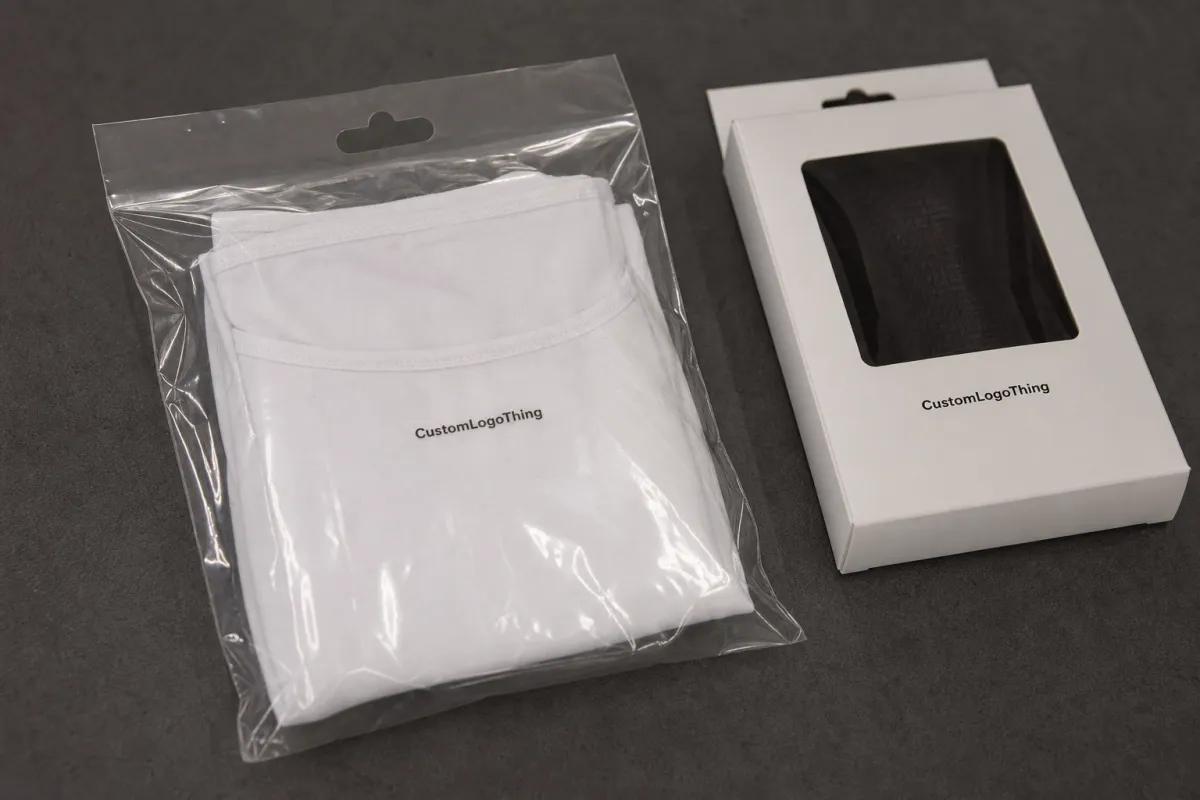
Clear poly is often cost-effective because it does several jobs at once: it protects against dust and scuffs, shows the product clearly, and usually uses less material than a carton or decorative pouch. On high-volume replenishment runs, that combination can matter more than the unit price alone.
Visibility also has value. If color, texture, finish, or shape helps the item sell, a transparent bag can replace a printed insert or extra label layer. That lowers component count and can reduce pack-out time, which is often where hidden cost shows up.
For buyers comparing a clear poly retail bags Unit Cost Breakdown across formats, the better metric is landed cost per sellable unit. Material, packing labor, carton efficiency, and freight should be reviewed together. A slightly higher bag price can still win if it reduces weight, rework, or assembly time.
Film thickness is a good example. One extra mil can improve stiffness and puncture resistance, but it also increases resin use across the run. On larger orders, that change affects the budget in a way buyers can usually see. Tracking cost by gauge helps avoid over-specifying the bag.
For teams that want a neutral reference on packaging terms or transport expectations, the Institute of Packaging Professionals and ISTA are useful starting points. They do not replace a supplier quote, but they help keep the buying conversation tied to performance requirements.
Product Details That Shape Retail Shelf Appeal and Protection
Retail buyers usually choose from four formats: flat poly bags, gusseted bags, resealable bags, and hang-hole styles. Flat bags are the leanest option and work well for apparel, stationery, accessories, and small kits. Gusseted bags add depth for bulkier products. Resealable bags support repeat opening and returns. Hang-hole styles fit pegboard and clip-strip merchandising.
Each format changes the unit cost in a different way. A flat bag is simple to convert. Add a zipper, euro slot, tear notch, or header feature, and the price rises because production requires more steps and tighter control. Those features are worth paying for only when they solve a real merchandising or handling need.
Clarity matters more than many buying teams expect. If the film clouds, scratches too easily, or feels stiff in the wrong way, the package can hurt the product instead of helping it. A useful sample review should cover clarity under bright light, how the bag opens at a packing station, and whether the seal looks clean after filling.
| Format | Best For | Cost Impact | Buyer Takeaway |
|---|---|---|---|
| Flat clear poly bag | Simple, low-profile items | Lowest setup charges | Best starting point for cost control |
| Gusseted bag | Bulkier or boxed items | Moderate material increase | Useful when fit matters more than minimum cost |
| Resealable bag | Repeat-open products | Higher converting labor | Good for customer convenience and returns handling |
| Hang-hole style | Peg display programs | Small but real added cost | Worth it if shelf placement depends on display hardware |
The lowest price is not always the best buy. The better choice is the one that protects the product, packs quickly, and keeps shelf presentation consistent. For bulk pricing, the most useful comparison is the bag that performs cleanly after the first shipment, not the one that only looks cheap in a single line item.
Core Specifications Buyers Need Before Requesting Samples
The fastest way to get a sharp quote is to send complete specifications up front. A supplier needs finished dimensions, usable interior size, film thickness, seal type, and whether the bag is flat or gusseted. If the product has a rigid profile, sharp edges, or display requirements, those details belong in the request too.
Thickness affects more than price. It changes stiffness, puncture resistance, and how the bag behaves on a packing line. Clarity can also vary by resin blend and gauge. A generic request for “clear poly” can produce a sample that looks acceptable but performs poorly in production.
Pack-out detail belongs in the brief as well. Carton count, carton dimensions, pallet pattern, and warehouse receiving rules can all change the real cost of the order. A tight pack count can reduce freight, while a poor carton size can increase damage risk or waste storage space.
If the product category has compliance requirements, mention them early. Some buyers need material declarations, recycled-content claims, or handling notes for regulated goods. Others need the package to match internal sustainability targets. The quote will be more reliable if those constraints are known before the run is priced.
One practical distinction helps avoid confusion: ask whether the bag must survive transit or only present well on the shelf. Transit-heavy programs may need stronger seams, thicker film, or testing against distribution standards. Shelf-only packaging can often stay lighter and cheaper. That difference alone can change the spec and the final unit cost.
For teams comparing multiple package formats, the Custom Packaging Products page is a useful way to sort through options before locking the structure. If the bag is meant to ship as well as display, buyers often reference ISTA testing standards to keep the package from failing after approval.
Unit Cost, MOQ, and Quote Structure Explained
A serious Clear Poly Retail Bags unit cost breakdown should show where the price moves. The biggest drivers are resin cost, film gauge, bag size, seal method, custom printing, and converting labor. Add a zipper, tear notch, euro slot, or special fold, and the line gets more expensive because the production path gets longer.
MOQ is also a pricing lever. As order quantity rises, setup charges and converting time are spread across more bags, which usually improves the unit cost. That benefit only holds if the spec stays stable. Change the size, thickness, or print coverage, and the pricing math moves again.
Simple pricing should be easy to read. A quote needs the unit cost, setup charges, sample cost, freight estimate, and any rush fee. Buyers sometimes compare only the bag price and miss tooling or special handling. That is how a quote that looks low at first ends up higher after extras are added.
- Stock flat bag: often the lowest unit cost and the fastest to quote.
- Custom size, no print: moderate MOQ and moderate setup.
- Custom size with print or special features: higher MOQ, higher setup charges, and more QC steps.
At volume, simple stock-style clear poly bags can fall into the low-cent range per piece, while custom sizes or added features can move into the higher-cent range quickly. Zippers, reinforced seals, and print coverage often matter more to pricing than buyers expect. The exact number depends on gauge, resin market conditions, and how much converting is involved.
A useful habit is to ask for tiered pricing at several volumes. A quote that shows 5,000, 10,000, and 25,000 pieces gives a clearer picture than a single number. Sometimes the drop between the first two tiers is small, then the step at a larger quantity becomes meaningful. That is the kind of signal that helps purchasing teams decide whether to place a cautious order or lock in better bulk pricing.
If the program also involves outbound shipping, compare the package against Custom Poly Mailers before you finalize the spec. A retail bag and a mailer solve different problems, and the cheaper unit price is not always the better fit for the distribution model.
Production Steps, Timeline, and Reorder Lead Time
The production path should be predictable. It usually starts with inquiry, then spec collection, quote, proof or sample approval, production, inspection, and shipment. Buyers who understand the sequence can plan around launch dates and seasonal resets more accurately.
Lead time depends on complexity. Stock-style clear bags can move quickly once the spec is approved. Custom widths, unusual film thickness, print work, or special features take longer because the line needs setup and testing. A simple order may ship in roughly 1 to 2 weeks after approval, while a more customized run can stretch to 3 to 6 weeks or more, depending on tooling, volume, and queue position.
If speed matters, send these details in the first message:
- Finished dimensions and whether those dimensions are flat size or usable interior size.
- Target thickness, seal style, and display feature requirements.
- Order quantity and target delivery date.
- Artwork files, if any, plus print placement notes.
- Carton pack count and warehouse receiving needs.
That checklist cuts back-and-forth and makes the approval process cleaner. Reorders usually move faster because the spec has already been locked and the files are on record. For recurring retail programs, that consistency matters more than chasing the fastest possible first shipment.
There is also a sustainability angle. The U.S. EPA offers practical guidance on packaging waste reduction and material efficiency through its packaging resources. That guidance does not replace a commercial quote, but it can help buyers justify lighter, simpler packaging where performance allows it.
Why Buyers Keep Reordering From Our Clear Poly Program
Repeat orders usually come from consistency, not flashy features. Buyers stay with a clear poly program when the specs remain stable, the pricing stays readable, and the quality does not drift from one run to the next. That predictability protects margin and reduces the internal noise that comes with every new purchase cycle.
The most common reordering pain points are practical: a bag that is a little too stiff, a seal that varies from carton to carton, or dimensions that look right on paper but run tight in packing. A reliable supplier should control those variables through gauge checks, seal inspection, and dimensional tolerance review before shipment.
Good quality control for clear poly bags is straightforward but not optional. Buyers should expect checks for seal integrity, haze or clarity, gauge tolerance, bag length and width, opening consistency, and carton count. If the bag includes a hang hole, zipper, or tear notch, those features should be checked as part of the approval sample.
Price stability matters too. A quote is easier to defend internally when setup charges, freight assumptions, and sample terms are clearly separated. That makes budgeting cleaner for procurement, finance, and operations. It also makes the Clear Poly Retail Bags unit cost breakdown easier to audit when volume changes later in the year.
From a buyer's point of view, the real value is not a promise of perfection. It is a package that performs the same way on the next run, the next quarter, and the next reorder.
Next Steps to Lock the Right Spec and Price
Before requesting a quote, gather four inputs: bag dimensions, thickness target, order quantity, and the product's handling or display needs. If you already know whether you need a flat bag, gusset, reseal, or hang hole, include that as well. The more precise the brief, the more accurate the Clear Poly Retail Bags unit cost breakdown will be.
Then ask for two or three pricing tiers. That shows the real cost curve and helps you compare your current supplier against a realistic volume ladder instead of a single number. If possible, request a sample or proof before final approval and check clarity, opening size, seal strength, and carton pack count against how the bag will actually be used.
The strongest buying decision is usually not the lowest sticker price. It is the spec that protects the product, supports the shelf, and keeps total cost easy to defend. If the bag fits the item properly, the quote is structured cleanly, and the lead time works for the launch, the program is usually on solid ground from the first shipment onward.
What drives clear poly retail bag unit pricing the most?
Bag size and film thickness usually move price more than small spec changes because they affect material usage directly. Printing, hang holes, reseal features, and gussets add converting steps that increase the unit cost. Volume matters too, since setup gets spread across more bags as the order grows.
What MOQ should I expect for clear poly retail bags?
Stock styles usually start lower than custom sizes or printed orders. MOQ depends on film width, bag format, and whether the order needs special converting steps. Ask for pricing at multiple quantities so you can see the cost break between minimum and preferred buy levels.
Can I get a quote if I only know the product size and quantity?
Yes, but the quote will be sharper if you also provide thickness, bag style, and whether the dimensions are flat or usable interior size. Share product weight and packing needs so the supplier does not overbuild the spec. If you have a target ship date, include it early because timing can affect production planning and pricing.
How do I compare clear poly retail bags with other retail bag options?
Compare total landed cost, not just bag price, because freight and packing efficiency can change the real number. Check whether a lighter clear bag can replace a heavier or printed option without hurting shelf presentation. Use protection needs, display goals, and labor time to decide which format gives the best overall value.
What should I verify before approving a sample or proof?
Confirm dimensions, thickness, seal style, and opening direction before signing off. Check clarity, stiffness, and any retail features like hang holes or tear notches. Make sure carton counts and pack-out match your warehouse process so the approval reflects real receiving conditions.


