Retail Fleece Lined Beanies Supplier: Buyer's Guide
Choosing a retail Fleece Lined Beanies supplier is less about finding the warmest knit sample and more about finding a product that survives real retail use. A beanie has to feel soft, fit a wide range of heads, hold its shape after packing, and still look deliberate on a shelf after a dozen shoppers have tried it on. That is a more demanding brief than many first-time buyers expect, and it is why the supplier's thinking matters as much as the garment itself.
Retail Fleece Lined Beanies sell on a mix of comfort, visual appeal, and repeatability. The knit body, fleece interior, decoration method, and packaging all influence whether the item reads as a premium cold-weather accessory or a forgettable basic. The best suppliers treat those choices as linked decisions, not isolated parts. If the lining is too thick, the crown rides high. If the decoration is too large, the knit distorts. If the packaging is sloppy, the product loses value before it reaches the display wall.
Buyers across outdoor, campus, museum, gift, and promotional channels tend to ask the same quiet questions: Will this feel good on the forehead? Will the shape hold after shipping? Can we reorder it without the second run looking different from the first? Those are the questions that separate a retail Fleece Lined Beanies supplier from a generic knit vendor.
What a Retail Fleece Lined Beanies Supplier Actually Delivers
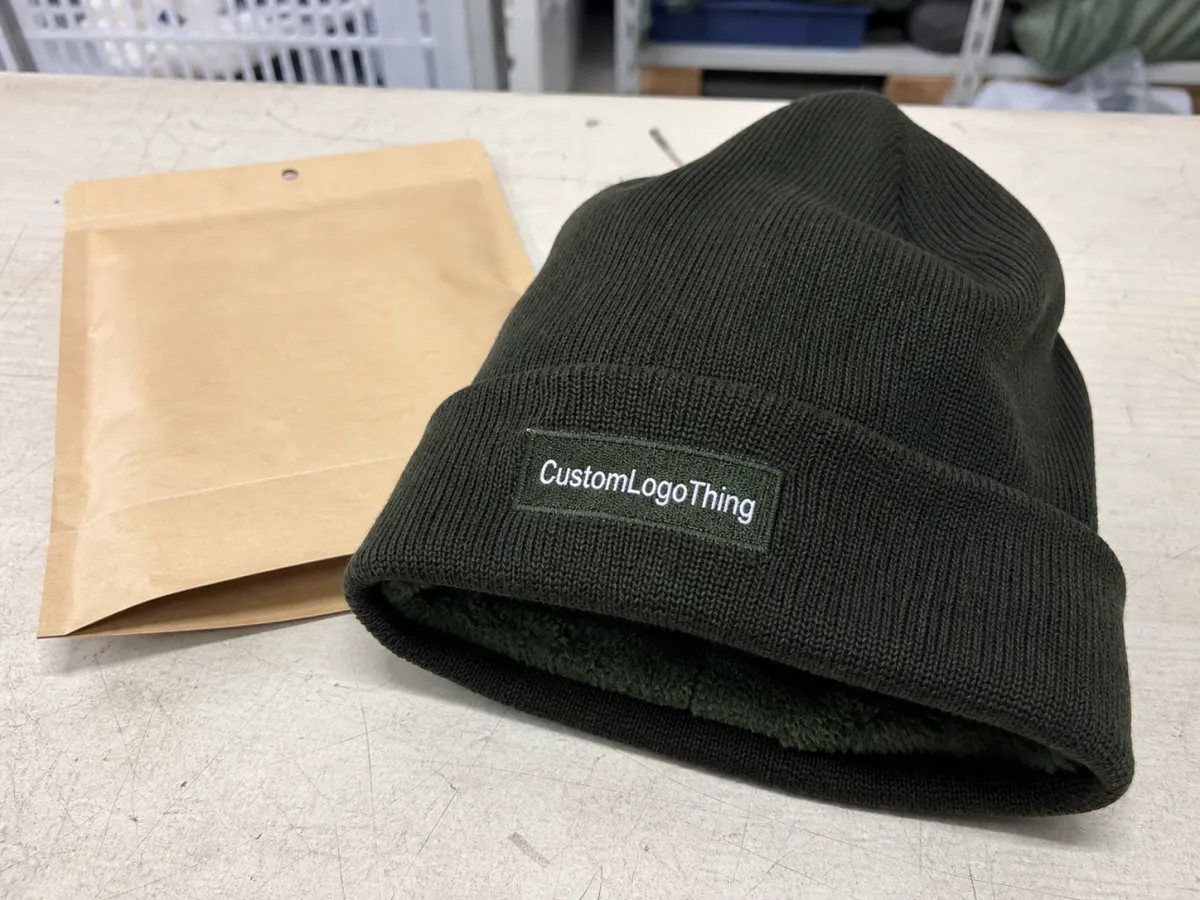
A retail beanie is not just a winter cap with a logo. It has to survive handling, satisfy comfort expectations, and still photograph well in merchandising. That means the supplier is managing more than knitting. Yarn choice, stitch structure, liner quality, seam placement, cuff depth, labeling, and carton packing all shape the final outcome.
The outer shell sets the first impression. A soft acrylic knit is common because it is affordable, flexible, and familiar to shoppers. Polyester can feel slightly denser and may resist color fade a bit better in some programs. Wool or wool-blend shells usually bring a more premium handfeel and better temperature regulation, but they also raise the cost and can make shade matching more sensitive. Recycled yarn blends can work well too, provided the documentation is clear and the buyer is ready to verify the claims behind the label.
The fleece liner does the functional work. It adds warmth, reduces itchiness, and helps the beanie feel more substantial. That said, a liner that is too heavy can narrow the fit and make the beanie ride too tall. In retail, a product that feels "warm" on paper but uncomfortable on a real head usually underperforms. Comfort turns into conversion faster than technical claims do.
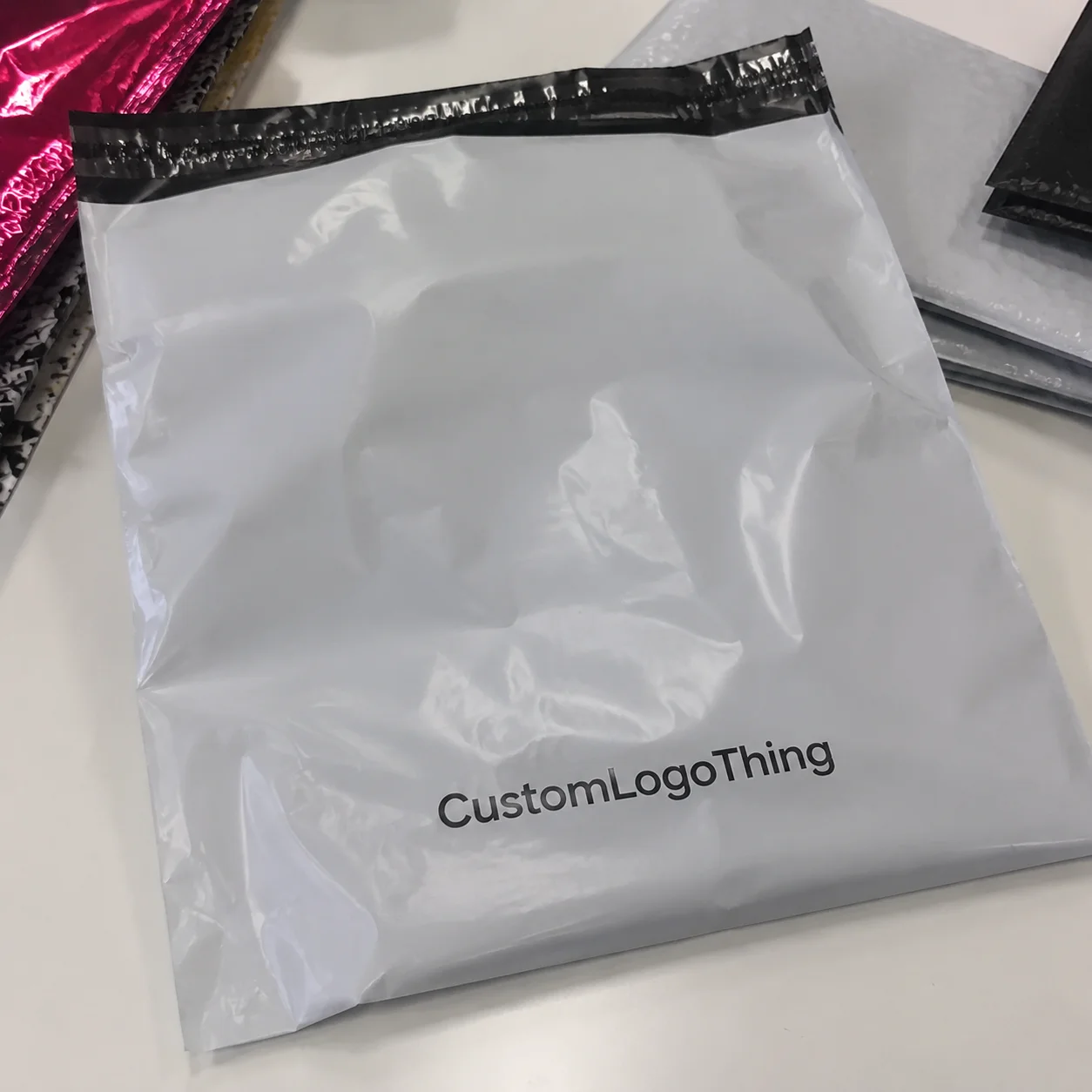
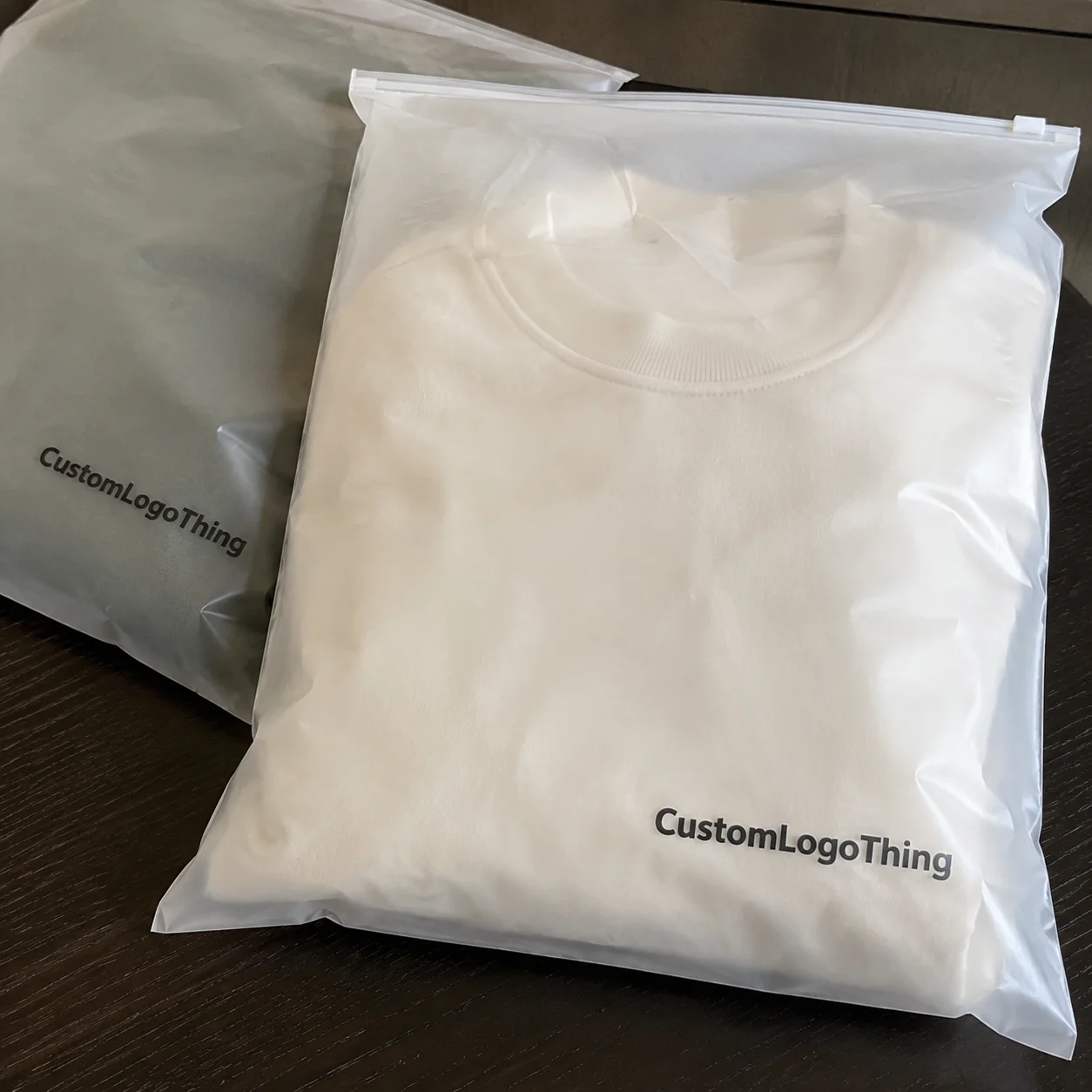
Retail suppliers also understand that sell-through depends on presentation. A clean hangtag, a barcode in the right place, and a retail-ready polybag can move the same beanie from generic to shoppable. For some programs, a belly band with care instructions and size information is enough. For others, the packaging needs to support store handling, distribution center scanning, and shelf display. The garment may be simple, but the pack-out is not.
The retail difference is consistency: the same crown shape, same handfeel, same logo placement, and same packing method across the full order. If one dye lot skews darker, one batch of lining feels rougher, or one pack-out process leaves labels crooked, the cost shows up later as markdowns or returns. The supplier should be thinking about those downstream effects before bulk production starts.
There is also a channel difference worth keeping in mind. A beanie for a ski shop, for example, can tolerate a heavier hand and a more technical look. A beanie for a museum store or a campus bookstore often needs to feel lighter, cleaner, and easier to wear indoors. The right retail fleece lined beanies supplier should be able to adjust the build for the channel instead of forcing one generic style into every account.
How the Construction, Lining, and Decoration Work
The knit shell determines the visual language of the product. Rib knit is common because it stretches well and keeps a tidy texture. Chunkier knits can look more seasonal and premium, but they take up more space under the cuff and may feel bulkier on the head. A tighter gauge usually gives a cleaner retail finish, while a looser gauge can look softer but may expose the liner if the construction is not balanced carefully.
Microfleece is the workhorse liner for many retail programs. It adds warmth without too much bulk and usually feels smooth against the skin. Brushed fleece can feel plusher, but it often increases thickness enough to affect fit, especially in one-size styles. Bonded linings create a more technical impression and can improve structure, though they are not always the best option if the outer knit is already dense. There is no single best choice. The right lining depends on the target price, the climate, and how much volume the beanie can carry under a cuff.
Decoration has to respect stretch. Embroidery remains common because it looks familiar and durable, but stitch count needs to be controlled so the knit does not pucker. Woven patches are useful when the artwork needs crisp edges and a flatter profile. Woven labels and sew-on badges can deliver a quieter, more retail-forward look. Jacquard knitting works best for simpler logos or repeating patterns, where the design can be built into the hat itself rather than added on top.
Construction details can sound small until they create problems at scale:
- Seam placement: A seam that lands directly on the forehead can create a pressure point after a short wear period.
- Cuff depth: A shallow cuff can leave the logo with too little space, while a deep cuff can make the beanie look heavy.
- Liner anchoring: Poor attachment can cause twisting, bunching, or visible liner shift after washing.
- Edge finish: Clean transitions keep the fleece from peeking out in a way that looks unfinished.
Decoration and packaging should be planned together. A 3-inch patch that looks balanced on a sample may feel oversized once the beanie is worn. A small embroidery mark can disappear on a shelf if the cuff is too deep or the yarn texture is too busy. Good suppliers usually suggest placement based on how the hat will look in hand, not only how the artwork appears in a flat mockup.
Retail buyers also need to think about the paper and transit side of the order. If the program uses paper inserts or custom hangtags, FSC-certified paper may be relevant, and the supplier should be able to explain what documentation is available. For shipping and distribution, packing quality matters too. Beanies are resilient, but they still wrinkle, crush, and scuff if cartons are overloaded or if the polybags are too thin. Resources from ISTA and FSC are useful references when you are specifying transit and paper requirements.
A beanie that looks right in a spec sheet but feels wrong on a head is not a retail success. Warmth matters, but comfort and shape drive the repeat purchase.
Key Specs That Decide Fit, Warmth, and Sell-Through
Fit is the first spec to interrogate. One-size-fits-most sounds convenient, but it can mask a lot of variation in stretch, crown height, and recovery. Adult, youth, and unisex patterns do not behave the same way. A practical sample review should check how the beanie feels after 10 to 15 minutes on a head, not only how it looks on the table. If the knit snaps back too hard, it can feel tight. If it relaxes too much, the hat loses its shape quickly.
GSM, knit gauge, and lining weight are the numbers that decide most of the experience. Higher GSM is not automatically better. A thicker beanie can trap more heat, but it can also sit awkwardly under a hood or feel too structured for casual retail wear. A lighter build may sell better in a milder market even if it sounds less impressive in a spec line. Shoppers compare comfort in a mirror. They rarely compare technical sheets.
Practical buyers also watch recovery. Stretch the cuff, fold it back, then leave it for a few minutes. Does it spring back cleanly, or does it stay bagged out? Does the crown collapse after being stuffed into a display bin? Those small observations often predict sell-through better than a catalog description does.
Color control matters more than many teams expect. Black, navy, charcoal, forest green, and heather greys are easy to underestimate because they look simple. In bulk production, though, shade drift can become obvious between replenishment runs. If the first shipment is a warm charcoal and the next arrives cooler, the assortment looks mismatched even if both versions pass a casual visual check. Buyers who need restocks should ask how the supplier manages dye lots, fabric records, and acceptable shade tolerance.
Decoration space deserves the same attention as fabric weight. Before approving artwork, ask how much flat area is available on the cuff or front panel. Ask whether the logo will distort when the beanie is stretched. Ask if the label sits where shoppers actually look on a shelf. The safest decoration is not always the biggest one. It is the one that stays legible without fighting the knit.
Compliance and retail-readiness also need to be locked before bulk production starts. Fiber content, care instructions, country-of-origin marking, barcode placement, and packaging format all affect how easily the product moves through retail systems. If the buyer's warehouse or retail partner expects a certain scan location or ticket format, the supplier should confirm that in writing. A good product can still create friction if the labels are wrong.
There is one more spec buyers often miss: the feel of the interior seam after wear. A beanie can seem soft when first handled and still irritate the skin if the stitching is too raised or if the liner edge is not finished cleanly. That is why a real wear test matters. Ten minutes on a head tells you more than ten minutes on a desk.
Cost, MOQ, and Quote Factors Buyers Need to Compare
Quote structure reveals how much the supplier understands the order. A useful quote separates the shell yarn, liner, decoration, labels, packaging, testing, and freight assumptions. If everything is buried into one number, comparison becomes guesswork. Buyers often think they are comparing price. They are really comparing missing information.
The main cost drivers are predictable: yarn quality, liner type, decoration complexity, packaging, and the number of colors or styles in the run. Each additional color creates more setup and more risk of shade variation. Each extra decoration element adds approval time. Custom packaging can improve presentation, but it also adds cost, material lead time, and more chances for a proofing mistake.
| Build | Typical ex-factory price | Best use | Trade-off |
|---|---|---|---|
| Acrylic shell + microfleece + one-color embroidery | $1.65-$2.40 at 1,000 pcs | Promotions, campus retail, entry-level shop assortments | Good value, but less premium handfeel |
| Acrylic blend + brushed fleece + woven patch | $2.10-$3.30 at 1,000 pcs | Mid-tier retail and winter gift programs | Better comfort, slightly more bulk |
| Wool blend + microfleece + woven label or badge | $3.40-$5.80 at 1,000 pcs | Premium retail and branded winter capsules | Higher cost and tighter shade control |
| Recycled polyester blend + bonded liner + retail packaging | $2.60-$4.20 at 1,000 pcs | Eco-positioned programs and chain stores | Certification and documentation can add steps |
MOQ is usually tied to setup economics. Factories need enough units to justify knitting, cutting, lining, trimming, and packing. Smaller orders almost always cost more per unit because the fixed work is spread across fewer pieces. That does not mean small runs are impossible. It means the pricing should reflect the reality of production time instead of pretending the line cost disappears at low volume.
Sample pricing is its own category. A sample may cost more per piece than the bulk order because the factory is producing a single prototype or a very short run. That is normal. A clear quote should list sample fees, setup charges, packaging upgrades, and decoration costs separately. If those numbers are blended together, it becomes difficult to tell whether the final price is competitive or just incomplete.
Buyers should ask for three quote levels whenever possible: 200 units, 500 units, and 1,000 units. The spread between those tiers usually shows whether the supplier's economics are healthy or whether the order is being padded with hidden assumptions. If the price barely changes as the volume rises, the product may be labor-heavy. If the price drops sharply, the first quote may have been absorbing a lot of fixed setup work.
Factory cost is only one part of the picture. Freight, duties, warehouse delivery, and retail packaging can change the margin more than a 15-cent difference in the garment itself. A beanie that looks cheap at the factory gate can become average by the time it lands in inventory. Buyers who compare landed cost instead of just unit cost usually make better assortment decisions.
The cleanest supplier conversations are the ones that show the cost stack instead of hiding it. That is one of the clearest signs you are dealing with a retail fleece lined beanies supplier rather than a generic garment source.
Process and Lead Time From Sample to Shipment
The production path should be mapped before artwork is approved. Start with the brief or tech pack, move to material selection, then sample development, revision, bulk production, final inspection, and shipping. That sounds straightforward. In reality, most delays come from unclear ownership: who approves the sample, who signs off on the carton label, who checks the packaging proof, and who is allowed to request a last-minute change.
Five delay points show up again and again:
- Artwork files need cleanup because the logo resolution or placement is not production-ready.
- Color matching takes longer than expected, especially for heathers, deep greens, and charcoal shades.
- Hangtag text changes after the sample is already approved.
- Packaging proofs are treated as optional rather than as part of the order.
- Changes are requested after bulk knitting has started, which creates rework and lost time.
Milestones should be dated, not vague. "Soon" is not a schedule. "Sample approved by Tuesday, bulk start on Monday, packaging locked by Friday" is a schedule. That level of clarity matters in winter programs, where a missed week can mean the product arrives after the peak selling window has already passed.
Rush orders are possible, but they trade away flexibility. They often leave less room for color matching, sample revisions, or test packing. Faster production can be worth the premium, yet the buyer should be clear about what is being sacrificed. Most of the time, it is either choice or review time, sometimes both.
It helps to separate factory lead time from transit time. A supplier may quote a short production window and still leave the buyer surprised once freight is added. Those are not the same thing. If the beanies are needed for a holiday drop, a store opening, or a promotional season, the calendar matters more than the factory clock.
For a straightforward custom beanie with standard artwork, a sample phase might take a few business days, while bulk production can often fall into a 12-15 business day range after approval. More complex materials, custom packaging, multiple colorways, or tighter compliance requirements can stretch that timeline quickly. If the supplier cannot explain where the time is going, keep asking until the sequence is clear.
Quality control should be built into the schedule, not added at the end as a hopeful check. Buyers should ask about in-line inspection, final carton audits, and whether the supplier uses an AQL target or another acceptance method. The exact standard may vary by account, but the habit matters. A clear inspection process catches loose threads, uneven stitching, crooked labels, and damaged packaging before the cartons leave the floor.
Common Mistakes That Create Returns or Margin Loss
The most expensive mistakes are usually subtle. A sample can look attractive and still fail in wear. One of the most common problems is a fleece liner that is too thick for the shell. On a sample card it sounds premium. On a head, it can feel tight, heavy, or oddly tall. That is a bad trade if the customer wants a casual beanie that fits under a hood.
Another frequent miss is approving the sample without testing recovery and seam comfort. Many buyers inspect appearance and stop there. That skips the part that affects satisfaction. A beanie can look excellent when flat and still become irritating after an hour of wear or after being packed and unpacked several times. Real retail use is more punishing than a studio review.
Retail detail mistakes are easy to overlook and expensive to fix. A barcode in the wrong place slows warehouse handling. Missing fiber labels can trigger compliance headaches. A plain polybag can make a finished item feel like an unfinished blank. These are small errors individually. Together, they can drag a strong product into the wrong price tier.
Quote comparisons can also be misleading. One supplier may include packing, label application, and testing. Another may quote only the knit piece. Those are not equivalent offers, even if the unit price looks better on a spreadsheet. Buyers should compare the full landed structure and verify what is included before signing off on a sample.
Over-assorting too early is another quiet margin killer. Too many colors, too many trims, and too many special versions can spread volume thin. It usually makes more sense to prove demand in one or two strong combinations first. Once the top colors and sizes are clear, the next run can expand with less risk.
Returns also rise when the product promise is too broad. If the beanie is described as warm enough for harsh winter use but the build is really suited to light cold-weather wear, the customer experience suffers. Honest positioning tends to outperform overstatement. A good supplier should be comfortable naming the limits of the construction instead of promising everything.
Expert Tips and Next Steps for a Smarter Order
Start narrow. One core colorway and one or two decoration methods will teach you more than a crowded first order. If the style sells, you can widen the assortment later. If it does not, you have not buried the budget in slow-moving stock.
Request a pre-production sample and batch photos before bulk begins. That gives you one more chance to catch logo placement, stitch tension, trim issues, or label alignment before inventory is locked. A solid retail fleece lined beanies supplier should be willing to show the product at that stage, not only after shipping is done.
Use a checklist for every quote. The list should cover target price, MOQ, delivery window, packaging format, decoration method, approval steps, and who owns final sign-off. When the same checklist is used across suppliers, differences become easier to see. They usually differ more than the first round of pricing suggests.
Demand signals should guide the assortment, not instinct alone. Last winter sales, store-by-store velocity, and similar category performance can show whether the right move is depth or breadth. If your strongest stores keep moving black and charcoal, there is no reason to force a rainbow assortment simply because the sample room can produce it.
Practical controls make the order cleaner:
- Ask for separate sample, setup, and packaging lines in the quote.
- Confirm shell yarn, fleece type, and decoration method in writing.
- Approve the sample only after fit, comfort, and label placement checks.
- Lock both factory and transit dates before releasing bulk.
- Keep the final spec sheet attached to the order file.
That approach keeps the work grounded in production reality. It also helps buyers avoid the most common trap in knit accessories: assuming all beanies are interchangeable. They are not. A retail beanie succeeds when the construction, lining, decoration, and packaging are all aligned to the same price point and customer expectation. Get that balance right, and the product tends to sell like a retail item rather than a giveaway.
Bottom line: the best results usually come from treating the supplier as a retail manufacturing partner, not just a vendor filling a blank. That means asking harder questions up front, checking comfort and fit in real conditions, and being honest about the price tier the product is meant to occupy. The reward is fewer surprises, cleaner margins, and a beanie that feels right the moment a shopper picks it up.
What should I ask a retail fleece lined beanies supplier before placing an order?
Confirm the shell yarn, fleece weight, construction type, decoration limits, MOQ, and sample cost. Ask for a written lead time that separates production from shipping, plus packaging and labeling details. If the order needs retail compliance, get that confirmed before approval so the final pack format does not need rework.
Which decoration methods work best for retail fleece-lined beanies?
Embroidery, woven patches, woven labels, and sew-on badges are usually the most retail-friendly choices. Keep the artwork compact enough to sit cleanly on a stretchy knit surface without distorting the crown or cuff. Placement matters as much as the method, because a well-made logo can still look wrong if it sits where the fold hides it.
How much should retail fleece lined beanies cost per unit?
Cost depends on materials, lining weight, decoration, packaging, testing, and quantity. A simple acrylic build with microfleece can land around the low end of the range, while wool blends or recycled-material programs tend to sit higher. Compare tiered quotes and ask for landed cost, not just factory price, so freight and duties do not erase margin later.
What is a realistic production timeline for custom fleece-lined beanies?
A straightforward program often moves from sample approval into bulk production within a short window, but artwork revisions, color matching, packaging proofs, and transit can extend the calendar. A 12-15 business day bulk window after approval is common for simple orders, while more complex builds usually take longer. Ask for separate factory and transit timelines so the launch date is based on the full schedule.
How can I tell if a sample matches bulk quality from a retail fleece lined beanies supplier?
Check fit, stretch recovery, seam comfort, lining thickness, and label placement under real wear conditions. Compare the sample to bulk photos and ask about shade tolerance, stitch density, and trim placement. If possible, wear-test or wash-test the sample before approving the full run, because the differences that matter usually show up under use, not on a table.