A retail launch Frosted Zipper Plastic Bags factory quote checklist is only useful if it turns vague packaging ideas into a quote the factory can actually build. When the bag spec is loose, the first sample often exposes problems: a zipper that feels weak, a frosted finish that scuffs too easily, or dimensions that miss the intended shelf presentation. Those mistakes create avoidable re-sampling, extra freight, and launch delays.
For buyers, Frosted Zipper Bags usually have three jobs: protect the product, keep the pack looking clean on shelf, and make packing straightforward for the warehouse team. The quote is only as reliable as the specification behind it, so the first job is to define the use case before discussing artwork.
If the quote does not lock size, material, zipper style, print method, and carton pack, it is not a quote. It is a guess with better formatting.
Why Retail Launch Packs Fail When the Bag Spec Is Fuzzy
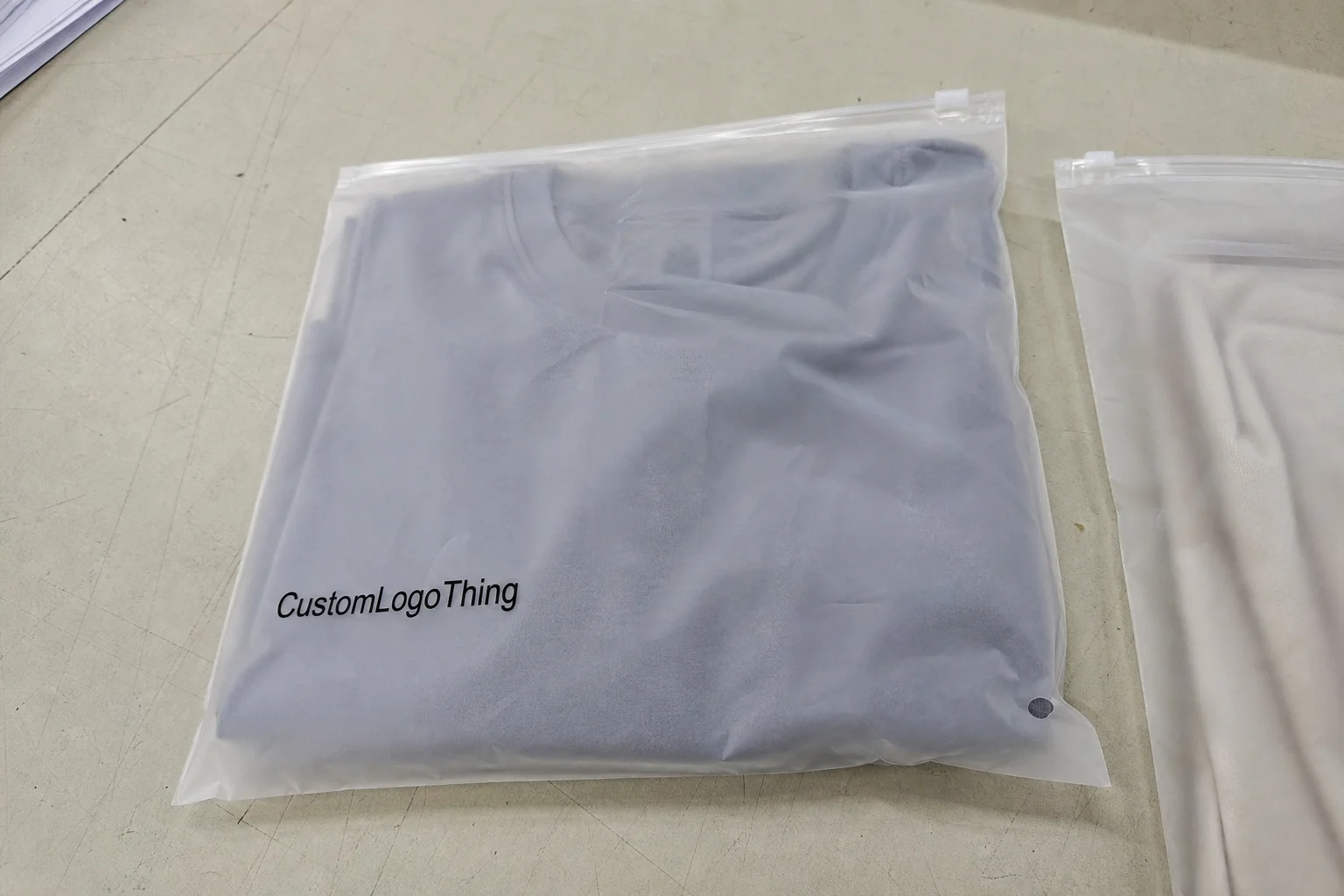
A bag can look premium in a sample and still fail in production. A zipper that opens too easily, a finish that marks during transit, or a size that sits awkwardly in a display tray all create problems that are small on paper and expensive in practice.
Most failures come from incomplete instructions. One team says “small frosted pouch,” the factory prices one interpretation, and the approved sample turns out to be something else. That usually means another proof round, another timeline reset, and more cost before the launch ever reaches shelf.
Retail launch packaging has to move cleanly from sample to shelf. It must protect the product, survive shipping, and still look intentional under store lighting. That is why the quote checklist should force decisions early: use case first, decoration second.
There is also a pricing issue. A heavier film, a better zipper, or a wider seal can move the unit cost more than a print change. Factories are not guessing for fun; they are pricing risk. If the brief leaves gaps, they add cushion to the quote.
Frosted Zipper Bag Types, Features, and Add-Ons
Start with the bag format. A flat pouch is usually the simplest and lowest-cost option. A gusseted pouch adds depth. A stand-up pouch works better when the pack needs a stable base. A reusable zipper bag makes sense when the consumer will open and close it more than once.
The frosted finish changes more than appearance. It reduces glare, hides fingerprints better than full gloss, and gives dark artwork stronger contrast. It also shows scuffs differently, so buyers should ask how the surface behaves after handling and transit, not just how it looks in a static sample.
Common add-ons affect both function and price:
- Standard zipper for general recloseable retail packs.
- Double zipper for heavier contents or frequent opening.
- Tamper-evident seal for security-sensitive items.
- Child-resistant style where regulations require it.
- Hang hole for peg display.
- Tear notch for a cleaner first opening.
- Clear window when product visibility matters.
- Label-ready panel for barcode, SKU, or legal copy placement.
Print method matters too. Screen print often works for shorter runs and simpler graphics. Gravure or other higher-volume methods usually improve consistency at scale, but setup cost is higher. If the artwork uses multiple colors, ask how the factory controls registration tolerance, because misalignment is easier to notice on a frosted surface than on a glossy one.
A few details sound minor and then become the deciding factor: heat seal width, zipper position, hang-hole location, barcode panel size, and the finished width once the bag is closed. A technically correct bag that looks wrong on shelf is still the wrong bag.
Specs That Matter Before You Request a Quote
Material choice drives most of the performance and pricing tradeoffs. For retail launches, buyers usually see PE, PET/PE laminate, or related film structures. PE is flexible and common for simpler pouches. PET/PE laminate gives a cleaner surface and better print quality for a more polished retail presentation. If the bag needs to feel sturdier, film gauge often moves into the 4 to 8 mil range, or roughly 100 to 200 microns depending on construction.
Size needs to be defined as usable internal space, not a vague marketing label. “Small,” “medium,” and “large” are not helpful in a quote request. Provide finished dimensions, seal allowance, zipper location, and fill volume if the product has a fixed shape. A 2 mm difference can change how the product sits inside the bag or whether it wrinkles near the closure.
Thickness tolerance and zipper quality are part of the buying decision. Ask the factory what tolerance they hold on film thickness and seal width. Ask whether they can share basic test data for tensile strength under ASTM methods such as D882, and whether the frosted finish has haze or clarity data if shelf appearance is critical. If the launch depends on shipping durability, ask whether they have packaging test experience against an ISTA profile.
Compliance has to be named early. If the bag touches food, cosmetics, or any sensitive consumer item, the factory needs the intended use before quoting. Food-contact declarations, restricted substance requirements, and recycling expectations all affect film choice and ink selection. For outer cartons or printed inserts, FSC-certified board may also matter.
Artwork requirements should be fixed before the first quote lands. Tell the supplier:
- How many print colors you want.
- Whether bleed is required.
- What file format you can supply.
- Whether you need a dieline or the factory should create one.
- Whether the barcode, legal copy, and logo must sit inside one reserved panel.
The cleaner the handoff, the fewer surprise charges appear later.
Retail Launch Frosted Zipper Plastic Bags Factory Quote Checklist
Use this checklist to get a quote that can actually be compared. The wording matters because the goal is to make the job hard to misunderstand and easy to price correctly.
- Bag type - flat pouch, gusseted pouch, stand-up pouch, or reusable zipper bag.
- Finished dimensions - width, height, gusset depth if any, and zipper position.
- Material structure - PE, PET/PE, or another confirmed film structure.
- Thickness - target microns or mils, plus any acceptable tolerance.
- Closure style - standard zipper, double zipper, tamper-evident, or child-resistant.
- Print details - logo only, full print, number of colors, and print coverage.
- Artwork files - final logo, dieline, barcode, and legal text.
- Quantity target - one launch quantity and at least one alternate tier.
- Sample request - yes or no, and whether color matching matters.
- Packing requirements - unit pack, inner carton, master carton, and pallet need.
- Shipping destination - country, port, or final delivery point.
- Timing - launch date, artwork deadline, and approval deadline.
Ask for a sample or pre-production proof if the launch depends on shelf appearance, zipper feel, or compliance checks. That step is usually cheaper than discovering a finish problem in production. Also ask what is included in the unit price. Is the quote bag-only, or does it include carton packing, carton labels, and export prep?
A quote is only useful if it lets you compare apples to apples. Same size, same film, same zipper, same print, same packout. Anything less is noise.
If the order details can be reduced to a scattered email thread, the factory will probably quote the wrong version. Put the spec in one clean message or a simple sheet.
Cost, Pricing, and MOQ: What Changes the Unit Price
Unit price moves with a few predictable levers. Material thickness is the biggest one. Bigger bags use more film. Better zippers cost more. More print colors add setup time and create more room for registration error. Custom tooling, unusual dimensions, and specialty closures push the price up again.
MOQ matters more than many launch teams expect. A smaller run carries a higher unit cost because setup work is spread across fewer bags. A larger run lowers the unit price, but only if the forecast is credible enough to justify inventory. If demand is uncertain, ask for tiered pricing so the business can compare a test order against the first full rollout.
For a rough buying framework, these ranges are common for simple retail programs, though exact pricing still depends on size, print coverage, and packaging structure:
| Option | Typical MOQ | Indicative Unit Price | Best For | Main Tradeoff |
|---|---|---|---|---|
| Unprinted frosted zipper bag | 3,000-10,000 pcs | $0.08-$0.16 | Fast launch, simple SKU handling | Little brand impact |
| 1-2 color logo print | 5,000-20,000 pcs | $0.12-$0.24 | Retail branding with controlled cost | Setup fees per color |
| Heavy-gauge printed bag | 5,000-30,000 pcs | $0.18-$0.35 | Premium shelf presentation | Higher film and labor cost |
| Tamper-evident or specialty zipper | 10,000+ pcs | $0.25-$0.55 | Security-sensitive or regulated items | Higher MOQ and more testing |
Sample fees, plate or setup charges, and freight should be separate line items. Freight can matter more than packaging on lower-value SKUs, especially if the launch moves by air instead of ocean. If the outer retail pack includes printed cartons or belly bands, ask whether those materials are FSC-certified so the paperwork matches any sustainability claims.
Production Steps, Timeline, and Lead Time
The sequence is usually straightforward: inquiry, spec confirmation, artwork review, sample or proof, deposit, production, inspection, shipment. Each step carries delay risk, and the more custom the bag, the more each approval matters.
Stock-style or unprinted bags can move faster because setup is lighter. Once print, specialty zipper work, or custom dimensions enter the picture, the timeline stretches. For a typical custom retail bag, a realistic production window is often 12 to 20 business days after proof approval, though factory queue and job complexity can move that number.
What usually stretches lead time?
- Artwork revisions that require new proofing.
- Color matching for a premium brand look.
- Custom zipper construction or specialty sealing.
- Sample rounds that need physical correction.
- Seasonal demand spikes that fill the factory schedule.
Build buffer time into the order plan, especially if the bag is tied to a promotion, trade show, or seasonal shelf reset. If the line cannot miss, the factory needs to know that early. Use approval checkpoints deliberately: lock size first, then print layout, then zipper function and carton packing.
If the launch depends on shelf appearance, approve the sample in the same lighting where the product will be sold. A bag that looks fine in an office can look different under retail lighting, and that gap is common.
How to Compare Suppliers Without Wasting the Week
A useful supplier quote is clear, specific, and willing to stand behind the numbers. A weak quote hides behind phrases like “same as sample” or “standard size.” That is not enough for a retail launch. The supplier should confirm dimensions, film thickness, closure style, and print method in writing.
Compare more than price. Sample quality matters. Communication speed matters. Print consistency matters. A factory that answers quickly but cannot confirm tolerances is still a risk. So is a factory that quotes a low number and then adds charges for every detail.
Factory capability matters too. In-house printing, lamination, zipper forming, and quality control usually give tighter consistency than a broker coordinating several outside shops. Ask for production photos or recent examples of similar Frosted Zipper Bags. Use real production evidence, not polished marketing images.
Here is the shortest useful comparison test:
- Did they confirm the exact bag size?
- Did they name the film structure and thickness?
- Did they identify the zipper style?
- Did they quote sample and freight separately?
- Did they give tiered pricing at more than one quantity?
- Did they explain the lead time in business days?
If the answer is no to more than two of those, keep shopping. The lowest price is useless if the zipper fails or the finish looks cheap on shelf.
What to Send Next So the Factory Can Quote Correctly
Send one complete spec package. Do not scatter the order across five short messages and a half-finished PDF. The factory needs the finalized size, target quantity, artwork files, material preference, shipping destination, and whether a sample is required before production.
If the launch depends on a polished shelf look or a compliance review, request a sample first. If the launch depends on cost control, ask for a side-by-side quote with two or three quantity tiers so the business tradeoff is visible.
Before approving, confirm these items:
- Incoterms and freight responsibility.
- Payment terms and deposit amount.
- Carton quantity and carton dimensions.
- Whether the bags are packed flat or nested.
- Whether any extras are billed separately.
If the order is time-sensitive, give the ship date you actually need, not the date you hope for. A clear launch date changes how the supplier slots the job. A vague one does not.
FAQ
What should I include in a frosted zipper plastic bag factory quote request?
Include bag size, material structure, thickness, zipper style, print details, quantity, and shipping destination. Add artwork files, carton requirements, and whether you need samples before mass production. The more complete the request, the less the factory has to guess.
How does MOQ affect frosted zipper bag pricing for retail launches?
Lower quantities usually carry a higher unit cost because setup and labor are spread across fewer bags. Ask for pricing at multiple volume tiers so you can compare test order economics against launch order economics without guessing.
What is the typical lead time for custom frosted zipper plastic bags?
Lead time depends on artwork approval, sample requests, print complexity, and factory workload. Stock-style or unprinted bags move faster; fully custom printed bags usually take longer. For launch planning, build a buffer instead of betting on the best-case schedule.
Can frosted zipper plastic bags be printed with a retail logo?
Yes, most factories can print logos, patterns, or product information on Frosted Zipper Bags. Confirm the print method, number of colors, and artwork format before asking for final pricing. A clear print spec keeps the quote honest.
How do I avoid mistakes when ordering bags for a retail product launch?
Verify usable size, material thickness, zipper quality, and sample appearance before approving production. Send one complete spec sheet instead of scattered messages so the factory quotes the right version. That is the difference between a clean launch and a correction run that eats margin.


