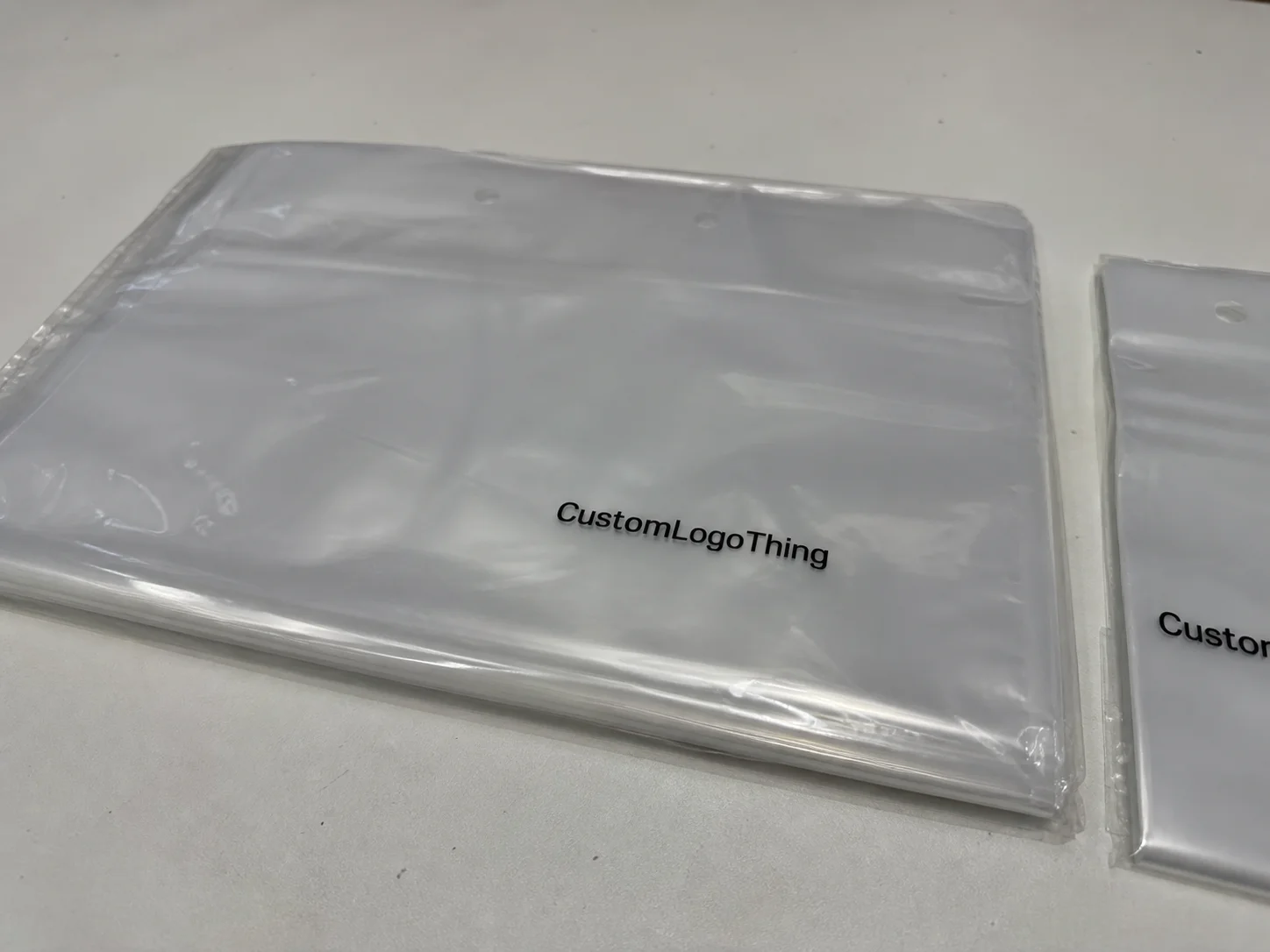
Retail merch beanies Supplier Comparison for Better Buys
A Retail Merch Beanies supplier comparison looks simple until the samples arrive. One version feels dense and shelf-ready; another looks fine on a quote sheet but collapses when folded, handled, or displayed. That is why price alone rarely tells the story. The useful comparison is the one that weighs sample quality, spec control, cost, lead time, and packing accuracy together.
Beanies are small, but they expose shortcuts quickly. Yarn blend, gauge, cuff depth, stitch stability, label placement, and the way the hat recovers after handling all affect how it reads in store. A buyer who only compares unit price can miss the real cost of rework, delays, or markdown risk. A buyer who compares samples and production details is much more likely to land a piece that looks right and reorders cleanly.
Retail merch beanies supplier comparison starts at the shelf
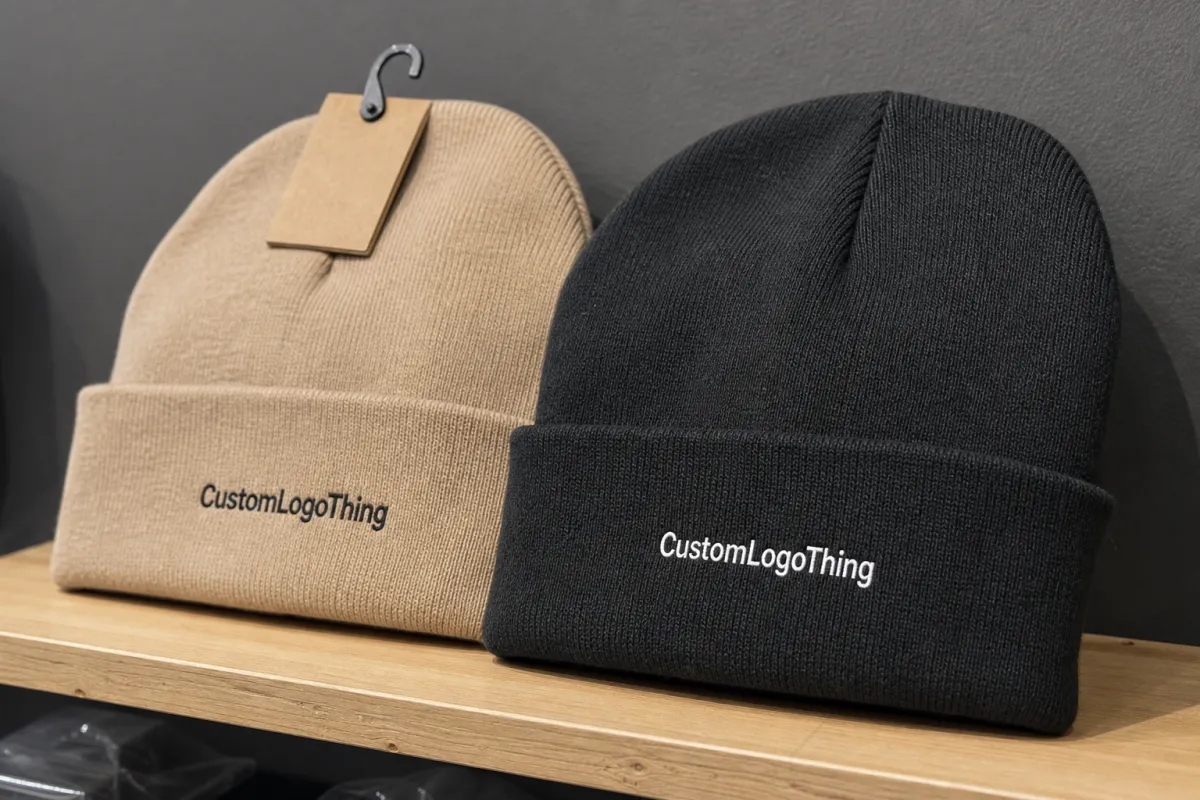
The shelf decides whether the comparison was useful. A beanie can be technically acceptable and still look off once it is folded, tagged, and under retail lighting. Loose ribbing, a collapsing crown, or awkward logo placement can make the product look unfinished even when the materials are decent. Soft goods are judged by touch and shape as much as by specification.
That is why the first question should be presentation, not price. Ask how the beanie will look folded, bagged, pegged, and unboxed. If the piece needs manual fixing after packing, it is not truly retail-ready. A supplier that understands how the item will sit on shelf usually gives a better working sample and fewer surprises later.
In practice, the stronger supplier is the one that sees final presentation as part of manufacturing, not as an afterthought. A sample that is close to the store piece shortens approval cycles and reduces rework. It also gives a better read on repeatability, which matters as much as the first quote.
Practical rule: if the sample does not feel right in hand, do not chase the lowest price yet. Knit stability, shape retention, and clean finishing should come first.
How sample, knit, and decoration choices shape the comparison
Apples-to-apples pricing only works when the brief is identical. A Retail Merch Beanies supplier comparison falls apart if one vendor quotes a 100% acrylic cuffed beanie and another quotes a recycled blend with a woven patch. The numbers may be close, but the product is not the same. Lock the yarn blend, gauge, size, cuff style, decoration method, label type, and packaging before comparing costs.
Samples reveal what quotes hide. Pull the cuff and check recovery. Hold the knit under light and look for gaps, loose loops, or uneven density. A lower-gauge knit can feel bulkier and warmer; a tighter gauge often looks cleaner and more premium. Neither is automatically better. The right choice depends on the store position, target price, and season.
The hand of the yarn matters too. Some blends feel soft but fuzzy, which can read casual or slightly cheap if the finish is not controlled. Others feel smoother and firmer, which can work better for retail assortments. Decoration changes the equation again. Embroidery needs tidy thread trimming and good backing. A woven label needs crisp edges and accurate placement against the cuff seam. Printed branding can work if the ink stays clean and survives handling.
The best workflow is straightforward: request samples, score them against the retail brief, revise the spec if needed, then compare final pricing and service terms. A PDF quote does not show how the beanie behaves when knitted, blocked, folded, and packed. The sample does.
A simple scorecard keeps the review grounded:
- Fit: does it sit securely without pinching?
- Knit: are the stitches even and stable?
- Decoration: is the logo clean, aligned, and durable?
- Packaging: does the fold hold its shape?
- Repeatability: can the supplier make the same result again?
Cost, MOQ, and unit cost tradeoffs that change the quote
The lowest base price often stops being the lowest landed cost. Setup charges, decoration, labels, hangtags, polybags, carton changes, and freight can move the number enough to change the decision. A factory quote of $2.25 can land closer to $3.10 once the item is fully finished and packed. That difference matters on volume orders.
MOQ works the same way. Smaller runs carry more setup cost per unit because the same knitting, finishing, and packing labor gets spread over fewer pieces. Larger runs lower the unit cost, but they also increase risk if the color, handfeel, or fit misses the brief. For many retail programs, useful starting points sit around 300 to 1,000 pieces, though custom yarns, specialty decoration, and premium packaging can push that higher. A test order can be smaller. A reorder usually should not be.
| Beanie option | Typical MOQ | Indicative unit cost | Best for | Watchouts |
|---|---|---|---|---|
| Basic acrylic cuff beanie with woven label | 300-500 pcs | $2.10-$3.40 | Simple retail tests and promo programs | Can feel plain if knit and label finish are not tight |
| Midweight blend with embroidery and custom hangtag | 500-1,000 pcs | $3.10-$4.80 | Branded retail assortments | Embroidery cleanup and placement need close approval |
| Jacquard knit with custom packaging | 1,000+ pcs | $4.50-$7.25 | Premium shelf presentation | More time for yarn matching and approval loops |
Always compare full landed cost, not just factory price. Sampling, freight, duties, carton specs, and packaging upgrades can shift the math enough to change the winner. Sometimes the higher quote is the better buy because the product looks sharper and sells through faster. A few cents saved on the front end does not help if the item sits, returns, or gets marked down.
Packaging deserves the same scrutiny as the knit. Check carton counts, barcode placement, hangtag material, and the fold style that will hit the warehouse. If the retailer tracks material sourcing, FSC-certified paper tags can support the brief without adding visual noise. For transit durability, ISTA testing methods are a useful reference when cartons need to survive real distribution, not just a short hop from dock to shelf.
Production steps and lead time from approval to shipment
Production usually takes more steps than buyers expect. A clean order moves from artwork approval to yarn matching, knitting, trimming, blocking, decoration, inspection, and final packing. Each stage can create delay if the brief is vague or materials are not confirmed early. A supplier that explains the milestones upfront is usually easier to manage than one that gives a single optimistic delivery date.
Timelines depend on the build. A straightforward cuff beanie with standard yarn and a simple woven label can move faster than a jacquard knit with custom-dyed yarn and premium packaging. As a practical range, sample work often takes 5-10 business days, while production after approval may run 12-20 business days for simple builds and longer for more custom work. Add transit time and the calendar stretches quickly. A fast make is still not useful if carton labeling, consolidation, or freight booking starts late.
Clear communication is part of the comparison. Ask who approves the sample, who signs off on embroidery strike-offs, when the carton spec is locked, and how color corrections are handled. Those details sound operational because they are. They are also the difference between a shipment that lands cleanly and one that arrives with avoidable friction.
If sustainability is part of the brief, ask about recycled yarn content, recycled polybags, and paper tag options. If the retailer needs documentation, request fiber content statements, origin notes, and carton counts before production starts. Those requests do not make the product flashy, but they do make the order easier to defend later.
The specs that separate a strong supplier from a risky one
The strongest suppliers talk in specs, not slogans. Fiber content, gauge, cuff depth, stretch range, color consistency, and finish quality tell you more than a polished sales deck ever will. A 5-gauge chunky knit behaves differently from a tighter 7-gauge version, and both can be correct depending on the retail position. The same is true for cuff depth. A deep cuff gives more room for branding, while a shorter cuff can look cleaner and lighter.
Fit range deserves close attention. A beanie that works for one head shape but rides high or feels tight on another can create returns or bad feedback. Review stretch recovery after handling. A good retail beanie should bounce back instead of growing baggy. Color consistency matters too, especially on reorders. Even a small dye shift can be visible once the product sits beside the first run.
Packaging specs deserve equal weight. A beanie that arrives overfolded, wrinkled, or mislabeled can lose shelf appeal even when the knit is excellent. Ask for the fold style, polybag thickness, hangtag position, carton pack count, and master carton labeling method. Strong suppliers can translate a brief into a repeatable product that looks the same on the sample table and on the reorder.
Quality control should be concrete. Check stitching at the crown, measure cuff height, inspect label placement against the seam, and confirm that the logo does not distort when the beanie is stretched. If the supplier cannot talk through those checkpoints, the relationship is probably built on quoting rather than manufacturing control.
Common mistakes that make beanie sourcing look cheaper than it is
The first mistake is comparing base price only. That hides embroidery setup, label changes, packing labor, freight, and duties that move the landed cost in a hurry. A Retail Merch Beanies supplier comparison needs all the real line items on the table before anyone starts calling one quote a win. Otherwise, the cheapest-looking option can become the most expensive by the time the goods arrive.
The second mistake is fuzzy approval. If the sample sign-off is vague, there is room for color drift, sizing disputes, or logo placement that shifts more than it should. On a small accessory, even a small change can make the product look off. A written approval with clear notes is simple insurance.
The third mistake is skipping a test pack. Fold style, carton density, and barcode placement affect warehouse handling, and warehouse handling affects retail presentation. If cartons crush easily or the folded product opens in transit, store teams end up fixing it later. That costs time and creates inconsistent shelf display.
The fourth mistake is ignoring reorder consistency. A one-off order may look fine, but a retail program needs the same yarn, the same shape, and the same finish on the next run. If the supplier treats reorders like a new experiment, the merchandising plan takes the hit.
The last mistake is mistaking speed for control. Fast sampling is useful only if the sample is accurate. A quick approval on the wrong color or the wrong cuff depth is still the wrong result.
Good sourcing habit: compare the sample, the quote, the packout, and the reorder promise as one package. If one piece is weak, the savings are probably false.
Expert checks before you place the order
Before you place the order, put every finalist into the same scorecard. Rate sample quality, quote clarity, communication speed, packaging accuracy, and production confidence on a simple 1-to-5 scale. A supplier that is a little higher on price but stronger on sample control and packaging detail is often the better retail partner. It reduces downstream work and lowers the chance of a product arriving that needs rescue.
Then ask for written confirmation of the critical specs. That means yarn blend, gauge, cuff size, label type, decoration method, fold style, carton count, and any packaging details that matter to the buyer. If the approved sample and the purchase order do not match, the project is exposed from the start.
- Lock the spec sheet before final pricing.
- Approve a production-style sample, not just a photo.
- Confirm the packout and carton labeling.
- Ask for a realistic reorder plan and lead time.
- Choose the supplier that balances retail presentation with dependable execution.
That last point is where many buyers make the right call. A beanie is a small item, but the buying process is not small at all. The supplier should be able to repeat the approved result, keep communication clear, and protect the retail calendar.
Frequently asked questions
How do I compare retail beanies suppliers without missing hidden costs?
Use one spec sheet and one sampling standard for every vendor so pricing stays apples-to-apples. Then add freight, duties, packaging, and decoration setup before you judge the quote, because those extras can move the landed unit cost more than the base factory number.
What should be included in a beanie supplier quote?
Ask for yarn blend, gauge, sizing, decoration method, label details, packaging, MOQ, and production timing. It also helps to request separate line items for sample charges, setup fees, and shipping so you can see where the money is actually going.
What MOQ is typical for retail merch beanies?
MOQ changes with construction and decoration, but smaller runs usually cost more per unit because setup gets spread over fewer pieces. If the project is a retail test, ask whether the supplier can support a pilot run and a follow-up reorder without changing the core spec.
How long does beanie production usually take?
Timeline depends on sample approval, yarn sourcing, decoration, and packing requirements, so early sign-off matters. A supplier with clear milestones and realistic lead time is usually safer than one that only gives a single vague delivery promise.
What sample should I request before choosing a supplier?
Request a production-style sample that reflects the final yarn, knit, label, and folding method. Compare it against your retail display needs, not just how it looks in a photo, because handfeel, shape, and packout are what shoppers and warehouse teams will actually experience.
A Retail Merch Beanies supplier comparison works best when it stays close to the product. Compare the sample in hand, the spec on paper, and the finished packout as one system. That approach catches weak knit structure, unstable pricing, and sloppy packaging before they become expensive. It also gives the final buy a better chance of doing what retail products are supposed to do: look good, hold up, and sell through.