How Dad Hats Are Priced in Bulk: A Unit Cost Breakdown for Buyers
The dad hats Unit Cost Breakdown is usually straightforward once the quote is split into the right pieces. The trap is that buyers often compare only the blank cap price, then discover later that decoration, setup, packaging, and freight push the landed cost much higher than expected. A hat that starts near $1.50 can climb quickly if the order needs custom embroidery, special finishing, or a small carton count.
For buyers sourcing custom headwear, the real question is not whether a number looks low on paper. It is whether the finished cap still protects margin after it is decorated, packed, and shipped. Dad hats are popular because they sit in a useful middle ground: simple enough to produce efficiently, flexible enough for retail or promotional use, and broad enough to reorder without reinventing the fit each time.
Why Dad Hats Control Cost Better Than More Structured Caps
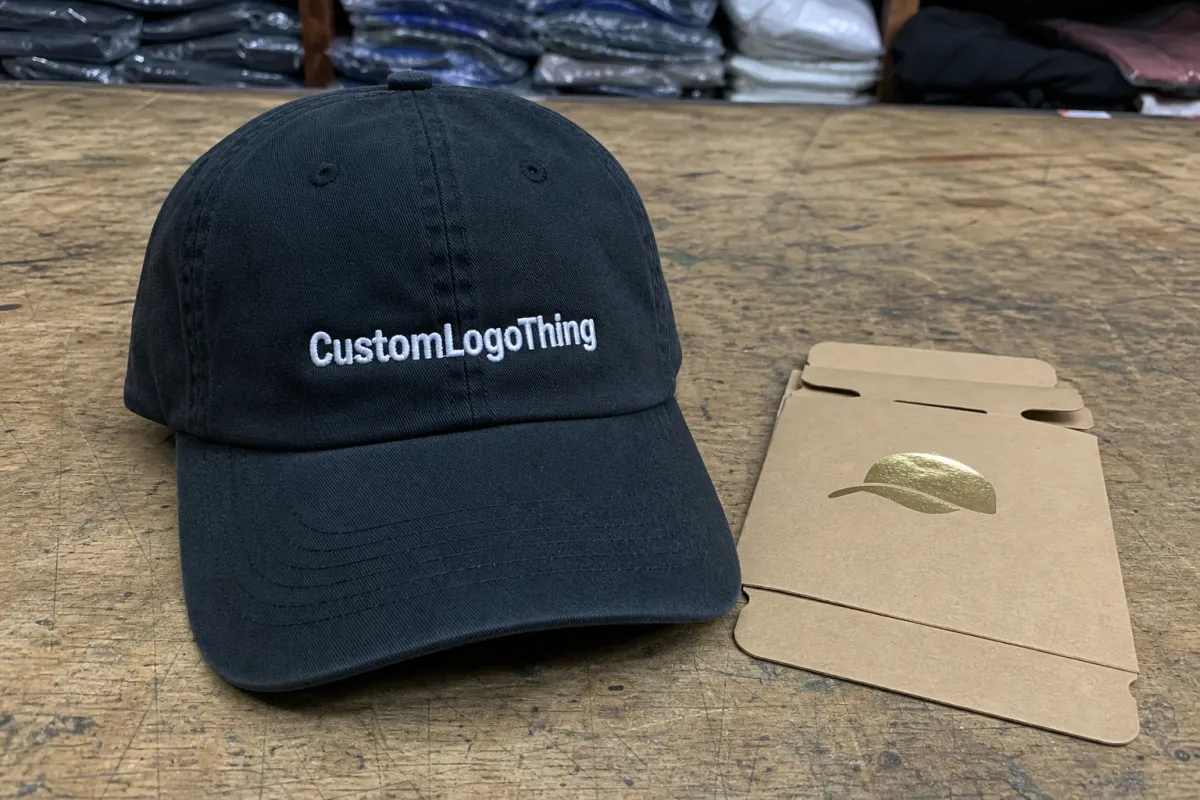
Dad hats usually cost less to build than firmer cap styles because the construction is simpler. A standard low-profile, unstructured crown uses fewer stiffeners, fewer specialty components, and less finishing work than a molded or heavily reinforced cap. That does not make them cheaper-looking by default. It makes them easier to produce consistently at scale.
There is also less risk during decoration. A soft front crown accepts embroidery or a patch without fighting against a rigid panel, which means fewer distortions and fewer rejects. The curved brim and adjustable closure help too, because one-size-fits-most cuts down on sizing complexity and reduces the number of SKUs a buyer has to manage.
From a purchasing standpoint, the savings show up in more than one place. The blank can be less expensive, the decoration is often simpler, and the reorder is easier to replicate. Those three things matter more than a quote that looks a few cents lower but hides fees in other columns.
A low unit price is only useful if the full program still works after setup, freight, and packaging are added back in.
That is why experienced buyers focus on landed cost rather than the blank cap alone. A reasonable quote that stays stable on reorders is usually better than a bargain number that changes once the art is finalized or the shipping method changes.
What Goes Into a Custom Dad Hat Order
A custom dad hat may look simple, but the cost structure has several layers. The base cap is usually a six-panel, low-profile style with a curved brim and an adjustable closure. Common fabrics include brushed cotton twill, chino twill, garment-washed cotton, denim, and occasionally corduroy for fashion-forward runs. Each material has a different hand feel, dye behavior, and sourcing profile.
Decoration is the next major variable. Flat embroidery is often the most familiar option and one of the easiest to price. Woven patches work well when the logo has smaller details or thin lines. Leather patches bring a more premium feel but usually add both material and tooling cost. Sewn labels or side tags are useful when the front needs to stay minimal or when the branding is split across multiple placements.
Closures, stitching, and finishing details also matter. A self-fabric strap with a metal buckle usually costs more than a plastic closure. Contrast stitching can increase handling time. Custom wash effects or garment dyeing can change both the final look and the scrap rate. None of these details seems dramatic on its own, but they all feed the final quote.
If the buyer is comparing samples, the best question is not simply, "Does it look good?" It is, "How was this built?" The same logo can look clean on one cap and awkward on another if the crown shape, fabric weight, or backing material changes. That is why a written spec sheet matters more than a quick price sent over email.
Specs That Move Price and Repeatability
The specs that move price fastest are often the ones that get overlooked until the sample stage. Fabric weight, panel count, seam finish, eyelet style, brim structure, and strap material all influence cost and production time. A mid-weight cotton twill dad hat with standard trim is a different product from a washed corduroy cap with metal hardware and contrast topstitching. One is a workhorse; the other is a style piece.
Artwork can influence cost just as much as construction. Small text, dense fills, frequent color changes, and high stitch counts increase machine time and can raise the chance of thread breaks or alignment issues. Patch programs can add tooling or setup fees if the patch needs a die-cut shape, backing development, or a custom border. Placement also matters: one front hit is simpler than front plus side or back decoration.
Buyers often focus on the first run and under-plan the second. That is a mistake. Reorder consistency depends on approved color references, stitch files, backing choices, and acceptable tolerance for seam placement and crown shape. If those details are not locked early, the second order may be technically correct but still look different enough to create friction.
Quality control should also be part of the spec discussion. A useful program defines acceptable thread density, patch edge quality, logo centering, and panel symmetry before production starts. It helps to confirm carton count and packout method too, because damaged shape in transit can undo good manufacturing work very quickly.
When packaging matters to the brief, the buyer should ask how the hats will be packed for shipment and whether cartons are designed to hold shape under normal transit pressure. If sustainability claims are part of the order, paper-based inserts or cartons may need to meet a specific sourcing standard. Those details do not usually change the cap itself, but they do affect the total program cost.
Strong specs do more than control the first order. They keep the next run from drifting. That is why a good dad hats Unit Cost Breakdown starts with a written specification, not a rough estimate.
Dad Hats Unit Cost Breakdown for Bulk Orders
A reliable dad hats Unit Cost Breakdown should separate the price into clear parts: blank cap cost, decoration cost, digitizing or tooling, packaging, freight, and any rush or split-shipment charges. Once those pieces are visible, it becomes easier to see why one vendor looks cheap at first and expensive after the order is fully landed.
| Cost element | Typical range | What drives it | Buyer note |
|---|---|---|---|
| Blank cap | $1.20-$4.00 | Fabric, color, closure, quantity | Stock colors and larger runs usually price better |
| Flat embroidery | $0.65-$1.80 | Stitch count, thread changes, placement | Simple logos are the most efficient |
| Woven patch | $0.90-$2.10 | Patch size, detail, border style | Good for fine lines and text-heavy marks |
| Leather patch | $1.20-$2.60 | Material, tooling, finish | Often chosen for a more premium retail feel |
| Setup or tooling | $20-$150 | Digitizing, mold, die cut, proofing | Fixed costs matter most on smaller runs |
| Packaging | $0.10-$0.75 | Polybag, insert, carton style, labeling | Special packouts add labor quickly |
| Freight | Varies widely | Lane, transit mode, carton count, weight | Often overlooked until the final invoice |
Blank pricing usually falls as quantity rises, but the drop is not perfectly linear. A 100-piece order can carry a blank price near $2.50-$4.00, depending on fabric and color. At 500 pieces, that may fall closer to $1.60-$2.80. At 5,000 pieces, stock colors can get materially cheaper if the supplier already holds inventory. MOQ matters because fixed costs are spread across fewer or more units.
That is where small orders get expensive. The first sample approval, digitizing, patch setup, and packing labor do not shrink just because the order is light. If those costs are spread over 100 caps, the per-unit figure jumps. Spread across 1,000 caps, the math looks very different.
For a practical landed-cost view, these ranges are more realistic than a single quoted number:
- 100-piece run: $4.10-$7.40 landed per cap, depending on decoration and packaging.
- 500-piece run: $2.95-$5.20 landed per cap for a typical custom program.
- 1,000-piece run: $2.40-$4.45 landed per cap when the blank is stock and the art is straightforward.
- 5,000-piece run: $1.75-$3.45 landed per cap for a repeatable program with controlled specs.
Those numbers explain why a quote that looks 10% or 15% higher at the top can still be the better buy. If the lower quote hides freight, assumes a thinner packout, or adds fees later for artwork changes, the apparent savings disappear. On the other hand, a buyer can often trim cost by choosing a stock blank color, keeping the logo compact, and avoiding unnecessary thread changes.
The cleanest savings usually come from Choosing the Right decoration method for the design instead of forcing a complex logo into the cheapest process. That keeps the cap looking intentional rather than stripped down. In a real dad hats unit cost breakdown, the blank is only part of the story; the buyer's choices about artwork and packaging often make the biggest difference.
Production Lead Time and Quality Checks
The production flow usually moves through quote, proof, approval, sample or pre-production check, bulk production, inspection, and shipment. None of those steps is decorative. Each one protects the next. If the logo is not final, the size is still changing, or the packout spec is unclear, the schedule starts slipping before sewing even begins.
For stock blank programs, lead time after proof approval is often 7-12 business days. Larger decorated orders usually take 12-18 business days. Custom packaging, special inserts, or a more detailed finishing process can add another 3-7 business days. If the order ships internationally, transit time becomes its own variable, and it depends on freight booking, customs clearance, and whether the buyer chose air or ocean.
Quality checks should be specific. A good program verifies stitch count, patch adhesion, thread color, logo placement, seam symmetry, and the accuracy of the final carton count. On the sample side, the buyer should check crown shape, brim curve, closure quality, and whether the decoration sits cleanly on the cap rather than pulling the fabric.
It is easy to lose time by treating approvals casually. A digital proof should confirm placement, spelling, logo size, and thread colors. A sample should be compared against the same spec, not against memory. If carton labeling matters for the receiving warehouse, that needs to be approved before the run starts. Every delay is recoverable; every surprise is more expensive.
A tight schedule is usually a sign of good project control, not rushed manufacturing. The best programs feel unremarkable because the decisions were made early and the production team had enough information to follow them.
How to Compare Vendors on Real Landed Cost
The easiest way to compare vendors is to compare the full landed cost, not just the first unit price in the quote. Freight, setup fees, packing charges, sample fees, and minimums can change the final number more than buyers expect. A low starting price is not useful if the invoice grows after approvals are complete.
Before committing, ask for five things: a written spec sheet, a visual proof, the MOQ, the lead time, and the reorder policy. If the design is new, request a sample or a photo of a previous run with similar decoration. That one extra check can reveal whether the stitch density, patch finish, or crown profile is realistic for the target price.
It also helps to request two versions of the quote. One should use the exact artwork and exact blank requested. The second can test a controlled change, such as a stock color, a lower stitch count, or a different decoration method. That side-by-side view makes the trade-offs much easier to read.
Packaging deserves the same level of attention. A hat that leaves production in good shape can still arrive crushed if the carton is weak or overfilled. Ask how cartons are packed, how hats are protected, and whether the supplier has a standard process for reducing transit damage. If the answer stays vague, the buyer may end up paying for replacements rather than quality.
It is also smart to ask what happens if the order is split. Split shipments can add handling and freight costs that never appear in the original estimate. If a vendor cannot explain that clearly, the quote should be treated as incomplete.
A proper dad hats unit cost breakdown does not reward the cheapest-looking line item. It rewards the quote that holds up through production, transit, and reorder.
What a Solid Reorder Plan Looks Like
A good reorder plan keeps the main variables locked. That means approved artwork, a written cap spec, a known blank color, a fixed decoration method, and clear terms for what can change without reopening pricing. The more of those details are stable, the less likely the second order is to drift in appearance or cost.
For event-driven or seasonal programs, holding a small safety stock can prevent expensive rush freight later. Even 5% to 10% extra inventory can be enough to avoid an urgent shipment when demand is stronger than expected. For repeat retail programs, a pre-approved production slot can be just as useful because it reduces the risk of losing momentum between drops.
The reorder is also where quality either gets easier or more fragile. If the supplier already has the stitch file, the approved sample, and the exact blank on record, the second run should be simpler than the first. If those details are not documented, the program starts from scratch again. That adds time and creates more room for small mismatches.
The strongest cap programs are not the ones with the lowest first invoice. They are the ones that can repeat the same look, the same fit, and the same price structure without surprise charges.
Buyers who manage reorders well usually do a few things consistently: confirm the spec before production, compare landed cost rather than just unit price, approve the sample against the written brief, and place the next order before inventory gets uncomfortably low. That approach keeps the cap program stable and helps the numbers stay predictable.
Used correctly, a dad hats unit cost breakdown is not just a pricing exercise. It is the clearest way to protect margin, reduce rework, and keep a repeat headwear program from becoming a series of disconnected one-off purchases.
FAQ
What affects the dad hats unit cost breakdown the most?
The biggest drivers are blank cap quality, decoration method, and order quantity. Setup fees, packaging, and freight can matter just as much as the hat itself on smaller runs.
Why does MOQ change dad hat pricing so much?
Because fixed costs get spread across fewer units on a small order. Digitizing, tooling, proofing, and handling cost the same whether the run is 100 caps or 1,000 caps, so the per-piece price drops as volume rises.
Which decoration method is usually the most economical?
Simple flat embroidery on a stock blank is often the lowest-cost route for clean logos. Patches, specialty materials, and multi-location decoration usually raise both labor and setup costs.
What lead time should buyers expect?
Stock blank programs can be fairly quick after proof approval, while larger runs and custom packaging take longer. Lead time also depends on how fast proofs and samples are approved, so buyer response time matters.
How can quality be checked before bulk production?
Review the proof, confirm the spec sheet, and check a sample against the actual brief. Look closely at stitching, patch adhesion, logo placement, brim shape, and closure quality before approving the full run.
Can cost be reduced without making the hat look cheaper?
Yes. Standard blank colors, tighter artwork, fewer thread changes, and the right decoration method can lower cost while keeping the hat polished. The most practical savings usually come from simplifying the process, not from cutting visible quality.
The simplest version of the dad hats unit cost breakdown is this: blank cap, decoration, setup, packaging, and freight all belong in the same math. Leave one piece out, and the quote stops being useful.