Retail Zip Lock Plastic Bags Unit Cost: Buy Smarter
Retail buyers often start with a simple quote comparison and end up discovering that retail Zip Lock Plastic Bags unit cost is built from far more than bag size alone. Two bags can look almost identical in a catalog and still price very differently once the material, zipper, print method, film gauge, and packaging format are fully defined.
That gap catches teams off guard because the difference is not cosmetic. A slightly heavier film, a more reliable zipper profile, or a cleaner print layout can change how the bag performs on the line and how it looks on shelf. In practice, the right bag is not just a container. It is part of product presentation, packing speed, and damage control all at once.
The lowest quote often misses that larger picture. A bag that runs well, seals consistently, and reaches retail packed the way the buyer needs can be worth more than a cheaper option that creates friction downstream. The useful question is not only “what does each bag cost?” but “what does that bag cost once it has been packed, shipped, displayed, and reordered?”
Why retail zip lock plastic bags unit cost changes more than buyers expect
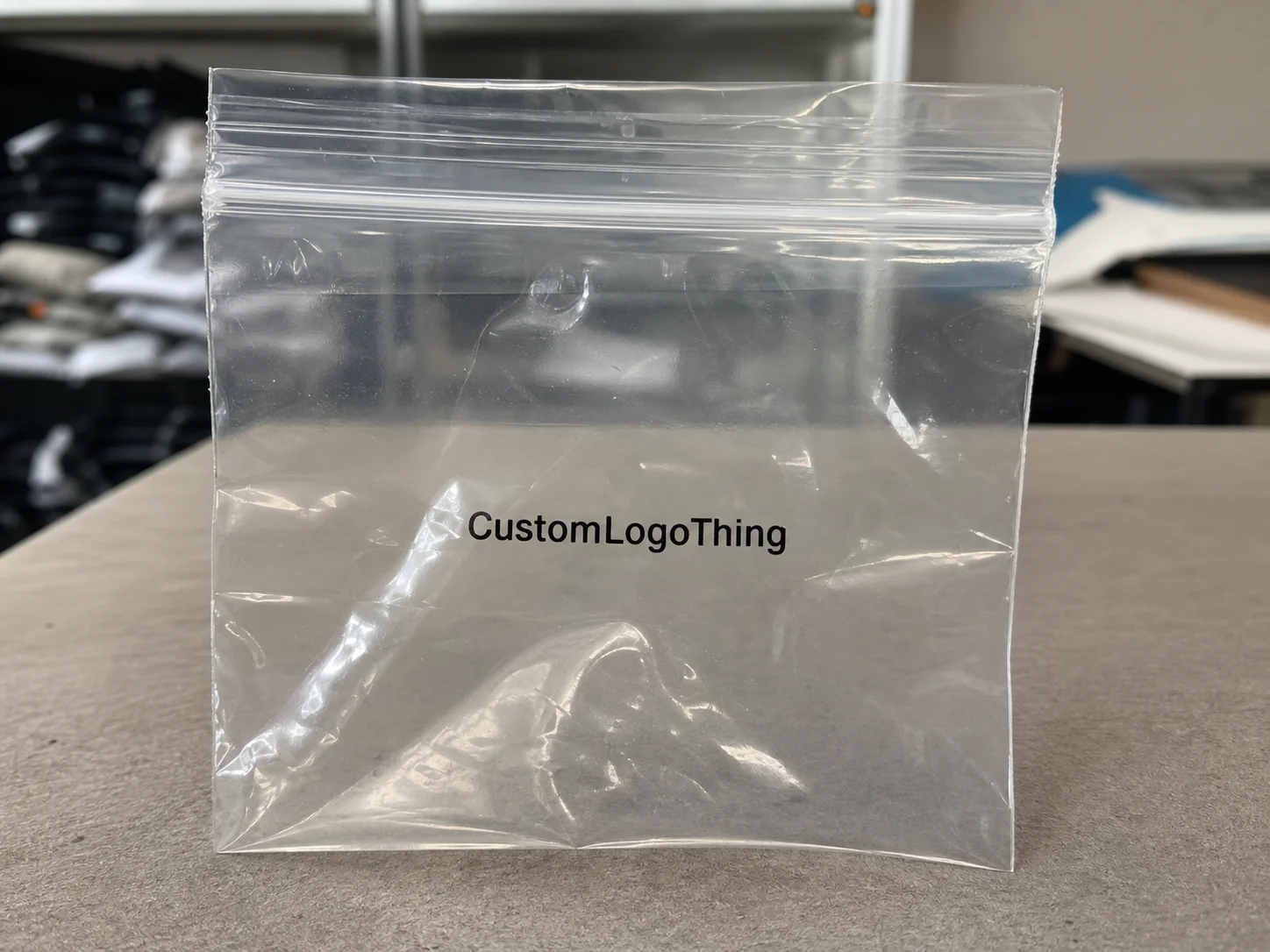
Several factors move pricing at the same time, and the interaction matters more than any single line item. Resin type is usually one of the first variables. Low-density polyethylene, linear low-density polyethylene, and laminated structures do not behave the same way in production. They differ in clarity, flexibility, puncture resistance, and machine performance, which means they also differ in cost.
Thickness is another obvious driver, but buyers sometimes treat it as a simple upgrade when it is really a material multiplier. A 2 mil bag and a 3 mil bag are not just different by a third in gauge; the thicker version uses 50% more film in the same footprint. That does not mean the finished price rises by 50%, because yield, processing, and component costs also matter, but the direction is clear. More film means more resin, and more resin means more cost.
Zipper style changes the equation too. A single-track closure is usually the leanest option. A double-track zipper adds a firmer reseal feel. A slide closure increases convenience and usually signals a more premium retail presentation, but it also adds a component and another assembly step. Each upgrade pushes the unit cost upward in a different way.
Order size has a large effect because setup work does not scale proportionally. Plate charges, tooling, machine setup, and waste from startup are fixed or semi-fixed costs. Spread them across 20,000 bags and the per-piece effect is one thing. Spread them across 3,000 and the number changes fast. That is why the same spec can look cheap in one order and expensive in another.
The most misleading quote is the one that prices a bag without showing the assumptions behind the bag.
There is also a practical cost that never appears on the invoice. A retail-ready bag can speed packing, reduce damage, improve display consistency, and lower the chance that a retailer receives something that looks tired before it even reaches the shelf. For products that are handled often or displayed close to the consumer, those effects can outweigh a modest increase in unit price.
Industry references such as Packaging School and ISTA are useful for buyers who want a better frame of reference on material behavior, shipment durability, and transport stress. The point is not to turn a buying decision into an engineering thesis. The point is to avoid paying the wrong price for the wrong spec.
Product details that determine retail-ready performance
Most retail Zip Lock Bags are built from polyethylene film, but that broad label hides a lot of variation. Apparel and accessories often use clear LDPE or LLDPE because buyers want visibility, a softer feel, and easy loading. Hardware and small parts may call for a firmer structure with better puncture resistance. Cosmetics, gift sets, and premium accessories sometimes justify a laminated or specialty-finish bag because the package itself is part of the product story.
The closure system deserves as much attention as the film. A single-track zip is economical and straightforward. A double-track zipper provides a more confident reseal for products opened and closed many times. Slide closures are common when the bag must feel intuitive to consumers, especially on larger packs or higher-value goods. From a production standpoint, each closure changes machine speed, seal behavior, and quality control requirements.
Retail-facing features also shape the result. Hang holes matter for peg displays. Gussets affect how the bag stands, fills, and settles in a carton or on a fixture. Clear panels maximize visibility, while frosted surfaces can soften the look and hide scuffs better than a fully transparent film. If the bag is printed, the usable print area must be mapped carefully so barcodes, copy, and branding do not fight each other.
That is where buyers often discover the real difference between two apparently similar bags. The outer dimensions may match, but the structure underneath tells a different story. A bag with a slightly thicker seal area, better dimensional control, or a more stable zipper track can feel materially better in use even when the headline size is identical.
- Apparel: clarity, soft hand feel, and tidy fold presentation.
- Accessories: visibility, easy reseal, and clean print registration.
- Hardware: puncture resistance and dependable closure strength.
- Cosmetics: premium appearance, consistent print, and a flat display profile.
- Small electronics: dimensional accuracy, stable closure, and static-sensitive handling where needed.
Those priorities explain why two bags with the same footprint can still carry very different retail Zip Lock Plastic Bags unit cost. A buyer who understands the end use can remove unnecessary extras while keeping the features that actually matter.
Specifications buyers should confirm before requesting a quote
A clean quote starts with a clean spec. Before asking for pricing, define width, length, usable opening, film thickness, zipper type, material composition, and print method. If any of those are vague, the supplier has to make assumptions. Those assumptions may be reasonable, but they can also be expensive later.
Film thickness alone does not tell the whole performance story. Gauge affects stiffness, seal behavior, and puncture resistance, but so does resin blend and sealing range. A bag that is too soft can be awkward to fill. A bag that is too stiff may resist folding or stacking. The right structure depends on the product, not just on a target thickness number.
Print specifications
Artwork should be described with the same discipline as the bag itself. State the number of colors, whether PMS matching is required, where the print sits, and whether the design runs on one side or both. A simple one-color logo is not priced the same way as a multi-color layout with product copy, barcode space, and compliance text. If there are likely changes, ask whether plate charges, artwork revisions, or proof changes will be billed again on reorder.
Printing can also affect yield. More colors mean more setup, more registration control, and more opportunity for waste at startup. That is one reason the quoted unit cost can move even when the base bag structure stays the same.
Functional specifications
Functional requirements belong in the request from the start. If the bag needs a tamper-evident feature, say so. If it must hang on retail fixtures, specify hole style and location. If it needs to fit a carton insert or work with a fulfillment process, define the packaging format. A request for “custom zip bags” without those details forces the supplier to fill in gaps that should have been controlled by the buyer.
Packing format matters more than many teams expect. Bags may be nested, bundled, boxed in fixed counts, or palletized for direct warehouse intake. Each choice affects labor, carton usage, and freight density. Those are not minor variables. They can change the true cost per piece enough to make one supplier look cheaper when they are actually only packing differently.
Buyers who provide a complete spec generally get faster quotes and fewer revisions. That is one of the most reliable ways to keep retail zip lock plastic bags unit cost from drifting during approval.
Cost, pricing, MOQ, and unit cost factors to compare
Pricing is usually assembled from a small number of predictable inputs. Resin market conditions influence the film cost. Closure style changes component and assembly expense. Print complexity affects press time, color matching, and waste. Setup charges and tooling fees cover the work required to prepare the line. Freight, carton configuration, and special packing sit on top of the manufacturing cost.
MOQ matters because fixed costs have to be absorbed somewhere. A small order can carry a high unit price even if the bag itself is ordinary, simply because setup work is divided across fewer pieces. A larger order generally improves the per-piece result, but only if the spec stays stable. Change the zipper type, add a color, or revise the dimensions, and the pricing tier often changes with it.
One of the most common mistakes is comparing quotes that are not truly comparable. A quote that includes printing, cartons, and freight cannot be placed beside an ex-factory number and treated as equal. Ask suppliers to separate the elements so you can compare bulk pricing on the same basis.
| Option | Typical order profile | What drives the price | Buyer takeaway |
|---|---|---|---|
| Plain stock-style zip bag with minor customization | Lower MOQ, limited print | Basic film, simple zipper, minimal setup | Useful for trials and fast replenishment, but not always the best landed cost over time |
| Fully custom printed retail bag | Moderate to high MOQ | Artwork, color count, tooling fees, packaging format | Better shelf impact and repeatability, with tighter control over presentation |
| Premium bag with slide closure or specialty finish | Higher specification, more controlled run | Component complexity, film finish, tighter QC | Higher unit cost, but often justified by display value or consumer convenience |
Hidden costs deserve the same attention as the quoted price. Artwork revisions can add time and money. Rush production usually carries a premium. Split shipments, rework after proof changes, and special packing requests can all move the final number. A fair comparison of retail zip lock plastic bags unit cost should be based on landed cost, not just the manufacturing line.
There is a second comparison buyers should make as well: stability over time. A low quote that changes every reorder is less useful than a slightly higher number that holds steady across runs. Consistency is a cost control mechanism, not a nice-to-have.
Process, timeline, and production steps from quote to shipment
A reliable order usually follows a clear sequence. First comes the inquiry, where the buyer sends dimensions, product use, quantity, artwork, and the target delivery date. The supplier then checks whether the material, zipper style, and print method fit the application. After that comes proof approval or artwork confirmation, then sampling if needed, followed by production, inspection, packing, and shipment.
Lead time depends on several variables. Custom printing takes longer than a plain or lightly customized bag. Material sourcing adds time if the film grade or zipper style is not already in stock. Proof approval is often the slowest part, and it is also the easiest part to control from the buyer side. A delayed sign-off can extend the schedule more than machine capacity ever will.
For a standard custom retail order, buyers often see a timeline of about 12 to 15 business days after proof approval. Larger runs, more complex printing, or specialty features can extend that window. The number itself matters less than the milestone structure. If approval points are clear, the supplier can keep production aligned with the final spec and protect the quoted retail zip lock plastic bags unit cost from avoidable changes.
Small changes late in the process are expensive because they ripple. A revised logo after plates are made, a bag-size change after film has been staged, or a packing change after carton materials are ordered can trigger rework. That usually means more than a timeline shift. It means added cost. Buyers who lock the details early tend to get cleaner pricing and fewer surprises.
If sustainability is part of the brief, buyers should ask how the bag fits into the broader packaging system. Recycled-content options, source transparency, and paper components elsewhere in the pack may be relevant, especially where chain-of-custody documentation matters. For paper-based components, references such as FSC can help frame procurement requirements. The plastic film itself is a separate decision, but the package should still be evaluated as a whole.
How to evaluate suppliers for repeatable quality and stable pricing
Supplier evaluation should start with process control, not quote speed. The question is whether the bag seals the same way from the first carton to the last, whether the film gauge stays within tolerance, and whether the print stays registered across the run. A low quote that fails on those basics is not a bargain. It is deferred cost.
Quality checks should be specific. Ask how seal strength is tested. Ask how dimensions are verified. Ask how cartons are counted and whether visual defects are screened at line speed or only at final inspection. If the bag is printed, ask about color matching and registration control. If the product is reordered regularly, ask whether the supplier can keep the same construction and print standard without changing materials between runs.
Responsiveness matters for a more practical reason than customer service. A supplier who asks precise questions, returns a readable spec sheet, and flags missing information early is less likely to introduce ambiguity into the order. That matters most when several SKUs are being managed at once. A clean documentation trail reduces the risk of miscommunication, which is one of the fastest ways to inflate the quoted unit cost later.
It is also useful to compare how suppliers handle trial runs versus volume production. Some can produce a modest pilot order, but the bag changes once scale increases. Others can hold the same structure from sample through replenishment without drifting in feel or print result. That consistency gives the buyer room to grow without resetting the package every time volume changes.
For repeat orders, the best suppliers do not just quote well. They preserve the spec, document it well, and keep variation under control. That is how retail zip lock plastic bags unit cost stays stable across multiple purchasing cycles instead of oscillating with every reorder.
Next steps to request the right quote and place an order
Before reaching out, gather the details that actually drive pricing: bag size, material preference, zipper style, film thickness, artwork files, quantity, and required delivery date. If the project includes multiple versions, separate them clearly so each SKU gets the correct quote. That one step prevents a surprising amount of back-and-forth.
It also helps to ask for two versions of pricing where the project allows it. One quote should match the exact spec. Another can show the break point at a higher quantity so the buyer can see where pricing improves. That comparison gives a clearer view of bulk pricing and makes it easier to decide whether a larger run or SKU consolidation is justified. If the package must meet retail display standards, ask for samples or a written spec sheet before approving production.
- Confirm the full spec.
- Compare landed cost, not just the ex-factory number.
- Review the timeline and approval steps.
- Approve artwork and packing format.
- Release production only after the details are locked.
The most reliable buying process is also the least dramatic. Define the bag accurately, compare like with like, and keep the construction stable for future reorders. That is the cleanest way to control retail zip lock plastic bags unit cost without giving up shelf appeal, sealing performance, or packing efficiency.
What affects retail zip lock plastic bags unit cost the most?
Film thickness, material type, zipper style, print coverage, and total order quantity usually have the biggest impact. Setup charges and freight matter a great deal on smaller runs, so compare landed cost rather than only the per-piece manufacturing price.
How do I lower the unit cost without hurting retail presentation?
Keep the bag size stable, remove print coverage that does not add shelf value, and avoid specialty features that are not tied to product performance. Increasing order quantity and standardizing the spec across SKUs usually delivers the most useful cost reduction.
What MOQ should I expect for custom retail zip lock bags?
MOQ depends on print complexity, bag construction, and the supplier's setup requirements. Smaller MOQs are possible, but they usually carry a higher unit cost because the fixed work is spread across fewer bags.
How long does production usually take for custom zip lock bags?
Lead time depends on artwork approval, sampling needs, material availability, and order size. Fast approval from the buyer side often shortens the schedule more than any other single step.
What should I send to get an accurate quote quickly?
Send dimensions, material preference, zipper style, thickness, artwork files, quantity, and required delivery date. If you need multiple versions, note the differences clearly so the quote reflects the correct unit cost for each SKU.


