The ribbed knit Beanies Packing Requirements for cosmetics brand fulfillment sound straightforward until you open a carton and see a cuff held in a permanent bend, a label that hides the best side of the hat, or a bag that looks clean in the warehouse but tired on the shelf. For cosmetics buyers, that matters because the beanie is not just a warm accessory; it is part of the brand story, the unboxing experience, and the first physical cue a customer gets about brand consistency. If the pack-out is loose, rushed, or left to improvisation, the product can still be “good” and yet fail the visual standard that supports brand recognition and customer perception. In practice, the best results come from treating the full packing spec as one shared document across knitting, finishing, quality control, and fulfillment, rather than letting each team make its own assumptions.
Why Ribbed Knit Beanie Packouts Fail So Easily
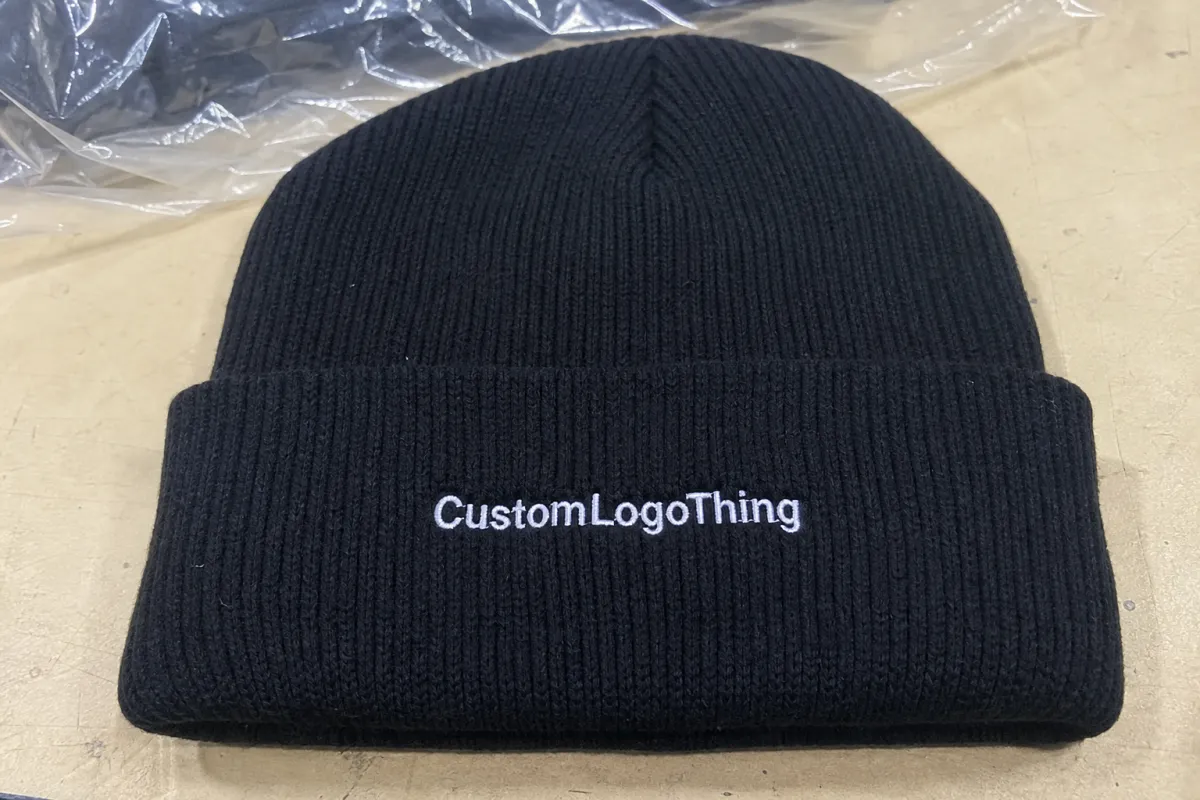
Ribbed knit fabric behaves differently from a flat woven item. The ribs trap memory, so if the cuff is folded too tightly or stacked under weight for too long, the impression can remain after the carton is opened. That is why the pack method has to respect the shape of the knit, not just protect it from dirt and scuffing. A beanie can pass visual inspection at the production table and still arrive looking slightly exhausted if the pack-out was over-compressed.
Cosmetics brands feel that problem more sharply than many apparel buyers because presentation is part of the product value. The beanie may be a giveaway, a seasonal accessory, a staff item, or a retail add-on, but the buyer still expects the same visual branding discipline that they apply to jars, tubes, sleeves, and gift sets. Fold direction, bag clarity, barcode placement, and carton logic all influence how quickly the item can be received, scanned, merchandised, and approved for distribution.
Practical rule: if the cuff looks crushed inside the bag, the unit is not really shelf-ready, even if the yarn itself is fine.
That is why Ribbed Knit Beanies packing requirements for cosmetics brand fulfillment should be written as a single standard with photos and measurements. One team should not be folding for retail presentation while another team packs for bulk shipping with no visual control. The tighter the brand identity, the more the pack-out has to protect shape as carefully as it protects the carton.
How the Packing Workflow Works From Knit to Carton
The cleanest workflow starts with inspection, then moves into fold standardization, bagging, labeling, case packing, and pallet staging in that exact order. Skipping around the sequence usually creates rework later. For example, if labels are applied before the final fold is confirmed, the barcode can end up on the wrong face of the bag, which slows receiving and creates avoidable hand correction at the warehouse.
There are three common pack styles. Bulk pack is the simplest and lowest labor option, usually best for replenishment or internal use. Individual retail pack adds a single-unit bag, label, and sometimes a tissue or insert so the beanie can go straight from carton to shelf or gift set. Kitted pack groups the beanie with another SKU, such as a lip balm, scarf, or promo insert, and that is where fulfillment accuracy matters most because one missing component affects the whole set.
In a good line, the team decides the presentation goal first, then chooses the minimum material needed to hold that shape. A clear polybag, a light tissue wrap, and a consistent fold often do more to protect the cuff than heavier packaging that adds cost without improving the customer experience.
Pack styles at a glance
| Pack style | Typical use | Approx. added packing cost per unit | Strengths |
|---|---|---|---|
| Bulk pack | Warehouse replenishment, internal distribution | $0.05-$0.12 | Lowest material use, fastest handling, least print complexity |
| Individual retail pack | Store shelves, e-commerce, branded giveaways | $0.12-$0.28 | Cleaner presentation, easier scan control, stronger shelf readiness |
| Kitted pack | Promos, seasonal bundles, gift sets | $0.35-$0.75 | Supports promotion strategy and tighter brand consistency |
For brands comparing options, that table matters more than the bag price alone. A cheap bag can still become expensive if it requires extra labor, relabeling, or double handling. The right question is not “What does the bag cost?” but “What does the finished sellable unit cost after the beanie is packed, verified, labeled, and palletized?”
Cost, MOQ, and Unit Pricing Drivers for Packed Beanies
Most of the cost sits in labor and touch count, not in the knit cap itself. Polybags, tissue, hang tags, barcode labels, inserts, and carton handling all add up, especially when every unit needs to be folded the same way and checked against a spec. For standard retail packs, a realistic packing add-on often lands around $0.10-$0.25 per unit at moderate volume, while more presentation-heavy kitting can run much higher because the warehouse has to assemble, verify, and seal the finished set.
MOQ changes the math quickly. A 500-unit run may need the same setup work as a 5,000-unit run, but the setup is spread over far fewer units, so the per-unit price rises. That is why small cosmetics launches often feel more expensive on paper than they should. The materials are simple; the labor ratio is not.
To evaluate pricing cleanly, I like to separate the quote into three buckets:
- Material cost for bags, labels, tissue, inserts, and cartons.
- Labor cost for folding, sealing, labeling, counting, and verification.
- Handling cost for case packing, palletizing, storage, and shipping prep.
That split helps a buyer compare one packing spec against another without mixing product cost with fulfillment cost. It also supports better forecasting for reorders, because a change in label format or insert size can affect labor even if the beanie itself stays identical.
For packaging standards and material considerations, two solid references are the ISTA testing framework for transit validation and the FSC certification system for paper-based components. Those sites are useful when a cosmetics brand wants more than a pretty pack; they want a pack that survives shipping and aligns with sourcing expectations.
One more detail buyers often miss: carton count affects cost too. A case pack of 25 units is not the same as 50 units, because the warehouse may need more void fill, more labels, and more scan events. If you are building ribbed knit Beanies Packing Requirements for cosmetics brand fulfillment, the carton logic should be approved alongside the bag spec, not after the fact.
Process and Timeline From Sample Approval to Pack-Out
Good timelines begin with sample sign-off, not with the mass order. First the team approves the knit sample, then checks fold dimensions, then confirms the label artwork, and only after that locks the final pack spec. If the artwork changes after the folding method is fixed, the barcode position may need to move. If the carton dimensions change after the insert is approved, the whole set may need a new packing layout. Small changes can ripple through the rest of the job.
For a straightforward beanie pack-out, the total lead time after approval often sits around 12-15 business days, assuming materials are available and there are no seasonal constraints. Add kitting, custom printed bags, or complex barcode rules, and that timeline can stretch because every extra component has to be checked for accuracy. During peak retail periods, a buffer of several days is smart insurance.
A clean approval path usually looks like this:
- Confirm the sample beanie and final colorway.
- Approve the fold, bag style, and label position.
- Lock carton count and pallet pattern.
- Run a small pack-out test.
- Release the production pack spec.
That sequence sounds formal, but it saves time. It keeps the team from relabeling finished product or repacking a full batch because one dimension was assumed instead of measured. In the best projects, the spec sheet becomes the single source of truth for the warehouse, the buyer, and the QA team.
Key Factors That Protect Shape, Labeling, and Retail Readiness
The first protection is fold geometry. A ribbed beanie should be folded in a way that respects the cuff and avoids an overly sharp compression line at the edge. If the cuff is turned inward too tightly, the pack looks neat for a moment but loses its form in transit. A slightly relaxed fold often presents better once the unit is opened and refolded at destination.
Moisture and dust control matter as well, especially for cosmetics programs where the beanie may sit in the same supply stream as beauty sets, promo mailers, or gift bundles. A clear polybag protects against handling marks, and in some cases a light insert helps the item hold a cleaner profile. If the storage environment is humid or the carton will travel a long distance, those small choices become more important.
Labeling needs to serve both warehouse operations and the customer-facing presentation. Barcode visibility should be checked after the final seal, not before. If a hang tag or size sticker is part of the branding, it should not cover the best visual face of the cap. The result is a package that scans cleanly and still supports visual branding on receipt.
For brands that want tighter control, the best practice is to write the spec around measurable points:
- Fold width and cuff orientation.
- Bag size and seal position.
- Barcode location and readable face.
- Case quantity and master carton label format.
- Any insert, tissue, or hang tag requirement.
That kind of detail improves brand recognition because every unit arrives looking like it belongs to the same system. It also lowers customer perception risk, since inconsistent packing makes a brand feel less organized than it may actually be.
Step-by-Step Packing Workflow for Fulfillment Teams
In the warehouse, consistency beats improvisation every time. The team should start with incoming inspection for shade variation, stitch quality, and size consistency. If the beanies vary more than expected, the packout may need sorting before it begins. That is far better than discovering the issue after cartons are already sealed.
From there, the flow should stay disciplined. A typical sequence looks like this:
- Inspect and count incoming beanies by colorway and size.
- Standardize the fold so every unit sits the same way.
- Add tissue or a light insert if the presentation calls for it.
- Bag, seal, and apply the approved label.
- Verify barcode readability and visual orientation.
- Case pack by SKU and count.
- Record the carton map and pallet staging plan.
That last step is a quiet one, but it matters. A carton map makes it much easier to trace a finished unit back to the approved spec if the buyer later has a question about a damaged bag, a wrong count, or a mixed case. The better the documentation, the easier it is to protect the relationship and the repeat order.
The same discipline also helps a brand stay aligned with larger quality programs. If a cosmetics company already uses documented incoming checks for labels, cartons, or paper components, beanie pack-out can fit into that same rhythm without feeling like a special exception. The result is smoother fulfillment and fewer surprises for everyone involved.
Common Mistakes That Create Rework and Delay
The most common mistake is over-compressing the cuff. It seems harmless at the packing bench, but the ribbing can hold the pressure mark long after the bag is opened. A second mistake is using a bag that is too small, which forces the beanie into a shape it was never meant to hold. The unit may fit, but the presentation suffers.
Another frequent problem is mixed SKU handling. If colorways are similar, or if promo and regular stock move through the same area, a carton can be packed correctly by count and still be wrong by assortment. That is why separator logic and carton labels should be obvious, not subtle. The warehouse should be able to identify the contents in seconds.
Most rework starts with one assumption: somebody thought the pack size, barcode position, or bag style was “close enough.”
Skipping a sample pack-out is another expensive shortcut. A test run shows whether the fold is too tight, whether the barcode scans cleanly, whether the carton closes without crushing the top units, and whether the material choices match the buyer’s presentation standard. If there is a problem, it is much cheaper to fix ten sample units than 10,000 finished ones.
The final mistake is treating packing as an afterthought. For a cosmetics brand, packing is part of the product experience. The beanie may be small, but the way it arrives says a lot about brand consistency, operational care, and whether the supplier understands retail expectations.
Expert Tips and Next Steps for a Cleaner Launch
If the goal is a cleaner launch, build one master pack spec and treat it like controlled artwork. Include photos, fold dimensions, bag dimensions, label positions, carton counts, and any insert notes. A warehouse team can follow words, but photos remove a lot of ambiguity. That single document should also note what is not allowed, such as compressed cuff stacking, mixed color cartons, or label placement on the primary display face.
I also recommend a short pilot order before the main purchase order. A small run exposes problems in the real process: how long each unit takes to pack, whether the barcode scans properly, whether the cartons survive a basic drop test, and whether the unboxing experience matches the brand’s promise. A pilot is not just insurance; it is a practical way to protect schedule and margin.
Brands that want a stronger operating rhythm often use the same approach across apparel accessories and beauty add-ons. The pack spec, the QA checklist, and the warehouse briefing all point back to one standard. That kind of discipline supports better brand recognition because the customer sees the same care every time.
For teams building or revising a pack program, our Case Studies page is a good place to see how different project structures translate into finished presentation choices. The bigger point is simple: ribbed knit Beanies Packing Requirements for cosmetics brand fulfillment work best when the pack-out is designed as part of the product, not as a final-minute warehouse task.
How should ribbed knit beanies be packed for cosmetics brand fulfillment?
Use a fixed fold, a clear bag style, and a labeled carton plan so the beanies arrive retail-ready instead of needing a second touch. Match the pack-out to the presentation goal, whether that is bulk protection, single-unit retail pack, or a kitted promo set.
Do ribbed knit beanies need polybags or tissue to stay presentable?
Polybags protect against dust and handling, while tissue or inserts can help the cuff hold a cleaner shape. The right choice depends on whether the brand wants low-cost bulk protection or a more polished retail presentation.
What drives the unit cost of ribbed knit beanie packing the most?
Labor, label application, insert materials, and carton handling usually move the price more than the beanie itself. Low MOQ runs often cost more per unit because setup and hand-packing are spread across fewer finished items.
How long should a sample pack-out take before a full launch?
A sample run should be long enough to confirm fold size, barcode placement, and carton fit before mass production starts. If the sample exposes issues, allow time for a revised proof so the final run does not inherit the same mistake.
What should a packing spec sheet include for ribbed knit beanies?
Include fold instructions, bag dimensions, label location, carton counts, and any insert or tissue requirements. Add photos or sketches too, because visual references prevent confusion when multiple teams handle the pack-out.
Done well, the ribbed knit beanies packing requirements for cosmetics brand fulfillment become a repeatable system that protects shape, shortens receiving time, and keeps the finished product aligned with the brand story from carton to shelf.


