Pom Pom Beanies Packing Requirements for Hotel Retail Buyers
Pom Pom Beanies packing requirements for hotel retail fulfillment are not a side issue. They sit between product quality and sell-through, and they can change how a buyer judges the entire program. A beanie can be knit well, sized correctly, and priced competitively. If the pom arrives crushed, the labels are hard to scan, or the carton count is off by two, the retail team sees work instead of merchandise.
Hotel retail is a strange middle ground. The product needs to look like it belongs in a gift shop or lobby boutique, but the logistics often behave more like institutional supply. That means the packing spec has to satisfy two sets of demands at once. It has to protect the unit in transit, and it has to keep the item presentable enough for immediate resale without hand-finishing by staff who are already busy.
The pom is the part that exposes weak packing fastest. A flat topper makes the beanie look tired before it leaves the carton. A loose carton lets the knit body wrinkle and the label drift. A bag that is too tight can leave pressure marks that do not disappear quickly. Buyers notice those details because guests do too.
In practice, the packing spec becomes part of the product spec. For hotel programs, that means the conversation should cover more than style, yarn, and color. It should also cover bag type, carton strength, barcode placement, unit folding, count per case, and how the shipment will be received on the other end.
If the pom looks flattened on arrival, the item reads lower quality even when the knit is fine. Packaging mistakes can do more damage to perceived value than a small yarn difference.
Pom Pom Beanies Packing Requirements for Hotel Retail Fulfillment
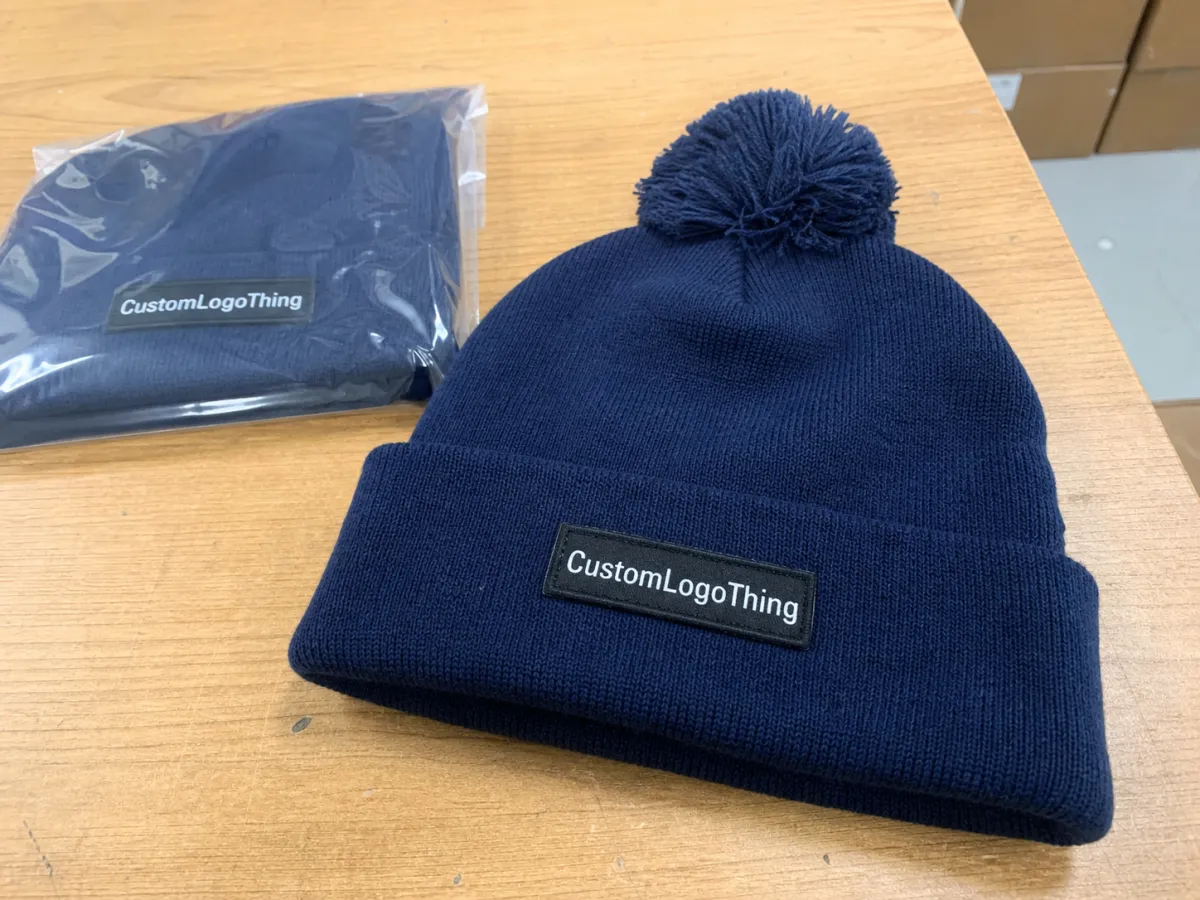
The basic requirement is simple: every unit should arrive clean, countable, and ready to sell. The hard part is deciding how much protection that actually takes. A hotel buyer usually does not want loose bulk inventory dumped into the back room. They want a carton that opens into usable retail stock, not a sorting project.
That makes the packing spec more demanding than plain wholesale. The unit has to retain shape through shipping, handling, and shelf placement. The pom should not be compressed so hard that it stays misshapen. The body should fold consistently enough that the display looks uniform. And the SKU information should be readable at a glance.
For most programs, the buyer is checking four things at the same time:
- Count accuracy: carton and PO quantities have to match exactly.
- Presentation: each beanie should look retail-ready, not like a recovered sample.
- Protection: the package must prevent lint, dirt, snags, and compression damage.
- Receiving speed: staff should be able to identify, scan, and shelve the product quickly.
That sounds ordinary until you compare it with standard bulk packing. In a hotel setting, one carton may be opened, displayed, closed again, and reopened over several weeks as stock moves slowly. A weak pack plan can look fine on day one and fail by the second replenishment cycle. That is why the pack method matters as much as the yarn weight or stitch density.
The pom style matters too. A yarn pom usually rebounds better after light compression than a dense faux-fur pom, which can show flattened spots or trapped fibers if packed too tightly. Large poms need more headroom in the bag and more care in carton stacking. Smaller poms are easier to ship, but they still lose their shape if the carton is overfilled.
For buyers comparing suppliers, the useful question is not whether the vendor can pack the beanies. It is whether the vendor can pack them so they arrive shelf-ready in a hotel retail environment with minimal handling. That distinction saves labor, reduces damage claims, and prevents the quiet kind of margin loss that shows up after the first replenishment.
How Case Packs Move From Bulk Carton to Retail Shelf
The packing flow usually starts with unit preparation. Beanies are folded to a consistent footprint, the pom is shaped, and the retail label or barcode is applied before the item goes into any secondary pack. From there, the order moves into inner packs, master cartons, and then pallets if the shipment is traveling through a warehouse or distributor channel. Each layer has a purpose. None of them should be decorative.
The usual hierarchy looks like this:
- Unit level: one beanie, protected by a polybag, tissue, or soft insert when needed.
- Inner pack: a smaller grouped pack that separates sizes, colors, or assortments.
- Master carton: the shipping carton that protects inventory and simplifies receiving.
- Pallet layer: the outer transport stage for larger orders, often with stretch wrap and corner protection.
The expensive mistakes happen when someone changes that hierarchy late. Switching from bulk to individual retail bags can trigger new artwork, different carton dimensions, a different labor count, and another approval cycle. If the hotel group wants barcodes on every unit, that adds another touchpoint. If the assortment has to be split by size or color for different properties, the packing line slows down again. All of that should be settled before production starts.
Retail-ready presentation is not a cosmetic preference. Receiving teams are usually measured on speed. If a carton is labeled clearly, the contents are easy to count, and the barcode scans the first time, the product reaches the shelf faster. If not, the carton sits in the back room while somebody checks the packing list against the purchase order by hand.
For transit testing, many buyers ask for ISTA-style procedures or an equivalent drop and vibration check. That is sensible. A retail display spec means very little if the carton cannot survive ordinary handling. A product that arrives clean but unsellable is still a failed shipment.
There is also a practical reason to avoid overpacking. Cotton blends and bulky knits can flatten against each other more easily than buyers expect. Once the carton is opened, the product may need a few minutes to breathe or be reshaped. That is manageable in a warehouse. It is less manageable at a small resort shop with one associate and a line at the counter.
Cost, MOQ, and Unit Cost: What Changes the Quote
Unit cost shifts quickly once the packing spec moves toward hotel retail requirements. The beanie itself may be a small slice of the total. The real drivers are the touches around it: custom bags, printed labels, barcode application, stronger corrugate, carton inserts, assortment sorting, and the extra care needed to keep the pom from being compressed flat.
For planning, these are reasonable working ranges:
- Basic bulk packing: adds about $0.00 to $0.05 per unit when the product ships in simple counts with minimal retail prep.
- Single polybag plus basic label: adds about $0.06 to $0.12 per unit, depending on bag size, print coverage, and labeling steps.
- Retail-ready hotel pack: often adds about $0.14 to $0.28 per unit when presentation, barcode work, and sturdier carton handling are included.
MOQ moves with complexity. A one-size beanie in a stock bag can sometimes be made economically at 300 to 500 units if the factory already has materials on hand. Once the order calls for custom labels, multiple sizes, assortments, or special hotel presentation, the practical minimum often shifts to 1,000 to 3,000 units. That is not a negotiation tactic. It is the labor curve.
The best quote separates the parts that matter. Ask for product cost, packing labor, carton materials, and freight assumptions to be listed separately. If everything is bundled into one number, it becomes impossible to compare suppliers on equal terms. It also becomes harder to see whether a higher quote is actually buying lower damage risk or just absorbing extra margin.
| Packing option | Best use | Typical added unit cost | Tradeoff |
|---|---|---|---|
| Bulk carton only | Backstock, promotional opens, internal distribution | $0.00-$0.05 | Lowest cost, highest chance of extra handling on arrival |
| Polybag + SKU label | Standard hotel retail replenishment | $0.06-$0.12 | Good balance of presentation and labor |
| Retail-ready pack with barcode and stronger carton spec | Lobby shops, resort boutiques, premium resort programs | $0.14-$0.28 | Better shelf appearance, higher pack-out cost |
Carton spec can move the price too. A stronger corrugated board, especially on longer routes or heavier case packs, may raise material cost slightly but reduce damage and repack labor. For some programs, FSC-certified board is requested as part of the packaging standard. That usually adds a little cost, not a deal-breaking amount. See FSC for the certification framework.
The cleanest buying decision is not the lowest unit cost on paper. It is the lowest total delivered cost after damage, rework, and store labor are considered. A pack that costs a few cents more can still be cheaper if it avoids one chargeback or one case of flattened poms on arrival.
Process and Turnaround: Approvals, Sampling, and Ship Dates
The cleanest production flow starts with a locked spec. Size range, color count, pom style, bag type, barcode format, carton count, and ship-to details should all be fixed before material is cut. After that comes sampling, then pre-production approval, then the main packing run, then final inspection, then shipment. Skip a step and the schedule usually pays for it later.
Most delays are unglamorous. Missing barcode data. Late logo approval. A carton count that changes after the sample has already been signed off. Someone decides the pom needs more loft. Another person wants the label moved half an inch. None of those changes sounds dramatic, but they add up fast.
Typical turnaround ranges:
- Stock beanie with simple bulk pack: often 7 to 12 business days after approval if materials are already in house.
- Retail bagged pack with standard labels: often 12 to 18 business days.
- Custom hotel retail packaging or special assortments: often 18 to 25 business days, sometimes longer if materials need to be sourced.
The best schedule protection is one fully packed sample that matches the final shipment. A loose beanie sample proves the knit and color. It does not prove the pom survives compression, the label sits in the right place, or the carton count makes sense after receiving. Buyers who approve only the fabric sample often discover the packing problem after production has already started.
Hotel rollouts also benefit from a clear display plan. If the product is going into a lobby shop, the pack should support quick replenishment and clean front-facing presentation. If it is going to a resort boutique with limited backroom space, smaller inner packs may be better. That detail changes labor more than most people expect.
Lead times are most predictable when the supplier gets the whole brief at once. Send the size mix, color mix, retail format, barcode rules, carton markings, and final ship-to address together. Piecemeal instructions create extra revisions, and revisions are what stretch a schedule that looked fine on the first draft.
Carton Specs, Polybags, and Labeling Rules That Keep Stores Happy
Carton design is not glamorous, which is probably why it gets treated as an afterthought. For hotel retail buyers, it is one of the main controls on receiving speed and product condition. A light beanie shipment may do fine in a 32ECT carton. Heavier assortments, stacked pallets, or longer routes may be safer in a stronger spec such as 44ECT. The right answer depends on weight, route, and how much handling the shipment will see before it is opened.
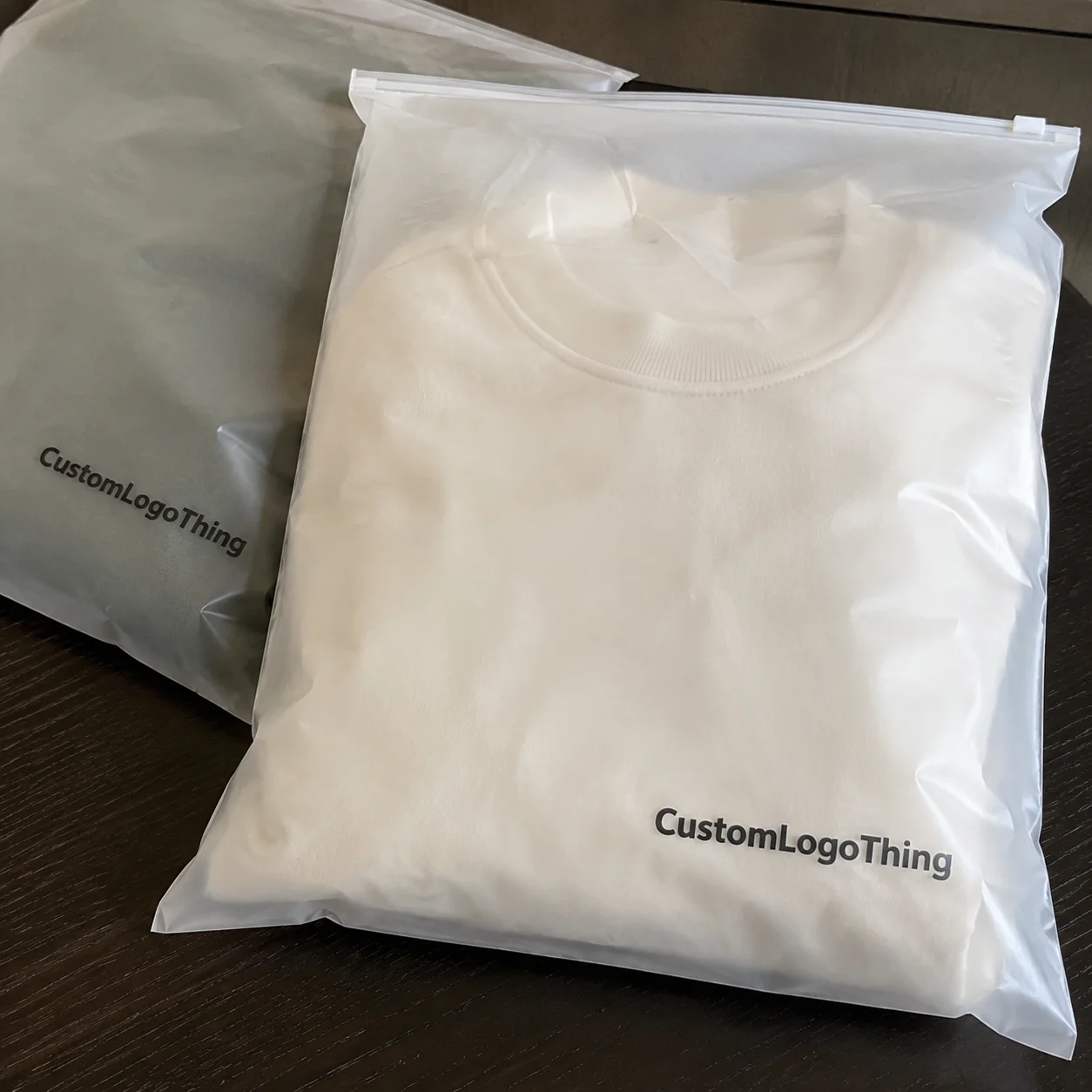
Polybag choice matters just as much. A bag that is too tight crushes the pom and leaves pressure marks. A bag that is too loose lets the beanie shift and creates a sloppy look on the shelf. The goal is enough room to protect the shape without letting the item wander inside the bag.
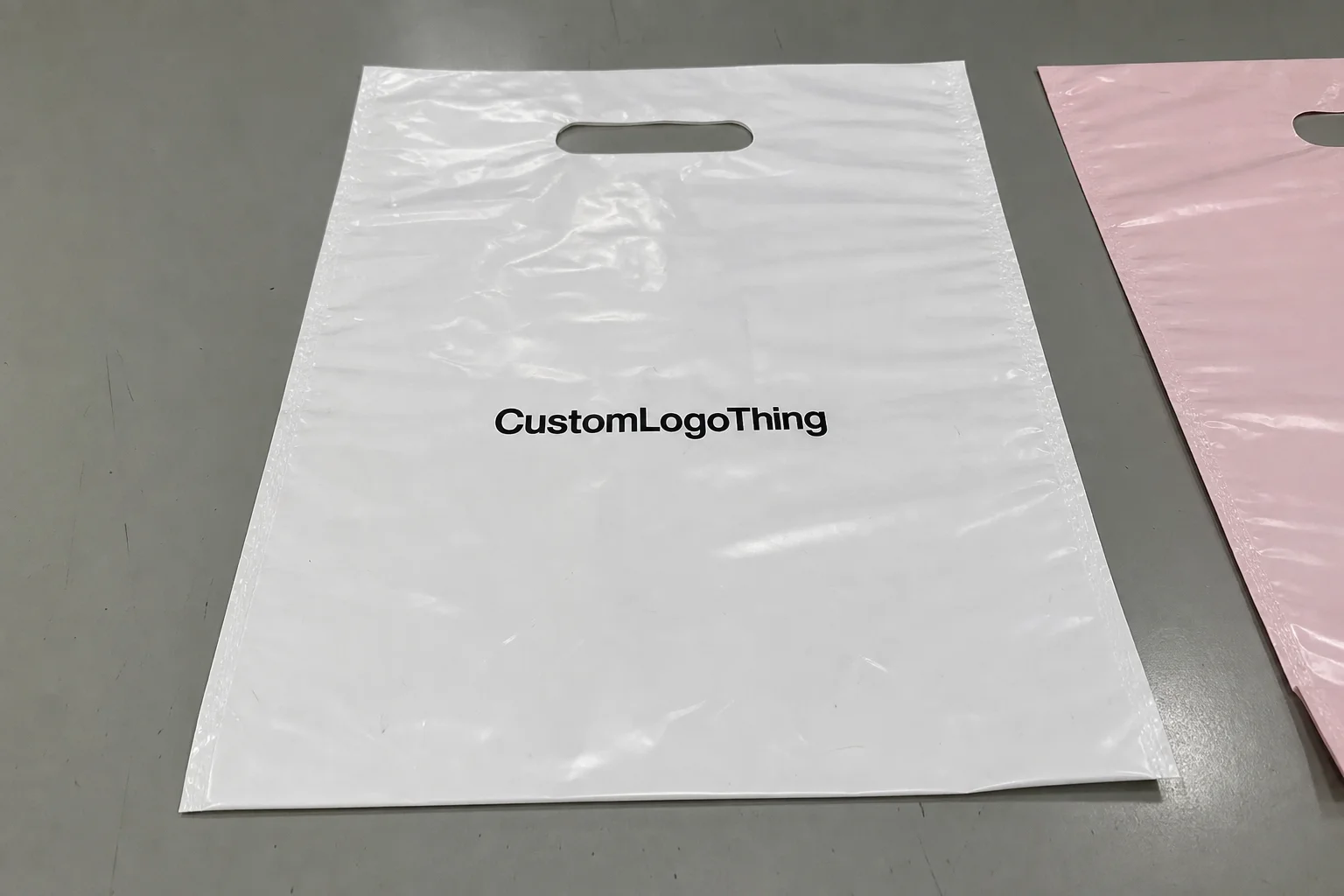
For many hotel retail programs, a clear polybag with a suffocation warning and a clean fold is enough. If the store wants a more polished presentation, a matte bag, a header card, or a printed insert can help. The extra cost is usually small compared with the cost of a shelf that looks uneven or underdressed.
Labels should be written for receiving staff, not for the factory floor. At minimum, the carton and unit labels should identify:
- SKU or style code
- Color and size
- Quantity per carton
- Country of origin
- PO number or buyer reference
- Barcode or scannable retail code
Single-unit retail bags usually make the most sense for lobby shops and resort boutiques. They speed replenishment and keep the shelf uniform. Multipacks can work for seasonal programs or bundle pricing, but they reduce flexibility and can leave awkward leftover inventory. The format should match the store model, not the warehouse's preferred packing line.
One good test is simple. If the shipment is hard to count, hard to scan, or hard to stock, it is not retail-ready. It is just boxed inventory with better language attached to it.
Common Packing Mistakes That Trigger Chargebacks or Rework
The failures are usually familiar, and they are rarely subtle. Crushed pom tops are the obvious one. Loose packing that lets units bounce around in the carton is another. Mismatched carton counts can turn a clean delivery into a receiving dispute. Labeling mistakes can trigger chargebacks or at least a very slow email exchange that no one wants.
Common failure points:
- Pom tops flattened by over-compression or stacked weight.
- Inconsistent folding that makes shelf presentation look random.
- Carton counts that do not match the packing list.
- Barcode labels placed where scanners miss them or staff cannot find them.
- Vague instructions like "standard packing," which means almost nothing once production starts.
That last one deserves special attention. "Standard packing" is a weak brief because every factory has its own version of standard. One plant assumes bulk counts in a master carton. Another assumes individual polybags. A third assumes retail labeling but no outer carton detail. Unless the spec is explicit, the factory will fill in the gaps according to its own habits.
The hidden cost of a bad pack is often labor, not damage. Rework means staff time at the warehouse, delayed store delivery, and units that may no longer look new enough to command full price. Sometimes the beanie is technically fine. The presentation is not. That can be enough to downgrade the display location or push the item into clearance after the first cycle.
Many buyers now ask for a transit test on larger orders. That makes sense. A controlled drop or compression failure is cheaper than a box of flattened poms arriving at a resort store two days before a weekend rush. The point is not to over-engineer the packaging. It is to find the weak point before the customer does.
Next Steps: Lock the Spec, Request Samples, and Place the Order
If the order is going into hotel retail, keep the brief tight and practical. Confirm the pack count. Lock the barcode format. Choose the carton spec. Decide whether each beanie needs a polybag or a cleaner retail bundle. Then request a packed sample that matches the final shipment exactly. A loose sample is useful for color and knit approval, but it does not prove the packing plan works.
Include the target hotel channel, the expected display method, the size or color breakdown, the ship-to address, and any labeling rules from the buyer in one document. That reduces the usual back-and-forth and keeps the packing spec from drifting after quoting has already started. It also helps the supplier price the labor accurately, which matters more than most buyers realize.
For margin control, ask for at least two options: a simple protected bulk pack and a full retail-ready version. Sometimes the lower-cost pack is enough. Sometimes the extra $0.10 to $0.20 per unit is justified because the product lands cleaner and requires less handling in the store. That is a business judgment, not a packaging philosophy.
Before the PO is signed, review pom pom Beanies Packing Requirements for hotel retail fulfillment one more time. If carton counts, label placement, pom protection, and receiving instructions are all clear, the order usually moves more smoothly. If they are not, the shipment will usually expose the gap for you.
FAQ
What are the standard pom pom beanies packing requirements for hotel retail?
Most hotel retail programs want a clean retail-ready pack: individual protection, consistent folding, clear SKU or size labels, and master cartons that are easy to count on receipt. The shipment should look presentable enough for immediate shelf placement without extra sorting by staff.
How do you pack pom pom beanies so the pom stays in shape during transit?
Use a pack method that avoids crushing the top, leaves enough room around the pom, and keeps the beanie from being compressed too tightly in the carton. A sample packed exactly like the final order is the best way to verify that the pom still looks acceptable after shipping and handling.
What MOQ is typical for hotel retail pom pom beanie packing orders?
MOQ depends on whether the pack is basic bulk, retail bagged, or fully labeled for hotel resale, because each added step increases labor and materials. Assorted sizes, custom labels, and special carton requirements usually push minimums higher than a simple one-size retail pack.
How much does custom packing add to unit cost for hotel retail fulfillment?
The biggest cost increases usually come from custom bags, printed labels, extra labor, and stronger cartons rather than the beanie itself. The best way to compare quotes is to separate product cost, pack-out labor, carton materials, and freight so the true unit cost is visible.
What lead time should I expect for pom pom beanies in hotel retail packing?
Lead time depends on sample approval speed, label readiness, stock availability, and whether the order needs Custom Retail Packaging or simple bulk packing. A clear spec and one approved packed sample usually shorten the process more than a rush promise ever will.