Buyer Fit Snapshot
| Best fit | Rigid Boxes Manufacturer projects where brand print, material claims, artwork control, MOQ, and repeat-order consistency need to be specified before quoting. |
|---|---|
| Quote inputs | Share finished size, material target, print colors, finish, packing count, annual reorder estimate, ship-to region, and any compliance wording. |
| Proofing check | Approve dieline scale, logo placement, barcode or warning zones, color tolerance, closure strength, and carton packing before bulk production. |
| Main risk | Vague material claims, crowded artwork, missing packing details, or unclear freight terms can make a low unit price expensive after revisions. |
Fast answer: Rigid Boxes Manufacturer: Material, Print, Proofing, and Reorder Risk should be specified like a repeatable production item. The safest quote records material, print method, finish, artwork proof, packing count, and reorder notes in one written spec.
Production checks before approval
Compare the actual filled-product size with the drawing, then confirm tolerance on folds, seals, hang holes, label areas, and retail display edges. Reserve space for logos, QR codes, warning copy, and material claims before decorative graphics fill the panel.
Quote comparison points
Review material grade, print process, finish, sampling route, tooling charges, carton quantity, and freight assumptions side by side. A quote is only useful when the supplier can repeat the same color, closure quality, and packing count on the next order.
The first thing I noticed when I walked onto the production floor at a friend's contract packaging facility in Shenzhen was the sound: a rhythmic thump-thump-thump from the rigid box line. These weren't being assembled by hand. Industrial equipment was wrapping 1200gsm chipboard with decorative papers at a pace that would make most small-batch makers weep. That experience changed how I think about choosing a rigid boxes manufacturer—it's not just about finding someone who can make a pretty box. It's about finding a production partner whose capabilities actually align with your brand's needs.
After two decades covering and consulting in the packaging industry, I've watched brands make the same expensive mistakes over and over when sourcing rigid boxes. They see the glossy portfolio, accept the "competitive quote," and then spend months dealing with quality inconsistencies, missed deadlines, and scope creep that turns a promising launch into a logistical nightmare. I've seen some absolute disasters unfold in this space, and most of them were completely preventable. The difference between a successful rigid box partnership and a cautionary tale often comes down to about six decisions you make before signing a single quote.
Why Rigid Boxes Dominate the Luxury Packaging Market
Let me start with some context that puts everything else in perspective. The global luxury packaging market exceeds $18 billion annually, and rigid boxes command the premium segment within that figure. When a consumer picks up a rigid box versus a folding carton, their brain actually processes value differently. Studies in sensory marketing consistently show that perceived weight and structural rigidity trigger associations with quality and permanence. A rigid box delivers four times the perceived value of a folding carton containing the exact same product.
I've seen this play out firsthand with a cosmetics client in New York. They launched a serum in a high-quality folding carton at $95 retail, then switched to rigid boxes for the holiday set at $125. Same formula. Same branding. The rigid packaging didn't just look better on shelf—it fundamentally changed how their sales team positioned the conversation. "Premium" stopped feeling like marketing speak and started feeling tangible.
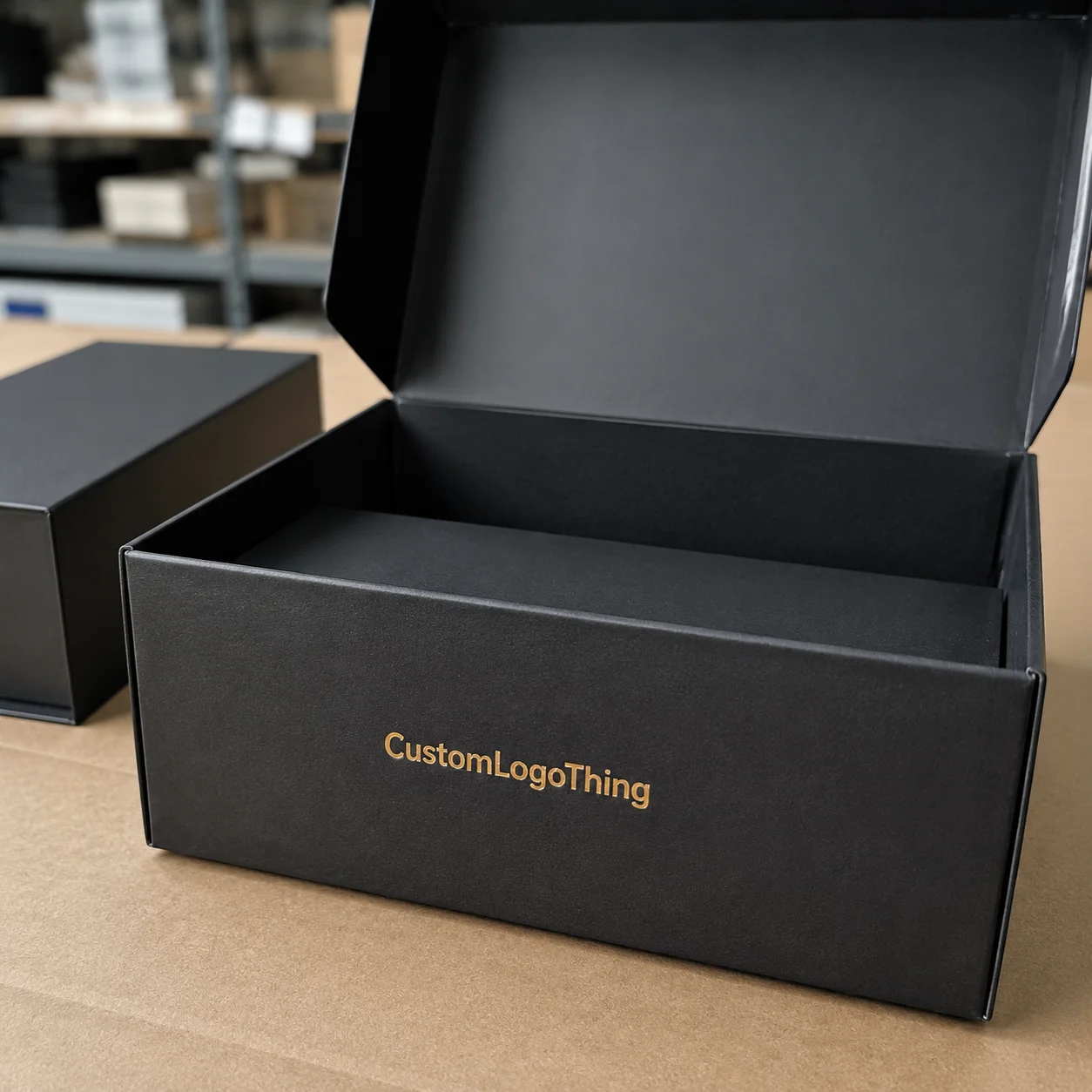
The right rigid boxes manufacturer transforms your packaging from container to brand statement. When your box arrives with a velvet-like soft-touch lamination, magnetic closure that snaps with satisfying precision, and interiors that cradle your product like it matters, you've already delivered an experience before the customer even opens it. That's the emotional real estate luxury brands are buying.
"A rigid box isn't just protection for your product—it's the first physical interaction a customer has with your brand. That moment matters more than most marketers realize."
What Exactly Does a Rigid Boxes Manufacturer Do?
How does a rigid boxes manufacturer differ from a standard box company? Most people outside the industry don't realize that a rigid boxes manufacturer isn't just "a box company with fancier equipment." The machinery alone is enough to make your head spin. The production process requires specialized capabilities that standard corrugated or folding carton manufacturers simply don't have.
A rigid boxes manufacturer converts raw materials—paperboard ranging from 800gsm to 1500gsm, decorative fabrics, specialty papers, leather alternatives—into solid, non-collapsible structures. The board gets wrapped with your chosen material, corners get reinforced (either with mitered joints or specialized corner pieces depending on quality tier), and the box gets assembled with hinge mechanisms, magnetic closures, or even mechanical latching systems.
The equipment required is entirely different from standard box making. Where a typical carton printer runs sheet-fed presses at high speeds, rigid box production uses wrapping machines, pasting equipment, and finishing lines that can cost millions to set up properly. I visited one facility in Dongguan that had invested $4.2 million in their rigid box line alone. That kind of capital investment means manufacturers are pretty selective about which projects they take on.
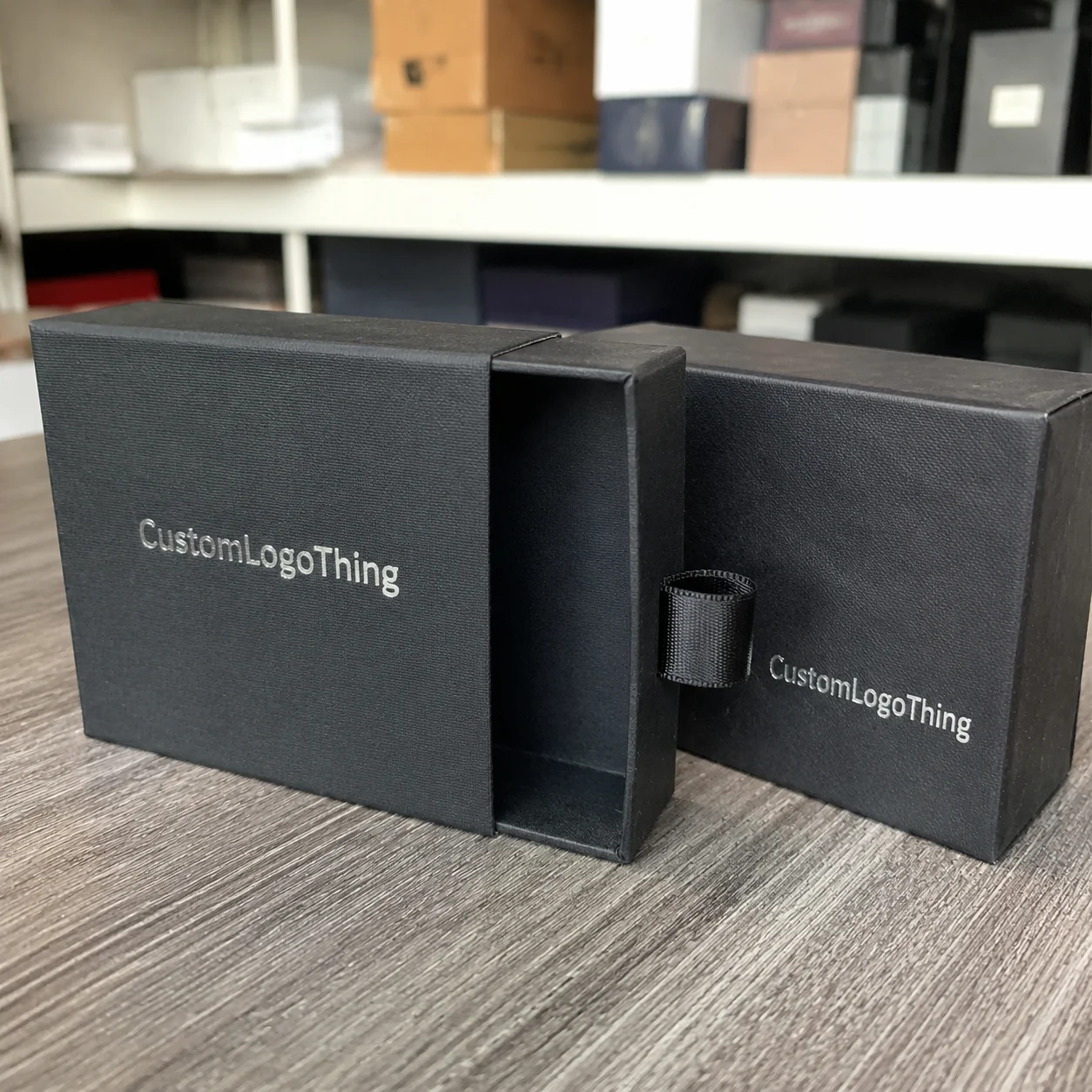
Capabilities vary dramatically between rigid boxes manufacturers. At the most basic end, you have hinged boxes with simple paper wrapping and minimal finishing. At the sophisticated end, you're looking at boxes with embedded electronics (yes, boxes that light up or play audio when opened), complex multi-compartment interiors with thermoformed inserts, and specialty finishes like laser engraving or hydrographics. Understanding where a potential partner falls on that spectrum matters enormously.
5 Critical Factors When Selecting a Rigid Boxes Manufacturer
After visiting dozens of manufacturing facilities and consulting with brands ranging from indie beauty to Fortune 500 consumer goods, I've narrowed the selection criteria down to five factors that actually predict success or failure. Ignore these at your peril.
1. Minimum Order Quantities
This is the gate that eliminates most options immediately for smaller brands. Some rigid boxes manufacturers require 1,000+ units per SKU before they'll even quote. I've worked with boutique makers in Ohio and California who accept orders as low as 100-250 units, but the per-unit pricing reflects that flexibility. If you're launching a limited edition run, a manufacturer with high MOQs is essentially not an option regardless of their capabilities.
2. Material Sourcing and Options
What materials can they offer? Do they have sustainable options like FSC-certified paperboard or recycled content boards ranging from 30% to 100% post-consumer materials? Can they source specialty papers from specific mills—Italian kraft papers, Japanese washi, or custom embossed textures? If material selection matters to your brand (and it should), you need a rigid boxes manufacturer who doesn't just stock commodity options.
3. Sample Process and Turnaround
How do they handle prototyping? Some manufacturers turn samples in 5-7 business days; others need 3-4 weeks. Are prototypes charged separately from production runs? What's the policy if the sample doesn't match your expectations? I find myself explaining to clients constantly that the sample process reveals more about a manufacturer's communication quality than any sales pitch. If they're hard to reach during sampling, they'll be impossible to reach during production.
4. Lead Time Transparency
Standard orders from a rigid boxes manufacturer typically require 4-6 weeks from proof approval to shipment, but you need to verify this and understand what happens if you need faster turnaround. Do they have rush capabilities? What are the associated premiums? Brands discover too late that their "4-week" timeline assumed no finishing complexity and that foil stamping alone added two weeks. This always happens right before a major retail window, and I genuinely don't understand why manufacturers don't spell this out more clearly upfront.
5. Quality Certifications and Compliance Documentation
What standards do they hold? ISO 9001 certification indicates a functioning quality management system. ISO 14001 shows environmental responsibility. FSC certification matters if sustainability claims are part of your brand story. Beyond certifications, ask about their compliance documentation process. Can they provide test reports, material data sheets, and audit trails? Large retailers increasingly require this documentation before approving new packaging suppliers.
Your Step-by-Step Process: From Inquiry to Delivery
Working with a rigid boxes manufacturer follows a predictable path, but the specifics within each stage vary enough to cause confusion. Here's what the process actually looks like when executed well.
Initial Consultation
Most reputable manufacturers start with a specifications conversation. Come prepared with your box dimensions (length × width × height in millimeters or inches), quantity needs, material preferences, and timeline requirements. If you don't know what you want, a good manufacturer will guide you—but understand that vague requirements lead to vague quotes. I once spent three calls helping a client clarify that they needed 120mm × 80mm × 45mm internal dimensions with a 2mm tolerance, not "roughly that size."
Quote Validation
When you receive a quote, request detailed breakdowns. Materials should be listed separately from tooling, finishing, and shipping. A line-item quote protects you from scope creep and surprises. If a manufacturer won't break down their pricing, that's a red flag. I've had clients receive quotes that seemed competitive until they discovered a $2,000 "engineering fee" that wasn't mentioned upfront.
Sample Approval
Review 2-3 prototypes before committing to full production. At minimum, you want to see: a physical sample that matches your material specifications, color accuracy verification against your approved proof, and a dimensional check against your requirements. Don't rush this stage. Brands approve samples verbally, then receive production runs that didn't match what they expected. Written approval with physical sign-off is the only protection you have.
Production and Quality Check
Establish acceptance criteria before shipment. What constitutes acceptable versus unacceptable? Minor color variance in offset printing typically falls within ±2 Delta E. Corner joints should be tight with no gaps exceeding 1mm. These specifics prevent disputes when your shipment arrives. I've had clients accept containers that arrived with visible adhesive squeeze-out because they never defined what "quality finish" meant contractually. "Quality finish" is not a specification. It's a feeling. And feelings make terrible contractual terms.
Understanding What You Pay For: Rigid Box Pricing Breakdown
This is where I see brands get the most surprises. Rigid box pricing isn't opaque by accident—it's complex because there are legitimately many variables. Understanding what drives cost helps you make smarter decisions about where to spend and where to save.
| Cost Component | Typical Range | Notes |
|---|---|---|
| Tooling / Dies | $500 - $3,000+ | Complex magnetic closures or custom hinges cost more |
| Per-Unit (500 qty) | $2.50 - $8.00 | Varies by size, materials, and finishing complexity |
| Per-Unit (2,500 qty) | $1.20 - $4.50 | Volume discount typically 15-30% versus lower quantities |
| Foil Stamping | $0.15 - $0.40/unit | Multi-color or large-area coverage increases cost |
| Embossing / Debossing | $0.10 - $0.25/unit | Combination emboss/foil often has setup overlap savings |
| Material Upgrade (1200gsm vs 800gsm board) | +40% material cost | Significant durability and perceived quality difference |
The per-unit pricing drops substantially when you increase order quantities. Doubling from 500 to 1,000 units typically saves 12-18%. Moving to 2,500-5,000 units can push savings to 25-30%. This is pure economics: setup costs get amortized across more units, and production efficiency improves at higher volumes.
Finishing options add significant cost but can differentiate your packaging dramatically. Foil stamping adds $0.15 to $0.40 per unit depending on coverage area and metal type (gold costs more than silver, holographic is premium). Embossing adds $0.10 to $0.25 per unit. Here's a practical tip: combination finishes often cost less than the sum of individual operations because the manufacturer reuses setup time.
Hidden fees catch unwary buyers regularly. Watch for artwork preparation charges if your files need pre-press work. Storage fees start accruing once your order is complete and you haven't arranged pickup or shipping—typically after 14-30 days. Rush surcharges can add 25-50% for orders needed in less than standard lead time. I always advise clients to ask about these explicitly before signing.
Mistakes Brands Make When Working with Rigid Box Manufacturers
I've compiled these mistakes from actual client projects—names withheld to protect the foolish, not the innocent. These errors cost anywhere from $3,000 to $50,000 in rework, delays, or ruined launches.
Ignoring Dieline Specifications
Every rigid boxes manufacturer uses different bleed requirements, safety margins, and file setup standards. One of my clients delivered artwork with 2mm bleeds when the manufacturer required 5mm. The resulting boxes had inconsistent wrapping coverage on two sides. The fix required a $2,200 retool and three weeks of delay. Always, always request the manufacturer's specific dieline template before creating artwork.
Underestimating Color Variance
PMS matching isn't perfect. In offset printing, color tolerance is typically ±2 Delta E, which means the difference between a "match" and what you see on your calibrated monitor can be noticeable. If exact brand color matching is critical, request a press proof and accept that you may need 2-3 rounds of adjustment. Brands reject entire print runs over color variance they hadn't specified as unacceptable in their approval criteria.
Skipping Stress Testing
Boxes that look perfect on a sample table may fail during shipping. Corner impacts, compression stacking, and vibration can all cause damage. ISTA testing protocols exist for a reason. At minimum, request that your manufacturer conduct a compression test simulating your expected shipping scenario. A beauty brand I worked with discovered their boxes collapsed under normal pallet stacking only after 40% of their holiday shipment arrived damaged. Forty percent. That launch was a complete disaster.
Accepting Vague Quotes
"We charge for finishing" is not a quote. If you see anything that isn't itemized—tooling fees, setup charges, minimum billing quantities, overs run charges—ask for specifics. A detailed quote prevents the most common post-production disputes I've encountered. I've mediated three separate disputes where clients paid $1,500-3,000 more than their "approved" quote because they never asked what "standard finishing" included.
Rushing Sample Approval
The pressure to hit market windows causes brands to rush through sample review. I've seen it end badly more times than I can count. One client needed 10,000 units delivered in six weeks for a trade show. They approved the sample on a Wednesday, received the production run on Monday, and discovered the magnetic closure they'd specified had been replaced with a cheaper snap closure. The trade show proceeded with inferior packaging. That's not a mistake you recover from.
Expert Tips for a Successful Rigid Box Partnership
Beyond the basics, here are the strategies that separate brands with smooth rigid box sourcing from those perpetually in crisis mode.
Request Material Samples Before Committing
Substrate quality varies significantly between manufacturers. Paper feel, board stiffness, and surface smoothness are tactile experiences you can't capture from a spec sheet. I've had clients approve quotes based on samples, then receive production runs that felt completely different. The fix is simple: request material samples for your specific board grade and decorative option before you sign anything.
Build Relationships with Production-Experienced Account Managers
The best account managers I've worked with have actually spent time on the production floor. They know which finishes cause headaches, which material combinations fail during humidity exposure, and which customers consistently have artwork issues. Someone who can anticipate problems before they happen is worth their weight in gold. When you're evaluating a potential rigid boxes manufacturer, ask about your account manager's background. Sales background only? Run, don't walk, to the next manufacturer.
Negotiate Storage Terms Proactively
Many manufacturers offer 30-60 days of free storage post-production. This matters because it gives you flexibility in shipping logistics. If you're importing for a Q4 launch, you can have boxes produced in August and stored until October without accruing charges. This negotiation point is often overlooked. It also reduces your warehouse burden if the manufacturer can hold inventory until you need it.
Document Everything in Writing
Specifications. Approval criteria. Change orders. The only protection you have in disputes is documentation. I've seen verbal approvals overridden by written terms in contracts. Email confirmations get disputed. The only record that holds up is written documentation both parties acknowledged. I recommend creating a simple specification sheet with checkboxes that both parties sign, plus email confirmations for any verbal conversations that affect production.
Consider Regional Manufacturing
Shipping rigid boxes from Shenzhen to Los Angeles adds approximately $0.35-0.60 per unit in freight costs, plus 4-6 weeks of lead time for ocean transit. Domestic manufacturers in the US, Canada, or Mexico offer faster turnaround and lower shipping costs but typically charge 25-40% more per unit. The calculation isn't always obvious. For high-volume orders where inventory carrying costs are low, the savings from Asian manufacturing make sense. For time-sensitive launches or lower volumes, regional proximity wins.
Next Steps: Finding Your Ideal Rigid Boxes Manufacturer
Here's your action plan. I recommend approaching this methodically rather than jumping at the first attractive quote you receive.
Compile Your Project Specifications First
Before contacting anyone, document: exact dimensions (with tolerance), quantities needed, material preferences, finishing requirements, timeline, and any compliance certifications you need. Vague inquiries get vague responses. Specific inquiries get specific—and useful—quotes.
Request Quotes from 3-5 Manufacturers
Benchmarking pricing across multiple rigid boxes manufacturers gives you market context and negotiating leverage. Don't just ask for a price—request the line-item breakdown. If a manufacturer refuses to itemize, cross them off your list. You're not just comparing costs; you're comparing transparency and professionalism.
Ask for Physical Samples of Recent Work
Not portfolio photos—actual samples from recent production runs. These demonstrate what the manufacturer actually produces, not what their best-case scenario looks like. A manufacturer who hesitates to provide samples? That's concerning. Their work should speak for itself.
Evaluate Communication Responsiveness
How quickly do they respond to initial inquiries? How detailed are their responses? This predicts future support quality. Manufacturers difficult to reach before the sale become impossible to reach after your money is in their account. If your account executive takes five days to respond during the quoting phase, that won't improve during production.
Start with a Pilot Order
Before committing to large production runs, start with a smaller pilot order—typically 100-250 units. This lets you validate quality consistency, communication responsiveness, and logistics without betting your entire product launch on a manufacturer you barely know.
"The best time to discover a manufacturer's weaknesses is before you've invested $50,000 in inventory that doesn't match your specifications."
Choosing the right rigid boxes manufacturer isn't just a procurement decision—it's a partnership decision that affects your brand perception, launch timelines, and operational stress levels for months or years. The brands I've seen succeed treat this selection process as strategic, not transactional. They visit facilities when possible. They build relationships with production managers, not just salespeople. They document obsessively and communicate clearly.
The brands I've seen struggle took the opposite approach. They treated packaging as a commodity, selected based primarily on price, and then spent months managing the consequences. I've seen premium products arrive at retail in packaging that undermined every dollar spent on product development. Launch windows missed because "the boxes weren't ready." Brand equity damaged because customers received rigid boxes with visible manufacturing defects.
None of those outcomes are inevitable. They're choices—made by brands who didn't invest the time upfront to select the right manufacturing partner. What I've outlined here gives you the framework to make a better choice than those brands did. Start with your specifications, benchmark at least three manufacturers, request physical samples, and validate communication responsiveness with a pilot order before committing to full production. That process won't eliminate all risk, but it'll significantly improve your odds of finding a rigid boxes manufacturer who becomes a genuine asset to your supply chain.
Frequently Asked Questions
What is the typical lead time when ordering from a rigid boxes manufacturer?
Standard production timelines range from 4-6 weeks after sample approval, with additional time for shipping. Rush orders with premium pricing can reduce production time to 2-3 weeks, though this typically incurs a 25-50% surcharge. Domestic shipping adds 1-5 business days, while international freight (especially ocean shipping from Asia) can add 4-6 weeks to your total timeline. Always factor in buffer time for quality inspection upon arrival—rushing this step to meet retail windows invites disaster.
What is the minimum order quantity for rigid boxes?
Most manufacturers require 500-1,000 units per design SKU before they'll quote. Boutique rigid boxes manufacturers accept orders as low as 100-250 units at higher per-unit costs—expect to pay 40-60% more per unit compared to standard MOQ pricing. Large-scale manufacturers may offer 2,500+ unit minimums for cost efficiency, with per-unit pricing dropping substantially at those volumes. If your needs fall below standard MOQs, look for prototyping services from larger manufacturers or small-batch specialists.
How do I reduce costs when working with a rigid boxes manufacturer?
Increasing order quantities unlocks volume discounts of 15-30% in most cases—doubling your order often cuts per-unit costs by a fifth or more. Simplifying finishing options saves money: single-color foil stamping costs less than multi-stage processes, and reducing coverage area reduces material consumption. Choosing standard or near-standard sizes over custom dimensions can eliminate premium tooling costs. Using manufacturer-provided materials (rather than sourcing specialty papers yourself) often results in better pricing because manufacturers buy in bulk. Finally, build longer timelines into your planning to avoid rush charges.
Can rigid box manufacturers produce sustainable or eco-friendly packaging?
Yes, and this is an expanding category. Look for FSC-certified paperboard and soy-based or vegetable-based inks as baseline sustainable options. Recycled content boards are available with 30-100% post-consumer materials, though board quality and surface finish vary accordingly. Plant-based lamination alternatives eliminate traditional plastic barriers, making boxes more recyclable. Ask manufacturers for environmental certifications, recycling documentation, and lifecycle assessments if your brand makes sustainability claims. Be prepared to pay a 5-15% premium for certified sustainable materials.
What file formats do rigid box manufacturers require for artwork?
Vector files (AI, EPS, PDF) are preferred for logos, text, and artwork elements that need to remain crisp at various sizes. High-resolution raster images (300 DPI minimum at actual size) work for photographic elements but scale poorly. Always provide artwork with 3mm bleed beyond trim marks—some manufacturers require 5mm, so always request their specific dieline template. Embed fonts or convert text to outlines to prevent font substitution issues. CMYK color mode is standard for production files; RGB or spot colors need to be specified and converted. Request manufacturer-provided dieline templates to ensure accurate sizing and avoid costly reprints.
Related packaging resources
Use these related guides to compare specs, costs, quality checks, and buyer decisions before making the final call.
- Display Boxes Wholesale: Pricing, Specs, and Process
- Custom Rigid Gift Boxes with Logo: A Practical Guide
- Custom Zip Pouches With Logo: Practical Packaging Guide
- Custom Kraft Gift Bags Bulk: Pricing, Specs, and Lead Times