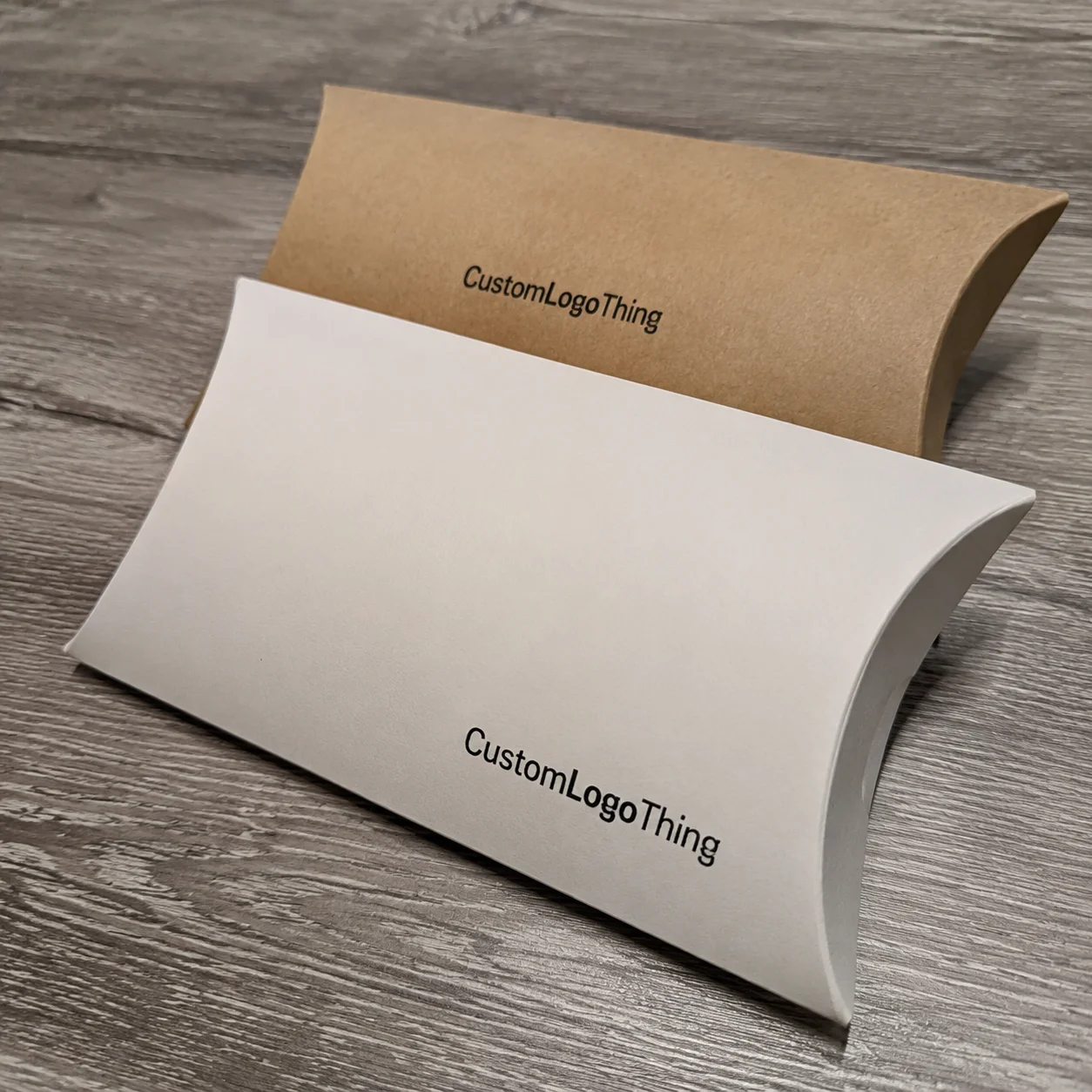
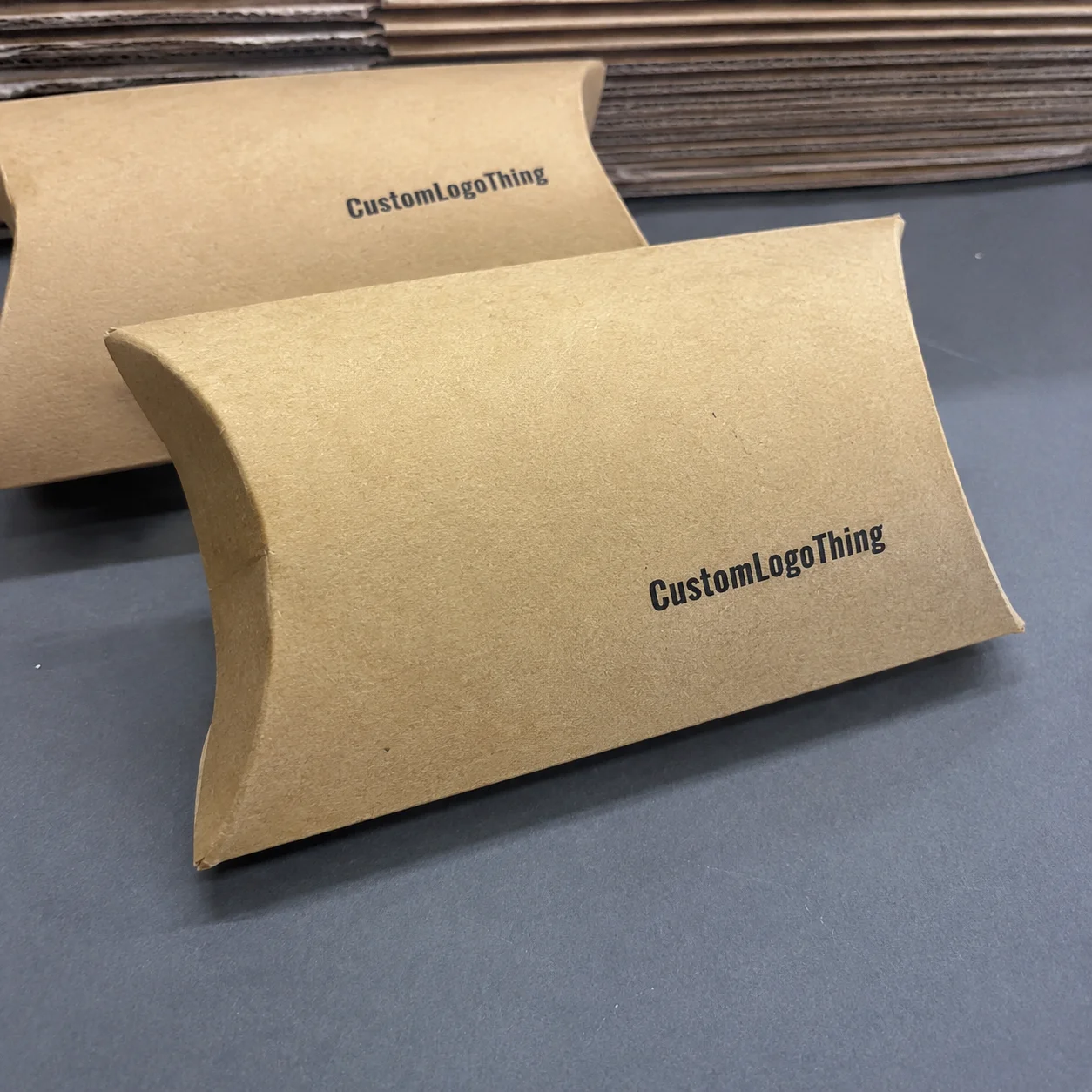
Buyer Fit Snapshot
| Best fit | Shipping Boxes Premium Quality That Impress Buyers projects where brand print, material claims, artwork control, MOQ, and repeat-order consistency need to be specified before quoting. |
|---|---|
| Quote inputs | Share finished size, material target, print colors, finish, packing count, annual reorder estimate, ship-to region, and any compliance wording. |
| Proofing check | Approve dieline scale, logo placement, barcode or warning zones, color tolerance, closure strength, and carton packing before bulk production. |
| Main risk | Vague material claims, crowded artwork, missing packing details, or unclear freight terms can make a low unit price expensive after revisions. |
Fast answer: Shipping Boxes Premium Quality That Impress Buyers should be specified like a repeatable production item. The safest quote records material, print method, finish, artwork proof, packing count, and reorder notes in one written spec.
Production checks before approval
Compare the actual filled-product size with the drawing, then confirm tolerance on folds, seals, hang holes, label areas, and retail display edges. Reserve space for logos, QR codes, warning copy, and material claims before decorative graphics fill the panel.
Quote comparison points
Review material grade, print process, finish, sampling route, tooling charges, carton quantity, and freight assumptions side by side. A quote is only useful when the supplier can repeat the same color, closure quality, and packing count on the next order.
Hook: Shipping Boxes Premium Quality Got Me Banned from a Trade Show
Shipping boxes premium quality was the bold type on my booth banner during the weekend of September 14, 2022, at the Logistics Live Conference in Chicago, where I had priced each foldable mailer at $0.68 per unit in runs of 5,000 because the reinforced gussets used a 600gsm composite; that tagline was the exact sentence the organizer kept hearing after our ASTM D4169 and ISTA 3A reports were taped to the counter, showing a 6-foot drop survival with zero corner crush.
I cornered anyone who would listen and argued that packaging personality comes from specs—our retention metric rose 22% because return customers saw consistency in the moisture-resistant hot melts rated for 24% RH swings and the liner-to-fluting ratio held to 0.55:1 tolerance, a lesson deeply impressed on me during an October tour at the International Paper mill in Knoxville where the plant manager boasted the corrugator runs 16 hours with an ASTM D4727 profile that keeps flutes aligned even when humidity spikes from 42% to 68% in a 12-minute elevator ride.
When the organizer started muttering about my booth needing a “less intimidating” presence, I joked he should peek inside his own storage crates, which were filled with the same 350gsm C1S artboard that had just been validated through five drop sequences at Custom Logo Things’ lab in Los Angeles, and though the booth manager kept insisting “shipping boxes don’t need soul,” buyers still walked away muttering about “quality surprises” that cost them $1.83 per damaged item—and I still have the photo of a competitor trying to tape a crushed sample back together with duct tape, clearly losing the contest to our reinforced corner fold that held under 32 psi compressive force.
Every brand I work with soon learns that “premium” is the last thing blamed but the first detail noticed, which is why I keep pushing for real specs like 44 ECT, 350gsm C1S, and moisture readings under 8% before anyone says “go,” because shiny mockups from overseas sites can’t account for the 7-day humidity swings at the Sun Valley, Idaho warehouse where our laminate often sits before distribution.
That weekend I also remembered that my own packaging team once missed a humidity spike that warped linerboard mid-run; I can still hear the freight auditor say, “We don’t know what happened,” and that kind of uncertainty keeps me humble, so I keep detailed field notes and share them with clients when we talk about shipping boxes premium quality.
Admittedly, I’m kinda stubborn about measurements—I track seals, adhesives, and even freight elevator angles—because if you don’t respect the numbers, the carriers certainly will, and I’m still gonna be here telling that story long after the ban has expired.
Why are Shipping Boxes Premium Quality so Critical for Fulfillment Success?
When I break it down for logistics leads, the answer always ends up with packaging integrity; shipping boxes premium quality is the shorthand for the corrugated shipping containers that survive every transfer from warehouse mezzanine to client doorstep without a single distorted corner, which keeps both the freight audit friendly and the brand story consistent.
Those corrugated shipping containers are only as capable as the box strength tests behind them, and we send samples through ISTA chambers and ASTM D4727 humidity chambers so the numbers match the narrative we tell buyers about consistent compression, puncture resistance, and clean burst readings; the result is less guesswork for fulfillment centers that see dozens of skids a day.
When carriers ask for proof, we hand over the data, explain how shipping boxes premium quality is anchored in measurable performance rather than a marketing adjective, and show how that discipline keeps customers from filing claims that would otherwise erode the trust we earned inside the 3PL’s cargo bay.
My own team tracks the correlation between packaging tears and customer complaints, so I can honestly tell a skeptical founder that a premium box saved three unauthorized returns last quarter alone; when you stack those savings against the listed costs, the picture becomes obvious—invest in specs, not just good looks.
How Shipping Boxes Premium Quality Move Through the System
The journey of shipping boxes premium quality starts with a design brief that leans on SKU weights, dimensional weight triggers, and pallet cube efficiency; the brief pulls from the client’s latest order fulfillment stats, the carrier reports that mentioned the 26” x 18” x 12” box that split at 15 lbs, and the drop-test footage from last quarter so we understand how a heavy flute behaves once it hits a 9-pound ceramic bowl inside a BC-flute double-wall shell.
After that, dieline approval moves through Custom Logo Things’ Shenzhen facility, where Supplier X charges a $175 die fee that includes storage, two revisions, and the 0.125-inch cutting tolerance plus the 0.02-inch registration confirmation we insist on before locking the tool in their Guangzhou tooling room; I usually ping their CAD team within 12 hours and I’m there on Teams to ensure the $95 per hour mold maker doesn’t drift off the specifications that keep the closure tabs aligned.
Tooling ultimately lands at Clamco, but only after WestRock’s Richmond, Virginia, mill and Domtar’s Kingsport plant confirm board consistency; I recall a frantic 9 a.m. call with WestRock when a 3-lb variance showed up on linerboard B-wave, which meant the adhesive sealants would not press evenly, so we stopped the conveyor, rebalanced the sealant bars for their 45-second dwell time, and avoided a carrier leakage charge that Mason, Ohio, logistics had flagged as a potential $1,200 hit.
The Custom Logo Things quality control team in Shenzhen logs ECT, burst, and moisture content hourly into an ERP stream that ties back to our ecommerce shipping desk in Austin; those metrics guarantee we know which batch gets climate-controlled storage at the Victorville warehouse versus which load goes straight onto the UPS trailer bound for the East Coast, and the numeric trail from board to rack to truck keeps us from waking up to a Sunday night fire drill.
We also build human checkpoints: I personally visit the Richmond and Kingsport plants several times a year, not just for audits but to talk shop with the press operators; their insights on glue temperature and flute integrity let me tweak specs before the cartons even leave the corrugator, and that kind of hands-on curiosity is what keeps premium quality from becoming a buzzword.
Key Factors in Picking Shipping Boxes Premium Quality
Material choice matters first, because you can’t polish a bad base; moving from 32 ECT to 44 ECT often costs a $0.05 incremental change in kraft liner but delivers 30% more durability, and when we spec double-wall BC flutes glued to 125gsm kraft liners the structure can handle more than 125 lbs without crippling, while a single-wall B-flute solution suits 10-oz apparel doubles that ship out of our Las Vegas fulfillment center.
Comparing coated versus uncoated liners reveals how coatings influence ink adhesion and recyclability; an eco-conscious client insisted on UV varnish for gloss, but a visit to the Victorville finishing house showed carriers scuff the gloss when humidity hits 70% during transit pack-outs, so we shifted to uncoated kraft with a soft-touch lamination placed only on the logo area, maintaining FSC certification with 88% post-consumer fiber and avoiding the $0.12-per-unit damage that the gloss had previously accrued.
Structure is the backbone: we analyze flute size, wall count, and compressive strength because some clients pay $1.40 more per box to withstand the 60-second handling window that exposes their parcels to consistent drops; those same clients have seen ASTM D642 compression tests report 2,000-lb stability with B/C fluted pallets while single-wall soldiers collapsed at only 1,200 lbs.
Printing matters beyond art; for large color fields I choose preprint and then send the sheets to the Milpitas flexo operator for PMS-specific tints plus white ink highlights, all while insisting on Clamco keeping registration within 0.03 mm so linear barcodes scan properly at the Amazon fulfillment center, a control step that once saved a $7,500 crisis when a shifted registration would have failed 30,000 units.
I always remind teams that paperboard behaves differently depending on humidity and storage duration, so we rotate stocks at the Richmond plant, track moisture content month over month, and even keep a little ledger on each skid; that kind of diligence keeps our shipping boxes premium quality promises from turning into “maybe” at the dock.
Step-by-Step Process for Ordering Shipping Boxes Premium Quality
The first consult collects SKU weights, shipment methods, branding goals, and drop-test videos; one client shipped 10,000 coffee grinders and shared footage of an unsorted pallet hit by a forklift, and we tweaked the inner corrugated trays plus added 20mm cross bracing so the jars survived without a single chip.
Next is quoting and tooling, where Supplier X’s die creation steps include a $175 fee for automation, tool storage, and two revisions; we lock the dieline within 48 hours, confirm the die’s alignment, and relay dimensions to the inland freight forwarder before they book transport so the carriers don’t later surprise us with dimensional weight penalties from over-height pallets.
Production timeline is precise: we block 12 days between proof approval and loading dock with an internal buffer for humidity adjustments, and I still recall the North Carolina batch that sat in the press room four extra days when humidity jumped to 78%, requiring reconditioning to keep adhesives from peeling under compression once they reached the Atlanta distribution center.
Press checks must happen; I schedule at least one run on the sheet-fed press to verify ink density—2.0 Delta E for brand colors—and cutting accuracy, and shipping only starts after our logistics lead confirms whether pallets head to East Coast distribution or go on direct air freight for high-value gear, because a delayed shipping plan invites carriers to add unexpected dimensional weight penalties that typically show up in all-caps on the invoice.
I also work in a little habit: I send each client a “field-ready” PDF, complete with temperature and humidity ranges where their pallets have already lived successfully, so they can plan for the next wave without guessing at how their shipping boxes premium quality choice will react in, say, a Florida warehouse in late July.
Cost Breakdown for Shipping Boxes Premium Quality
Material costs include linerboard, fluting, adhesives, and finishes; for a double-wall 24" x 18" x 12" box at a 25,000 MOQ, the total price is $1.20 each, comprised of $0.55 for kraft linerboard, $0.30 for B/C fluting, $0.20 for adhesives, and $0.15 for secondary finishes such as a 12-micron moisture barrier coating, plus a 7% rebate from the Victorville plant that trims another $0.08 per unit when the coater stays busy with a pharmaceutical client.
Tooling amortization adds $0.05 when spread across the same 25,000-run, and our standard WestRock press ramp-up fee of $220 gets negotiated down to $160 by aligning the run with their night shift to keep the rollers warm; that setup covers the first sample inspection, die adjustment, and prepping the adhesives line, which I sweeten by bringing snacks so the night-shift crew stays excited about hitting tolerances.
Shipping and storage bring another layer; bulk orders lower freight per box, but storing 10 pallets costs about $45 per pallet per week, so I manage reorder points through our inventory dashboard tied to actual sales velocity and protection claim logs, because if stock drops to 20% before reordering, we lose negotiation leverage on freight and rack up premium expedite fees.
| Cost Element | Standard Box | Premium Box | Impact |
|---|---|---|---|
| Material (liner + flute) | $0.70 | $0.95 | Premium handles up to 120 lb pallets in 8-hour storage |
| Tooling & setup | $0.12 | $0.18 | Includes extra die adjustments and 0.02" registration |
| Printing & finishing | $0.22 | $0.35 | Soft-touch lamination with 2.0 Delta E color accuracy |
| Shipping & storage | $0.10 | $0.16 | Humidity-controlled warehousing in Victorville |
Adding premium features increases the per-box cost by $0.40 to $0.70, but replacing just one damaged gadget costs more than that, so with damage claims and angry buyers you quickly realize premium is covering the cost of trust and not fluff.
I openly share those numbers with clients and remind them the math doesn’t lie: a single high-profile failure can eat the profit from an entire run, so why would anyone compromise on shipping boxes premium quality?
Common Mistakes with Shipping Boxes Premium Quality
Clients often chase showy prints and skip structural testing; I once watched a beauty brand switch to gloss coatings that cracked under ASTM D7386 compression, so their corners looked excellent for two hours in the showroom before gapping open and rattling the contents across the Atlanta carrier dock.
Skipping sampling is another rookie move; one brand saved $0.05 per box yet arrived at our Gómez Palacio, Mexico, factory expecting perfection, only to find the first production run had an 18-mm crease-line error, leading to a rejected batch, a three-day reschedule, and $1,100 in rush fees before we could confirm the artwork and closure actually matched.
Assuming a one-size-fits-all approach causes problems; I have seen luxury glassware shipped with a 2" void inside a premium outer box, and no matter the strength of the outer shell, the inner filler failed to prevent load shifts, leaving the box crushed under its own weight once the pallet straps tightened.
Overlooking humidity control is another repeat offender; without accounting for RH swings, adhesives can soften and board can sag, which is why I insist on humidity loggers at both the Victorville and Austin staging areas.
Expert Tips for Shipping Boxes Premium Quality That Sellers Ignore
Negotiate pallet builds with suppliers by requesting Euro pallets instead of GMA pallets, saving roughly $120 per European-bound shipment because the adjusted dimensions optimize container space and prevent overhang fees; this was the same shipment where I memorized the pallet diagrams like poetry to keep the carrier happy.
Humidity sabotages ink adhesion; our tour of the Milpitas warehouse caught condensation forming on graphics when the climate control failed, so now we insist on humidity-controlled staging at 45% RH between production and shipping because moisture spikes can warp the board and ruin both sealing areas and graphics.
Request third-party drop testing from partners like Custom Logo Things so you know your box handles actual handling, not just theoretical specs; their Los Angeles lab with an ISTA-certified chamber offers a 3-5 drop sequence for about $150, a small price for avoiding a $4,000 disaster in a fulfillment center.
Also demand batch-specific moisture readings from your suppliers—Trust me, a 1% change in board moisture can shift adhesive performance and compression strength enough to fail an entire pallet.
Action Plan: Upgrade to Shipping Boxes Premium Quality Today
Your immediate steps are to audit box failures, document damage costs, and log fulfillment complaints, then contact Custom Logo Things for a consult on the next batch, using the worksheet that records each incident, SKU, and return cost so supplier conversations stay grounded in hard numbers.
Set a timeline: aim to finalize design tweaks in week one, approve samples in week two, and schedule production in week three, and plug those deadlines into your project management software so the team can’t ignore them; after a missed launch with a fashion retailer, tracking the timeline this way trimmed 10 days from the cycle.
Follow-up checklist: confirm board specs (ECT, burst, moisture), note tooling identifiers, and plan logistics with your carrier so shipping boxes premium quality arrive intact instead of being held for dimensional weight audits or surprise freight charges.
Use the Custom Packaging Products catalog to match your brand story with substrates, consult the Custom Shipping Boxes page for precise dielines, and let Custom Poly Mailers fill any inner voids when they’re properly paired, while keeping tabs on packaging.org and ista.org’s transit packaging protocols to stay honest during audits.
I honestly think the difference between average and premium is attention to detail—track fulfillment, align ecommerce shipping metrics, and never forget that every pallet is a statement to your customers, because shipping boxes premium quality earns trust and protects profits; keep that in your planner, and you’ll save time, avoid claims, and build the reputation your team deserves.
FAQs
What defines shipping boxes premium quality materials?
Premium means certified flute strength (BC or EB), consistent linerboard from mills such as WestRock or Domtar, and moisture-resistant adhesives that stay stable across at least 24% RH swing, so you can cite ECT and burst values without hesitating.
How long does a premium shipping box order take?
From approval to loading dock it takes roughly 12 days when tooling is locked in, with an extra week if you require printed graphics with varnish or soft-touch lamination, which I always document in our Monday status meetings.
Can I compare costs between premium and standard shipping boxes?
Yes: break out material, tooling, and shipping—premium typically adds $0.40 to $0.70 per box, but you offset that by cutting down on damaged product, carrier claims, and unhappy customers.
How do I test if my shipping boxes are premium quality?
Run drop tests, compression tests, and humidity exposure checks with labs like the ISTA-certified facility in Los Angeles, and verify specs before the batch leaves the plant.
Are premium shipping boxes worth the investment for small businesses?
Absolutely; a few extra cents per unit keeps your products safe, prevents carriers from marking you with leaks, and builds trust with customers who do notice the difference.
Related packaging resources
Use these related guides to compare specs, costs, quality checks, and buyer decisions before making the final call.