Skincare Cuffed Knit Beanies Sample Guide for Buyers starts with a practical reality: a beanie can look premium in a render and still fail in the hand. It may pill too quickly, hold a strange shape after folding, or feel rough at the forehead where customers notice discomfort first. That is why the skincare Cuffed Knit Beanies Material Sample guide matters before production is approved.
Packaging teams, merchandisers, and brand buyers often judge knit accessories too early by color and too late by touch. A photo can hide scratchiness, seam bulk, and weak recovery. A sample exposes all of that in seconds.
A useful sample answers three questions quickly: does it feel right, does it hold shape, and does it still look sellable after handling, packing, and one wear test?
Skincare Cuffed Knit Beanies Material Sample Guide Basics
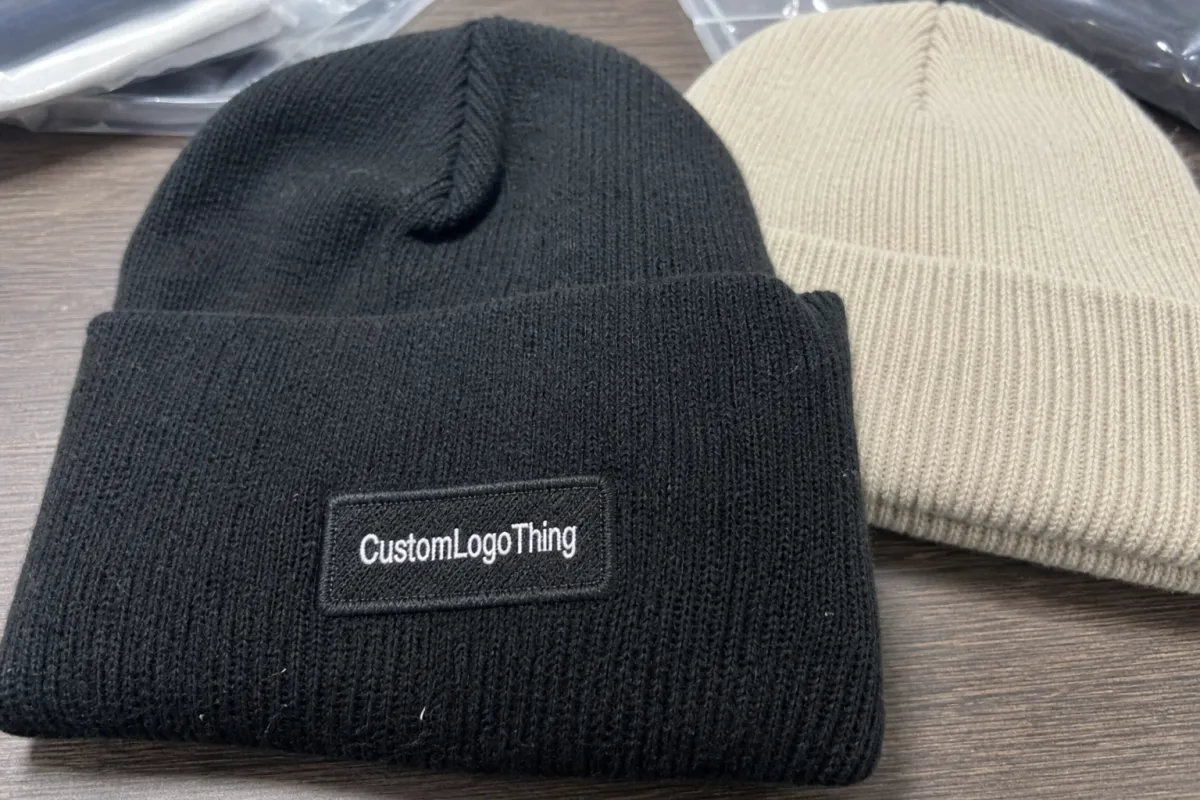
A material sample is not a display piece. Its job is to verify what the final cuffed knit beanie will be made of, how it will behave, and where the design may fail under real use. That means checking fiber blend, knit structure, cuff behavior, color consistency, trim comfort, and finish before a bulk order is locked in.
The skincare angle changes the standard. These beanies sit near the face, so buyers are not only judging warmth or style. They are also checking whether the fabric feels clean against skin, whether the cuff irritates the forehead, and whether the accessory supports the brand’s promise of comfort and care. A beanie that scratches, traps heat in the wrong way, or arrives with a dusty handfeel can weaken the product story immediately.
Sampling is a risk filter. It catches problems that never show up on a tech pack line: rework, returns, slow approvals, and the awkward gap between marketing language and factory reality. That gap is where budgets slip.
Most experienced buyers look at samples in layers. First comes the raw handfeel. Then the shape after stretching. Then the trim and finishing details. Finally, they ask whether the piece can survive packing, transport, and a simple wash without losing the qualities that made it approvable in the first place.
There is a reason knit accessories are judged quickly. They are tactile, easy to compare side by side, and difficult to defend if they feel off. A one-second touch often carries more weight than a long spec sheet, which is exactly why the sample has to be honest.
How Material Samples Translate Into Real-World Wear
Not every sample proves the same thing. A yarn swatch shows fiber character and color direction. A knit panel reveals texture, elasticity, and stitch definition. A finished beanie is the first point where fit, cuff memory, seam placement, and crown shape can be judged together. A pre-production sample goes one step further and should mirror the intended bulk setup as closely as possible.
That distinction is more important than it sounds. A swatch can feel soft between the fingers and still produce a beanie that sags after packing. A knit panel can stretch cleanly but still show embroidery distortion once it is assembled. A finished sample may look balanced on a table and then twist slightly on a head form because the crown depth and cuff height are not tuned together.
The gap between sample and bulk is normal. Small runs are often cleaner because the operator is focused and the machine is set with extra care. Bulk production can still be excellent, but only if the supplier confirms that the yarn lot, machine settings, finishing method, and embellishment process match what was sampled.
Buyers usually need the sample to answer questions like these:
- Does the beanie drape naturally, or does it stand up too stiffly?
- Does the cuff recover after stretching, or does it stay loose at the edge?
- Do seams, labels, or embroidery rub near the temple or ear?
- Does the knit pattern distort when a logo is added?
- Does folding in a carton leave a crease that will not relax?
If the beanie is part of a skincare promotion, the customer often sees it as an extension of the brand’s texture language. Soft creams, clean packaging, calm messaging, and a scratchy hat do not belong in the same program. The sample is where that mismatch becomes visible.
Key Fabric and Construction Factors to Compare
Fabric choice is the first major lever. Acrylic usually gives lower cost, predictable color, and dependable shape retention. Cotton can feel cleaner and more breathable on skin, but it often relaxes faster and may not recover as well after wear. Wool offers warmth and natural loft, though itch risk is real unless the yarn is fine and well finished. Recycled blends are increasingly common for teams that want a lower-impact message without giving up too much structure or affordability.
Blends often solve more problems than single-fiber builds. A 50/50 acrylic-wool mix can soften the touch while keeping better memory than pure cotton. A recycled polyester-acrylic blend may feel more stable from lot to lot. None of those options is automatically better. The right choice depends on the intended wear, the target price, and how much structure the cuff needs to keep its profile.
Construction variables can change the result just as much as the fiber label. Gauge matters. Yarn thickness matters. Rib density matters. Cuff depth matters. A tighter 1x1 rib generally holds shape better than a looser knit, while a heavier yarn can feel warmer but also bulkier against the forehead. A slightly finer gauge may improve smoothness, but it can also reduce loft and warmth if pushed too far.
Experienced buyers also look at finishing details that are easy to miss on a first pass:
- Seam finish: Flat seams and low-bulk joins reduce irritation near the skin.
- Label placement: A woven label at the cuff edge can be felt immediately.
- Embroidery backing: Too much backing creates a scratchy area inside the hat.
- Patch stiffness: Some front patches add structure that changes the silhouette.
- Dye consistency: Small shade shifts can make a bundled assortment look mismatched.
- Pilling resistance: A sample should stay smooth after wear and abrasion checks.
A small wash test tells you more than a polished sales sheet. If the sample sheds fibers, loses shape, or feels rough after one gentle cycle, that is a useful warning. It is better to learn that before ordering 3,000 units with custom labels sewn in. Knit accessories often look fine on day one and then reveal their weaknesses after compression, friction, and washing.
Packaging matters too, especially for skincare kits and premium bundles. Sample presentation should be part of the review. Corrugated cardboard outer cartons protect the shape better than flimsy mailers. Kraft paper wrap keeps the presentation clean without adding visual clutter. If the brand claims lower-impact packaging, FSC certified board or other recycled materials should be discussed early, not as a last-minute substitution. For transport checks, suppliers who reference ISTA methods are usually taking compression and drop resistance more seriously than those who never mention them.
Process and Lead Time: From Request to Approved Sample
A clean sampling process starts with a brief, not a guess. Define the use case first: retail accessory, promotional gift, or premium bundle item. Then request material options, sample types, and timing before the first version is made. The tighter the brief, the fewer loops you will need later.
The standard path usually runs through five stages: brief, swatches, prototype, revision, and pre-production approval. Each stage exists because one change can affect several other parts of the beanie. A yarn swap can alter knit density. A cuff height change can shift the fit. A label move can affect comfort and balance. That ripple effect is why approval often takes longer than teams expect.
Lead time depends on what the supplier has to source or rework. Stock-material samples may arrive in one to two weeks. Custom yarn development, shade matching, or specialty embroidery setups can add several business days. If the first round misses the target and a remake is required, the timeline resets. That is common, not unusual.
Buyers should also account for transit and internal review time. A sample can leave the factory quickly and still sit in a warehouse, a mailroom, or a manager’s inbox for days. That delay is how decisions stall. One decision-maker helps. So does a clear deadline for comments.
For projects that care about presentation, sample packaging should be planned alongside the product. A clean beanie packed in kraft paper and corrugated cardboard can speed review because the first impression is orderly. If biodegradable packaging is part of the brief, say so early. Asking for it after the first sample is already finished usually creates avoidable back-and-forth.
Clarity also reduces confusion around production readiness. A supplier may be able to turn a prototype quickly, but that does not mean the sample is tied to the actual bulk line. Confirm whether the same yarn, stitch settings, and trim method will carry into production. If not, the sample is only partially useful.
Cost, MOQ, and Unit Price Drivers to Watch
Sample cost is never random. It usually comes from labor, yarn, knitting setup, embroidery or label setup, packaging, freight, and any remake charge if the first version needs correction. The more custom the build, the more places cost can rise. That is normal. What causes trouble is not the fee itself but not understanding why the fee changed.
MOQ affects unit price directly. Small quantities carry more setup cost per piece, so the price per beanie rises. Larger orders spread setup across more units and usually lower the per-unit rate. Many buyers focus on the sample line item, yet that is usually the smallest part of the total cost picture.
A useful way to compare sample options is to ask what each version proves. A yarn swatch shows softness, color direction, and basic fiber behavior. A knit panel shows gauge, stretch, and surface texture. A finished sample tests fit, trim comfort, and silhouette. A pre-production sample should be the closest match to what will be shipped in bulk.
| Sample type | What it proves | Typical cost per piece | Best use |
|---|---|---|---|
| Yarn swatch | Fiber feel, color direction, basic softness | $15-$35 | Early material screening |
| Knit panel | Gauge, stretch, rib behavior, surface texture | $25-$60 | Comparing construction options |
| Finished sample | Fit, cuff comfort, label placement, trim behavior | $40-$120 | Design approval and wear testing |
| Pre-production sample | Closest match to bulk output | $60-$180 | Final signoff before production |
Actual production pricing varies widely, but a practical range helps with planning. A basic cuffed knit beanie in a stock acrylic blend can land around $2.10-$3.40 per unit at larger volumes. A more polished version with custom labels, embroidery, and better yarn may move closer to $4.20-$6.50 per unit, depending on quantity, artwork complexity, and finish quality. Those numbers shift with MOQ, trim load, and whether the yarn is readily available.
Several hidden triggers can push cost higher. Multiple colorways add setup time. Rush production adds fees. Duplicate samples double freight. Testing requirements can add expense, especially if the buyer wants extra abrasion or colorfastness checks. If the sample needs correction twice, the second and third rounds often cost more than expected because labor and transport are repeated.
Total landed cost matters more than any single price. A lower quote that creates two extra revisions and a late launch is not low-cost. It is just inexpensive on paper. Buyers who compare the full path from sample to shipment usually make better decisions than those who only compare the first quote.
Step-by-Step Guide to Reviewing a Sample Correctly
Start with the end use. A beanie made for a premium skincare bundle should not be judged like a bargain giveaway. Decide whether the main priority is softness, warmth, retail polish, or price control, then score the sample against that target rather than against a vague sense of “nice.”
A simple scorecard helps keep feedback concrete:
- Handfeel: Does the knit feel soft, smooth, and non-itchy against skin?
- Stretch recovery: Does it return to shape after being pulled?
- Shape retention: Does the cuff stay neat after folding and unpacking?
- Color accuracy: Does it match the intended shade in natural light?
- Trim comfort: Do labels, patches, and embroidery stay low profile?
- Wash performance: Does it keep its feel after a gentle clean?
Then test it in real conditions. Look at the sample under daylight and indoor light. Stretch the cuff. Fold the beanie in half, then unfold it and check whether the crease relaxes. Wear it for ten minutes. If possible, wash it once using the care method customers are most likely to follow. That one cycle can expose pilling, shrinkage, and seam issues much faster than a photo review ever will.
Inspect the packaging too. If the beanie is arriving as part of a branded kit, check whether the packaging affects the fabric. Tight packing can leave memory marks. Rough board can snag yarn. A clean insert made from kraft paper or FSC certified board can protect the product without adding visual clutter. If sustainability is part of the brief, this is the point where recycled materials and biodegradable packaging move from marketing language to buying criteria.
If the sample only looks right from three feet away, it is not ready for approval.
Compare finalists side by side before signing off. Do not approve the first piece that feels “close enough.” Put the two strongest samples next to each other and confirm the final details in writing: yarn blend, cuff height, label placement, and finish. That extra minute often prevents the most expensive misunderstanding in the order.
Common Sample Mistakes That Slow Approval
Approving from photos alone is the fastest way to get surprised later. Screens flatten texture, hide thickness, and soften defects that become obvious in hand. A beanie can look rich online and still feel coarse, overstuffed, or oddly rigid when it lands on a desk.
Another common mistake is ignoring recovery and durability. A cuff that stretches out after one wear may still pass a casual visual check, but it will not survive a buyer review. Likewise, a knit that pills quickly makes the whole order feel cheaper than the material sheet suggested, even if the base price was acceptable.
Vague feedback creates endless revisions. Comments like “make it softer” or “improve quality” sound useful, but they do not give the supplier a measurable change. Better feedback is specific: reduce label bulk, soften the yarn blend, narrow the cuff by 1 cm, or switch to a finer gauge. Clear notes shorten the sample loop more effectively than any rush fee.
Skipping wash and wear tests is another expensive habit. A sample can look excellent on day one and still change shape, shed fibers, or feel rough after ordinary use. That is the kind of problem that shows up after the customer has already opened the package. At that point, it is no longer a sample issue. It is an order issue.
One more trap is assuming the sample is identical to bulk without checking. If the supplier used a different yarn lot, tighter supervision, or hand-finished details on the prototype, the production run may not match perfectly. The right question is not whether the sample is beautiful. The right question is whether it is representative of the line that will be run in quantity.
Expert Tips and Next Steps for Faster Approval
If consistency matters, ask for duplicate samples from more than one dye lot or batch. That sounds cautious because it is. Variations in shade or texture are easier to catch when you can compare two near-identical pieces instead of trusting a single sample that may have benefited from unusually careful handling.
Keep a one-page spec sheet in circulation. It should include the target fiber blend, cuff height, fit profile, trim placement, acceptable tolerances, and the intended price band. When everyone is looking at the same page, approval moves faster because fewer opinions need translation into production language.
Ask for quote, timeline, and sample options together. That makes trade-offs visible early. One version may be softer. Another may hold shape better. A third may sit inside budget. Seeing those options side by side is more useful than chasing revisions one after another over several weeks.
For brands that care about sample packaging, do not separate the product from the presentation. Confirm whether the sample will ship in corrugated cardboard, wrapped in kraft paper, and, if relevant, built from FSC certified or recycled materials. Those details matter when the beanie is part of a clean beauty or skincare story where every surface communicates intent.
One practical habit saves time across almost every project: write the approval criteria before the sample arrives. If the team knows the acceptable range for softness, stitch density, cuff recovery, and label bulk, the conversation becomes less subjective and less likely to drift into taste alone. The skincare cuffed knit Beanies Material Sample guide is most useful when it turns a messy opinion into a repeatable decision.
The short version is straightforward. Verify feel, fit, cost, and lead time before production is approved. If those four align, the order usually has a solid foundation. If one of them is off, fix it while the project is still in sampling rather than after cartons are already committed.
What should I check first in a skincare cuffed knit beanies material sample?
Start with handfeel, stretch recovery, and whether the knit feels comfortable against skin. Then check cuff hold, seam smoothness, and color consistency in natural light. If those basics pass, move on to wash performance and label comfort before approval.
How do I compare acrylic, cotton, and blended samples for cuffed beanies?
Acrylic usually gives lower cost and better shape retention, while cotton tends to feel more breathable but can relax sooner. Blends often balance softness, warmth, and price, so compare them under the same wear and wash conditions rather than judging by material name alone.
Why does my cuffed knit beanie sample look different from the bulk order?
Small samples are often made with tighter control, so bulk output can shift in texture or finish. Yarn dye lots, machine settings, and labor conditions can also change the result. Ask the supplier how closely the sample matches production materials and process.
What affects the lead time for skincare cuffed knit beanies samples?
Custom yarn sourcing, embroidery setup, label development, and revision rounds are the biggest schedule drivers. Simple stock-material samples move faster than custom blends or specialty finishes, and shipping plus internal review time should always be built into the plan.
How many revisions are normal before I approve a sample?
One to two revisions is common when the brief is clear and the supplier understands the build. More rounds usually mean the spec sheet is too vague or the sample is being judged on preference instead of measurable details. A good scorecard can cut that back quickly, and the skincare Cuffed Knit Beanies material sample guide is most useful when it turns feedback into specific, repeatable decisions.