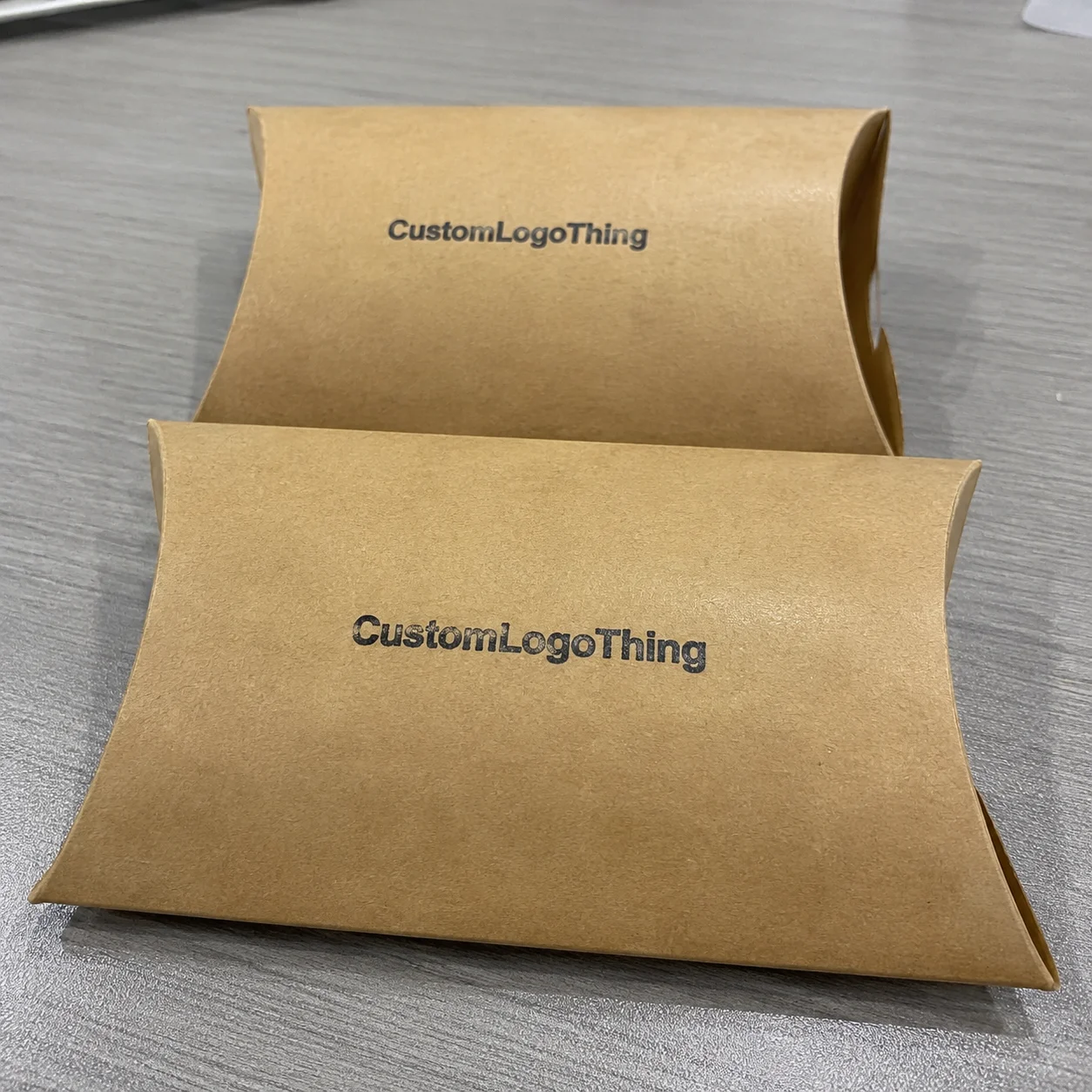
Slider Lock Bags for breweries bulk pricing is a practical buying problem, not a branding exercise. Breweries use these bags because the closure has to open quickly on a busy counter, reseal cleanly after repeated use, and still keep unit cost under control for taproom retail, sample packs, accessories, and dry-goods storage.
From a packaging buyer’s point of view, the right bag is the one that fits the actual job with the fewest surprises. A slider closure saves handling time, looks cleaner on a shelf, and holds up better than a basic zipper when staff are wearing gloves or moving fast between prep, packing, and the retail floor. Those small differences matter more than they sound. Over a month, a few seconds saved on each pack becomes a real labor line item.
Why breweries are switching to slider lock bags for daily packaging
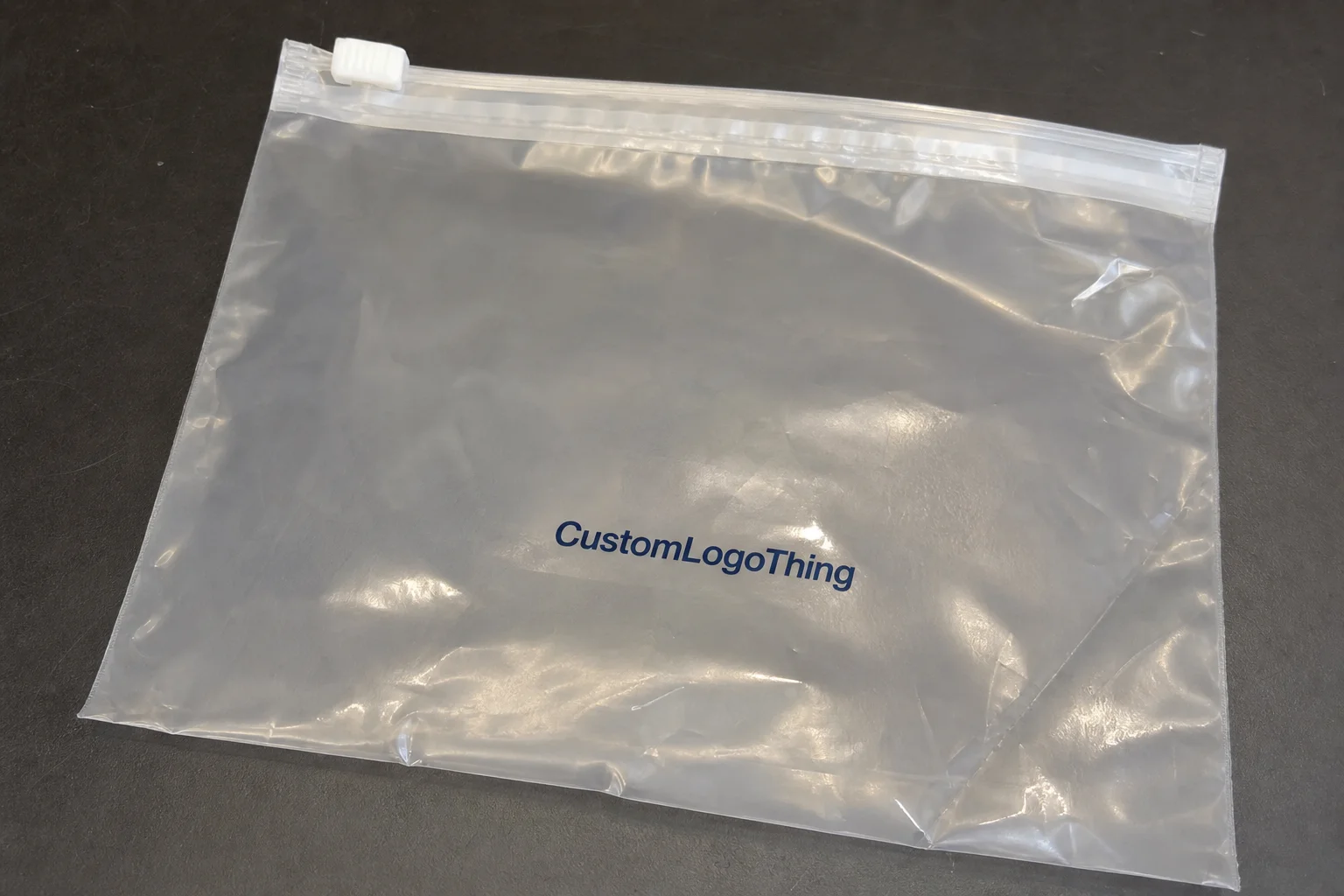
There is a simple reason these bags keep showing up in brewery programs: they work in the kind of stop-and-start workflow that taprooms and back rooms actually run. A staff member can open a slider bag with one hand, reseal it without fighting the track, and keep moving. That sounds modest until you multiply it across hundreds of fills, resets, and rechecks in a week.
Buyers usually ask for Slider Lock Bags for breweries bulk pricing when they are packaging more than one type of item. The same bag style can hold branded stickers, coasters, merch add-ons, dry hops for internal prep, sample pour cards, candy, snacks, or small accessories sold at the register. If the bag is clear or lightly frosted, the contents stay visible, which helps retail presentation. If it is printed, the package feels deliberate instead of improvised.
A bag that opens cleanly with one hand and closes the first time gets used. If it binds or pops back open, staff start working around it, and that is where waste and frustration show up.
The closure matters as much as the film. A standard zipper can be fine for low-touch storage, but slider tracks give the user a more obvious tactile cue. In practice, that means fewer half-closed bags, fewer damaged seams from repeated forcing, and less time spent fixing packaging at the line. For breweries, consistency is the real advantage. If the package will be opened and closed again and again, the closure style affects labor time, customer experience, and how professional the item looks on the shelf next to core merchandise.
There is also a less obvious point: brewery packaging often lives in two worlds at once. It has to function in a working back room, then survive the visual test in a retail fridge, basket, or checkout display. Slider Lock Bags sit in that middle ground better than many alternatives because they are practical without looking utilitarian. That matters if the same SKU is used for retail and internal organization. One spec can serve both, which is rare enough to be useful.
Material and closure details that protect freshness and presentation
Most brewery buyers do not need a dozen material choices. They need the right one. Clear polyethylene is common for straightforward visibility, while frosted film creates a softer, more premium look without hiding the contents completely. Thicker films add stiffness and better puncture resistance, which matters if the bag will carry sharper corners, small tools, or rigid merch items.
Look closely at the closure profile. A well-made slider track should move smoothly, seat evenly, and resist snagging near the ends of the seal. If the bag will be opened and closed many times, a stronger track and a clean top seal are worth more than a cosmetic upgrade. For bags that sit in cartons or display bins, flatness also matters because a bag that wrinkles badly can look cheap even if the contents are good.
Some buyers ask for printed bags, while others use a clear bag with a branded label or insert. Both are valid. Printed film gives a more finished result and helps with repeat brand recognition. Labels, on the other hand, keep the program flexible and lower the entry cost when artwork may change later. If the bag needs only light identification, a label on a clear slider bag can be the smarter move.
For spec work, ask about gauge in mils, seal width, and any test data tied to ASTM methods for film performance or seal strength where available. That kind of detail is more useful than broad claims. If the supplier cannot explain the material structure in plain language, the quote will probably hide a few assumptions. It is also worth confirming whether the material is suitable for the intended contents. A bag used for merch has different compliance needs than one used for food-adjacent products, and that distinction should be spelled out before the order is approved.
Another useful distinction is haze versus clarity. A slightly frosted film can look premium under harsh taproom lighting because it softens reflections and fingerprints. Extremely clear film, by contrast, shows every crease, dust mark, and scuff. The “best” look depends on the item inside. A sticker pack can sit inside a more transparent bag without losing appeal. A higher-end branded accessory often benefits from a softer finish that reduces visual noise.
For buyers building a broader program, it can help to review the packaging mix through Wholesale Programs so the bag spec fits the rest of the order flow. That is especially useful when the brewery wants a consistent look across retail, shipping, and internal packing materials.
Sizing, gauge, and print options that fit brewery SKUs
Size should start with the packed item, not the catalog dimension. Measure the item, then add working room for loading, closing, and shelf presentation. A bag that is technically the right width but too tight at the opening slows the line down. A bag that is too large wastes film and makes the product look undersized inside the package.
Gauge choice follows the product, not the marketing pitch. Lighter-duty bags work well for stickers, cards, sample packets, and soft merch. Heavier constructions make more sense for denser contents, sharper edges, or programs where the bag gets handled frequently. If the item will be stacked in cartons, a slightly stiffer film can help prevent the stack from collapsing into a wrinkled block.
Print decisions affect both cost and speed. One-color logo placement is usually the cleanest starting point. Full-coverage print costs more, and it often adds setup charges or tooling fees tied to plates, screens, or print preparation. If the run is still being tested, a clear bag with a label may be the better first move. That keeps the line moving while preserving flexibility for future artwork changes.
Practical spec checks matter more than a pretty mockup. Ask for zipper location, seal width, bottom expansion if the bag has a gusset, and carton pack count. If the warehouse receives bags in a format that is awkward to count or store, the packaging choice creates work outside the packaging department. That is a real cost, even if it never appears on the first invoice.
There is a supply-chain angle too. A brewer that reorders the same bag every season has a much easier life than one that changes dimensions for every promotion. Consistent dimensions let purchasing compare quotes accurately, reduce errors at receiving, and make the packaging easier to store. In other words, the boring spec is often the profitable one.
- Use case fit: retail merch, sample storage, prep items, or internal organization
- Visibility: clear for display, frosted for a softer premium look, printed for stronger brand recall
- Handling: lighter gauge for inserts, heavier gauge for repeated open-close use
- Order flow: carton count and pack format should match warehouse handling
Slider lock bags for breweries: pricing, MOQ, and bulk order math
Slider lock Bags for Breweries bulk pricing usually comes down to a few hard drivers: size, film thickness, print complexity, order quantity, and how much setup the supplier has to do before production starts. Unit price drops as volume rises, but not every price break is meaningful. A buyer needs to look at the breakpoint that changes the final cost per piece, not just the biggest number on the quote sheet.
MOQ matters because breweries often test new retail items in small waves. A seasonal sticker kit, a limited merch drop, or a new dry-goods program may not justify a very large run. In those cases, the best move is to compare the minimum order quantity against the savings at the next pricing tier. Sometimes an extra 2,000 or 5,000 bags lowers the unit cost enough to justify the larger buy. Sometimes it does not.
| Option | Typical MOQ | Typical cost per piece | Common setup charges | Best fit |
|---|---|---|---|---|
| Plain stock clear slider bag | 1,000 to 3,000 | $0.08 to $0.18 | Usually none, or a small handling fee | Internal storage, sample packs, simple retail use |
| Custom printed clear slider bag | 5,000 to 10,000 | $0.18 to $0.40 | $75 to $250 for setup, plates, or print prep | Taproom retail, branded merch, repeat promotions |
| Heavier-gauge or specialty finish bag | 3,000 to 8,000 | $0.15 to $0.35 | Can include tooling fees on custom builds | Sharper contents, better shelf structure, heavier handling |
Those numbers are directional, not universal. Freight, carton count, and extra packing instructions can move the landed price more than people expect. A quote that only shows the base unit price leaves out the real economics. If the supplier can hold the same spec across repeat orders, then a higher initial MOQ may reduce the long-term cost per piece. If the design is still changing, a smaller run protects cash flow and inventory space.
One more point: bulk pricing makes the most sense when the same bag spec will be reordered across multiple taproom locations or recurring promotions. If that is the plan, ask for breakpoints at several quantities side by side. A quote at 5,000, 10,000, and 25,000 units often tells a better story than a single number. For breweries buying on a schedule, that comparison is where the real decision gets made. It also exposes weak quotes that look cheap until freight, packing, or setup is added back in.
Lead time is part of the price, even when it is not listed that way. A low unit cost is less useful if it ties up cash in inventory for months or forces a rush freight charge later. For many brewery programs, the best value sits in the middle: enough volume to hit a sensible tier, but not so much that the bags become dead stock by the next seasonal refresh.
Production steps and turnaround from proof to shipment
A clean production run starts with a tight spec. The usual sequence is simple: spec review, quote, artwork check, proof approval, production, inspection, packing, and shipment. The trouble starts when one of those steps is vague. If the dimensions are estimated, the artwork is low resolution, or the copy changes after proofing begins, the schedule moves.
Final specs matter more than people think. A buyer who sends the packed-item dimensions, expected fill weight, print requirement, and target quantity usually gets a faster, cleaner quote. A buyer who sends only a rough size and a logo file often gets follow-up questions before the supplier can price the job accurately. That delay is not paperwork for its own sake. It is how the seller avoids quoting the wrong construction.
Turnaround depends on whether the order is stock or custom. Stock inventory can move quickly if the size is available, while printed or custom-built bags often need more time for setup and proof approval. In many cases, the biggest schedule risk is not production itself but late revisions after the proof has been approved. If the brewery has one decision-maker and one final artwork file, the process usually stays much tighter.
Typical timelines are easy to underestimate. Stock bags can sometimes ship in a few business days, but the actual arrival depends on the warehouse location and the freight method. Custom printed bags often run several weeks from proof approval to ship date. If a supplier promises a fast turnaround, ask whether that clock starts at order placement or after final artwork approval. Those are not the same thing, and the difference can be a week or more.
Sampling is worth doing when the bag will live on a shelf or be opened repeatedly. A physical sample shows the feel of the film, the closure action, and the way the bag sits once filled. That is hard to judge from a rendering. If the shipment will be tested for transit abuse, ask for packaging that respects the basics of ISTA handling guidance. If any outer cartons, inserts, or supporting materials need fiber-based content, FSC certification can help with procurement requirements.
Freight time should always be separated from production time in the estimate. A six-day run and a six-day transit window are not the same thing, and buyers get into trouble when those numbers are blended together. A good supplier will state both. If they do not, the quote should be treated as incomplete.
Inspection is not a formality. A useful receiving check looks for track alignment, seal consistency, printed registration, haze or scuffing, and carton count accuracy. If the bag is going into retail, it should also be checked under the lighting where it will actually be sold. Packaging that looks acceptable in a warehouse can read differently under warm bar light or bright display LEDs.
What to check before choosing a brewery packaging supplier
Consistency is the first test. The supplier should be able to hold the same dimensions, closure function, and print quality across repeat orders. If the bag changes from one run to the next, the brewery ends up rechecking fit and look every time it reorders, which burns time and can create waste in the warehouse.
Clear communication is the second test. A quote should spell out what is included and what is not. That means custom print, sample costs, carton packing, freight assumptions, and whether any setup charges are one-time or recurring. If tooling fees apply, the supplier should say so upfront and explain what triggers them. Vague pricing usually causes bigger problems later than a slightly higher honest quote.
Buyer-facing language matters too. A strong supplier can translate the brewery’s use case into a usable spec sheet. They should ask how the bag will be filled, how often it will be reopened, whether it sits on a shelf, and whether it needs to survive shipping. That kind of questioning is a good sign. It means the vendor is pricing the job, not just selling a similar-looking bag.
For recurring programs, reorder convenience is part of the value. A bag that is easy to match months later keeps the program stable. That is one reason many buyers fold packaging sourcing into a broader bulk ordering support program instead of treating every order as a one-off purchase. When the spec is stored cleanly, future runs are faster and less error-prone.
If the order is likely to scale, ask the supplier how they handle tolerance, carton counts, and repeat artwork files. Those details sound minor until the third reorder, when the brewery wants the same result without another round of guesswork. The best suppliers make repeat ordering boring. That is a compliment.
It also helps to ask what happens if the first run is slightly off-spec. A supplier that has a defined rework or replacement process tends to manage production more carefully before shipping. One that cannot explain its inspection step usually has not thought through the failure modes. In packaging, that gap tends to show up later, and it is more expensive later.
Next steps to request a brewery quote and lock the right spec
Start with the basics: bag dimensions, estimated fill weight, quantity, print needs, and whether the order is stock or custom. Add one sentence on how the bag will be used. That single line tells the supplier whether the priority is shelf presentation, repeated reopening, internal storage, or a mix of all three.
If the bag will sit in retail display, ask for a sample or proof before mass production. If the bag will be opened and closed often, confirm that the closure action is smooth and the seal width is appropriate for repeated use. Those checks cost very little compared with replacing a run that looked fine on paper and failed in practice.
Compare the final quote against the same spec from each supplier. Otherwise, the lowest headline number can hide a weaker film, smaller carton pack, higher freight, or extra setup charges. A real comparison looks at the whole order: unit cost, MOQ, lead time, packing format, and the total landed cost. The cheapest bag on paper is not always the cheapest bag in the receiving dock.
If the brewery expects repeat orders, say that early. Reorder-friendly programs can often be structured around a better pricing breakpoint, especially when the same size and print layout will be used across multiple promotions. That is where Slider Lock Bags for breweries bulk pricing pays off most clearly: not as a one-time discount, but as a repeatable spec that stays stable from order to order.
At a practical level, the goal is simple. Get one bag spec that fits the item, survives handling, and can be purchased again without rewriting the whole project. That is the difference between packaging that becomes part of the operation and packaging that creates new work every quarter.
Frequently Asked Questions
What sizes are most common for slider lock bags for breweries?
Most buyers start with the packed item, then add working room for loading, closing, and shelf presentation. The right size depends on whether the bag holds retail items, samples, inserts, or storage materials. A spec sheet with dimensions and a sample fill example gives a better quote than a rough size estimate.
How does bulk pricing usually change the unit cost?
Unit cost usually drops as quantity increases because setup and handling are spread across more bags. The biggest savings often appear at the next quantity breakpoint, not always at the largest run. It is worth comparing a few volumes side by side before deciding on a final order size.
Can I order custom-printed slider lock bags for brewery branding?
Yes, custom print is standard when the goal is a more finished retail presentation or internal brand consistency. Print complexity, color count, and coverage area affect both cost and production time. If you want lower entry cost, a clear bag with applied labels can be a practical alternative.
What affects turnaround time on a brewery bag order?
Final specs, artwork readiness, and proof approval are the biggest schedule drivers. Late changes after proofing starts usually extend the timeline more than the production run itself. Freight time should be separated from production time so the delivery estimate stays realistic.
What information should I send to get an accurate quote?
Send dimensions, quantity, material preference, print needs, and how the bag will be used. If you already have a sample or photo of the target package, include that so the supplier can match the application. The more specific the brief, the faster the quote will reflect the real cost and lead time.
What should a buyer inspect on arrival?
Check closure action, seal consistency, print quality, haze or scuffing, carton count, and whether the bag still fits the item the way the proof suggested. If the bags are going into retail, look at them under the same lighting used on the floor. That catches small appearance issues before they become a shelf problem.