For streetwear labels, packaging is part of the product experience, not an afterthought. A well-made slider bag can make a folded tee or hoodie look sharper at the warehouse, at retail, and when it reaches the customer.
The slider Lock Bags for Streetwear Labels cost breakdown is not just a unit price. It includes film choice, thickness, hardware, print setup, minimum order quantity, freight, and the cost of poor fit or slow packing. If the bag looks premium but slows fulfillment or arrives flimsy, the savings disappear fast.
Streetwear buyers usually judge these bags on four things at once: presentation, protection, pack speed, and repeatability. That is why one format can be ideal for a premium drop and wrong for a basic restock. The job is to match the spec to the product and then price the landed cost honestly.
Why Slider Locks Lift Streetwear Packaging Value Fast
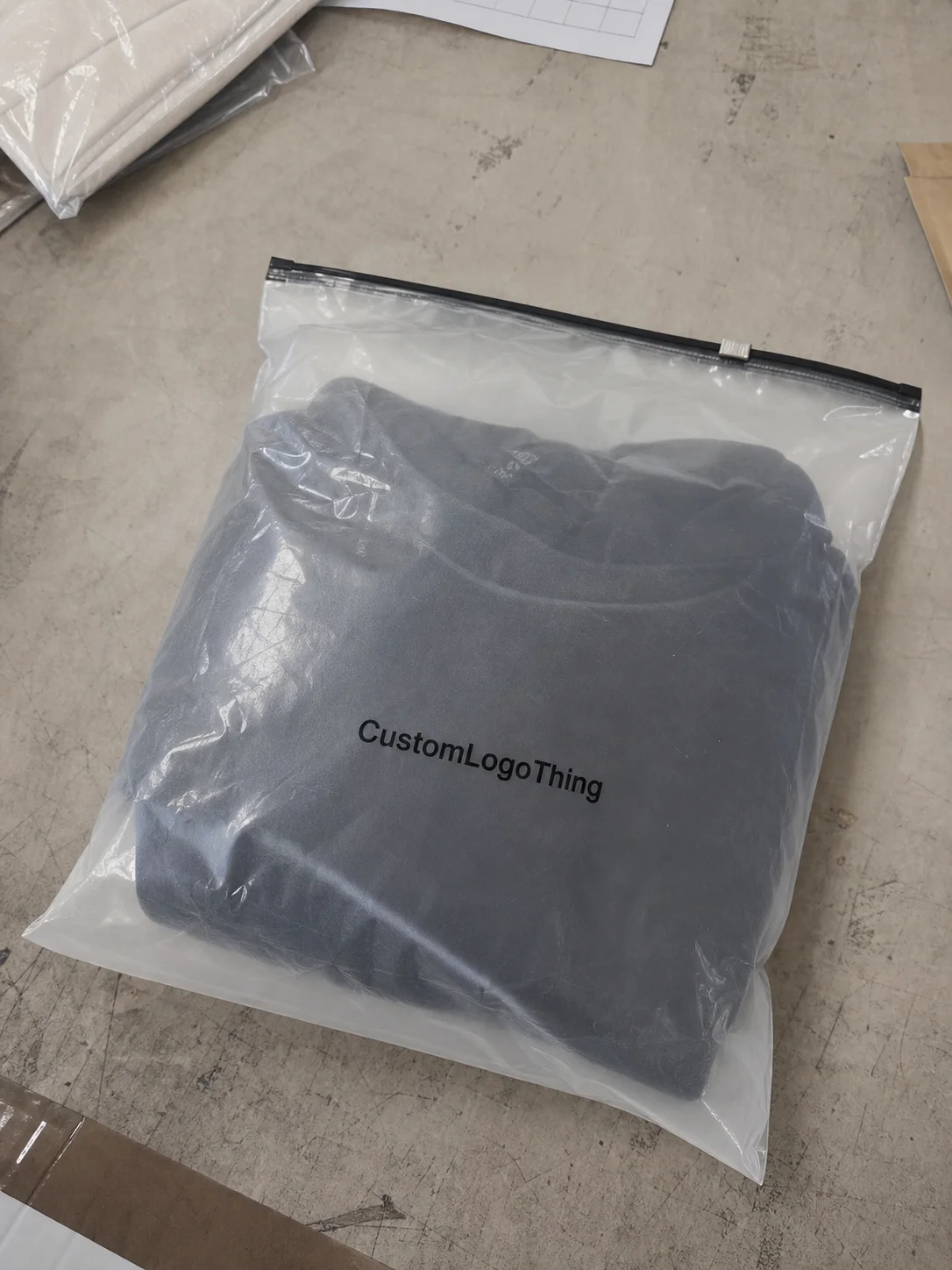
A slider lock bag keeps a garment visible, protected, and reclosable without forcing the customer to tear it open. That matters in streetwear, where visual control is part of the brand signal. A folded item in a clear, structured bag looks deliberate; the same item in a loose mailer looks cheaper even if the garment is identical.
The reclosable format also helps in the warehouse. It is easier for packers to handle multiple sizes and SKUs when the bag opens and closes cleanly. If the closure sticks or feels weak, labor slows down and the premium impression weakens with it.
Packaging also affects damage and complaint rates in a practical way. Correctly sized bags help reduce crushed folds, scuffs, and transit mess. The bag does not replace proper shipping protection, but it does remove avoidable problems before they reach the customer.
For brands trying to control waste, this format is often more efficient than rigid retail packaging while still looking polished. It can support both premium drops and recurring basics without becoming overbuilt.
“The real test is not whether the bag looks premium in a mockup. It is whether the build still works after packing, freight, and reorder realities are included.”
That is the useful standard. If the bag improves the product experience enough to justify its cost, it has a place in the program. If not, it is decoration with a freight bill attached.
Material, Thickness, and Slider Hardware That Change the Build
Material is the first major cost driver. Most Slider Lock Bags use PE film in clear, frosted, or lightly tinted finishes. Clear film is usually the baseline because it gives the best visibility and often stays near the lowest price. Frosted film softens the look. Tinted film adds more brand drama but can reduce visibility and push up cost.
Recycled-content film is increasingly common, especially for brands that want packaging aligned with sustainability claims. It can work well, but it is not a free upgrade. Depending on the resin mix, it may affect clarity, stiffness, and batch consistency, which means more sample checking.
Thickness matters as much as material type. A light tee can usually use thinner film. A heavyweight hoodie, a multi-pack, or a product with sharp trims needs more structure. Too thin and the bag wrinkles or collapses. Too thick and you pay for unnecessary material, then again in slower packing.
The slider hardware also changes the quote. A smooth track improves customer experience and helps the line move faster, but better hardware can add more than a simple print change. Low-quality sliders create hidden cost through jams, misfeeds, and complaints about a bag that should have been easy to use.
Size is not neutral either. Oversized bags waste film and freight space, while undersized bags distort the garment and slow insertion. A bag with a little breathing room usually looks more expensive than a larger bag with dead space.
Common finish choices break down like this:
- Clear: best visibility and usually the lowest cost.
- Frosted: softer visual finish, usually a modest premium.
- Tinted or smoked: stronger shelf presence, often more expensive and less transparent.
- Custom-printed surface: strongest branding effect, but higher setup and inspection cost.
When the bag system is part of a larger packaging program, keep the visual language aligned with labels and tags. Coordinating the packaging with your Custom Labels & Tags often costs less than trying to fix inconsistency later.
Print Size, Branding, and Fit Details That Protect Margin
Print is where the quote can move quickly. A small one-color logo may add only a modest amount to the base bag. Full-front coverage, multiple colors, or reverse-side printing can raise the price sharply because the factory has more setup, more material handling, and more inspection work. On smaller runs, those fixed costs are spread across fewer units.
Streetwear brands often over-design the bag. That is understandable, but the strongest bags in this category are rarely the busiest. A clean mark, sharp registration, and disciplined spacing usually read as more premium than heavy coverage with weak alignment. The bag should frame the product, not compete with it.
Fit details affect both cost and labor. Gusset depth, opening width, and zipper-track placement all change how quickly a packer can load a garment. If the fit is awkward, labor cost rises even when the unit price looks acceptable. That is why dimensional approval matters.
For brands building across several SKUs, reuse is valuable. A single bag family that can cover tees, hoodies, socks, and accessories with modest size changes makes reordering easier and reduces version drift. It also simplifies artwork updates.
When reviewing quotes, separate the costs into three layers:
- Base bag: size, film type, and thickness.
- Decoration: print method, color count, and coverage.
- Operational fit: packing speed, closure reliability, and shipment behavior.
That split makes the decision clearer. A quote that looks cheap on paper may become expensive once labor and freight are included. A quote that looks higher may perform better because it saves time and reduces rework.
Slider Lock Bags for Streetwear Labels Cost Breakdown and MOQ
The slider lock Bags for Streetwear Labels Cost breakdown usually comes down to five variables: size, thickness, print complexity, closure style, and freight. MOQ matters too. Small runs are expensive per unit because setup charges, proofs, and tooling get spread across fewer bags. Larger runs usually lower the per-piece cost once the spec is stable.
Pricing also changes depending on whether you are ordering samples, pilot production, or a repeat run. A sample is for approval, not for price discovery. Pilot production often still carries a higher per-unit cost because the factory is confirming the build and managing extra checks. Repeat orders are where the economics settle down if the spec does not change.
These ranges are practical working numbers, not universal rates:
| Build Type | Typical MOQ | Indicative Unit Cost | Primary Cost Drivers |
|---|---|---|---|
| Clear PE, standard size, no print | 3,000 to 5,000 pcs | $0.12 to $0.18 | Film thickness, dimensions, closure quality |
| Frosted or recycled-content film, one-color logo | 5,000 pcs and up | $0.15 to $0.24 | Material premium, print setup, consistency checks |
| Custom-printed bag with higher coverage | 8,000 pcs and up | $0.20 to $0.35 | Artwork complexity, setup labor, inspection time |
| Premium build with specialty finish | 10,000 pcs and up | $0.28 to $0.45 | Finish, tighter tolerance, extra handling |
These figures move with market conditions, film availability, and freight. A smaller order can sit above the range if artwork is complicated or the supplier has to produce a custom size. A large reorder can slip below it. The quote only becomes useful when the landed cost is clear.
That landed cost is where many buyers lose track. A bag that is cheap at the factory can become expensive once shipping, cartons, and inventory handling are added. Because slider bags are light but bulky, freight can distort the math more than expected. Comparing only ex-factory pricing leads to bad decisions.
There is a second tradeoff that is easy to miss. If you strip the bag down too far, the brand signal weakens. If you decorate it too heavily, the margin weakens. The right number sits between those two failures.
Production Steps, Proofs, and Turnaround Planning
Good production starts before the quote is approved. The supplier needs a confirmed size, thickness, print method, packing method, and delivery window. If any of those are vague, the first price will be incomplete and the revision cycle will stretch longer than it should. Packaging projects often fail on missing detail, not on the bag itself.
The proof stage deserves close checking. Dimension lines, logo placement, closure behavior, and print density all need review. A design that looks balanced in a mockup can be wrong on a physical bag, especially if the logo sits too close to the zipper track or the artwork shifts once the garment is folded inside. A physical sample is more reliable than a screen rendering.
Turnaround depends on complexity. Simple builds move faster than custom ones. Once you add specialty film, exact color matching, or repeated proof revisions, the schedule stretches. A practical planning window is often 12 to 15 business days after proof approval for a straightforward run, while more complicated projects can take longer.
Streetwear drops tend to slip because several small things move at once. Artwork changes. A proof gets revised. Freight is delayed. Packing reveals a sizing issue that nobody caught early. None of those problems sounds dramatic. Together, they create rush fees and pressure on the launch calendar.
For e-commerce programs, it is reasonable to ask whether the packaging has been considered against transit testing logic such as ISTA transport standards. If paper inserts or paper tags are part of the pack, material sourcing questions may point toward FSC-certified materials. Those references help the buyer think about how the package behaves in the real chain, not just how it photographs.
If a supplier cannot explain the proofing and timing sequence clearly, that is a warning sign. A supplier who understands the workflow should be able to show where the time goes, what changes cost money, and which details are likely to trigger delay.
What a Supplier Should Deliver Beyond the Bag Itself
Price matters, but a packaging supplier should deliver more than a number. Good partners help with spec guidance, sample development, dimensional tolerance, and reorder consistency. Streetwear brands often split production across seasons or capsule drops. If the packaging shifts every time, the brand loses efficiency and the fulfillment team inherits the mess.
Color control is one useful test. Even on a mostly clear bag, a printed logo, frosted finish, or tinted film can drift if the supplier does not manage production tightly. Size tolerance works the same way. A small shift can change how the garment loads, stacks, and presents on shelf.
Communication has direct cost value too. Fast quote revisions save internal time. Clear artwork feedback reduces rework. Honest freight estimates protect the landed budget. Those are not soft benefits; they shape launch timing and buying decisions.
These are the checks worth asking for:
- Exact dimensions and thickness confirmed before quoting.
- Clear explanation of tooling fees or setup charges.
- Physical sample or proof supplied for artwork review.
- MOQ stated plainly, with volume pricing explained.
- Lead time stated from approval to shipment.
- Reorder stability without surprise spec changes.
There is also a hidden cost that better suppliers help reduce: labor waste. A bag that feeds cleanly, stacks predictably, and seals correctly can save more money in fulfillment than a few cents shaved off the unit price. That is especially true for brands packing at scale or running multiple SKUs through the same line.
Supplier quality is easiest to see when the order gets boring. No repeated clarifications, no changing dimensions, no mystery delay. Just a stable spec, delivered on time, packed the way it was approved.
Next Steps to Lock Specs Before Requesting a Quote
If you want a quote that can actually be compared across suppliers, send the basics first: bag dimensions, target quantity, film preference, print intent, and delivery date. Without those five pieces, the response will be too broad to use. A garment sample, an existing bag, or a clear reference image usually improves accuracy on the first pass.
It helps to ask for two versions instead of one. A standard clear bag shows the baseline. A premium printed bag shows the upper end. Once you see the difference in cost, MOQ, and Lead time, the decision becomes less abstract. In some cases the higher-priced version is still the better choice because it supports the product’s perceived value and gives the drop a cleaner launch presence.
For streetwear teams, the best packaging plan is usually the one that can be repeated without drama. That means disciplined specs, clear communication, and enough margin protection to survive another drop. Keep the build simple unless the design justifies extra spend. Keep the supplier honest about setup fees. Keep freight in the calculation from the beginning.
That is the practical answer behind the Slider Lock Bags for Streetwear labels cost breakdown: define the product, the run size, and the timeline up front, then choose the bag that earns its place on both presentation and cost.
FAQ
How much do slider lock bags for streetwear labels cost per unit?
Unit cost depends on size, thickness, print coverage, closure type, and quantity. Smaller orders usually cost more per bag because setup fees are spread over fewer pieces. Freight and packing configuration can change the landed cost more than buyers expect.
What MOQ is typical for custom slider lock packaging?
MOQ varies by factory and print method. Simple builds can often start lower than full-custom printed versions. Once the artwork and dimensions are approved, repeat orders usually become more efficient.
Which material thickness works best for hoodies and tees?
Lighter tees usually need less film thickness than heavyweight hoodies or multi-piece sets. Thicker film adds structure and protection, but it raises cost and can slow packing. The best choice is the lightest spec that still holds shape and protects the item.
Can slider lock bags be printed for a small streetwear run?
Yes, but the unit price is usually higher on small runs. Simple artwork and limited coverage make short runs more practical. A sample or pilot order is the safest way to check fit, color, and workflow before a larger commitment.
How long does production take after artwork approval?
Lead time depends on build complexity and factory capacity. Straightforward runs often move faster than specialty builds. Add buffer time for proof changes, freight booking, and launch scheduling so the order does not collide with the drop date.


