Buy Slider Lock Clothing Bags: Unit Cost for Ecommerce
For apparel teams that pack at speed, Slider Lock Clothing Bags unit cost for ecommerce is not just a bag-price question. A closure that glides cleanly, seals consistently, and survives repeated handling can save more than a cheaper bag ever will if the low-cost option slows packing or creates rework.
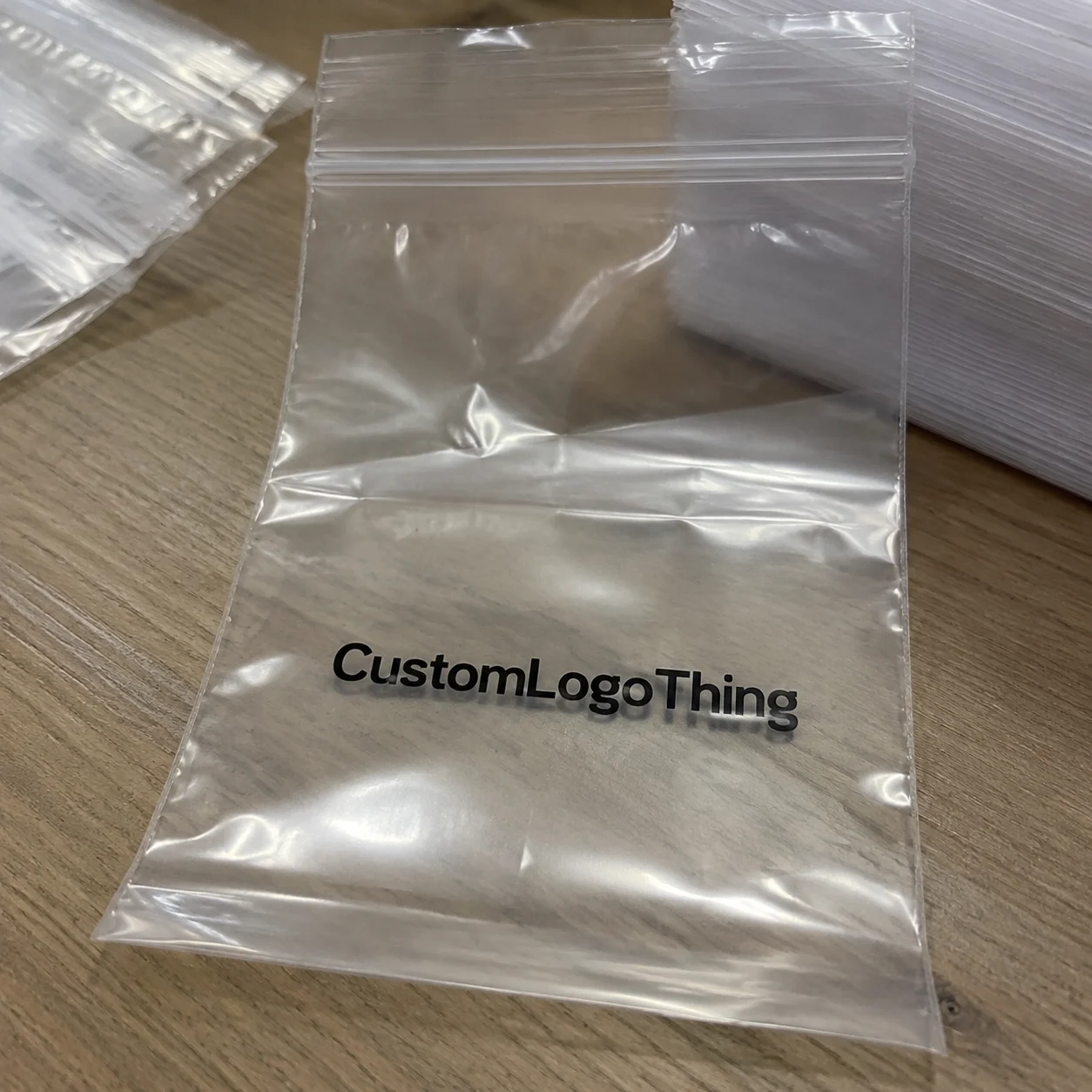
Slider lock bags are used for folded shirts, leggings, sleepwear, undergarments, and subscription items because they can be opened and closed again without the frustration that often comes with weak adhesive flaps or simple tuck closures. That matters in warehouses where items are inspected, rebagged, returned, or checked twice before they leave the building.
When Slider Locks Lower Packing Friction
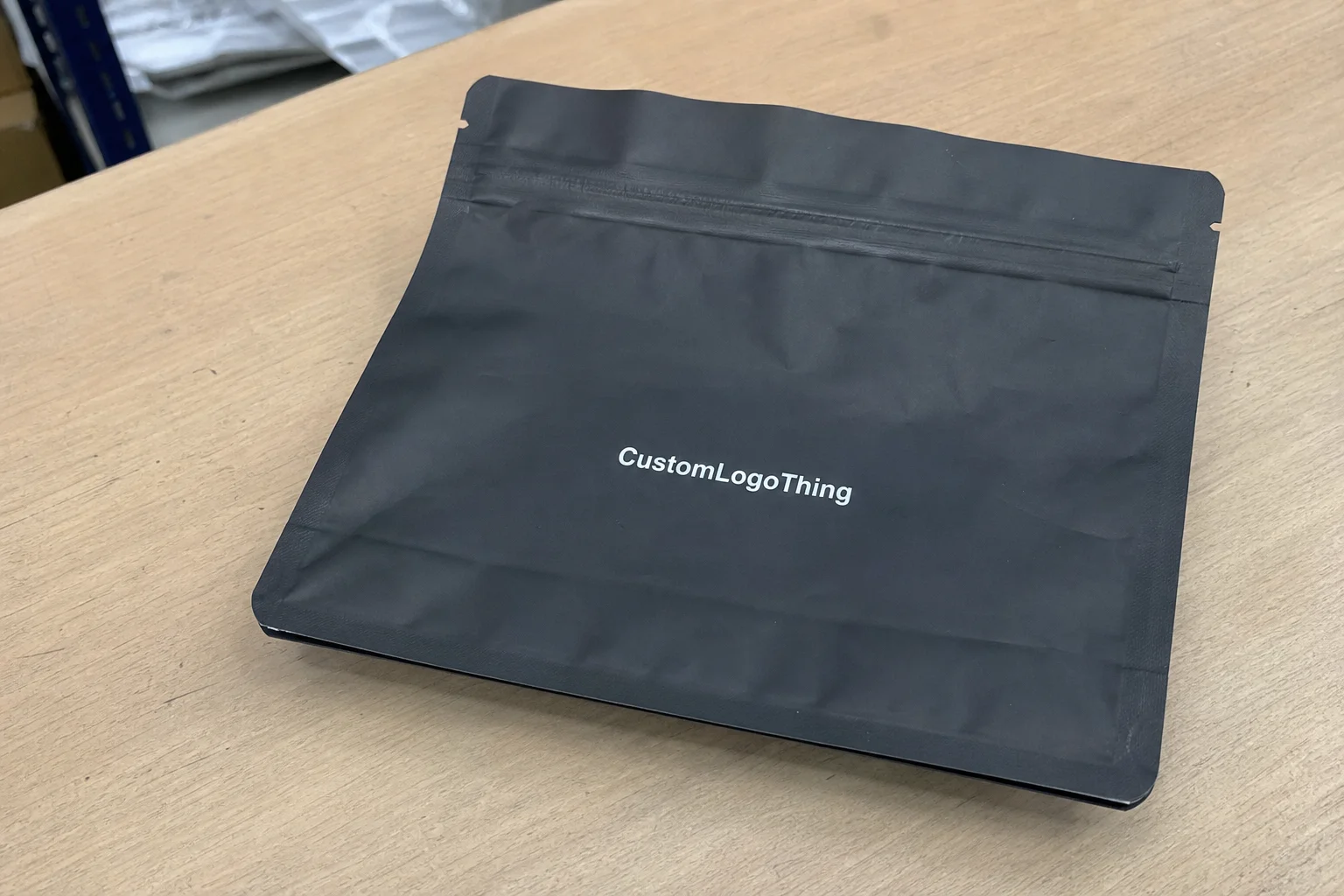
In a high-volume ecommerce operation, the value of a slider lock bag shows up at the packing bench, not in a product deck. A packer opens the bag, inserts the garment, closes the track, and moves on without fighting a weak seal or a flap that will not sit flat. That looks small on paper. Multiply it by thousands of orders, returns, and size exchanges, and it becomes a real labor line.
Adhesive-flap poly bags still have a place, especially for low-touch shipments or simple inner packaging. Slider locks are more useful when the item is handled more than once, whether that is a warehouse recheck, a customer trying on a size, or a return being put back into inventory. The closure is easier to reopen cleanly, and that makes the bag part of the workflow instead of a disposable wrapper.
From a packaging buyer’s point of view, the strongest argument for slider locks is practical: they protect folded garments from dust and light moisture, support barcode labels, and present a clean front panel for direct-to-consumer shipping. For branded ecommerce, that combination often matters more than shaving a few cents off the bag.
Practical rule: if the bag saves time at the bench and reduces rework, the lower unit price may not be the lower total cost.
Slider Lock Clothing Bag Product Details Buyers Should Confirm
Slider Lock Clothing Bags are flexible plastic apparel bags with an integrated track-style closure that opens and closes with a sliding insert. Most are made from LDPE, LLDPE, CPP, or blended films. Each material changes the feel, clarity, tear resistance, and price. LDPE tends to feel softer and more forgiving. LLDPE usually offers better toughness at the same thickness. CPP can look crisper, but it is not automatically the best answer for every garment.
The first specification to confirm is the folded garment, not the bag itself. A thin tee, a hoodie, a pair of leggings, and a child’s jacket do not need the same dimensions or gauge. If the bag is too tight, the slider area takes extra stress and packing slows down. If it is too loose, the garment shifts and the finished pack looks less controlled. Good packaging starts with the folded width, height, and thickness of the item, then adds clearance for fast insertion.
Other common features include suffocation warning print, hang holes, vent holes, a frosted or matte finish, a write-on panel, barcode windows, and recycled-content options where the supply chain supports them. Some buyers ask for a clear front and a lighter back panel to keep the presentation clean while limiting material use. That can work well, but only if the print area and closure placement are drawn correctly.
Closure performance should be tested in plain language, not marketing language. The slider should travel smoothly across the full width, close evenly, and stay aligned after repeated use. If warehouse staff have to pinch the top edge, push twice, or re-open the bag to get the track to catch, the spec is wrong for the operation. That is a packaging fit problem, not a labor problem.
Film, Gauge, Size, and Print Specifications That Affect Performance
Film choice is where a lot of buyers accidentally overspend or underspecify. A glossy film may show scratches more easily. A very soft film may stretch more than expected. A useful starting point is to match the film and gauge to the garment weight and the amount of handling it will see. Lighter gauges can work for small folded items with low warehouse stress. Heavier gauges make more sense for bulkier pieces, sharper folds, or items that are handled again after packing.
Size should be based on the folded garment width, height, and thickness, plus enough clearance for a clean insertion. An undersized bag creates drag and can wrinkle the apparel. An oversized bag looks loose, uses more film than necessary, and can push up both material cost and shipping volume. For teams packing mixed SKUs, one well-chosen size can sometimes cover several items, but only if the fold standard is consistent and the closure still works without effort.
Clarity is another decision point. High-clarity film helps with barcode scanning and product inspection, which is useful when the item needs to be identified at a glance. Frosted or matte film can feel more premium and hides fingerprints or minor scuffs better. The tradeoff is not just aesthetic; print contrast, visibility, and cost all shift with the finish. There is no universal best choice. There is only the right choice for the garment and the packing flow.
Print specifications should be written before the quote is issued. Include the number of colors, print coverage, one-side or two-side printing, registration tolerance, warning-copy requirements, and whether the layout needs an unprinted window for labels or barcodes. If artwork uses a brand Pantone, state it. If the bag needs a suffocation warning or recycling mark, include that copy early so it does not become a proof delay later.
For teams that want a clearer framework for testing and sourcing, the transit-test standards at ISTA and responsible material sourcing guidance from FSC are useful references. They are not bag specs, but they help buyers ask better questions about durability and sustainability.
Functional testing matters as much as the spec sheet. Check slider travel, seal alignment, scuff resistance, label adhesion, carton count, and how the bag stacks at the fulfillment station. A package can look fine in a proof and still be awkward at scale.
Slider Lock Clothing Bags Unit Cost for Ecommerce Orders
Slider Lock Clothing Bags Unit cost for ecommerce depends on a handful of predictable drivers: film type, bag size, gauge, slider profile, print colors, ink coverage, quantity, packing method, freight, and any compliance labeling. If a buyer asks for a quote without those details, the answer is usually broad and not very useful. When the spec is tight, the pricing becomes much more meaningful.
Quantity is the biggest lever on unit cost. Setup work, print preparation, and converting changeovers are spread across more pieces as volume rises, so bulk pricing usually improves at 5,000, 10,000, and 25,000 pieces. That said, a larger bag or heavier gauge still uses more resin and takes more shipping space. Lower volume is not the only issue, and a small bag in a lighter film can still cost less per piece than a larger bag ordered in a short run.
For planning purposes, the table below shows common buying paths. These are not universal quotes, but they are realistic enough to compare options before requesting a formal bid.
| Option | Typical MOQ | Indicative Unit Cost | What You Get | Tradeoff |
|---|---|---|---|---|
| Plain stock slider bag | Low to medium | $0.11-$0.18 per piece | Fast sourcing, no custom print, simple packout | Less brand presence, fewer fit choices |
| Custom printed single-color bag | Moderate | $0.18-$0.30 per piece | Branded front panel, better presentation, repeatable spec | Tooling fees and setup charges may apply |
| Heavier-gauge frosted bag with two-color print | Moderate to high | $0.28-$0.46 per piece | More premium feel, stronger handling margin, stronger shelf presence | Higher material cost, higher freight weight, more setup complexity |
That table also shows why buyers should ask about tooling fees and setup charges separately. A low unit price can hide a high one-time cost, which changes the real picture if the order is small. For that reason, a good quote should show the bag price, print setup, and freight as distinct lines whenever possible. If the supplier only gives one blended number, comparison gets harder.
MOQ matters as much as price. Custom printed orders often need a minimum production run because the press has to be set up, the film has to be staged, and the converting line has to be dialed in. Buyers should request two or three quantity breaks so they can see where the cost curve becomes efficient. The gap between 5,000 and 10,000 pieces may be small enough to justify a higher inventory position, while the jump to 25,000 may only make sense if the SKU is stable and forecastable.
The best quote request includes finished width and height, any gusset requirement, thickness, material preference, closure style, print artwork, number of SKUs, expected annual use, delivery location, and target in-hands date. If the team needs more than one size, say that upfront. Splitting a project into multiple versions after proofing is an easy way to add cost and delay.
Production Process, Lead Time, and Approval Timeline
The order flow is straightforward when the buyer provides complete information. It usually starts with specification review, then quote development, artwork check, dieline or layout confirmation, proof approval, material scheduling, printing, converting, quality inspection, packing, and shipment. Each step can move quickly, but only if the earlier steps are not missing basic details.
Lead time depends on whether the order uses stock material or custom film, whether printing cylinders or plates are needed, how many print colors are involved, and where the production schedule already stands. If the bag format is standard and the artwork is clean, a project can move faster. If the design needs multiple revisions or the size is being finalized late, the calendar stretches. That is normal.
Proofing deserves real attention. A digital proof confirms size, layout, warnings, and print placement. A physical sample or pre-production sample is more useful when the buyer needs to validate closure action, feel, fit, or retail presentation. For premium apparel, that extra step often pays for itself because it catches problems before a large run is made.
Most delays come from avoidable issues: incomplete garment measurements, changing the bag size after proofing, unclear Pantone references, missing compliance copy, or asking for too many SKU versions before counts are final. A production team can solve most technical issues, but it cannot compensate for moving targets forever. One approval contact helps more than most buyers expect.
When buyers treat the supplier like a production partner instead of a price box, the timeline usually tightens. The goal is not just to place an order. It is to buy a bag that can be repeated without surprises.
Quality Checks That Protect Apparel and Fulfillment Speed
Quality control is where the packaging stops being theoretical. A low failure rate in the closure, side seal, or print legibility turns into real expense once orders are moving quickly and customer service starts handling complaints, replacements, or returns. That is why buyers should ask what checks are being done before the bags leave production.
The basic checks are simple and effective: dimensions, film thickness tolerance, seal strength, slider movement, print placement, ink adhesion, carton count, and visual cleanliness. None of those are exotic, but each one matters. A bag that measures a little short can slow the bench. A weak seal can fail in transit. A print that lands too close to the track can look sloppy and make labeling harder.
For ecommerce, the warehouse workflow matters as much as the customer-facing result. The bag should open predictably, accept the garment without snagging, close without repeated hand pressure, stack neatly, and support label or barcode workflows. If the packer has to slow down or rework the bag to get it to behave, the entire operation pays for it.
There are also ecommerce-specific risks that are easy to overlook. Humidity can affect how the bag feels in the hand. Mixed-SKU packing can expose sizing inconsistency. Returns handling puts more stress on the closure than a one-time outbound shipment. Branded unboxing also raises expectations that a plain bag cannot always meet. These are not reasons to overspend. They are reasons to specify the bag properly.
Bench testing with real garments and real packers is the cleanest way to catch problems. Spreadsheet review is useful, but it will not tell you whether a hoodie drags in the closure track or whether a label lands where the barcode is actually visible. Samples do.
How Custom Logo Things Builds Practical Apparel Bag Quotes
Custom Logo Things approaches apparel packaging by matching the bag to the garment, the workflow, and the budget, not by forcing a generic spec onto every order. That matters because the right package for a lightweight tee is rarely the right package for a thick fleece hoodie or a premium subscription item.
The quoting process should compare material options, thicknesses, print methods, quantity breaks, and packaging formats so the buyer can see why one price is higher than another. A useful quote explains the tradeoff behind the number. If a lighter film saves money but reduces handling margin, that should be clear. If a stronger closure raises unit cost but improves returns handling, that should be clear too.
The point is not to overspecify every bag. It is to fit the packaging to the handling requirement and brand expectation without adding waste. That is the most practical way to manage Slider Lock Clothing Bags Unit cost for ecommerce, because the answer is not always the lowest priced bag. It is the bag that performs well enough to avoid hidden costs later.
For ecommerce teams, a clearer quote also reduces surprises around MOQ, artwork prep, lead time, carton packing, freight, and reorder planning. That kind of clarity is worth more than a vague promise of low pricing. It helps the buyer make a decision that holds up after the first replenishment.
Next Steps Before You Request a Quote
If you want a quote that is actually useful, start with the garment data. Measure the folded width, height, and thickness. Decide whether one bag size can cover several SKUs. Confirm the finish you want, whether clear, frosted, or matte. Gather logo colors, compliance copy, and any barcode or label requirements. Then estimate monthly or annual usage and identify the delivery location.
- Measure the folded garment, not just the retail size.
- Confirm whether the same bag can fit multiple SKUs.
- Choose the film feel and clarity before requesting artwork.
- Prepare vector artwork where possible.
- Request quantity breaks so you can compare bulk pricing properly.
- Ask whether there are separate tooling fees or setup charges.
Ask for multiple price points instead of a single number. Ecommerce demand changes, and buyers need to know the difference between a trial run, a replenishment order, and a larger inventory buy. If the supplier can show the unit cost at each break, the decision is easier and the risk is lower.
If fit or closure feel is critical, request samples. That is especially useful for bulky garments, premium apparel, and subscription packaging where the bag is part of the customer experience. A sample review can reveal whether the slider tracks cleanly, whether the garment fits without strain, and whether the bag presents well under real packing conditions.
When you are ready to compare slider lock clothing bags unit cost for ecommerce, send the garment size, target quantity, print needs, and timeline so the quote can be built around real production variables instead of a guess.
Frequently Asked Questions
What affects slider lock apparel bag unit cost for ecommerce orders?
The biggest cost factors are bag size, film thickness, material type, slider closure style, print colors, ink coverage, order quantity, setup requirements, packing method, and freight. If you want a meaningful comparison, ask for the cost per piece at several quantity breaks instead of one blended number.
What MOQ should I expect for custom printed slider lock clothing bags?
MOQ depends on size, print method, material, and production setup. Smaller stock-size programs may start lower, while fully custom printed bags often need a higher minimum production run. The best approach is to request quantity breaks and ask whether stock-size options can support a smaller starting order.
Are slider lock garment bags more expensive than adhesive flap poly bags?
Usually yes, because the slider closure adds material and converting complexity. That said, the added cost can be justified when the bag needs repeated opening, easier returns handling, stronger presentation, or better closure reliability during fulfillment and customer use.
How do I choose the right size slider lock bag for folded clothing?
Measure the folded garment width, height, and thickness, then add enough clearance for fast packing without forcing the closure area or leaving too much empty space. A well-sized bag protects the item, speeds the bench, and keeps the final pack looking controlled.
How long does production take for custom ecommerce clothing bags?
Lead time depends on artwork approval, material availability, print complexity, order quantity, and current production scheduling. Complete specifications and fast proof approval help the process move faster, while late revisions and missing details usually add delay.