For boutique buyers, Slider Lock Clothing Bags unit cost for boutique planning affects more than the packaging line on a purchase order. It sits next to product protection, shelf presentation, margin control, and the customer’s first impression of the garment. A folded tee in a loose plain sleeve feels like inventory. The same item in a crisp slider-lock bag feels more finished.
That difference matters most in smaller retail environments, where presentation carries more weight than volume display. If the bag wrinkles, clouds over, splits, or closes poorly, the garment starts at a disadvantage. If the film is clear, the slider works smoothly, and the size fits the folded item, the package supports the product before the shopper checks fabric, stitching, or tag detail.
Packaging quotes should be compared with the same discipline as garment sourcing. The lowest unit number is not useful unless the film, closure, size, print, freight basis, setup fees, and minimum order quantity are clear enough to compare side by side.
Why boutique buyers use slider locks to lift perceived value
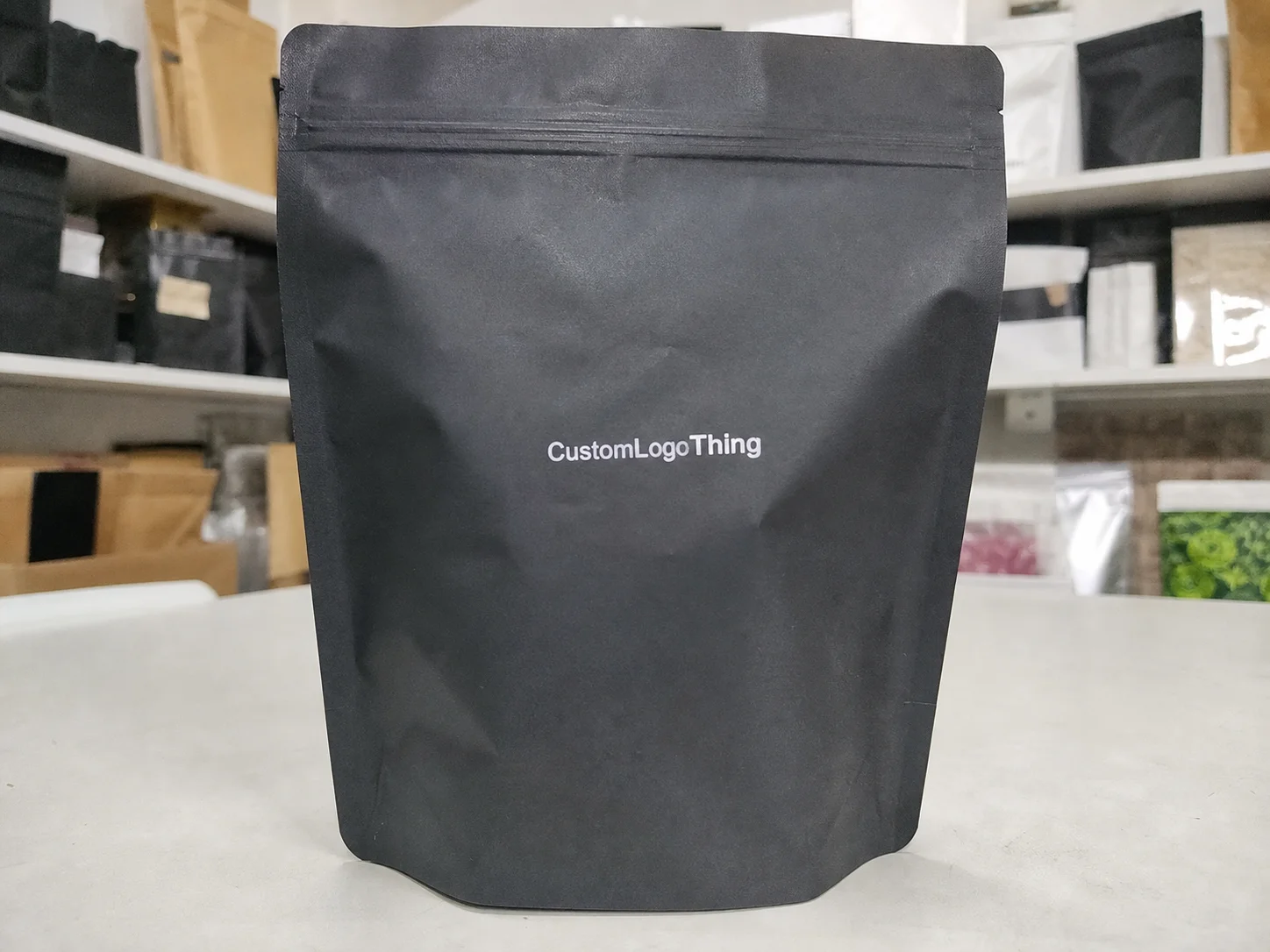
A basic open-top garment bag keeps an item together. A slider-lock bag keeps it together while adding a retail presentation function. For boutique assortments, that second job matters because the package often becomes part of the product experience. Customers may not name the closure type, but they notice whether the item feels protected, organized, and easy to handle.
The tradeoff is practical. A cheaper bag may lower the invoice but increase repacking, damage, or customer complaints if it opens during handling, splits at the side weld, or looks cloudy under store lighting. Those costs rarely appear on the packaging quote, but they show up in labor and markdown pressure.
Many boutique buyers use slider-lock bags for folded apparel, multi-piece sets, accessories, and items customers may reopen after purchase. A reclosable bag supports inspection in-store and storage at home. It also helps keep folded knits, woven shirts, and accessory sets organized through warehousing and retail handling.
Buyer rule: if the packaging improves shelf presentation, reduces repacking, or lowers handling damage, a higher unit cost may be easier to defend than a cheaper option that creates friction later.
Testing and documentation can keep supplier discussions grounded. Distribution performance can be discussed against ISTA methods, while sustainability claims should be backed by records rather than broad marketing language. If paper inserts or mixed-material components are included, chain-of-custody standards such as FSC may be relevant. The goal is not to overcomplicate the bag; it is to make the buying decision measurable.
Bag styles, closure details, and print options that matter
Slider-Lock Clothing Bags sit between a basic poly sleeve and a more premium retail package. The closure is the feature customers handle first. A smooth slider track is easier to open and close than a plain press-to-close strip, and that difference is obvious in repeated use.
Style choices affect both cost and presentation. Flat bags are compact and efficient for tees, lightweight tops, and slim folded items. Gusseted bags give more room for thicker folds, layered sets, or garments that should not be compressed. Hanging-hole placement matters if the bags move through a distribution system on hooks or hangers. Side-weld quality matters when bags will be opened and closed often, because weak seals usually fail before the garment itself is ever at risk.
Print should be chosen with restraint. A single-color logo in the right position often does more for boutique presentation than a crowded full-coverage design. Clear bags with a subtle brand mark work when the garment is visually strong. Tinted or opaque films make more sense when the product is not tidy enough to display through the package or when privacy is part of the retail experience.
These are the main price drivers on the style side:
- Ink coverage: more printed area means more setup and press time.
- Custom dimensions: unusual sizes may add tooling and setup cost.
- Window features: die-cut or clear windows add production complexity.
- Special finishes: matte surfaces, anti-scratch films, and soft-touch effects raise the quote.
The common mistake is treating the bag as if it only has to contain a shirt. Boutique packaging often has to hold the garment, support the label, and carry display value. If that is the requirement, closure quality, film clarity, and print placement need to match the same standard before price comparisons begin.
If the bag will be handled many times, the closure should feel consistent from unit to unit. A slider that binds on some bags and glides on others may point to loose control over film thickness, track alignment, or seal quality. That inconsistency is hard to hide at retail.
Material, gauge, and sizing specifications to request
Ask for exact material details before asking for a final price. Many quotes look comparable until they are tied to different films, thicknesses, or closure constructions. A supplier can say “clear slider bag” while quoting a product that behaves differently from the bag you have in mind.
The key details are straightforward:
- Material family: LDPE, PP, or another specified film structure.
- Thickness: shown in mil or microns.
- Width and height: finished dimensions, not estimated size.
- Closure style: slider track design and closing action.
- Seal strength: important for heavier garments and sets.
- Clarity: crystal-clear, semi-clear, frosted, or matte.
- Add-ons: ventilation, anti-static treatment, hang holes, or tear notches.
Sizing deserves careful attention. If the bag is too small, garments crease and packing slows down. If it is too large, items shift inside, film usage climbs, and the finished package looks loose on the shelf. Unit cost is not only about material weight; it also reflects how efficiently the bag fits the fold, carton, and display.
A practical sizing workflow usually looks like this:
- Measure the folded garment at its widest and thickest points.
- Add handling margin so the item can be inserted without stressing the seams.
- Check whether the bag will hold one piece or a set with tags, tissue, or inserts.
- Choose the nearest production size that supports fold quality and shelf appearance.
That last step matters for boutique assortments. A two-piece set, thicker knit, or folded knit dress may need more width or gusset depth than a standard tee. If the supplier quotes against a generic size, the cost may look acceptable while the package performs poorly during packing.
Request tolerance ranges before production begins. Ask for thickness tolerance, finished size tolerance, and a pre-production sample or sample photo. If the closure is a major buying point, confirm slider feel as well. A bag can meet basic dimensions and still feel cheap if the track catches or the film is too thin for repeated opening and closing.
Quality control should be specific. Ask how many bags are checked, which dimensions are measured, and what happens if film or finished size drifts outside tolerance. A credible supplier can explain inspection in plain numbers. Vague promises are not enough when the order needs to be repeatable across future runs.
Slider lock clothing bags unit cost for boutique buyers and MOQ breaks
This is the section most buyers want first. Slider Lock Clothing bag pricing moves with size, thickness, print, closure style, freight, and order quantity. The gap between quotes is often driven less by visible design and more by setup cost, tooling, and how many pieces the supplier can spread those charges across.
MOQ is the main lever. Lower quantities usually carry a higher unit price because line setup, print registration, and changeover time do not shrink just because the order is small. At 1,000 bags, fixed costs are spread over fewer units than they would be in a 5,000-unit or 10,000-unit run.
Tiered pricing helps identify where the unit cost improves. In many cases, the jump from 1,000 to 3,000 units saves more per bag than the jump from 10,000 to 15,000. Without multiple tiers, the buyer cannot see where the price curve bends.
| Order tier | Typical use | Approx. cost per piece | What drives the price |
|---|---|---|---|
| 1,000 units | Launch test, small seasonal drop | $0.28-$0.48 | Higher setup charges, fewer units to absorb them |
| 3,000 units | Core boutique reorder or regional rollout | $0.18-$0.32 | Better material efficiency, lower relative setup cost |
| 5,000+ units | Established SKU, planned replenishment | $0.12-$0.24 | Volume pricing, better run consistency, lower unit setup burden |
These numbers are directional, not a final market rate. Film thickness, print coverage, slider quality, freight, and carton configuration all move the number. A clear unprinted bag usually lands lower. A custom printed bag with heavier gauge film and a premium closure can land meaningfully higher.
Freight belongs in the cost conversation. A factory quote can look attractive until cartons are packed, palletized, and shipped by a slower or more expensive route. If the supplier quotes ex-works, ask for landed cost. If the supplier quotes delivered, confirm what is included. The gap between those two numbers can erase the savings from a lower factory price.
For boutique planning, compare the bag price plus setup, freight, and the labor saved by cleaner presentation. A slightly higher bag price can still be cheaper across a season if it reduces repacking or helps the product move from carton to floor more quickly.
Special colors, custom closures, and complex printing can also increase lead time. If a launch date is fixed, a simpler specification may protect the calendar better than a more elaborate option with a slightly lower quoted unit price. A bag that arrives late costs more than a bag that costs a few cents more and lands on time.
Process, proofing, and lead time from quote to delivery
The quoting process should feel controlled. A reliable workflow moves through inquiry, spec confirmation, quote, sample or artwork proof, production approval, manufacturing, inspection, packing, and shipment. If a supplier cannot describe those steps clearly, repeat orders will be harder to manage.
Proofing is where many delays begin. Confirm logo placement, dimensions, closure type, and carton labeling before production starts. If artwork changes after approval, the schedule changes too. The buyer usually pays for that delay through missed floor dates, rushed freight, or rework.
Lead time should be split into production and shipping. A bag may be produced in 12 to 15 business days after proof approval, but transit can add another week or several weeks depending on route and method. Boutique buyers planning seasonal drops should ask for both numbers in writing.
Common delay points are predictable:
- Artwork revisions after approval
- Spec mismatches between quote and sample
- Late deposit release or delayed payment
- Unavailable film or closure components
- Carton and label changes after packing begins
Before payment, ask for a written timeline with milestones. If a supplier offers a pre-production sample, use it. A sample can confirm closure feel, transparency, logo placement, and fit on the folded garment. For premium apparel or a new display concept, the sample costs less than fixing thousands of bags after production starts.
If the order includes recycled content claims, specialty films, or fiber-based inserts, ask for documentation before the quote is finalized. Sustainability language should be traceable to source material and supplier records. The U.S. EPA’s packaging and waste resources at EPA are useful for waste reduction context, though they do not replace compliance paperwork.
What to compare before choosing a boutique packaging supplier
Supplier selection should be evidence-based. Ask for spec sheets, sample photos, and recent production examples. A serious packaging partner can explain the difference between film types, show where the closure system changes cost, and identify which details affect repeatability across runs.
Communication quality is one of the best indicators of project quality. If the reply includes measurements, tolerances, and tradeoffs, the supplier probably understands production. If it is all adjectives and no numbers, expect friction later. Packaging sourcing gets easier when the conversation stays in dimensions, not promises.
It also helps to compare the supplier’s ability to support reorders. A vendor that can handle a small launch and then replenish without rebuilding the quote from scratch is more useful than one that only looks cheap on the first purchase. Reordering should not feel like starting over.
Before you commit, use a short checklist:
- Does the supplier confirm material and thickness in writing?
- Are MOQ, tooling fees, and setup charges visible in the quote?
- Can they provide a sample or proof before bulk production?
- Do they separate production time from shipping time?
- Is freight clear enough to calculate landed cost?
Packaging associations such as Packaging Institute and standards groups like ISTA are useful reference points for handling and shipping expectations. They will not choose the bag, but they help buyers ask sharper questions and compare suppliers with less guesswork.
One practical test is to request at least two quote tiers and compare more than unit price. Look at the finished spec, minimums, proofing time, freight basis, and whether the supplier can hold the same construction on a reorder later in the season. If the answer is vague now, it will be worse when the store needs replenishment.
The strongest packaging decisions come from suppliers who show the full cost structure, do not hide setup charges, and understand how the bag will be used on the sales floor. If dimensions, material, print coverage, freight basis, and MOQ are held constant across suppliers, Slider Lock Clothing Bags unit cost for boutique buying becomes a useful decision tool instead of a rough guess.
FAQ
What changes slider lock clothing bag pricing for boutique orders?
Bag size, film thickness, and print coverage are the biggest drivers. Lower quantities usually raise the unit price because setup costs are spread across fewer bags. Freight, carton configuration, and special finishes can also change the landed cost even if the factory quote looks similar.
How low can MOQ be for boutique slider lock apparel bags?
MOQ depends on bag size, material, and whether the order is printed or unprinted. Custom colors and heavier gauges often require higher minimums than standard clear bags. Ask for tiered pricing so you can compare the starter run against the reorder price.
Can slider lock bags be sized for folded boutique clothing sets?
Yes, sizing should be based on folded garment dimensions plus a small handling margin. Sets, knitwear, and thicker items usually need more width or gusset depth than flat tees. Request a sample or mockup before production if the bag needs to hold multiple pieces cleanly.
What is the usual lead time after artwork approval?
Lead time varies by quantity, customization, and factory capacity. The schedule should separate production time from shipping time so you can plan inventory accurately. Artwork changes after approval are one of the fastest ways to delay delivery.
Should I request a sample before placing a full boutique order?
Yes, a sample helps confirm closure feel, sizing, clarity, and logo placement before bulk production. It is especially useful for premium apparel, seasonal launches, or retail display. A sample can also reduce rework risk by catching dimensional or print issues early.


