Jewelry is small, but packaging mistakes show up quickly. A printed Slider Lock Clothing Bags quote for jewelry is not just a logo price check. It is a quote for a resealable bag that protects delicate pieces, keeps sets together, and presents them cleanly when the customer opens the parcel.
That matters for earrings, bracelets, necklace sets, hair accessories, repair kits, and boutique bundles. The closure has to work, the film has to suit the product, and the print has to stay legible. If any of those pieces are off, the bag becomes a weak point instead of part of the presentation.
Small Jewelry Orders Still Need Packaging That Closes Right
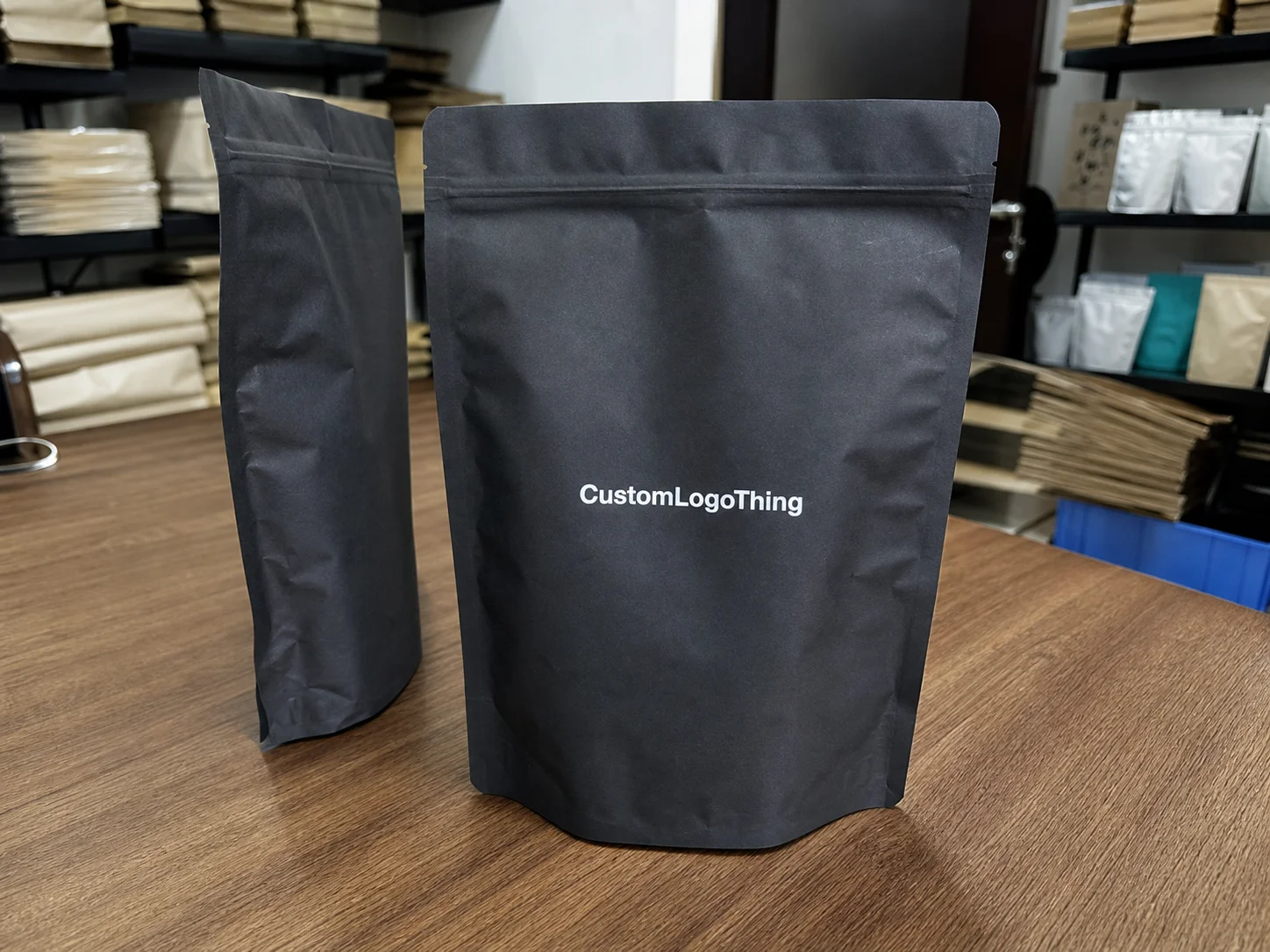
Small jewelry orders fail packaging tests in ordinary ways. A loose pouch opens in transit. A thin bag creases badly. A cheap zipper feels awkward and gets ignored. None of that is dramatic, but it changes how customers judge the brand the moment they handle the package.
For that reason, a printed Slider Lock Clothing Bags quote for jewelry usually makes sense for brands that need more than a plain poly bag. Slider locks are easy to open and close repeatedly, which helps with items that are handled often. That includes set orders, subscription inserts, care kits, and accessories that customers may reuse for storage after purchase.
These bags are a practical fit for:
- Earrings and ring sets
- Bracelets and anklets
- Small necklaces with cards or inserts
- Hair clips, pins, and scrunchies
- Clothing add-ons like belts, straps, and spare parts
- Dust-protection packaging for boutique bundles
They are not the right answer for every premium line. Heavy pieces, sharp edges, or items that need rigid presentation usually belong in boxes, pouches, or molded inserts. Use the bag where it actually helps. Do not ask it to carry a luxury role it cannot support.
The best packaging is the kind customers can use twice without thinking about it. If the closure feels awkward, the bag loses most of its value after the first opening.
Quote accuracy matters because the price changes with size, film type, thickness, slider color, print coverage, and packing method. If a supplier is pricing from a screenshot and a rough idea, the number is only a placeholder. It is not yet a buying decision.
Bag Style, Closure, and Jewelry Use Cases
A slider lock bag is a plastic bag with a built-in slider closure across the top. The slider opens and closes the seal, which makes the bag easier to reuse than a basic press-to-close style for many buyers. That convenience adds cost, but it also adds usability and a stronger impression of quality.
For jewelry packaging, the style choice usually comes down to visibility and presentation. Clear film shows the item well. Frosted film looks more refined and hides fingerprints better. White or colored film creates a stronger brand surface, but it hides the product and usually requires better artwork planning so the bag still reads clearly.
Common use cases include retail packaging, e-commerce inserts, accessory bundles, display packs, and short-run promotional sets. The same format can also support garment add-ons, such as spare buttons, belts, strap kits, or seasonal accessory packs. That flexibility is why a Printed Slider Lock Clothing Bags quote for jewelry often becomes part of a broader packaging discussion.
Buyers should also ask about optional features early. Small details can change both function and pricing:
- Hang holes for retail display
- Writable panels for SKU notes
- Barcode or QR zones
- Recycling marks or material identification
- Custom carton packing for warehouse sorting
The closure itself needs enough top margin and enough film strength to work properly. Too thin, and the bag feels flimsy. Too tight, and loading product slows down. Saving a fraction per unit means little if staff hate packing it. That becomes labor cost, not savings.
Material, Thickness, and Print Specifications That Affect the Bag
Most slider lock bags for jewelry use PE-based films. LDPE gives a softer feel and good flexibility. HDPE is crisper and lighter. Some builds use blended PE structures to balance clarity, strength, and hand feel. There is no universal winner. The right film depends on the item, the look, and the closure design.
Thickness changes the bag more than many first-time buyers expect. For lighter jewelry or accessory bags, 2 to 3 mil is common. For larger or more reusable bags, 3 to 4 mil is often safer. Once the product gets heavier, or the customer is likely to reopen it often, going thinner to shave cost can backfire.
Size planning matters just as much. Measure the finished item, card, pouch, or folded accessory, then add clearance for loading and closure movement. If the bag is too small, production will still make it. So will your warehouse staff, while muttering at the stack for the rest of the day.
Print choices usually include one-color logos, spot-color artwork, multi-color graphics, front-only print, or two-sided print. Detailed gradients and tiny type need a real artwork review. Plastic film is not paper. Fine detail can shift, soften, or disappear if the art is careless.
Good artwork files save time. Vector AI, PDF, or EPS files are preferred for logo work. PMS references help with spot colors. A clean dieline approval is worth more than another round of email guessing. If the print needs to sit around the slider or avoid a barcode zone, that has to be solved before production starts.
For sustainability claims or packaging programs tied to certified materials, references like FSC are relevant for the wider pack, while transport testing discussions often point to ISTA methods. Those standards do not pick your bag size, but they do help define a disciplined packaging process.
Cost, MOQ, and Quote Factors for Custom Slider Lock Bags
Pricing is driven by plain inputs: bag size, thickness, print coverage, number of colors, slider type, and packing requirements. A supplier cannot quote accurately from a logo and a mood board. That is not secrecy. It is basic manufacturing math.
MOQ is usually higher than blank stock bags because the order has setup costs. Printing plates, tooling, slider components, machine time, inspection, and carton packing all have to be allocated somewhere. Custom printed slider lock bags often start around 3,000 to 5,000 pieces, though smaller or larger minimums can happen depending on the spec.
Here is the kind of pricing behavior buyers usually see for a common jewelry-size bag:
| Option | Typical quote impact | Best fit |
|---|---|---|
| 2.5 mil clear bag, one-color print | Lower end of the range; about $0.16-$0.28 per unit at 5,000 pcs | Light jewelry, simple branding, tighter budgets |
| 3 mil frosted bag, one- or two-color print | Mid-range; about $0.20-$0.35 per unit at 5,000 pcs | Retail presentation with a cleaner look |
| 4 mil bag, heavier coverage, custom slider color | Higher cost; about $0.28-$0.45 per unit at 5,000 pcs | Reusable packaging, larger accessories, repeated handling |
| Higher quantity run at 10,000 pcs | Unit cost may drop 15%-30% versus the 5,000-piece run | Established SKUs, seasonal volume, repeat programs |
That range is broad for a reason. A larger bag with more print coverage costs more. So does a custom slider color, thicker film, or special packing arrangement. The quote also needs to account for tooling or plate charges, sample costs, freight, and any rush handling.
Compare quotes using the same spec sheet. A cheaper quote can hide thinner film, smaller dimensions, weaker closure hardware, or lighter ink coverage. That is not a bargain. It is a spec downgrade with a friendly price tag.
For a usable Printed Slider Lock Clothing Bags quote for jewelry, send the actual bag dimensions, intended product size, material preference, thickness target, print colors, shipping destination, and whether you need samples before mass production. That gets you a number you can actually buy against.
Process and Timeline From Artwork to Delivered Bags
The production path is straightforward, but only if the buyer gives clean inputs. It usually goes like this: inquiry, spec confirmation, quote, artwork check, proof approval, sample if needed, mass production, inspection, packing, and shipping.
Lead time depends on what the order actually is. A simple one-color bag with final artwork and no sample round moves faster than a custom build with special film, custom slider colors, or a brand owner who wants three proof revisions because the logo felt slightly off. That phrase causes delays every time.
Artwork approval is where expensive mistakes are avoided. Check spelling, logo placement, print size, color callouts, barcode space, and closure direction. If the proof is wrong, do not rush it. The bag will not care about your deadline, and neither will the reprint bill.
Sampling options usually fall into three buckets:
- Digital proof for layout and positioning checks
- Physical sample for size, closure, and feel testing
- Pre-production sample for larger or brand-sensitive orders
Shipping method affects timing more than buyers admit. Air freight costs more but gets cartons in faster. Sea freight is better for larger orders with enough planning time. Courier shipping works for samples or very small quantities, not for pretending a full production order will arrive by magic.
If the bags support a launch, trade show, holiday set, or subscription drop, order before inventory gets tight. Packaging should be boringly on time. That is the whole point.
Quality Checks That Matter Before You Approve Production
Quality control starts before production and continues at receiving. The key checks are simple: dimensions, thickness, closure function, print alignment, ink adhesion, color match, odor, transparency, and carton count. If any of those are off, the packaging becomes a liability instead of support.
The slider should move smoothly and close evenly. It should not detach under normal use. The top seal needs enough strength so customers can open and reseal the bag without tearing the closure area apart. If that happens, the packaging did its best impression of a cheap one-time wrapper.
Jewelry-specific checks matter too. Small pieces should not slip through corners. Carded items should load without scraping the print. Any warning text or barcode needs to stay readable. If visibility matters, the film should not make the item look dull or cloudy.
Color tolerance deserves real attention. PMS targets help, but film type, ink density, and opacity affect the finished look. Buyers who care about brand color should approve a realistic sample rather than assuming the proof will match the film perfectly.
For shipment testing and packaging discipline, buyers often use standards from organizations like ISTA. That is especially useful when the order has to survive cross-country freight, carton stacking, or warehouse handling without scuffing the printed surface.
Good production control is not flashy. It simply reduces surprises and keeps the bags aligned with the job they were ordered to do.
Next Steps Before You Request a Production Quote
If you want a clean quote, prepare the Specs Before You send the inquiry. Decide whether you need clear or frosted film, estimate thickness, confirm print colors, gather artwork files, and define the delivery deadline. That alone cuts a lot of back-and-forth.
Take a photo of the jewelry or accessory in any current packaging and include a ruler. Exact dimensions beat vague descriptions every time. “Small” is not a size. It is a negotiation problem.
For faster quoting, send:
- Bag width and height
- Usable space below the slider
- Material preference
- Thickness target
- Print position and color count
- Quantity tiers
- Shipping destination
- Sample requirement, if any
Ask for two or three quantity breaks. That shows where the unit cost improves and helps procurement choose between a cautious first run and a better-value production order. It is a simple move that saves money later.
If the slider lock pushes the budget too high, ask about alternatives such as zip bags, flap bags, header bags, or paper jewelry pouches. The right answer depends on the product, the branding goal, and the price ceiling. Not every item needs the same closure to look good.
For a useful printed Slider Lock Clothing Bags quote for jewelry, send the actual dimensions, artwork, and quantity instead of a generic reference image. That is how you get a tighter quote, fewer revisions, and less email tennis.
What information do I need for a printed slider lock clothing bags quote for jewelry?
Send the bag size, product size, material preference, thickness target, print colors, artwork file, quantity, shipping destination, and deadline. If you are matching an existing bag, include photos with measurements. That gives the supplier enough data to quote without guessing.
What MOQ should I expect for custom printed slider lock jewelry bags?
MOQ depends on bag size, film type, print method, and slider components. Custom slider lock bags usually require higher minimums than blank stock bags because setup, material, and production time are built into the order. For many projects, 3,000 to 5,000 pieces is a realistic starting point.
Are slider lock bags better than zip bags for jewelry packaging?
Slider lock bags are easier to open and close repeatedly, which helps with kits, sets, and reusable packaging. Zip bags are usually cheaper and may be better for simple single-item packaging. The better choice depends on the product and the customer experience you want.
Can I print a logo and product warning text on the same slider lock bag?
Yes. Logo, care text, barcode zones, recycling marks, and warnings can usually be printed together if the bag size allows enough readable space and the artwork is prepared correctly. The layout just needs room around the slider and seal lines.
How long does production take after I approve the custom bag proof?
Lead time depends on order quantity, material availability, print complexity, sampling, and shipping method. Standard jobs move faster when artwork and specs are approved without changes. If the order needs a sample round or special components, expect more time.
For buyers comparing options, the real question is not whether the bag looks good in a mockup. It is whether the size, closure, and print spec match the product and the budget. A printed slider lock clothing bags quote for jewelry should always be built from the actual packaging requirements, not a vague idea.


