Snapback caps Low MOQ Custom Order buyers usually want the same thing: a cap that looks retail-ready without locking the whole budget into a giant first run. The instinct makes sense. A 50- to 200-piece order gives you real data on fit, color, decoration quality, and sell-through before you bet on a larger batch that could sit for months.
I have seen brands over-order because the sample looked good under bright showroom lights, then find out the crown sat too shallow or the embroidery read smaller than expected on actual heads. That mismatch is common, and it is expensive. A low MOQ run is basically a pressure test: useful, a little humbling, and a lot cheaper than guessing wrong at scale.
From a buyer's point of view, the logic is simple risk control. You test the product, tighten the artwork, and keep the unit cost visible. You also avoid the oldest mistake in merchandising: assuming demand before customers prove it. They do not prove it with enthusiasm. They prove it by paying.
Why Snapback Caps Low MOQ Custom Order Works for Testing Demand
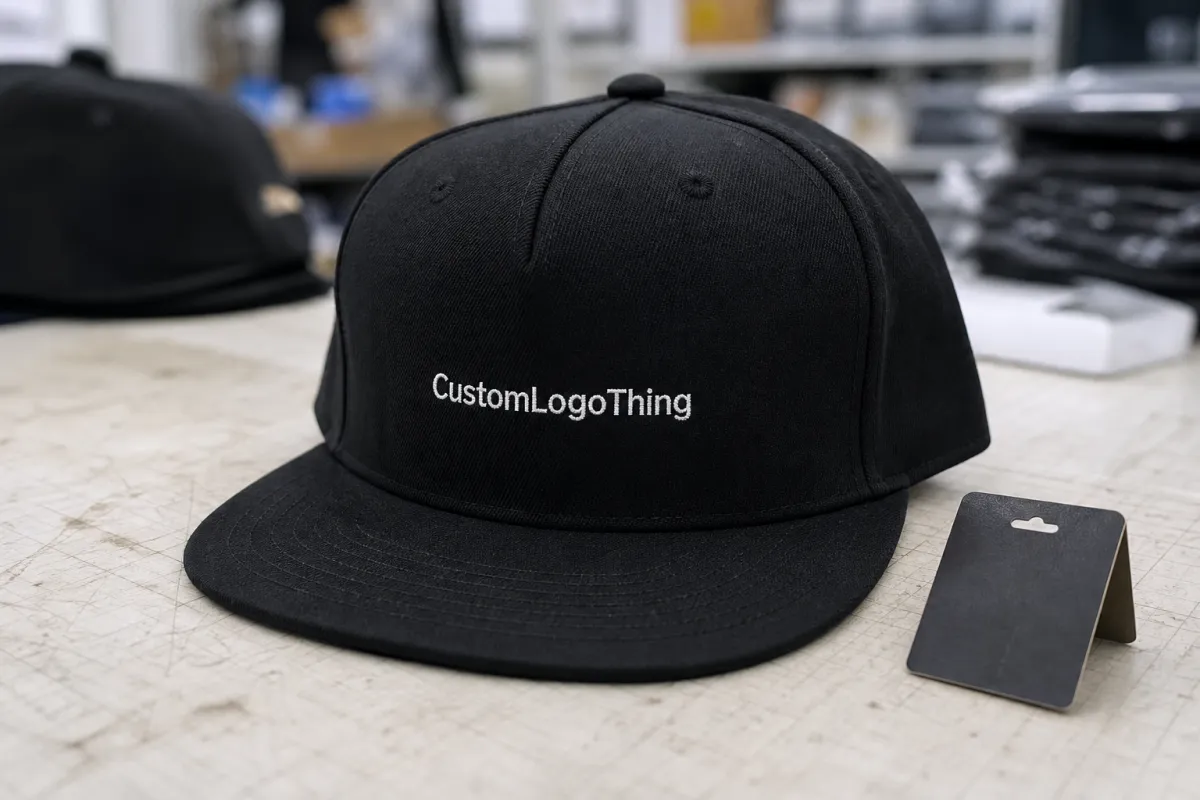
A snapback caps Low MOQ Custom Order fits best when the goal is market testing, not warehouse loading. Startup merch brands use it. So do promo teams, sports clubs, streetwear labels, and event organizers who need a polished custom cap run without tying up cash in a 5,000-piece minimum. A smaller starting point changes the economics in a way that is easy to defend internally.
Instead of paying for a large inventory before you know what moves, you can launch with a controlled batch, collect feedback, and adjust the second order. Maybe the logo needs more width. Maybe the navy sells better than the stone color. Maybe the cap depth works for one audience but not another. A low MOQ run surfaces those answers while they still matter.
The numbers make the case even faster. If a setup fee of $150 is spread across 50 caps, that is $3 per unit before materials and decoration. Spread the same fee across 300 caps, and it drops to 50 cents each. That is why low MOQ pricing is never just about the cap itself; it is about how many times the fixed work can be divided.
- Lower cash outlay so budget can go to ads, events, or packaging instead of dead stock.
- Less inventory risk if the style misses the mark.
- Faster product feedback on embroidery, fit, and color.
- Cleaner iteration before a larger wholesale or retail push.
That approach works for anyone who needs a branded item that looks finished but does not need mass production yet. A merch drop for a band, a small retail test, a staff kit, a sports fundraiser, a limited event giveaway: each one benefits from the same logic. A snapback caps Low MOQ Custom Order keeps the first run disciplined.
"Ordering 1,000 caps before the first customer has seen the logo is how boxes of inventory end up with a permanent address in the storeroom."
The packaging side matters too. A cap never arrives alone. Insert cards, hangtags, polybags, carton labels, and shipping presentation all shape the perceived value. The cap may be the star, yet the rest of the kit decides whether it feels deliberate or improvised. If you need those extras, planning them with the order saves back-and-forth later. Our Custom Packaging Products page is a useful starting point if you want the cap and presentation to match.
Snapback Caps Low MOQ Custom Order: Product Options and Specs
Before placing a snapback caps low moq custom order, lock down the build. Small changes in structure alter the look and the quote. A snapback is usually a structured cap with a flat brim, adjustable plastic snap closure, and a front panel built to carry embroidery or a patch cleanly. The silhouette stays popular because it is familiar, brands well, and still feels current in the right colorway.
The main specs to confirm early are straightforward, and they matter more than many buyers realize:
- Panel count: 5-panel and 6-panel caps create different front shapes and embroidery zones.
- Crown structure: structured crowns use buckram or stiff front support for a sharper retail look.
- Brim shape: a flat brim keeps the streetwear profile; a slight curve feels more classic.
- Closure style: most low MOQ runs use a standard plastic snap closure, often in black, white, or a matched color.
- Sweatband: cotton or poly-cotton sweatbands are common; premium versions use thicker, softer tape.
- Head size range: confirm the fit range so the cap works on real heads, not just the sample.
Fabric choice changes both hand feel and mood. Cotton twill gives a familiar matte finish. Polyester holds color well and often works better for high-contrast branding. Wool blends feel heavier and more premium, though they are not always the cheapest route at lower quantity. None of those options wins every time. The right choice depends on the price band, the audience, and how retail-ready you want the cap to feel.
Decoration zones matter too. The front panel gets the most attention, yet side hits, back embroidery, woven labels, and under-brim print can add personality without turning the order into chaos. That helps if the logo is small or if the cap needs to feel more like package branding than a basic souvenir. Good package branding does not shout. It looks sorted.
Buyers building a small retail test should think beyond the cap itself. A clean run can borrow from product packaging and retail packaging: a neat hangtag, a simple belly band, or a custom printed box for ecommerce shipping. If the cap sits inside a larger merch bundle, the right packaging design ties everything together. If you want to explore those options, our Custom Packaging Products range covers common add-ons like printed boxes, inserts, and labels.
Design Limits, Branding Methods, and Fit Details
Low quantity production comes with limits. That is normal. A snapback caps low moq custom order usually offers fewer embellishment choices than a mass-run order, and that tradeoff keeps the minimum down. Special fabrics, unusual closures, metallic thread, custom molded trims, or multiple decoration zones will move the quote. Setup costs do not disappear because the order is small. Someone still has to prep the files, digitize the logo, and manage the run.
For branding, three methods appear most often:
- Embroidery: durable, classic, and usually the safest route for a clean premium look.
- Patches: useful for texture, sharper detail, and a more retail-style finish.
- Print: helpful for small graphics or fine lines, though not always the best fit for long wear.
Embroidery stays the default for a reason. It holds up, reads well from a distance, and fits the shape of a snapback. Patches make more sense when the art has tiny details that would disappear in stitching or when the brand wants a different surface texture. Print has its place, but only when the design really needs it. Too many buyers push printed treatment onto artwork that would look stronger stitched.
Fit details that affect sales
Fit is where many first orders stumble. Crown depth changes how the cap sits on the head. A shallow cap can feel sharp and current, then disappoint a wider audience. A deeper crown feels safer for more wearers. Brim curve changes the mood as well. Flat reads more streetwear. A soft curve feels more traditional. Neither is wrong. Guessing is.
Comfort matters in real use. A scratchy sweatband or stiff snap closure can turn a good-looking cap into an item nobody wants to wear twice. For a merch drop, that is wasted money. For promo use, it is worse. You are handing people something that should keep the brand visible after the event ends.
Artwork deserves the same direct treatment. Keep logos bold. Avoid tiny text that vanishes in embroidery. Match thread colors against the cap base with actual contrast in mind, not wishful thinking. A white logo on a pale stone cap can look washed out. A black logo on navy can disappear into the fabric. If you need help with the order basics, our FAQ covers the file and spec questions that usually show up too late.
For buyers building a small retail test, the line between cap decoration and Custom Printed Boxes starts to matter. A cap with a strong logo and a clean carton or mailer feels more expensive than it is. That is not hype. It is presentation doing its job.
Cost, Pricing, MOQ: What Changes Your Unit Price
Price is where the snapback caps low moq custom order conversation gets real. Low MOQ does not mean cheap in the abstract. It means the fixed setup work is spread across fewer pieces. That is why the unit cost sits above a larger repeat run. No mystery there.
The main cost drivers are easy to trace:
- Quantity: the biggest lever on unit cost.
- Decoration complexity: one embroidery location costs less than multiple hits or a patch-and-embroidery combination.
- Material: cotton twill, polyester, wool blend, and specialty trims do not price the same.
- Custom labeling: woven labels, hangtags, and private-label packaging add cost.
- Packaging: polybags are basic; custom printed boxes and printed mailers raise the budget.
At a practical level, a small run often lands in these ranges:
| Option | Typical MOQ | Indicative Unit Price at 100 pcs | Indicative Unit Price at 300 pcs | Best For |
|---|---|---|---|---|
| Stock twill, 1-color embroidery | 50-100 | $4.20-$6.50 | $3.40-$5.20 | Simple brand launches and promo runs |
| Structured cap with patch and side hit | 50-100 | $5.50-$8.50 | $4.40-$6.90 | Streetwear, merch drops, retail tests |
| Premium blend, multi-location decoration | 100+ | $7.00-$10.00 | $5.80-$8.60 | Higher-margin retail or presentation-focused orders |
| Cap plus custom printed box or mailer | 100+ | Add $0.80-$2.50 | Add $0.60-$1.80 | Ecommerce and gift-ready packaging |
Those figures are not universal quotes. They are the range I would expect for a basic market test with normal production handling. If someone offers a price that looks unusually low, check the spec line by line. Sometimes the quote excludes digitizing, sampling, labeling, or even the final packing method. That is how a low initial number becomes a larger invoice later.
There is also a simple MOQ rule buyers forget: low MOQ pricing usually makes sense only up to the point of testing. Once the style proves itself, the second order should be larger. Reorders are where the pricing improves. That is the whole point of testing first.
Packaging can change the perception of value without blowing up the budget. A simple polybag may be enough for internal distribution. For retail packaging, a belly band or insert card can do more than a fancy cap spec if the design is otherwise plain. If you want a cleaner shelf presence, FSC-certified paper inserts are a smart call. You can read more about certified paper standards at FSC. For shipping-heavy programs, it also helps to check carton and transit expectations against ISTA guidance so the caps arrive looking like they left the factory, not like they were dropped from a forklift.
Process, Timeline, and Production Steps for a Low MOQ Run
A clean snapback caps low moq custom order follows a simple sequence. The job moves faster when the buyer sends complete information from the start. The order usually begins with a quote request, then artwork review, then mockup or sample approval, production, quality check, packing, and shipping. If any step is vague, the clock slows down.
- Send the basics: logo file, quantity, cap color, decoration method, delivery target, and packaging needs.
- Review the mockup: check logo size, placement, thread colors, panel position, and any labels or inserts.
- Approve sample or proof: if a sample is needed, lock the physical spec before production starts.
- Run production: cutting, sewing, embroidery or patch application, finishing, and inspection.
- Pack and ship: confirm carton count, pack method, and delivery address before release.
Timelines vary, but a practical expectation is often 12 to 15 business days from proof approval for a simple low MOQ run. Add time if the design needs a physical sample, if the embroidery is detailed, or if the order uses specialty fabrics. Fast quotes are normal. Fast production is possible. What slows things down is usually revisions, not the machine itself.
The usual delays are unglamorous, which is exactly why they keep happening:
- Unclear artwork files with low resolution or missing vector paths.
- Late changes to thread, patch, or cap color.
- Packaging edits after approval.
- Buyers trying to adjust the order after production has already started.
If the caps are shipping into a broader merch or wholesale program, the packing plan deserves the same attention as the cap spec. That is where branded packaging and product packaging become practical, not decorative. A consistent carton label helps receiving teams. A clear insert card helps retail staff. A well-sized mailer or printed box protects the cap and cuts down on returns. If you are building out a wider order mix, our Wholesale Programs page is a useful next stop for repeat buying and larger distribution runs.
One more detail deserves attention: carton handling. If product is moving through multiple warehouses, ask for packing notes that match the route. Loose caps in a carton are cheaper to pack, but they are not always the best presentation. Folded or bagged caps with a clean inner stack usually travel better and arrive looking organized. That difference separates a passable order from one that feels deliberate.
How to Choose a Supplier and Place Your Next Order
The best supplier for a snapback caps low moq custom order is not the one with the loudest claims. It is the one that answers the basic questions clearly and puts the spec in writing. Start with the logo file, quantity, cap color, decoration method, and delivery deadline. Add packaging requests if you need them. If the supplier has to chase those details later, the timeline will drift.
Here is the check I would run before placing the order:
- Sample policy: Do they offer a mockup or a physical sample, and what does it cost?
- MOQ flexibility: Is the stated floor real, or does it increase once decoration is added?
- Revision limits: How many rounds of art changes are included?
- Decoration scope: Can they handle embroidery, patches, and labeling in one place?
- Packing control: Do they support retail packaging, custom printed boxes, or simple bulk pack only?
That last point matters more than buyers expect. A cap order can be technically correct and still feel unfinished if the presentation is sloppy. If your brand sells direct, ask for the same discipline you would expect from any retail packaging job. Clean label placement. Correct carton counts. Accurate color notes. No guesswork.
The next step sequence should stay simple:
- Request the quote.
- Review the mockup.
- Confirm the final specs.
- Approve the sample if one is needed.
- Lock production before the details start drifting.
If you need quick answers on file prep or order basics, start with our FAQ. If you are also planning inserts, labels, or ship-ready add-ons, our Custom Packaging Products page will help you keep the order consistent across the whole kit. That kind of planning is how strong package branding gets built: through control, not excess.
For buyers who want a clean first drop and a realistic path to reorder, a snapback caps low moq custom order is the practical move. It keeps risk low, gives you real product feedback, and leaves room to scale once the design proves itself. The smartest approach is not to pile on every option at once. Choose one cap body, one decoration method, and one packaging format, then let the sample tell you whether the next order should be bigger, sharper, or a little simpler. That is how you keep the run honest.
What is the usual MOQ for a snapback caps low MOQ custom order?
Typical low MOQ starts around 50 to 100 pieces, though the exact floor depends on the cap body, decoration method, and whether the materials are stock or custom. Simple embroidery or patch work is usually easier to run at lower quantities than fully custom fabrics, trims, or multi-location decoration.
Which decoration method is best for a custom snapback at low quantity?
Embroidery is usually the safest choice because it holds up well and gives a clean premium look. Patches work better if the artwork has more detail or if you want a textured, retail-style finish without pushing the setup too far.
How long does a snapback caps low MOQ custom order take?
Lead time depends on sample needs, production load, and artwork complexity. A simple order can often move in 12 to 15 business days after proof approval, but late changes and special materials can add days fast.
Can I mix colors or styles in one low MOQ snapback order?
Sometimes yes, but mixed colors or mixed styles usually increase handling and setup work, which can raise the unit cost. It is often cheaper to keep one cap body and vary only the colorway or decoration details if the factory allows it.
What do I need to send to get a quote started?
Send the logo file, target quantity, preferred cap color, decoration method, delivery deadline, and any packaging requests. If you have brand colors, placement preferences, or retail packaging needs, include those up front so the quote reflects the real job.

