Snapback Caps Private Label Order: Specs, Pricing, Process
A snapback Caps Private Label order is rarely won by logo placement alone. The shape has to feel intentional in the hand and on the head. The front panels need enough structure to hold their line. The visor needs to sit flat with purpose, not just because someone guessed it would be “cool.” Fit, crown height, closure, and the way the cap photographs all decide whether the piece reads like retail or like a giveaway with a price tag attached.
That part sounds tidy on paper. It usually isn’t. Buyers ask for “a good snapback” and expect the factory to read their mind. Samples drift. Minimums get fuzzy. The unit price looks harmless until labels, packaging, and freight arrive in the same spreadsheet. I’ve seen a 300-piece order look affordable on the quote and then jump enough after cartons and hang tags that the buyer had to rework margin on the fly. A tighter brief saves time, but it also saves face.
A buyer who says, “We’re gonna figure out the rest later,” usually pays for that optimism twice. First in revisions. Then in delays.
Why a snapback caps private label order can beat a generic promo run
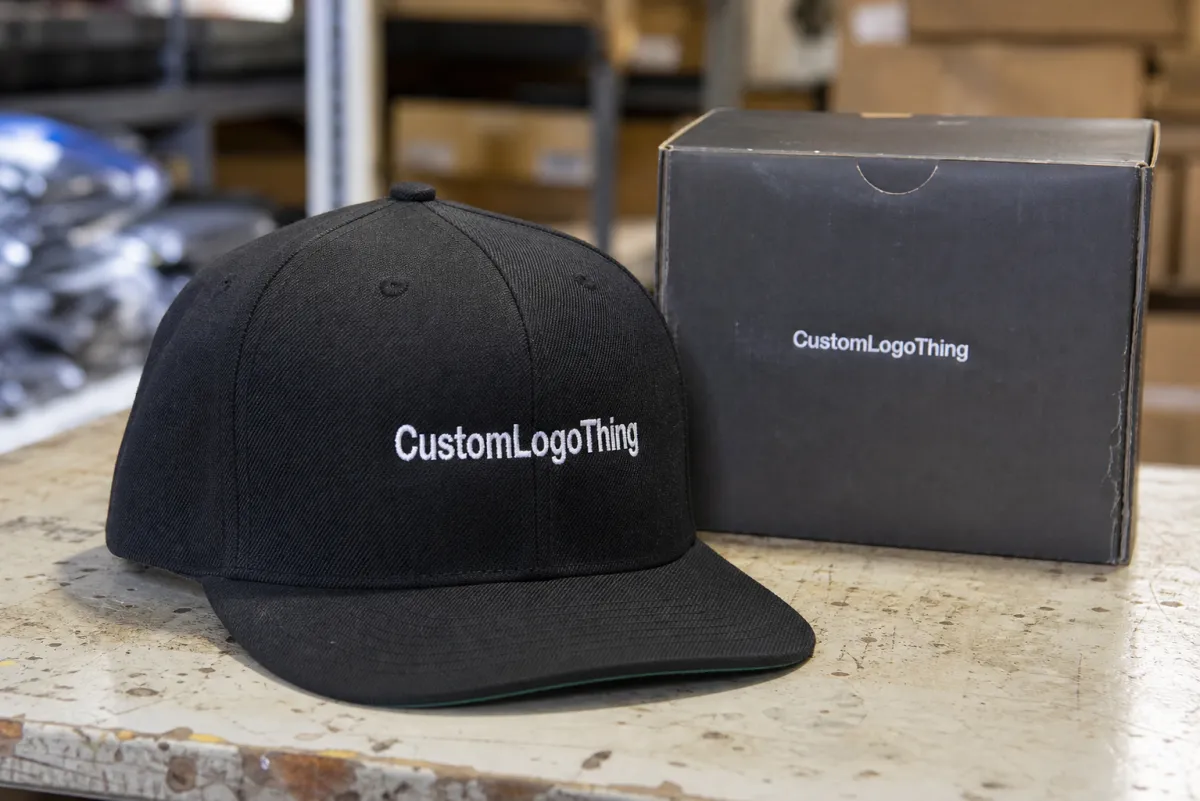
A generic promo cap is built to move fast and disappear. A private label cap is built to stay in a customer’s rotation. That difference shows up immediately in silhouette. The front should stand with confidence. The visor should feel intentional, whether it is dead flat or slightly pre-curved. The crown should look crisp rather than tired.
For a packaging buyer, the real value in a snapback Caps Private Label order is control. You are not limited to a blank base and a front logo. The cap can carry the brand across the sweatband, under visor, back closure, hang tag, carton mark, and inner taping. Those repeated details matter because people notice patterns before they notice a single line of branding. A cap that tells the same story in six places feels more complete than one that shouts in only one.
That logic is not just aesthetic. It is commercial. A cap that feels owned can support a higher perceived value, and perceived value affects sell-through. If two hats cost close to the same in production but one looks like a stocked blank and the other looks like a purpose-built product, the second one usually wins the shelf test. The margin comes from that gap.
A modest run can still look expensive when the spec is disciplined. A 300-piece order with a clean crown, even stitch counts, and one sharp woven label can read better than a much larger order that was treated like an afterthought. Price matters, but consistency changes the first impression faster. That is the part buyers sometimes miss because the spreadsheet only shows units, not impact.
Common use cases usually fall into a few buckets:
- Streetwear drops that need a polished, resale-friendly finish.
- Team merch where the cap has to look retail-ready instead of promotional.
- Retail capsules where the silhouette and label system must match the rest of the line.
- Event sales where the cap needs to move quickly and still feel collectible.
- Brand extensions where headwear is part of the identity, not a side item.
Giveaways can survive on a stock cap and a front print. A snapback Caps Private Label order has a different job. It should behave like a product launch. Style, decoration, quantity, and delivery date need to be set before anyone starts talking about “cheap” versus “premium.” Those words are too vague to help.
The best cap programs are the ones where the buyer settles the branding decisions early. Once the silhouette, label plan, and packing format are fixed, the rest of the run becomes much easier to control.
Snapback caps private label order: product details that matter
The standard snapback build is familiar because it works. A structured 6-panel crown keeps its shape. A flat visor gives the style its retail profile. The adjustable plastic closure makes sizing flexible. That base is simple, but the details around it determine how the cap reads in hand, on shelf, and in photos.
Decoration comes first. Flat embroidery is the most direct option for clean branding, especially when the budget is tight. 3D puff embroidery adds depth and usually signals a stronger streetwear position. Woven patches give a sharper edge and can hold finer detail than a dense stitch block. Leather patches, rubber patches, and mixed-media builds all push the cap toward a different price tier and a different brand story. There is no universal best choice; the method has to match the audience.
Fabric choice carries just as much weight. Cotton twill feels familiar and merch-friendly. Acrylic-wool blends often read more authentic on classic snapbacks. Polyester can help with color consistency and sourcing. Performance fabrics fit athletic or outdoor positioning, though they can shift the hand feel enough that the product no longer reads as a traditional snapback. That is not a flaw. It is a different category, and it should be priced like one.
Branding locations are where private label programs separate themselves from generic runs. A buyer can use:
- Front panel for the primary logo or patch.
- Side panel for a small mark, icon, or wordmark.
- Back for a short name, size mark, or secondary identifier.
- Undervisor for contrast branding or color blocking.
- Sweatband for print, size information, or an internal slogan.
- Inside taping for a more finished private label look.
- Hang tag for retail presentation and barcode use.
A stock base can be enough when the crown height, visor shape, and closure already match the brand. A custom build makes more sense when the silhouette itself needs to feel proprietary. That is common in retail capsules and premium streetwear, where even a small change in panel height or visor flatness can shift how the whole product reads. I’ve watched a buyer reject a sample simply because the front panel sat one degree too soft. It sounded picky. It wasn’t. The cap looked cheap.
If the program needs sewn-in branding, our Custom Labels & Tags page pairs well with a cap order. A correct inside label can finish the product without adding much cost, and it often improves the perceived quality more than a second logo hit would.
Specifications to lock in before production
Vague specs are the cheapest way to create a problem. A solid snapback caps private label order starts with a sheet that leaves little room for interpretation. Panel count, crown height, visor shape, brim curve, closure type, and stitch density should be written down before sample work begins. If a detail matters to the final silhouette, it belongs in the brief, not in a memory.
Color is the next trap. Buyers often say “black cap with gold logo,” but production teams need more than that. Pantone matching matters for embroidery thread and patch print. Contrast stitching can shift the perceived price point. Undervisor color can make the cap look modern or dated. A small change from warm gold to brighter yellow can alter the way the logo sits against the base fabric. That kind of mismatch is hard to fix after production starts because color is part material science, part visual judgment.
Fit deserves the same attention. Most snapbacks cover a useful head circumference range through the plastic closure, but the cap still needs to feel stable on the head. The sweatband material affects comfort. The internal structure controls whether the front panel stays crisp after repeated wear. If the cap is headed for retail, ask for fit consistency across the run, not just an acceptable sample. One good sample means very little if the bulk lot slips.
Packaging and compliance tend to slip into the conversation late, which is usually too late. Confirm whether the cap ships in individual polybags, whether each piece needs a size sticker, whether cartons require barcode labels, and how many units belong in each master carton. Export programs need shipping discipline. If you want protective transit testing or standardized carton validation, the frameworks from ISTA are worth reviewing. For cartons or hang tags that need responsible sourcing, FSC remains a clean reference point for certified paper-based materials.
One practical way to keep costs under control is to separate must-have specs from nice-to-have details. Must-haves are the logo method, base color, fit, and delivery date. Nice-to-haves are extra labels, special back embroidery, custom undervisor printing, and retail cartons. If the budget tightens, protect the core product first. A cap can survive without foil packaging. It cannot survive a bad fit or a misread logo.
Before the order moves ahead, the spec sheet should answer a few simple questions:
- What is the exact cap style reference?
- Which decoration method will be used on each location?
- What are the approved Pantone targets?
- What packaging format is required?
- What date does the goods need to leave the factory?
Those five answers prevent most of the avoidable back-and-forth. They also make the sample process feel less like guesswork and more like control.
Cost, pricing, and MOQ for your snapback caps private label order
Pricing usually comes down to five variables: cap base quality, decoration complexity, label placements, packaging, and freight. That is the short version. The longer version is more practical: setup time gets spread across the quantity ordered, so the unit cost falls as the run grows. A 200-piece order often looks expensive beside a 1,000-piece order even when the cap itself is similar.
Here is the math in plain language. If embroidery digitizing, patch cutting, and setup cost a fixed amount, that fixed cost hurts less at higher quantities. On a 300-piece order, a $150 setup fee adds $0.50 per cap before fabric, labor, and packaging. On a 1,000-piece order, the same setup adds only $0.15. Nothing magical happened. The overhead just got spread more thinly.
The MOQ exists because someone still has to digitize embroidery, cut patches, prepare labels, and set up the line. A simple embroidered snapback caps private label order is usually easier to open at a lower minimum than a patch-heavy build with multiple branding points. Fully custom silhouettes, special sweatbands, and branded cartons tend to raise the floor because they create more handwork and more points of failure.
Here is a practical pricing framework. These are common market-style ranges, not a promise, but they help with planning:
| Option | Typical MOQ | Approx. unit price | Best fit | Notes |
|---|---|---|---|---|
| Stock base, front embroidery, woven label | 100-300 pcs | $3.20-$5.50 | Early launches, simple retail tests | Fastest route if the silhouette already works |
| Stock base, 3D puff, side hit, hang tag | 200-500 pcs | $4.60-$7.80 | Streetwear and event sales | Stronger shelf presence, more setup time |
| Patch-led build with custom labels | 300-600 pcs | $5.50-$9.20 | Retail capsules and brand lines | Patch material and die-cutting add cost |
| Fully custom retail program | 500-1,000+ pcs | $7.50-$13.00+ | Longer-term branded collections | Best for buyers who need a distinct silhouette |
Compare quotes carefully. The easiest mistake is comparing two prices that do not describe the same product. One quote may include only a front logo and loose packing. Another may include a woven label, barcoded stickers, master carton marks, and a pre-production sample. Those are not equivalent offers, even if the unit price looks close at first glance.
Sample cost also needs to be clear. Some programs treat prototype fees as separate. Others credit the sample fee back into the bulk order once production is approved. A good quote should state whether sampling is refundable, whether revisions carry extra cost, and how many sample rounds are included before the order moves on. If that detail is missing, ask before approving anything.
If the order is moving toward higher volumes, the economics improve quickly. Our Wholesale Programs page explains how larger quantities usually shift the price ladder and why that matters for repeat buying.
For a buyer building a snapback caps private label order, the best quote is not the lowest headline number. It is the quote that names every component, shows the sample policy, and keeps freight and duties separate from the unit cost. That is what lets the purchase order stay honest. It also makes it easier to compare suppliers without getting fooled by an incomplete offer.
Production steps, timeline, and lead time for a snapback caps private label order
The workflow is straightforward on paper: inquiry, quote, mockup, sample approval, bulk production, quality control, packing, and shipment. In practice, each step depends on how complete the buyer’s brief is. The cleaner the initial file pack, the fewer loops the job needs later. A neat spec file can shave days off a schedule because nobody has to stop and ask whether the back closure is plastic, whether the label is woven, or whether the hang tag ships attached.
A realistic timeline for a stock-based snapback caps private label order is often 12-18 business days from sample approval to completion, before freight. More complex builds can move into the 20-35 business day range, especially if the project uses custom patches, special labeling, or strict Pantone matching. If the order needs new tooling or a custom silhouette, the schedule can stretch further. Peak season can add more pressure, so an estimate should always be tied to a specific approval date, not a vague “soon.”
Most delays come from the same handful of places:
- Artwork revisions after the first mockup.
- Slow sample sign-off.
- Fabric or trim sourcing issues.
- Late changes to packaging counts or carton labels.
- Unclear shipping instructions close to completion.
There is a reason buyers who send complete specs get better turnaround. Production teams do not have to pause and ask whether the visor should be flat or curved, whether the label is woven or printed, or whether the hang tag should ship attached or loose. Each unanswered question can cost a day. Multiply that by four or five small gaps and the schedule slips without any dramatic failure at all.
Write key dates into the approval email or purchase order. Confirm the deadline for sample comments, the start date for bulk production, the estimated completion date, and the planned shipping method. That matters for air and ocean freight alike. It also matters if the order is tied to a launch, trade event, or retail set date that cannot move. A production team can work miracles; they still cannot compress bad planning into a good outcome.
Quality control should not be an afterthought. A solid cap program checks logo placement, stitch consistency, closure function, label accuracy, color tolerance, and carton count before the goods leave the factory. For textile-related checks, many buyers look at ASTM-style test methods for seam strength, material consistency, and related performance markers. The point is not paperwork for its own sake. It is lowering the chance of avoidable returns and protecting the brand from a problem that could have been caught in the sample stage.
If you need a broader help desk for order details, artwork, and sample questions, our FAQ covers the usual production steps without the fluff.
Speed improves when the buyer sends the full brief up front. The order becomes a scheduling problem instead of a guessing game.
Why choose us and what to send next for a fast quote
Good suppliers do three things well: they protect quality, they communicate early, and they do not bury extra charges in the middle of the run. That matters more than glossy promises. A snapback caps private label order should feel controlled from the first quote to the final carton count. If the communication is vague before production, it usually gets worse after payment, not better.
Retail-ready execution is where the value shows up. Clean labeling, accurate color matching, durable stitching, and packaging that protects the visor in transit are not extras. They are the baseline. A cap that arrives with crushed crowns or off-register labels can turn a profitable order into a markdown problem very quickly. One bad carton can also create a chain reaction if the customer opens the box, sees the mistake, and starts checking every other unit.
What should you send for a fast quote? Keep it specific:
- Vector logo file in AI, EPS, or PDF.
- Cap style reference with a photo or sample link.
- Decoration method for each panel or location.
- Color targets using Pantone or clear visual references.
- Quantity by size, color, or style split.
- Target unit cost so the quote stays realistic.
- Delivery location and required arrival date.
- Packaging needs such as labels, hang tags, or retail cartons.
It also helps to say what matters most. If the cap must hit a specific retail price, say so. If the crown shape matters more than the logo size, say that instead. If you need a lower MOQ and can accept a stock base, say it plainly. Those trade-offs are normal, and clear priorities make better runs. The brief does not need to be fancy. It needs to be unambiguous.
For buyers building a repeat line, keep the quote itemized. Separate cap base, decoration, labels, packaging, and freight. That gives you a cleaner way to compare revisions later and makes repeat buying easier. It also protects margin because you can see exactly which component changed. That kind of visibility is what keeps procurement from turning into a guessing game six months from now.
Usually, the strongest orders are not the most complicated ones. They are the ones where the buyer knows the goal, sends the files once, approves the sample quickly, and keeps the production brief stable. That is how a snapback caps private label order moves from idea to confirmed job without wasting time or budget.
The most useful next step is not a bigger meeting or a longer email chain. It is a one-page spec packet with the cap reference, logo file, decoration map, Pantone targets, quantity split, packaging plan, and required ship date. If those seven pieces are locked before sampling, the order has a real chance of landing on time and looking right out of the carton.
FAQ
What is the usual MOQ for a snapback caps private label order?
MOQ depends on the decoration method and how much of the cap is custom versus stock. Simple embroidered private label runs are usually lower than patch-heavy or fully custom builds. Ask for tiered pricing so you can see where a larger quantity lowers the unit cost.
How does pricing change for a private label snapback cap order?
The biggest cost drivers are cap base quality, decoration method, label placements, and packaging. More complex front decoration or multiple branding locations increases labor and setup cost. Freight, duties, and sample charges should be separated from the unit price in the quote.
Can I add woven labels and custom packaging to snapback caps?
Yes, most private label programs can include woven labels, printed sweatband details, hang tags, and custom cartons. Each added component affects MOQ, Cost, and Production time, so approve them early. Ask for packaging mockups so the branding looks consistent across the cap and the box.
How long does a snapback caps private label order take from sample to shipment?
Timing depends on whether the base cap is stock and how many custom elements need approval. Sampling, revisions, and bulk production each add time, especially if artwork changes late. Confirm lead time in writing and build in cushion for freight, customs, or peak-season delays.
What files do I need to send for an accurate quote on snapback caps private label order?
Send a vector logo, target cap style, decoration method, quantity, and target delivery date. Include color references, packaging needs, and any must-have details like labels or hang tags. The more complete the brief, the faster the quote and the cleaner the first sample.


