A vitamin brand Poly Mailers Material guide sounds narrow until the first damaged shipment lands on a desk with a torn seam, a scuffed label, or a customer email about a crushed bottle. That is usually the moment the outer package stops looking like a branding decision and starts looking like what it really is: the last line of defense between product and refund.
For vitamin brands, the material has to do three jobs at once. It needs to protect the contents, hold up through transit, and still look like it belongs to the brand. Those goals do not always pull in the same direction. A mailer can look clean on a mockup and still fail in a tote bin, under compression, or after a long warm ride in the back of a truck.
Why vitamin shipments need more than a plain mailer
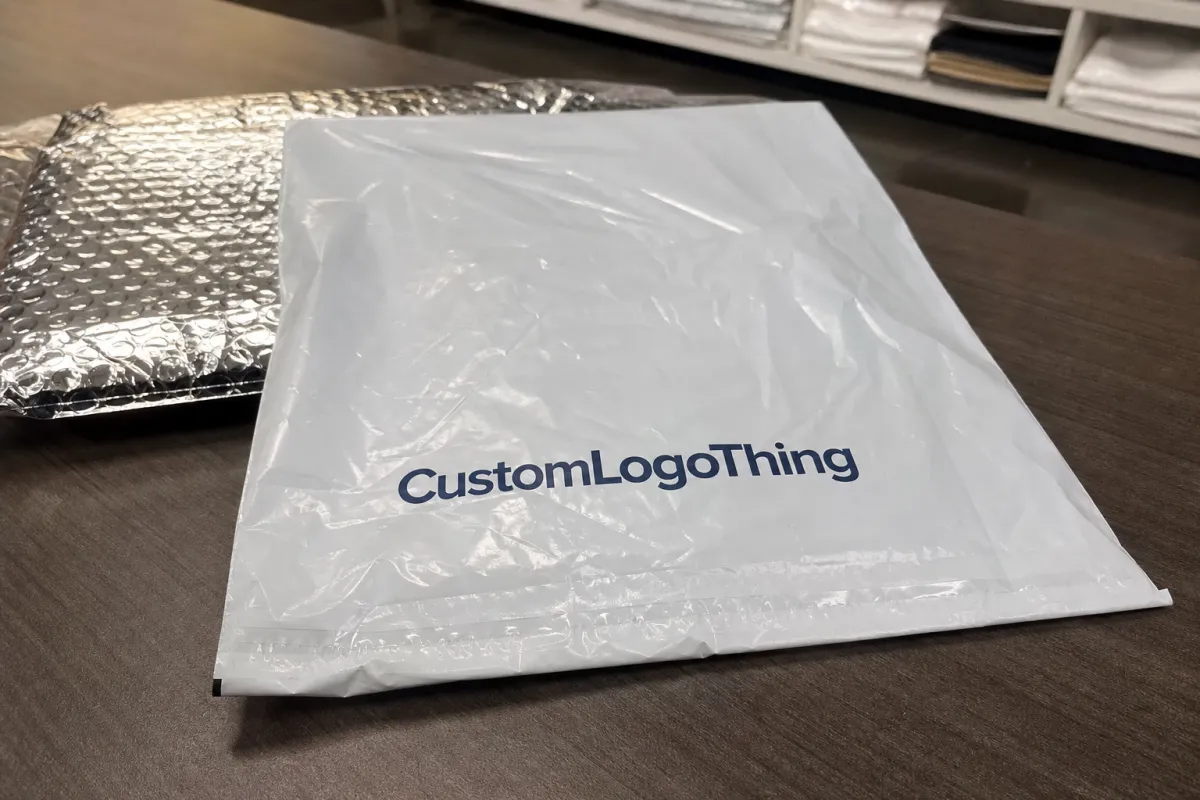
A plain mailer works for a flat, low-risk shipment. A light sachet, maybe. A rigid bottle, a gummy jar, or a subscription kit with inserts and promo cards is a different load entirely. That is where weak film, poor sizing, and marginal seals start showing up fast.
The outer mailer is not the product package. It supports the product package. If your vitamin already ships in a bottle, pouch, or carton, the mailer only has to stabilize that structure and protect it from outside stress. That means the buying decision should start with weight, puncture risk, and shipping conditions, not with surface effects or whatever sample happened to look nice under showroom lighting.
The failure modes are ordinary, which is why people miss them:
- Punctures from corners, caps, and bottle shoulders.
- Scuffing on glossy labels and dark artwork.
- Odor transfer when film is too open or inventory sits too long.
- Crushed boxes when the mailer is oversized and the contents can move around.
- Seal failures when adhesive strength or heat seal performance is weak.
From a packaging buyer's point of view, the order of priorities should stay fixed: protection first, branding second, price last. Reverse that order and the unit cost may look better for one line item while damage claims quietly eat the savings. That is not efficiency. That is a delayed expense with nicer artwork.
A mailer that saves three cents but doubles replacement orders is not a bargain. It is just an expensive problem with better print.
If you are deciding between formats, compare the actual shipping job, not the sales pitch. A vitamin SKU that ships in Custom Poly Mailers may need less structure than a boxed bundle. A heavier kit might belong in a corrugated carton, or in a mixed system that uses kraft paper inserts inside a mailer. Different problem, different answer.
Vitamin brand poly mailers material guide: PE, coex, and barrier films
The core material choice usually comes down to three families: single-layer PE, coextruded PE, and multi-layer barrier film. A serious vitamin Brand Poly Mailers material guide has to separate them because they behave differently in transit, during packing, and in storage.
Single-layer PE is the basic option. It is light, flexible, and usually the least expensive path for low-risk shipments. It works best for small pouches, flat inserts, or products that already have rigid inner packaging. The tradeoff is predictable: lower tear resistance and less forgiveness if the package gets snagged or overstuffed.
Coextruded PE is the practical middle ground. Multiple layers are bonded during extrusion, which improves puncture resistance, controls tear propagation better, and gives a cleaner print surface. For many vitamin shipments, this is the safest starting point because it balances cost and protection without adding complexity that the SKU does not need.
Barrier films add another layer of defense against moisture, odor transfer, and environmental exposure. They matter more for gummies, powders, and longer shipping windows, especially in hot or humid routes. They are not a cure-all, and they are not needed for every order, but they do matter when product stability is sensitive to outside conditions.
Opacity matters too. White opaque film gives privacy and a cleaner retail feel. Clear film can work for certain branded shipments or inspection-heavy workflows, but it offers little discretion. Tinted film sits in the middle and is often used when a brand wants a distinct look without exposing the contents.
Thickness is where buyers get misled. A 2.5 mil mailer can be fine for a lightweight powder pouch or sample pack. Once you move into heavier bottles, boxed bundles, or kits with empty space inside, 3.5 to 4 mil makes more sense. For rougher fulfillment conditions, or for shipments that move through multiple handlers, 4 mil and up is the safer zone.
Ask for the actual spec sheet. “Durable” is not a spec. “Premium” is not a spec. The useful details are concrete:
- Film type and layer structure.
- Gauge or mil thickness.
- Seal strength and adhesive type.
- Print surface and ink compatibility.
- Recycled content, if sustainability is part of the brief.
Recycled-content film can support a sustainability goal, but not every blend performs the same way. Post-consumer content helps the story, yet it still has to meet the shipping load. Biodegradable claims in this category are often vague; they tell you little about tear resistance, puncture performance, or seal reliability. If a supplier cannot explain how the material behaves under stress, the claim is mostly decoration.
For teams that want a technical benchmark, transit validation matters more than adjectives. ISTA testing remains a common reference point for shipment simulation, and its basic framework is useful to review at ISTA. For broader packaging references, packaging.org is a practical industry source. If your program also includes cartons or inserts, FSC certified paper components can still matter even when the outer mailer is PE-based.
Surface finish affects the brand impression more than many buyers expect. Matte white hides scuffs better than gloss. Dense black can look sharp, but it also shows folding marks and print defects faster. That is the odd truth of packaging: the nicer the finish, the less forgiving it can be.
How the material protects powders, gummies, and bottles in transit
The material is only one part of the system. A good mailer has to resist puncture, keep the seal intact, and survive flexing without splitting when stacked or dropped. That is why a vitamin Brand Poly Mailers material guide cannot focus on print quality alone.
Different vitamin formats create different stress points:
- Pouches and powders need moisture control and enough stiffness to avoid crease damage.
- Gummies are more sensitive to heat exposure, odor transfer, and package crush than to hard impact.
- Bottles and jars create point pressure, especially around caps and corners.
- Subscription kits create empty space, which means the contents can move and abrade the inside of the mailer.
Heat is a quiet problem. A package sitting in a delivery truck or warehouse can get warm enough to soften film and reduce adhesive performance, especially if the mailer was already close to its limit. Humidity matters too. A product that is stable in climate control may still travel through damp summer routes that change how the film feels and how the seal holds.
Fulfillment operations change the equation as well. Manual packing is one thing. High-speed packing lines, automated sorting, and dense tote bins add friction and compression that do not show up in a sample room. If the team just barely forces the product into the mailer, the failure may not appear until the package reaches handling equipment. Testing the real packed unit is more useful than looking at an empty sample on a desk.
Fit is a structural issue, not a cosmetic one. If the product has a rigid inner container, the outer mailer can be lighter, but only if the fit is tight and the seal is strong. If the product is soft, irregular, or likely to shift, step up the gauge and reduce empty space. That one choice often lowers return rates more than a more elaborate print ever will.
There is also a brand effect that is easy to underestimate. If the mailer fits well and stays clean, the unboxing feels deliberate. If it arrives bloated, wrinkled, or split at a corner, the customer does not think about film structure. They think the brand cut corners. That judgment is quick, and it is usually final.
Cost, MOQ, and unit pricing: what changes the quote
Pricing is where expectations tend to drift. The quote is usually driven by material thickness, film structure, size, print coverage, adhesive quality, and order quantity. Add recycled content, a barrier layer, or a special surface treatment, and the price moves. Nothing mysterious there.
A vitamin Brand Poly Mailers material guide that ignores MOQ is incomplete. Lower quantities usually carry higher unit costs because setup work is spread over fewer pieces. Larger runs lower the per-unit price, but they also tie up cash and warehouse space. That tradeoff is real, even when procurement teams try to talk around it.
| Tier | Typical structure | Approx. unit price at 5,000 pcs | Best for | Tradeoff |
|---|---|---|---|---|
| Budget | 2.5-3 mil single-layer PE | $0.18-$0.28 | Light pouches, low-risk flat shipments | Less puncture resistance and less margin for rough handling |
| Mid-tier | 3-4 mil coex PE | $0.26-$0.42 | Most vitamin DTC shipments, small bottles, subscription kits | Higher cost, but usually the best balance of price and performance |
| Premium | 4-5 mil multi-layer barrier film | $0.42-$0.75 | Heavy kits, moisture-sensitive products, premium packaging programs | Best protection, but easy to overspend if the SKU does not need it |
Those ranges move with size, print colors, and freight, so treat them as planning numbers, not promises. A larger mailer with full-bleed graphics can cost noticeably more than a smaller one with one or two colors. Stronger adhesive also adds cost, but that is usually cheaper than replacing damaged stock. That is the kind of math packaging buyers learn to respect.
Overspending is usually obvious in hindsight. A brand orders premium construction for a light product that ships flat, or it loads a simple shipper with five colors and special finishes. The package looks nice. The SKU does not need that much packaging drama. If the product is $12 and the mailer is trying to be the main event, the economics are probably off.
Some brands decide the outer pack should be a box instead of a mailer. That can make sense for a fragile kit, especially if the route is rough or the contents include multiple hard components. If the goal is outer protection plus brand presentation, comparing formats through a broader packaging range like Custom Packaging Products is more useful than forcing every SKU into the same shell.
For teams weighing multiple structures, simple comparisons usually work better than glossy sales decks. The right decision is the one that keeps damage low and margins predictable. Packaging is one of the few spend categories where the cheapest option can be the most expensive outcome.
Process and lead time: from sample approval to dock delivery
Production is straightforward if the spec is clear. The problem is that “clear” still requires a series of decisions, and every delayed decision pushes the schedule. Artwork changes after proof approval are especially expensive in time.
- Spec confirmation: lock size, film structure, thickness, seal style, and print method.
- Artwork setup: place logos, warnings, return information, and any privacy copy.
- Proofing: review dielines, print placement, and color expectations.
- Sample review: check hand feel, seal strength, and fit with the real product.
- Production: run the order once the proof is approved.
- Packing and freight booking: confirm carton counts, palletization, and shipment method.
For custom runs, a realistic timeline is often 12-18 business days from proof approval to production completion, assuming no major revision cycle. If the order needs special sizing, barrier film, or a harder-to-source recycled material mix, add time. Sample turnaround can also stretch if the structure is new or if the print method needs adjustment.
Freight is its own variable. Domestic ground can be fast enough for replenishment, while ocean freight or cross-border shipping adds more uncertainty. If a launch date matters, build buffer time into the schedule. That is not pessimism. It is a way to avoid paying for air freight because a size check happened too late.
The fastest projects are the ones where the buyer gives exact inputs up front: product dimensions, packed weight, shipping method, expected monthly volume, and whether the brand needs moisture resistance or privacy. If those details are vague, the quote will be vague too. Packaging teams can work with uncertainty, but they charge for the extra back-and-forth.
Requesting more than one sample gauge is also useful. A 3 mil and a 4 mil film can feel similar in the hand and behave very differently under load. Sample approval is not a formality. It is the cheapest quality-control step available before a full production run.
Common mistakes that cause leaks, tears, and brand damage
The classic mistake is choosing a mailer by appearance. The second classic mistake is choosing it by price alone. Both are common, and both tend to get discovered only after something breaks.
Start with load weight. A mailer that works for a light pouch may fail when the same line ships a bottle bundle with hard edges. Then check seal strength. A weak seal is a small defect until the package is compressed or flexed. After that, look at size. Too much empty space invites movement, and movement causes abrasion, edge pressure, and split corners.
Print quality can cause trouble too. Heavy coverage can hide scuffs, but it can also create ink issues if the surface is not matched correctly. Low-quality adhesives may peel. Dark backgrounds can make shipping labels harder to read. If the warehouse scans labels at speed, that detail matters more than a pretty mockup.
Another miss is not matching the mailer to the fulfillment flow. High-speed packing lines, automated sorters, and tote-heavy operations add stress that looks minor in a sample room and ugly in the real world. If a third-party warehouse is handling the order, ask what the package will actually pass through before the spec is locked. Guessing is a very expensive hobby.
Failure audits should use actual evidence. Read return notes. Review damaged-in-transit photos. Compare failure rates by SKU, not by impression. If one bottle line keeps crushing and another does not, the difference is usually in load shape or internal space, not in customer mood. Packaging data beats packaging opinions more often than teams like to admit.
Do not confuse sustainability claims with protection. Recycled materials can support a better sourcing story, and FSC certified paper can matter for inserts or companion cartons, but neither fixes a weak seal. A package can be greener and still fail. That is a hard lesson, but it is a cheaper one when learned on paper.
What to specify before you order, plus the next steps
Before placing an order, define five things: product weight, shipping method, protection level, privacy needs, and moisture exposure. Once those are set, the material choice gets much easier. If the product is a lightweight pouch, the answer may be a lighter coex film. If it is a glass bottle or a premium kit, the answer usually moves up in thickness and structure.
The simplest buyer checklist looks like this:
- Confirm packed dimensions and total weight.
- Decide whether the mailer needs opacity or a barrier layer.
- Request samples in at least two gauges.
- Compare quotes against the same spec sheet.
- Ask for production and freight timelines in writing.
That last point matters more than people admit. A quote without the exact film structure, thickness, and seal detail is not a real comparison. It is a teaser. If one supplier is pricing thinner film and another is quoting a stronger construction, the numbers are not comparable yet. You are evaluating paperwork, not packaging.
If you want to narrow the field quickly, put the product type next to the spec. Small gummies, powders, and bottles do not all want the same structure. The right answer is the one that keeps claims low and presentation clean. That tends to be more useful than chasing the most elaborate finish in the catalog.
For vitamin brands, the best packaging decisions are usually the least dramatic ones: tight fit, honest thickness, solid seal, and a print system that still looks good after rough handling. That is the point of a vitamin brand Poly Mailers Material guide: protect the product, protect the margin, and make the shipment feel intentional rather than improvised.
What material is best for vitamin brand poly mailers?
For most vitamin shipments, coextruded PE is the safest starting point because it balances tear resistance, seal strength, and price. If the product is heavier, fragile, or sold in premium kits, move up to a thicker multi-layer film with better puncture resistance. A useful vitamin brand poly mailers material guide always starts with the load, not the artwork.
Do vitamin poly mailers need a barrier layer?
Not every order needs one, but barrier layers help when vitamins are exposed to humidity, odor transfer, or longer transit times. Barrier film matters more for powders, gummies, and products stored in hot or damp environments. If the inner container is already sealed well, the mailer can stay simpler and cheaper.
How thick should a custom vitamin poly mailer be?
Lightweight shipments often work in the 2.5 to 3 mil range, while heavier or more fragile kits usually need 4 mil or more. The right thickness depends on load weight, how much empty space is inside the package, and how rough the fulfillment process is. Ask for samples in more than one gauge before you lock the spec.
What affects the cost of vitamin brand poly mailers most?
Material structure, thickness, size, print complexity, and MOQ usually move the price more than small artwork changes. Special features like barrier layers, recycled content, or stronger adhesives can raise the unit cost but reduce damage claims. Always compare quotes using the same spec sheet or the numbers are not useful.
How long does custom production usually take?
Sample approval and proofing can move quickly, but production usually takes longer once artwork and specs are locked. Custom runs often need extra time for tooling, print setup, and freight scheduling, especially if the order has special sizing. Build in buffer time so a launch date does not get derailed by a shipping delay.

