Soap Pom Pom Beanies Digital Proof Checklist: What Buyers Are Really Approving
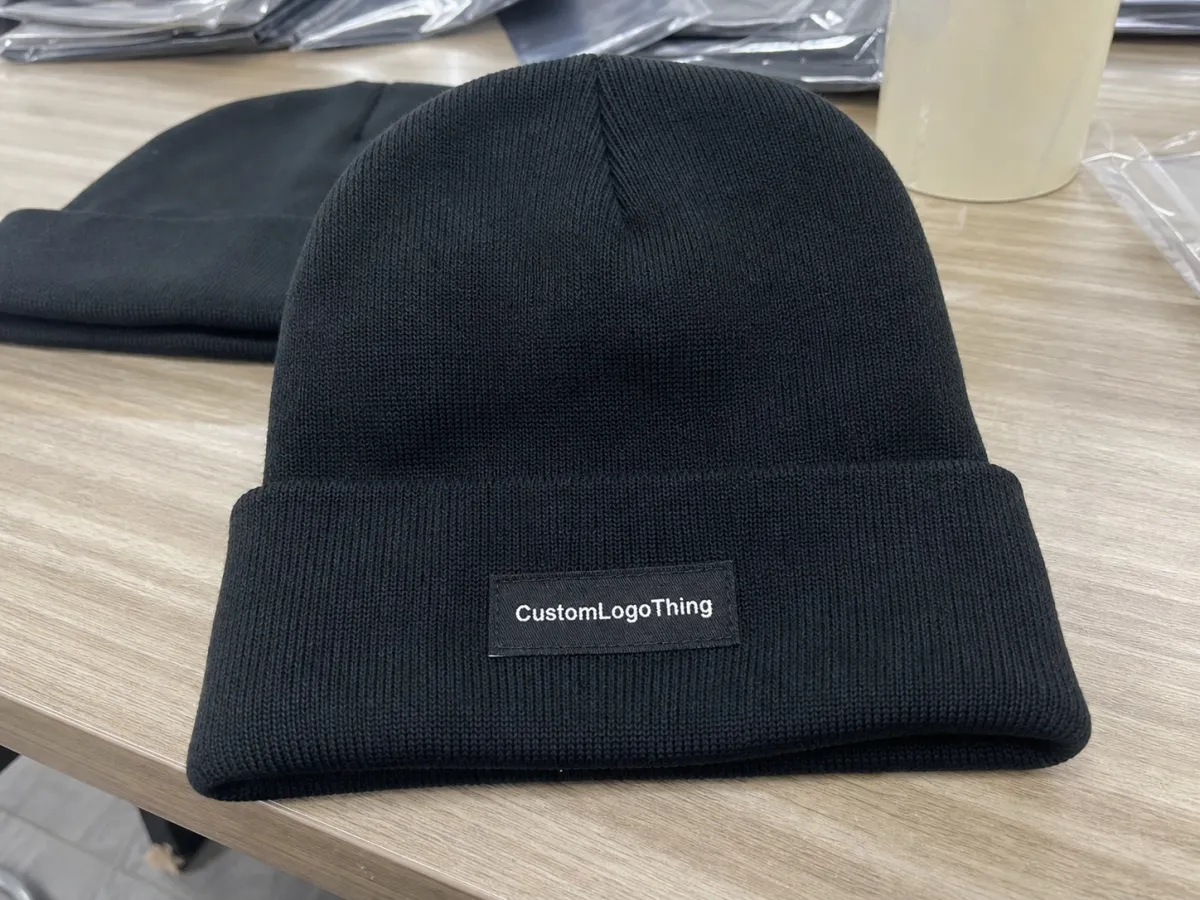
Most custom beanie mistakes are approved on screen before they ever reach a knitting machine. A soap pom pom beanies Digital Proof Checklist slows the buyer down just enough to catch the details that become expensive later: logo placement, cuff height, pom color, label type, packaging notes, and ship instructions.
A digital proof is not just a mockup. It is the written production record. It can define thread colors, beanie body color, pom-pom color, patch size, label position, carton marks, individual bagging, and sometimes how the beanies are grouped for split delivery. For a soap or personal care brand, that proof functions a little like final approval on a carton dieline. The front-facing artwork matters. So do measurements, material notes, finishes, and warnings about what the chosen process can and cannot reproduce.
Imagine a small-batch skincare company ordering 1,000 winter promo beanies for a holiday gift box. The brand mark is a soft cream logo over a spruce green ribbed knit. Clean on screen. Muddy in thread. Once the embroidery sits on textured rib knit, thin lettering fills in, the tiny botanical icon loses its edge, and the beanie starts to feel more like generic merchandise than a controlled brand extension.
Soap brands have a particular reason to be fussy. Their retail presentation often depends on restrained color families: oatmeal wraps, blush labels, charcoal typography, kraft cartons, FSC-certified board, fragrance-coded bands, and ingredient-led positioning. A beanie that drifts two shades too bright can make a premium soap set feel less curated. A pom that looks playful in isolation can fight the quiet, apothecary-style packaging beside it.
Most proofing problems come from treating the review as a design formality. It should feel more like checking a packing list before a shipment leaves the dock. SKU, color, size, count, label, destination. No romance. Verification.
Proofing rule: if a detail affects how the beanie looks, costs, ships, or gets reordered, it belongs on the proof or in the written approval notes.
How the Digital Proof Process Works Before Beanie Production
The process usually starts with the buyer sending logo files, product specs, quantity, target beanie color, decoration method, label requirements, packaging requests, and delivery deadline. Vector artwork is preferred, usually AI, EPS, or editable PDF. Raster files can work for reference, but a low-resolution PNG pulled from a website often creates extra cleanup, especially for embroidery digitizing.
The manufacturer then turns those inputs into a digital proof. For custom pom pom beanies, that proof normally shows logo placement, embroidered or woven artwork dimensions, beanie body color, pom color, cuff treatment, tag position, and notes for polybags or carton labels. If Custom Logo Things is shaping the order, the proof should match the production route described in the quote and the relevant Manufacturing Capabilities, not merely the buyer's first wish list.
Three proofing terms get mixed up constantly. A digital proof checks layout and written specifications. A physical sample lets a buyer inspect real materials, stitch behavior, texture, and approximate color in hand. A pre-production sample is closer to the final manufacturing setup and can confirm how approved artwork behaves before bulk production. Not every order needs all three. A 144-piece giveaway usually cannot carry the same sampling burden as a 5,000-piece retail program.
Digital proofs are useful for proportion. They are weaker for hand feel, stretch, yarn texture, and real-world stitch density. A mockup can show a 2.25-inch logo centered on a cuff. It cannot fully show how that logo curves across rib knit after someone pulls the beanie over thick hair, a winter hood, or a high ponytail.
Approving a proof without checking specs is like approving a soap label without reading the ingredient panel. The front design is only half the document. The quiet fields matter: net weight, batch code area, barcode, warning copy, substrate, finish, and carton count. For beanies, the quiet fields are thread color codes, cuff height, patch material, packing method, and ship date.
Once the proof is signed off, it usually becomes the production reference. Every unchecked assumption travels downstream. The purpose of a soap Pom Pom Beanies Digital Proof checklist is to give buyers a structured way to say, “Yes, this is the version we mean.”
Logo, Color, Cuff, and Pom Details to Inspect Closely
Start with the artwork file version. Is it the final logo, or the old lockup from last season's label refresh? Check spelling, icon direction, trademark marks, line thickness, and small text. If the logo contains gradients, shadows, or hairline botanical details, ask how those elements will be simplified for embroidery, woven labels, or patches.
Decoration has limits. Direct embroidery can look premium, but tiny lettering under roughly 0.20 inches tall often closes up. Woven labels can hold more detail, although very low-contrast palettes still blur from a normal viewing distance. Leatherette patches create a warmer retail feel, but they add material choices, deboss depth, edge shape, and attachment stitching to the approval list.
Color needs its own pass. Compare Pantone references, available yarn colors, thread charts, and patch materials. Screen color is not proof of yarn color. Cream, oatmeal, charcoal, sage, clay, blush, and muted blue can shift dramatically between monitor, thread, and knit body. Soap brands like those restrained shades because they signal natural ingredients and small-batch care, but they are also the shades where “close enough” can look wrong.
The pom-pom is not an afterthought. It is the highest visual point on the beanie, and it can either reinforce the brand palette or make the piece look like leftover stock with a logo added later. A matching pom feels quiet and retail-ready. A contrast pom can work if it echoes a fragrance family or seasonal campaign. A random pom reads cheap fast.
Cuff height changes logo performance. A tall cuff, often around 3 inches, gives embroidery more breathing room and better visibility in photographs. A short cuff can look sleek, but it may squeeze a 2-inch mark or distort the shape when worn. Confirm whether the cuff is folded, fixed, ribbed, or intended to be adjustable. Those words affect placement.
Try one blunt test: shrink the proof on screen until the beanie appears about the size someone would see from 4 to 6 feet away. Can the brand still be read? If not, a cleaner mark, larger patch, fewer colors, or different decoration method may be safer.
- Artwork: final logo file, spelling, icon direction, minimum line thickness, trademark marks.
- Color: Pantone references, thread chart names, yarn availability, contrast on rib knit.
- Placement: logo width, logo height, distance from cuff edge, centered or offset position.
- Construction: cuff height, fold style, pom color, label type, patch material.
Pricing, MOQ, and Unit Cost Questions to Ask Before Approval
Proof approval should not be separated from price. A buyer may approve a clean mockup, then discover the chosen patch, custom hangtag, individual bagging, and split shipments changed the unit cost. That is not a design problem. It is a purchasing control problem.
Cost drivers include beanie style, yarn quality, pom material, number of decoration locations, logo complexity, stitch count, patch material, label type, quantity, packaging, freight, and deadline pressure. A basic embroidered pom beanie at 500 pieces may land around $5.50 to $9.50 per unit depending on yarn, decoration, and packing. At 5,000 pieces, that might move closer to $3.25 to $6.25, but only if the decoration and freight plan stay efficient. These are working ranges, not guarantees.
Minimum order quantities are not arbitrary obstacles. They often reflect machine setup, material sourcing, dye lot control, decoration efficiency, and packing labor. If a buyer wants a custom yarn color, a custom woven label, and a retail hangtag, the MOQ may rise because the supplier has to coordinate more than one production input.
Compare two buyer choices. A one-color embroidered mark on a stock ribbed beanie keeps setup simple and cost predictable. A multi-color woven patch plus custom hangtag may lift perceived value in a gift box, but it also adds more approval points: patch artwork, patch thread colors, attachment stitching, hangtag stock, hangtag hole placement, and cord color.
| Option | Typical Use | Common Cost Impact | Proofing Risk |
|---|---|---|---|
| One-color embroidery | Promo beanies, staff gifts, simple logos | Lower setup and predictable stitch count | Fine lines and small text may close up |
| Woven label | Retail-style branding and detailed marks | Moderate cost; may require label MOQ | Low-contrast colors can lose readability |
| Leatherette patch | Premium gift boxes and outdoorsy brand cues | Higher material and attachment cost | Deboss depth and patch shape need approval |
| Custom hangtag and bagging | Retail display, influencer kits, subscription boxes | Adds packing labor and print cost | Missing tag specs can delay final packing |
Ask whether the quoted price includes digital proofing, revisions, setup, sample approval, individual bagging, carton labels, and delivery to one location or several. Freight can distort the cleanest spreadsheet. A low unit cost becomes less attractive if the beanies miss an event date, require repacking, or arrive without the carton marks your warehouse needs.
Standards matter here too. If the beanies are packed into retail gift cartons or subscription boxes, review basic transit assumptions against resources from groups such as the International Safe Transit Association. For paper hangtags, belly bands, or gift packaging, FSC claims should be checked against the Forest Stewardship Council rather than treated as a decorative logo.
Timeline and Turnaround: When to Review, Revise, and Approve
A realistic order path has more steps than the proof PDF suggests: inquiry, quote, artwork submission, proof creation, buyer review, proof revision, optional sample, production, quality control, packing, and shipping. For many custom beanie orders, digital proof creation may take 1 to 3 business days after usable artwork is received. Production after proof approval often runs 10 to 20 business days for common setups, with longer timelines for custom yarn, special patches, or large quantities.
The proof review stage looks short on paper. In practice, it can decide the whole schedule. A one-day delay in written approval may push the job behind another scheduled run. Seasonal accessories do not forgive late merchandising.
The bottlenecks are familiar: missing vector art, undecided thread colors, unclear delivery addresses, late purchase orders, and internal approval chains involving marketing, procurement, sales, and retail operations. One person wants the logo larger. Another wants the pom quieter. A third notices the hangtag copy was never approved. The clock keeps moving.
Assign one decision-maker to collect comments and send a single response. That person does not need to be the most senior person in the room. They need to be precise, reachable, and willing to compare the proof against the quote, purchase order, and brand file.
Rush orders can be possible, but speed removes cushions. Fewer days may mean no physical sample, fewer revision rounds, limited material choices, or higher freight costs. Not always. Often enough to ask directly: “What do we lose if we need this delivered by that date?”
A practical rhythm works well. Review the proof once for brand accuracy, once for product specs, and once for logistics. The first pass checks logo, color, and visual balance. The second checks beanie style, cuff height, pom, decoration size, and label type. The third checks quantity, price, ship-to address, carton notes, and required delivery date.
Common Proofing Mistakes That Make Custom Beanies Look Off
The first mistake is approving a logo at an unrealistic scale. Fine text, thin rules, and complex soap brand crests may look elegant at 6 inches wide on a screen. On a 2-inch embroidered area, they can turn into thread noise. If the design includes tiny words such as “apothecary,” “handmade,” or a full ingredient-inspired tagline, ask for a simplified version.
The second mistake is trusting screen color. Monitors glow. Yarn absorbs light. Thread reflects differently depending on twist and stitch direction. A pale cream logo on an oatmeal cuff may be tasteful in a brand deck and unreadable on a real beanie. Charcoal on heather gray can do the same thing.
The third mistake is ignoring stretch. A cuff is not a flat label panel. It bends, pulls, and bows around a head. A perfectly centered logo on the proof can appear higher, wider, or slightly arched when worn. For direct embroidery, dense stitch areas can also reduce stretch in that spot, which changes how the cuff sits.
The fourth mistake is forgetting packaging. Individual polybags, carton marks, hangtags, belly bands, and gift-box compatibility should be confirmed before production closes. A beanie that arrives loose may be fine for staff distribution. It may be wrong for a soap gift set where every item has to drop into a fixed-size carton or mailer. If the final box uses a 350gsm C1S sleeve with soft-touch lamination, the beanie presentation needs to respect that finish level.
The fifth mistake is approving from a phone only. Phones hide alignment issues, small spelling errors, and awkward proportions. Review on a larger screen, print the proof at approximate size if possible, and compare it to the purchase order line by line.
The data-minded argument is simple: the proof is the cheapest point in the production chain to fix an error. Before approval, a logo can be resized in minutes. After digitizing, sampling, or bulk production, the same change can cost setup fees, lost days, remade patches, or unusable inventory. A soap pom pom Beanies Digital Proof Checklist is not bureaucracy. It is loss prevention.
Build a Proof Review Routine Before You Sign Off
Build a small routine before approving any custom beanie order. Gather the final brand files, confirm the exact beanie style, list color references, choose the decoration method, review the proof at full size, and document every change in one place. That last part matters. Scattered email comments are how old logo files and half-approved color notes sneak back into production.
Create a simple internal review sheet with columns for artwork, product specs, color, placement, packaging, quantity, price, and delivery date. It does not need special software. A spreadsheet is enough. The value is discipline: every person sees the same fields, and every approval has a record.
- Check the proof against the latest logo file, not a screenshot from a brand deck.
- Confirm beanie color, pom color, cuff height, decoration size, and label or patch type.
- Match the quantity, unit cost, setup fees, and revision policy to the quote.
- Verify individual bagging, hangtags, carton labels, and ship-to details.
- Save the final approved proof with the invoice, purchase order, and reorder notes.
Request clarification if proof notes are vague. “Logo size as shown” is weaker than “logo width 2.25 inches.” “Cream thread” is weaker than a stated thread reference or approved closest match. “Standard cuff” is weaker than a measurement. The more subjective the note, the more room there is for disappointment.
Compare the proof against the purchase order and quote line by line. Quantity should match. Unit cost should match. Setup fees should match. Ship-to details should match. If the order involves multiple delivery points, confirm the split quantities and carton labels before packing begins. For broader decoration options, Custom Logo Things outlines useful production paths on its Manufacturing Capabilities page.
Save the final approved proof with the invoice or order record. Six months later, that file becomes the reference point for a reorder, dispute, or seasonal refresh. Buyers often remember the beanie they wanted. Production teams work from the version that was approved.
A soap Pom Pom Beanies Digital Proof checklist gives buyers a controlled way to approve custom beanies without relying on memory, guesswork, or a rushed email thread. It protects the logo, the packaging plan, the budget, and the delivery date in one careful review.
FAQ
What should be on a soap pom pom beanies digital proof checklist?
A soap pom pom Beanies Digital Proof Checklist should include logo version, decoration method, logo size, placement, beanie color, pom color, cuff height, thread or patch colors, label details, quantity, pricing, packaging, ship date, and delivery address. Check the proof against the quote and purchase order, not just against the artwork file.
Is a digital proof enough for custom soap brand pom beanies?
A digital proof is usually enough to approve layout, size, spelling, placement, and written specifications. Request a physical sample when color accuracy, yarn texture, embroidery density, or retail presentation is mission-critical, especially for premium gift boxes or retail shelves.
How many revisions should I expect before approving pom pom beanie artwork?
Many orders need one or two proof revisions, usually for logo size, color, placement, or label wording. To avoid delays, send consolidated feedback from one decision-maker instead of separate comments from marketing, procurement, and operations.
How does logo complexity affect the cost of custom pom pom beanies?
Complex logos can increase stitch count, setup time, patch requirements, or the need to simplify artwork. Small text, gradients, thin lines, and multiple colors often cost more or require a different decoration method such as a woven label or patch.
When should I approve the digital proof if I have a fixed event deadline?
Approve only after checking artwork, product specs, pricing, packaging, and shipping details, but do not let the proof sit in an internal approval loop. Ask the manufacturer for the latest safe approval date based on production lead time, quality control, packing, and transit.


