If you are sourcing packaging for a launch without tying up cash in cartons you do not need yet, Recycled Poly Mailers are often the practical choice. They give startup brands a branded outer layer, a lighter shipping profile, and a smaller storage footprint than rigid boxes. For apparel, accessories, and other non-fragile goods, that usually means a better balance of cost and presentation.
This startup brand recycled poly mailers Low MOQ Sourcing guide is meant to help you make a decision that survives contact with freight, setup, and inventory. Low MOQ sourcing is not about settling for weak packaging. It is about testing demand, protecting cash flow, and keeping the first order small enough to learn from. The right mailer supports brand identity, gives you room for visual branding, and still does the basic job of protecting the product.
Why Startup Brands Choose Recycled Poly Mailers at Low MOQ
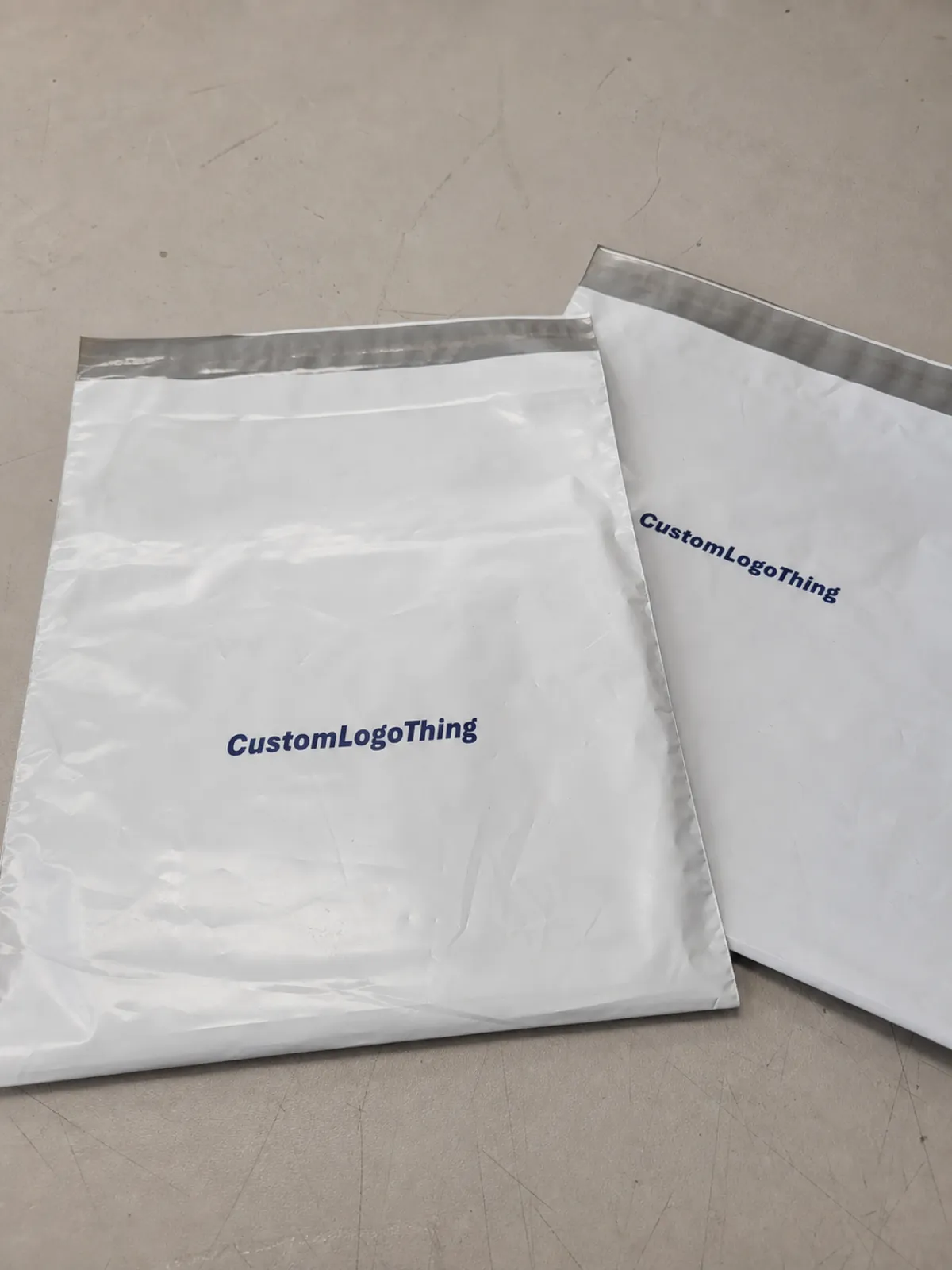
Most startup teams choose Recycled Poly Mailers because they need a branded pack-out without committing to a large box run. Mailers are flat, light, and efficient to store. That makes them easier to test in a new business than heavier packaging that eats space and cash.
A low MOQ also reduces launch risk. You can see how customers respond to the print, confirm that the size works in real fulfillment, and avoid sitting on excess inventory if the first version is wrong. For a first order, that usually matters more than shaving a few cents off the unit price.
There is also a practical tradeoff to keep in mind. A slightly higher per-piece cost can still be the smarter decision if it leaves more budget for inventory and marketing. Startup packaging should support the business model, not trap money in unused stock.
The cheapest-looking order is often the most expensive once freight, setup, and leftover stock show up.
If you already know you want a branded outer layer but do not want to overbuy, start with a Custom Poly Mailers quote and treat the first run as a test batch. If the size and print are right, you can scale with less guesswork.
For a transport benchmark, the ISTA standards are useful when you want to evaluate shipping performance instead of relying on sample photos. They are not glamorous, but they help you think about the package as a shipping component, not just a branding surface.
Recycled Mailer Product Details Buyers Should Verify
Recycled content is only one part of the decision. The bag still has to function. Verify the film feel, opacity, seal strength, and whether the material suits apparel, accessories, or other non-fragile goods. A mailer can be recycled and still feel weak if the gauge is too light or the seal area is poor.
Ask the supplier exactly what recycled-content claim is being made. Post-consumer, post-industrial, and blended recycled content are not the same thing, and they do not communicate the same value to a buyer. If the supplier cannot explain the claim clearly, the spec is not ready.
Print method matters as much as the film. A simple one-color logo is usually the cleanest low-MOQ path because it keeps setup easier and proofing faster. Full-color branding can work, but it usually raises cost and adds more approval risk. Matte often looks more premium and hides scuffs better, while gloss can make color pop more strongly. Choose based on the brand and the use case, not just the sample that looked best on a screen.
Functional details that save you headaches
- Peel-and-seal strip: Check adhesive grab in normal storage conditions.
- Tear notch: Useful for repeat apparel orders and easier opening.
- Side seams: Cleaner handling and fewer split bags.
- Opacity: Important if the contents should not show through.
- Seal area: Weak seal zones are where cheap quotes fail later.
According to the EPA’s materials guidance, recycled-content claims should be clear and defensible, not vague branding language. If you want a starting point for recycled wording, the EPA Sustainable Materials Management pages are a solid reference. They will not choose the bag for you, but they help keep the claim honest.
Do not rely on sample photos alone. A bag that looks fine on white background can still have weak opacity, a seal that feels thin, or print that shifts once the film stretches. Verifying details before approval prevents re-quotes later.
Size, Thickness, and Print Specs to Lock Before Quoting
Before requesting pricing, measure the packed product first. Use the actual folded dimensions, not the catalog size, and add tolerance for the way the product behaves in the bag. A mailer that is too tight slows fulfillment. A mailer that is too large wastes material and looks sloppy.
The core specs are straightforward: width, length, film thickness, print area, color count, and whether the design needs extra depth or expansion. Lock those down early and you will avoid most of the quote churn that slows low-MOQ sourcing.
Thickness affects both feel and puncture resistance. A lighter gauge can work for soft apparel in controlled shipping lanes. A heavier gauge is worth considering when the parcel is more likely to be handled roughly. The cheapest gauge is not always the best value if damage or returns increase.
For artwork, keep the logo in a clear safe zone, leave room for bleed, and ask whether white ink is needed for the recycled film base. If the design is too close to the edge, the proof may look fine while the finished bag feels cramped. Good proofing should make the final bag easier to approve, not harder.
Clear specs also make supplier comparisons meaningful. You can only compare two quotes if they are based on the same size, gauge, print area, and packing configuration. Otherwise you are comparing different products and pretending the numbers mean the same thing.
Fast spec sheet checklist
- Finished product dimensions
- Target mailer width and length
- Film thickness range
- Print colors and placement
- Matte or gloss finish
- Delivery zip code and freight preference
If you need a broader packaging benchmark while you gather specs, the Custom Packaging Products page helps place mailers alongside other launch options.
Low-MOQ Pricing, Unit Cost, and Quote Drivers
Recycled mailer pricing usually breaks into a few buckets: material grade, size, print complexity, total quantity, and shipping configuration. That is the actual cost structure, not the simplified version that leaves out freight or setup.
Lower MOQ usually means a higher unit cost. That is normal. Setup is spread over fewer pieces, so the per-bag number rises. The upside is lower risk and less dead stock. The downside is a higher price per unit. For a first order, that tradeoff is often worth it.
Hidden costs matter. Sample charges, artwork prep, plate or file setup, and freight can move landed cost more than the bag itself. Buyers often compare a one-line quote and miss the freight bill that changes the result. The landed cost is what matters.
| Option | Typical MOQ | Indicative Unit Cost | Best For | Main Tradeoff |
|---|---|---|---|---|
| Stock recycled poly mailer | 500-1,000 pcs | $0.12-$0.20 | Fast launch tests | Less brand control |
| Custom one-color recycled mailer | 1,000-3,000 pcs | $0.18-$0.32 | Starter brand recognition | Setup adds time |
| Custom full-color recycled mailer | 3,000-5,000 pcs | $0.28-$0.55 | Stronger visual branding | Higher cost and proof complexity |
Those numbers are directional and usually change with size, gauge, print coverage, and freight. Bigger bags with more ink will sit at the top of the range. Simpler bags with one-color print will sit lower. Ask for tiered pricing at two or three quantities so you can see where the real unit-cost drop starts.
A quote is only cheap until you add freight, samples, and stock you cannot use.
If you want a better comparison, ask for landed cost, not just ex-factory pricing. Ask whether sample credits are available and whether the supplier can re-quote if quantity shifts slightly. That tells you more about the supplier than the headline number does.
Production Steps and Lead Time for First Orders
The first order usually moves through quote, proof, sample if needed, approval, production, inspection, and shipping. It sounds simple, but most delays come from incomplete artwork, unclear recycled-content language, or last-minute size changes after proofing.
Lead time depends on the order type. Stock-style mailers move faster. Custom printed runs take longer because artwork and setup need sign-off. If a sample round is required, add more time. That is the reality of first-order packaging work.
Freight affects the calendar too. Air is faster and more expensive. Ocean is cheaper and slower. If your launch date is fixed, start earlier than your instinct tells you to. Startup teams often plan packaging as if it appears immediately after a meeting. It does not.
For the first run, keep one person responsible for approvals. Too many comments from too many people create delay and increase the chance of conflicting instructions. Tight approvals reduce errors and help the order move without drifting.
A practical planning range for many custom mailer projects is 12-15 business days after proof approval for simple runs, longer if sampling or special print work is involved. Treat that as a planning baseline, not a promise, and build buffer into the launch schedule.
How to Compare Suppliers Without Guessing
Do not compare price first. Compare proof quality, material disclosure, and responsiveness. If a supplier cannot explain the recycled-content claim, cannot answer basic print questions, or takes days to respond to a simple spec check, the low quote is probably bait.
Good suppliers tell you how the bag is made, what the recycled-content claim means, and where the risk points are. Better suppliers also point out print limitations before production starts. That saves rework and keeps the outer bag aligned with the brand.
Ask whether the supplier can support reorders using the same approved spec. Ask how they handle revision limits. Ask how quickly they can send a sample or reference photo. If they only care about the first order, that is a warning sign.
You should also ask how the bags are protected in transit. Thin cartons, loose stacking, and rough handling can damage a shipment before it reaches your warehouse. If the vendor cannot explain the packing method, you are not buying packaging. You are buying risk.
For startups, the best supplier is not the one with the prettiest quote. It is the one that reduces rework and keeps brand consistency across repeat orders. If you want a sanity check on supplier claims, the Case Studies page is more useful than another glossy brochure.
There is a simple test here: if the vendor can handle a test run, answer spec questions clearly, and support reorder continuity, they are probably worth keeping. If not, move on.
What to Send for a Fast Quote and Sample Check
Fast quotes come from complete information. Send the packed product size, target quantity, print colors, recycled-content preference, and delivery zip code in one message. The less the supplier has to guess, the fewer quote revisions you will need.
Attach artwork as vector files when possible. PDF, AI, or EPS is better than a low-res screenshot pulled from a presentation. Include brand color references and placement notes. If you want the logo centered a certain way, say so before the proof stage.
For sample checks, ask what to inspect before approval: feel, opacity, seal quality, print placement, and whether the bag closes cleanly after a few test packs. That list is basic because the failure points are basic.
If you are still choosing between package types, tell the supplier whether the order is a test volume, launch volume, or cost-optimized volume. Those goals do not always point to the same spec. A test run may favor a smaller MOQ and simpler print. A launch run may justify stronger presentation and more coverage.
- Prepared product dimensions
- Quantity target and backup tier
- Artwork files and color references
- Delivery location
- Any opacity or seal requirements
- Preferred sample timeline
If you need a quick buyer reference for common order questions, the FAQ page can help your team avoid asking the same basics twice.
Launch Checklist for Recycled Poly Mailers at Low MOQ
Before you place the order, lock six things: size, thickness, artwork, quantity, lead time, and freight method. That is the core checklist. Everything else matters less until those six are correct.
Decide what the first order is meant to do. Test demand, support a launch, or optimize cost per unit. If you do not answer that question, the spec will drift and the quote will keep changing. The right goal makes the order easier.
Capture the approved spec in writing so the reorder does not start from zero. Many startup teams lose time by approving a sample, shipping the launch, then digging through old emails to find the exact size. Keep the approved details in one place.
For a clean close, send specs and artwork together, request a landed-cost quote, and ask for a sample timeline in writing. If the supplier can give you those three things clearly, you have a workable sourcing path. If they cannot, keep looking.
That is the point of this startup brand Recycled Poly Mailers low moq sourcing guide: help you buy the right bag once, not just the cheapest one in a spreadsheet. Start with the product, confirm the print, price the landed cost, and keep the first run small enough to learn from.
What is the typical MOQ for startup brand recycled poly mailers low MOQ orders?
MOQs vary by print method, size, and color count, but low-MOQ programs are usually built for startup test runs and first launches. A smaller MOQ normally raises unit cost, but it lowers cash tied up in inventory and reduces the risk of overordering. Ask suppliers for tiered pricing so you can compare a true test order against the cost of a slightly larger buy.
How much do recycled poly mailers cost at low MOQ?
Cost is driven by bag size, film thickness, print complexity, and quantity, not just the word recycled. Setup, proofs, and freight can move the landed cost more than the per-piece price, so compare total delivered cost. Request pricing at two or three quantity tiers to see where the unit cost starts to drop.
Can recycled poly mailers be custom printed for a startup brand?
Yes, most suppliers can print logos, messaging, or simple branding on recycled poly mailers. Single-color print is usually the easiest low-MOQ option, while full-coverage or multi-color work pushes cost and lead time up. Send vector artwork and clear placement notes to avoid proof delays.
How long does first-order production usually take?
Lead time depends on sampling, proof approvals, and whether the order is stock-style or fully custom. The first order is usually slower than reorders because the artwork and specs need validation before production starts. Freight choice matters too; air is faster, ocean is cheaper, and neither changes a bad approval process.
What details should I prepare before requesting a quote?
Prepare packed product dimensions, target quantity, recycled-content preference, print colors, and delivery location. Include artwork files, brand colors, and any requirements for opacity, seal strength, or matte versus gloss finish. The more complete the spec sheet, the fewer quote revisions you'll need.


