A recycled mailer can look polished in a mockup and still fail under show conditions. A Trade Show Giveaway Recycled Poly mailers production quality checklist keeps the decision tied to things that matter on the floor: seal strength, print holdout, carton packout, and whether the bags arrive looking intentional instead of tired.
That matters because trade show giveaways are judged fast. A buyer may spend three minutes on a lunch break choosing between suppliers, but attendees usually spend three seconds deciding whether a branded handout feels useful. A bag that curls, scuffs, or splits turns a modest branding cost into a visible miss. A bag that survives handling, stacks neatly, and keeps the artwork clean does the opposite: it quietly signals that the brand understands production, not just design.
From a packaging buyer's point of view, the stakes are practical. One weak seal can ruin a carton. One late freight booking can wipe out the best artwork in the world. One recycled-content claim that is vague on paper can become a procurement problem later. The useful checklist is less about paperwork and more about catching small failures before they become booth-day losses.
What the checklist catches before the show floor does
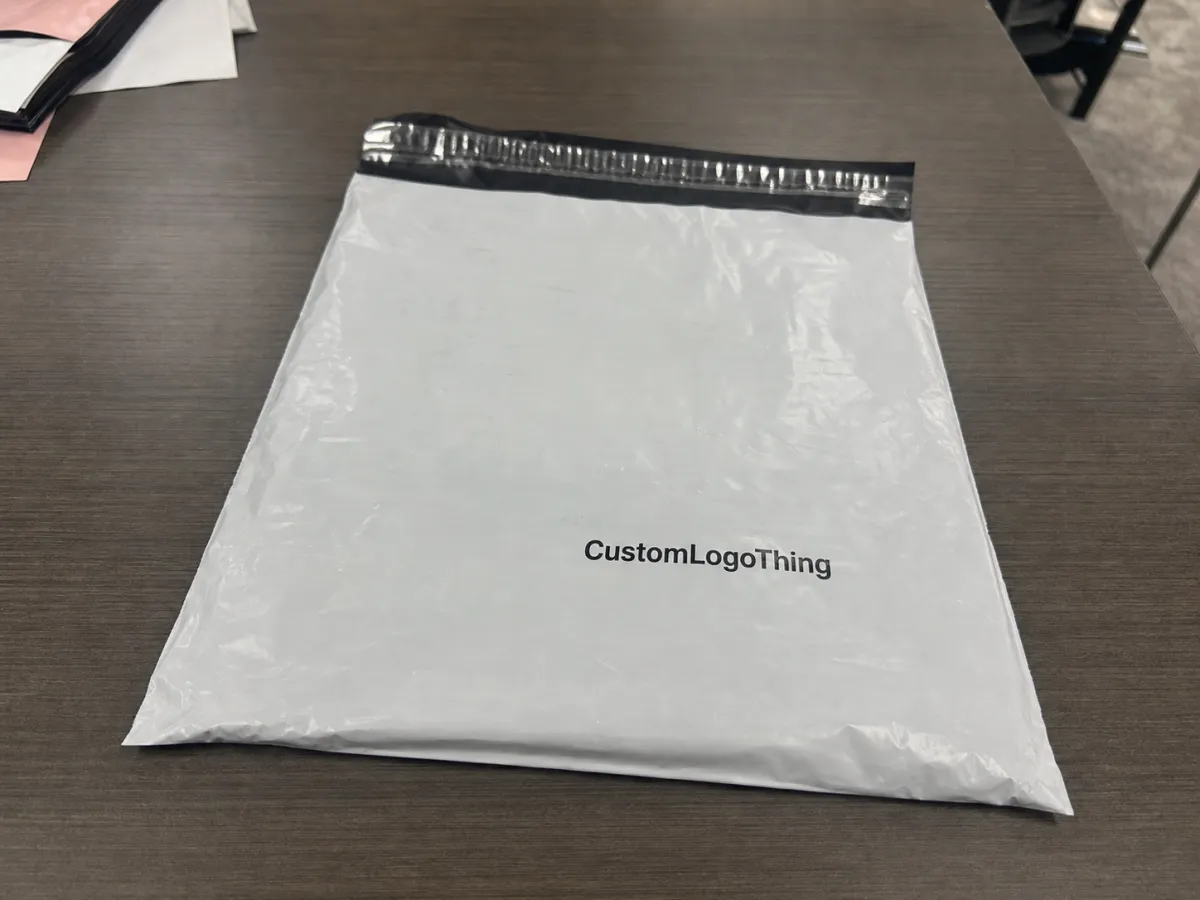
The first job of a quality checklist is to stop false confidence. A recycled mailer can look premium on screen and still arrive with uneven gauge, a soft seal, or a logo that drifts out of register by just enough to look sloppy. Those flaws sound minor until someone stuffs 200 units into shipping cartons, drags the cartons across a dock, and starts handing them out under bright convention lighting.
A good checklist is really a risk filter. It catches torn corners, blurry print, off-size bags, mixed-lot color, and freight problems that turn a planned giveaway into a scramble for replacement stock. If the piece has to carry catalogs, samples, or inserts, the wrong spec can also create a very visible packaging failure: corners split, gussets bow, and the bag looks overfilled even when the insert count is correct.
That is why unit price alone is a weak decision tool. On a small event run, one reprint or missed handout can cost more than the savings from a thinner film. A buyer may save two or three cents per unit by dropping gauge, then lose far more in rush freight or a replacement order. In packaging, the cheap option often becomes the expensive one after the clock starts ticking.
If a sample feels a little weak in your hand, it will feel much worse after three days in a booth.
For teams comparing Custom Poly Mailers or broader event packaging through Custom Packaging Products, the checklist should start with the basics: size, seal, print, recycled-content claim, lead time, and packout method. Everything else is secondary until those are verified.
How recycled film becomes booth-ready mailers
Recycled film does not begin as a finished marketing piece. It starts as a resin stream, usually post-consumer recycled (PCR) or post-industrial recycled (PIR), then moves through blending, extrusion, conversion, printing, and sealing. Each step can change the final feel of the bag. A small shift in blend ratio can alter clarity; a small shift in extrusion temperature can change stiffness; and a small shift in surface treatment can affect ink adhesion.
That is why recycled-content questions matter. Ask whether the supplier is using PCR, PIR, or a blended approach. Ask how the claim is documented and whether lot traceability is available. If the vendor cannot explain the source stream in plain language, the claim may be fine for a mockup but weak for procurement review. Buyers do not need a chemistry lesson; they need a repeatable spec with a paper trail.
Recycled material also behaves with more natural variation than virgin film. That is normal. The point is not to expect perfect sameness; the point is to understand the acceptable range. A useful approval process compares more than one sample, because a single nice proof can hide the spread you will see in production. In practice, I want to see both a hand sample and a short-run sample before greenlighting anything tied to a live event.
For buyers who need a reality check on recycled-content language, the EPA recycled content guidance is a sensible reference point. It will not tell you how a bag feels in hand, but it helps frame the difference between marketing language and supportable claims.
One more operational detail is easy to miss: recycled film can be more sensitive to storage and process drift. Heat, sunlight, and humidity can affect curl and handling. A supplier that can describe how the film is kept, converted, and boxed is usually easier to work with than one that only talks about the finished look.
Specs that decide print clarity, strength, and feel
Three specs do most of the heavy lifting: film gauge, print method, and closure design. Gauge matters because a small thickness shift changes tear resistance and the way the mailer holds inserts. For lightweight handouts, 1.75 to 2.0 mil can be enough. For thicker kits, 2.5 to 3.0 mil is often safer, especially if the bag must carry a catalog, folded collateral, and a sample together.
Those numbers are not arbitrary. A thinner bag may save material and freight weight, but it can also crease faster and telegraph every fold inside the carton. A thicker bag holds shape better, yet if the insert load is low, it can feel overbuilt and wasteful. The best spec is not the thickest one; it is the one that matches the item, the route, and the expected handling.
Print method matters because recycled film does not always behave like clean white virgin stock. Flexographic printing is common on poly mailers, and it can be cost-effective for one- or two-color work. If the brand uses fine type or tight logos, the supplier needs to show how sharp the image stays after handling. Look for consistent edge definition, decent ink adhesion, and no banding across the bag face. A logo that looks crisp on one proof and muddy on another is a warning sign, not a rounding error.
Then there is structure. Side seams, gusset depth, and closure style should match the giveaway contents. An overfilled bag telegraphs poor planning. An underfilled bag can wrinkle and shift inside the carton. Both make a branded handout feel less deliberate than it should. For trade show pieces, the visual standard is unforgiving because the bag is often the first physical object someone touches before they meet the brand.
Testing helps here. If the supplier references ASTM D882 for tensile behavior or similar internal stretch data, that is a useful sign. For packed-carton handling, the ISTA test methods are a practical benchmark, especially if the mailers travel with inserts or other event materials. The test does not have to be elaborate to be useful. Even a simple simulation of stacking, drop handling, and insertion pressure can reveal whether the spec is practical.
For most Trade Show Orders, the most useful questions are plain-English questions:
- Will the seal hold after a full carton is stacked and moved twice?
- Does the print stay legible under harsh lighting and repeated handling?
- Does the bag size fit the contents without bulging?
- Is the film stiff enough to look neat but flexible enough to pack efficiently?
Pricing, MOQ, and total landed cost tradeoffs
Pricing on Recycled Poly Mailers is sensitive to more variables than many buyers expect. Size, print coverage, color count, recycled-content target, and order volume all affect the quote. A supplier who gives a flat unit price without size, gauge, or print detail is leaving too much hidden inside the number.
MOQ matters for the same reason. A larger minimum can lower the unit cost, but it also increases inventory risk if the event calendar changes. A smaller MOQ gives flexibility, yet the unit price usually climbs because setup and run time are spread across fewer bags. For a one-off trade show, buyers often balance those forces more carefully than they do on standard replenishment orders.
| Spec option | Typical unit range at 5,000 pcs | Best fit | Main tradeoff |
|---|---|---|---|
| 30% PCR blend, one-color print | $0.18-$0.26 | Light literature handouts | Lower recycled content, less material variation |
| 50% PCR blend, one- or two-color print | $0.21-$0.31 | Balanced booth giveaways | Slightly more color variation, moderate cost |
| 75% PCR blend, expanded print coverage | $0.24-$0.36 | Higher sustainability targets | More variation, tighter approval needed |
| Thicker hybrid spec, premium finishing | $0.26-$0.38 | Heavy kits and samples | Best presentation, highest landed cost |
Total landed cost should include setup charges, proofing, freight, carton packout, warehouse storage, and any rush fee. That last line matters. A quote that looks cheap on paper can jump quickly once a supplier has to expedite production or ship air freight to save the event. If the bags need special carton counts or pallet labels, that also adds labor. If the shipment has to be split by booth day or show zone, staging time rises too.
The right cost comparison is not just unit cost; it is the cost of getting the right quantity to the right place in the right condition. For trade show programs, a lower price that creates extra handling or rework is not really cheaper. It is simply less visible at the quoting stage.
Production steps, timeline, and lead-time checkpoints
Good planning starts with a clear production path. Dieline approval, prepress, sample review, production run, in-line inspection, final packout, and shipment should all be visible on a dated schedule. If any of those steps are implied instead of confirmed, the schedule is already too loose.
For branded event packaging, milestones should be written down. Proof approval date. Run start date. Completion date. Dock-out date. Transit window. Those dates do two things: they expose risk early, and they stop vague promises from sounding more certain than they are. A supplier can say “two weeks,” but if the actual dock-out is not fixed, the event team still does not know when the cartons will leave.
Build in a buffer for recycled-film variation and artwork fixes. A small color adjustment can add a day or two. A late logo correction can add more. For most show programs, a realistic timeline from proof approval to shipment is often 12-15 business days, though a more complex print, a seasonal rush, or a capacity crunch can push that out.
It also helps to separate run time from delivery time. Those are not the same thing. A factory may finish on schedule and still miss the event if freight is tight, customs review appears, or the final carton count is wrong. That is why the checklist should ask for the earliest dock-out date, not just the day production begins.
Here is the level of detail that usually saves time:
- Approved artwork and final dimensions.
- Confirmed recycled-content claim and material spec.
- Proof version with revision count.
- Production start and completion dates.
- Packing method, carton count, and shipping method.
If a supplier cannot give this sequence cleanly, the risk is usually not hidden talent; it is hidden uncertainty. And uncertainty is expensive when the show date is fixed.
A practical quality check from sample to carton
A physical sample check should happen under the same lighting you expect on the show floor. That sounds simple, but it catches more than you might think. Color shifts that look harmless in an office often look obvious under bright convention lighting. Scuffs, haze, and weak contrast also show up faster when the sample is held under direct light.
Start with the obvious: dimensions, seal integrity, and print sharpness. Then move to handling. Insert the actual literature or samples you plan to pack. See whether the bag closes cleanly and whether the load causes the seams to pull. A mailer that looks fine empty can behave very differently once it is carrying weight.
A few quick tests usually reveal a lot:
- Rub test: light surface rubbing to see if the print scuffs.
- Drop test: one or two low-height drops to mimic handoff and transit.
- Corner tear check: verify the corners do not split when flexed.
- Stack test: place cartons on top of one another to see if the bags hold shape.
Carton control matters too. Count accuracy, carton labeling, and pallet consistency can save a receiving team hours. If the team has to open multiple cartons to find the right quantity, the rollout slows down. Poor packout discipline causes more event stress than most print variation ever will.
The same discipline should apply to backup inventory. If part of the order is meant for day one and part for day two, mix-ups at staging can create uneven usage and last-minute shortages. A carton plan that looks rigid on paper usually feels practical on-site because it reduces decisions when time is tight.
That is why a trade show giveaway Recycled Poly Mailers production quality checklist should include more than appearance checks. It should ask whether the final packed cartons are easy to stage, easy to count, and easy to move without damage. For a giveaway item, logistics are part of quality.
Mistakes that trigger reprints, delays, or scuffed giveaways
The most expensive mistake is approving artwork from a screen only. Recycled film can shift color and contrast once the bag is printed, sealed, and handled. That means a logo that feels strong on a monitor can land softer in production, especially if the base film has a natural tint or texture.
Another common error is waiting too long to order. Once the booth kit is nearly complete, the mailer becomes the last piece to fit. That is where rush freight shows up, and rush freight usually narrows the options. The bags may arrive on time, but not at the spec that was originally intended.
Storage is also overlooked. Humidity, heat, and direct sun can affect film behavior. Bags that sit too long in a warm warehouse can curl. Bags stored poorly can pick up scuffs or static. Overstuffing creates its own problem: seam stress. The mailer may survive, but it will not look like a careful brand choice.
Another trap is assuming recycled equals rough or ugly. It does not. A good recycled mailer can look clean and modern. The issue is not recycled content itself; the issue is whether the supplier has controlled the variation well enough to protect the finish. That is where sampling, proofing, and written signoff matter more than a polished sales pitch.
If there is a pattern behind most reprint stories, it is usually one of three things: a late artwork change, a loose spec, or a sample that was never tested with the real inserts. Those are preventable failures, and they show up long before production if someone asks the right questions.
Final signoff, storage, and show-floor rollout
Before release, lock the final artwork, spec sheet, and carton count. Keep one approved sample and one production sample as your reference set. If a carton arrives with a question later, those two pieces make the difference between a quick answer and a long argument.
Store the finished mailers flat, cool, and away from direct sunlight. Then stage them by day, booth location, or handout type. That sounds administrative, but it prevents waste. The team on the floor should not have to sort through mixed cartons to find the right bag while attendees are standing nearby.
It is also worth assigning one person to the final release check. Not because the task is complicated, but because it is easy to miss when everyone is busy. The final signoff should confirm that the purchase order, the sample, the carton count, and the freight date all match. If one detail is off, stop there and fix it before the shipment leaves.
A disciplined rollout is what turns a decent packaging idea into a reliable event asset. Recycled poly mailers do not need to be flashy to work well. They need to arrive on time, hold their shape, and make the brand look prepared. That is the practical value of a Trade Show Giveaway Recycled Poly mailers production quality checklist: it turns a simple giveaway into a controlled part of the show strategy instead of a last-minute variable.
How do I use a trade show giveaway recycled poly mailers production quality checklist with a supplier?
Send the checklist with your RFQ so the supplier quotes the same size, gauge, print method, and recycled-content target. Ask them to confirm proofing, inspection, and packout steps in writing before you approve the order. Line-by-line comparison usually exposes gaps faster than a general price review.
What should I check first in recycled poly mailer samples for an event giveaway?
Start with size, seal strength, and print sharpness because those are the first issues guests will notice. Then check for scuffing, color shift, and whether the mailer stays flat and presentable after handling. Use the same inserts or handouts you plan to pack at the show.
How does MOQ affect trade show mailer pricing?
Higher MOQs usually reduce unit cost because setup and run time are spread over more bags. Lower MOQs give you less inventory risk but usually raise the price per mailer. For one-off events, the right MOQ is the smallest run that still keeps freight and setup reasonable.
What is a realistic lead time for branded recycled poly mailers?
It depends on proofing, print complexity, and whether the recycled film is in stock. Leave room for sample approval, production, quality checks, and transit before the event date. If the schedule is tight, ask the supplier for the earliest dock-out date, not just the run start date.
What production defects cause the biggest problems at trade shows?
Common issues are weak seals, off-color printing, wrong dimensions, and bags that scuff easily in transit. These defects hurt both presentation and functionality, which is a bad combination for giveaway packaging. A physical inspection before shipment is the most reliable way to catch them.
For event buyers, the most useful approach is to align the RFQ, the sample, and the carton spec before production starts so the order is judged against one standard instead of three different versions.


