Stationery logo patch beanies Bulk Order Planning works best when the beanie is treated like a branded product with a job to do, not a random winter extra. The patch matters because knit alone does not always handle fine detail well. Small text softens, thin lines vanish, and tight crests can turn muddy once they are stitched into ribbing. A patch gives the logo a flatter, more controlled surface, which is exactly why it shows up so often in onboarding kits, conference drops, and client mailers.
The buyers who get clean results usually make the same four decisions early: how many units they need, how complicated the logo is, who will wear the beanies, and whether the finish should feel retail-ready or plainly promotional. That order matters. If you start with decoration before you settle the use case, you end up paying for revisions that were avoidable from the start. Get the basics right and the rest of the order gets much easier to quote, proof, and ship.
Stationery logo patch beanies bulk order planning: where it pays off
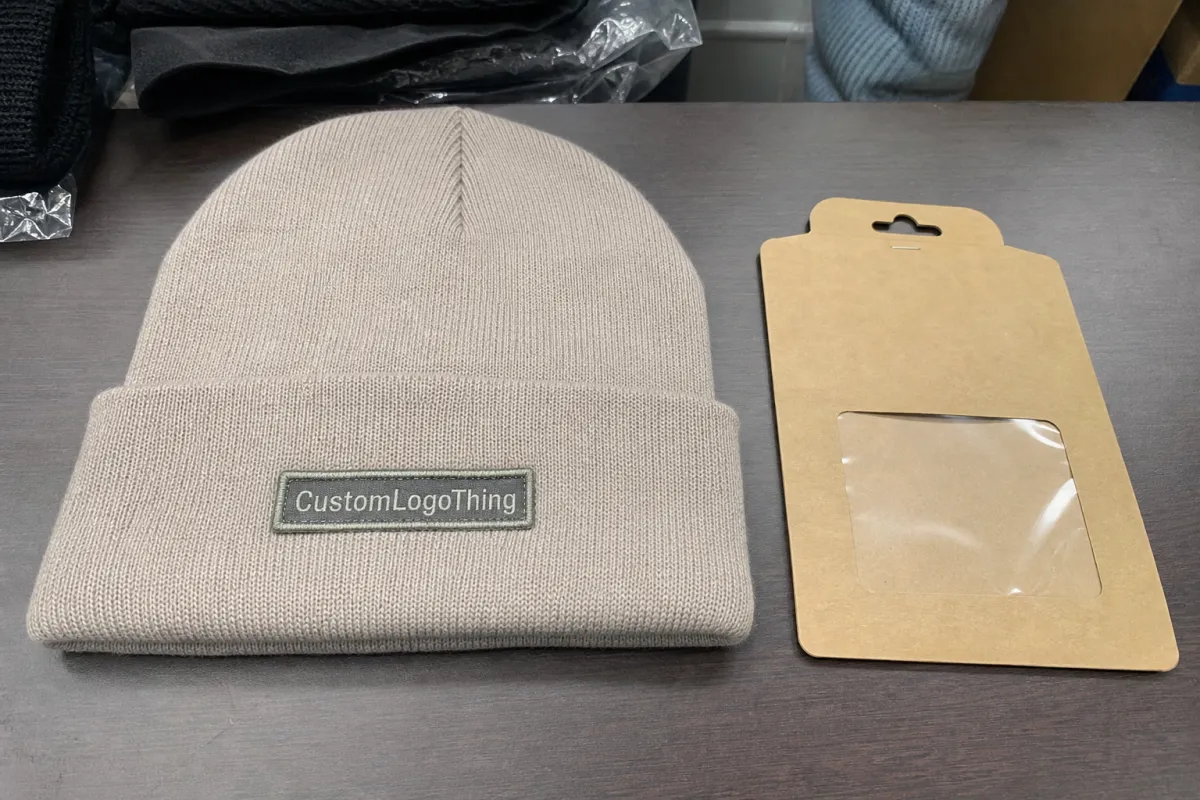
Most stationery brands do not need a fashion story here. They need something that looks considered, feels useful, and survives contact with real life. A clean beanie with a patch does that better than a busy hat stuffed with too many design ideas. The body can stay simple. The patch carries the brand.
That approach works especially well when the logo has narrow spacing, serif details, or small type that would blur on knit. Direct embroidery can look good on the right mark, but it is less forgiving when the artwork gets fussy. Patch decoration gives more control over shape and contrast. It also opens up more material choices, which matters if the goal is a warmer, more premium look rather than a standard promo item.
Common use cases are straightforward:
- Onboarding kits for new hires, field reps, or partners.
- Conference giveaways that need a cleaner finish than a basic promo cap.
- Client gifts where the brand should feel useful instead of loud.
- Seasonal mailers that need shelf appeal and actual wear value.
The cheap mistake is overdesigning the beanie before the production path is clear. The smarter move is almost boring: confirm quantity, logo complexity, and intended use, then decide whether the item should read as retail merchandise or a straightforward branded handout. That sequence keeps the quote honest. It also keeps the decoration choice tied to production reality instead of wishful thinking.
“If the logo is hard to read at thumbnail size, it will be worse on knit. A patch helps, but only if the size and shape are set early.”
If the beanies are part of a recurring merchandise program, they usually fit better inside a broader Wholesale Programs workflow than a one-off scramble. That is where repeat orders stop feeling like paperwork with a logo on top.
Patch style, logo size, and placement options for knit beanies
Patch choice changes the read of the whole hat. A woven patch looks precise and flat. Embroidery adds texture and feels more traditional. PVC leans sportier and more outdoor-friendly. Faux leather reads warmer and a little more elevated on earth tones. Debossed patches are quieter and work when the brand wants restraint instead of contrast. None of these is universally best. The right one depends on the logo, the audience, and how much visual noise the beanie can tolerate.
| Patch type | Best use | Typical add-on cost | Buyer note |
|---|---|---|---|
| Woven | Small text, sharp edges, clean branding | $0.35-$0.85 per unit | Best when the logo needs crisp detail without thread bulk. |
| Embroidered | Bold marks, simple icons, textured look | $0.45-$1.10 per unit | Good for casual branding, less ideal for tiny type. |
| PVC | Outdoor, sporty, high-contrast identities | $0.60-$1.50 per unit | Durable, but the look is less soft than textile options. |
| Faux leather | Minimal logos, warm-toned premium kits | $0.55-$1.40 per unit | Works well when the brand wants a quieter finish. |
| Debossed | Subtle marks, upscale packaging tie-ins | $0.70-$1.60 per unit | Good for restraint, not for tiny readable copy. |
Placement is just as important. Front cuff placement is the safest choice because it gives the logo a predictable landing zone. Center front is the most visible in photos. Side placement can look modern, but it can also make a logo feel undersized if the patch gets too small. Back tab placement is subtle and works when the goal is merch with a restrained read rather than a billboard effect.
Shape changes perception more than most buyers expect. A square patch feels tidy and structured. A circle softens the look. Rounded corners can make a mark feel less rigid. Custom die-cut shapes stand out, but only when the logo is strong enough to hold its outline. If the artwork is already busy, a clever silhouette can turn into clutter. That is not a design win. That is a problem with a fancy edge.
Logo size should be driven by the knit surface, not by enthusiasm. On a cuffed beanie, a front patch around 2.0 to 3.0 inches wide is common. Text under about 5 to 6 points on the final patch gets risky fast. Thin strokes, fine borders, and crowded crests tend to disappear once they are scaled down and stitched or printed. That is not a defect. It is the material doing what it does.
Specifications buyers should lock down before requesting a proof
Start with the beanie body. Cuffed styles are still the easiest choice for branded orders because they offer a stable decoration zone and a predictable fit. Slouchy beanies feel more relaxed, but the patch can sit lower or shift visually once worn. Fisherman styles are shorter and more fashion-forward, which can be great if that is the intent and less great if the logo needs space. Rib-knit usually behaves better than loose-gauge knit when the decoration needs a clean surface.
Material choice is where cost and hand feel start competing. Acrylic remains the most common option because it holds color well and keeps the price in range. Cotton blends feel softer against the skin and can be a better choice for gifts that are meant to live in an office or travel bag. Wool blends bring a stronger premium feel and better warmth, but they usually raise the unit price and can demand more careful handling during production and packing.
Patch construction also matters. Buyers often focus on the patch face and forget the backing. Heat seal backing, sew-on construction, adhesive reinforcement, and Velcro-style options all behave differently in production. Heat seal can be efficient, but it depends on the fabric and application method. Sew-on is slower, yet it tends to be more secure on knit. For most bulk orders, durability beats speed by a wide margin. Nobody wants a patch peeling off after one season.
Before requesting a proof, lock down these specs:
- Beanie style: cuffed, slouchy, fisherman, or rib-knit.
- Patch dimensions: final width and height in inches or millimeters.
- Artwork format: vector file such as AI, EPS, or PDF.
- Color references: PMS, Pantone, or clearly named brand colors.
- Patch backing: sew-on, heat seal, adhesive, or mixed construction.
- Packaging: bulk packed, individual polybag, hang tag, or retail insert.
- Carton counts: units per box and whether split shipping is needed.
- Variation tolerance: acceptable knit shade, patch placement, and stitching variance.
Paper inserts and hang tags deserve the same level of attention as the hat itself. If the order includes printed cards or labels, FSC-certified stock is an easy sourcing win and keeps the story consistent. For transit-heavy orders, it also helps to think about how the goods are packed. A quick review of ISTA testing methods can prevent avoidable damage from compression, vibration, or poor carton fill on long routes.
Send the cleanest logo file you have. If the mark is complex, prepare a simplified version for the patch. Small-size artwork is where a lot of good designs fall apart. If the patch has to be scaled down, a clean simplified version usually produces a better result than trying to cram every detail into a tiny square of material.
Pricing, MOQ, and unit cost tradeoffs for larger runs
Price usually comes down to four variables: patch type, number of colors, beanie body material, and packaging. A custom patch shape adds setup work. Multi-color artwork increases production complexity. Individual bagging adds labor. Special labels, split shipments, and insert cards all increase the quote too. None of that is mysterious. It is just time, materials, and handling.
For this category, MOQ often sits around 50 to 100 pieces for basic builds, with better pricing at 250, 500, and 1,000 units. Lower quantities are possible, but the per-unit cost climbs because the setup cost gets spread across fewer hats. That is why a 75-piece run can look uncomfortably close to a 150-piece quote. The fixed work does not shrink just because the order is smaller.
Reasonable quote bands for a simple cuffed beanie with a patch often land like this:
- Economy: acrylic body, woven patch, bulk packed, often $3.20-$4.75 per unit at 500 pieces.
- Standard: better knit, embroidered or faux leather patch, basic individual bagging, often $4.80-$6.50 per unit at 500 pieces.
- Premium: wool blend or heavier rib knit, custom patch shape, retail-style presentation, often $6.75-$9.50 per unit at 500 pieces.
Those ranges are useful, not fixed. Material markets move, decoration methods differ, and labor costs shift depending on where the work is done. But they are close enough to keep internal discussions grounded. If someone is expecting a premium wool blend with custom packaging at an economy price, the problem is not the supplier. The problem is arithmetic.
Ask for three quote tiers every time:
- Economy so the team sees the lowest acceptable build.
- Standard so there is a middle path with fewer compromises.
- Premium so the cost of better presentation is visible.
This makes comparison much easier than staring at one quote and guessing where the money went. It also surfaces hidden costs early: sampling, setup, rush fees, carton splitting, and extra labels. For buyers managing stationery logo patch Beanies Bulk Order Planning across multiple departments, that transparency matters more than a tiny price difference on paper.
One useful rule: keep the body simple and spend the money where the logo actually lives. A good patch can carry the whole piece. A fancier knit with a weak patch can feel expensive and underdesigned. That is the sort of tradeoff a lot of people only notice after the boxes arrive.
Production steps, lead time, and approval checkpoints
The production path should be predictable. First comes spec confirmation. Then artwork review. Then a digital proof. If the design is detailed or the order is premium, a physical sample can be worth the extra time. After approval, production begins. Then the pieces are packed, boxed, and shipped. Nothing about that should feel like a mystery.
Timing usually looks like this: proofing takes 2 to 5 business days, sampling can add another 3 to 7 business days, and full production often lands around 2 to 4 weeks after approval. Large quantities, peak-season demand, or detailed patch work can stretch the schedule. Rush jobs are possible in some cases, but they cost more and leave less room to correct mistakes.
Approval checkpoints matter because small errors become expensive quickly. A wrong placement on a single mockup is annoying. A wrong placement on 500 units is a problem. Production should not begin until these are signed off:
- Logo size and exact placement.
- Color callouts for both body and patch.
- Patch style and shape.
- Backing method and stitching or attachment plan.
- Packaging format and carton count.
- Destination details for shipping and split delivery.
There is also a practical QC step that too many buyers skip: ask how the supplier checks consistency from unit to unit. Patch alignment should stay within a defined tolerance. Knit shade should be checked across dye lots. Stitch quality should be inspected after attachment, not assumed because the proof looked clean. If the order includes multiple delivery destinations, carton labels should match the purchase order exactly. That sounds basic because it is basic. Basic gets missed all the time.
Build in shipping buffer time for seasonal runs. Transit time is separate from production time, and holiday freight windows can be messy. If the beanies need to land before a conference, launch, or winter mailing, padding the calendar is smarter than hoping a carrier has a calm week. Hope is not a schedule.
Digital proof alone can be enough for simple artwork and forgiving materials. For a small logo, a custom die-cut patch, or a color-sensitive brand match, a sample is worth the delay. It is cheaper to adjust a prototype than to discover a problem after the full order is finished.
Why a reliable beanie supplier reduces reorder friction
Reorders are where a good supplier earns trust. The first order is setup work. The second should be simpler because the supplier already has the final spec sheet, approved artwork, patch dimensions, color references, and packaging notes on file. If they make you rebuild the order from scratch, that is not efficient. That is paperwork with extra steps.
A reliable supplier also catches consistency issues before they become customer problems. Patch alignment should stay consistent. Knit variation should be checked batch to batch. Color matching should be reviewed against the approved standard, not someone’s memory of what looked right on a monitor. Carton labeling should match the PO, especially when an order is split across offices or event dates.
Communication matters more than most buyers want to admit. Stock changes happen. Dye lots shift. Patch materials go out of stock. A decent supplier says so early, which gives you options. You can approve a substitute, change the timeline, or adjust packaging. If the warning comes a week before shipment, the whole order turns into a scramble.
That is the real value of a dependable vendor: fewer surprises, fewer approvals, and less time spent chasing updates that should have been obvious from the start. For stationery teams that place seasonal merch orders, that consistency is worth more than saving a few cents on the unit price.
Good reorder support also means the supplier knows what was approved last time. The right patch shape, the final body color, the approved backing, the carton count, the shipping instructions. That is the kind of detail that keeps stationery Logo Patch Beanies Bulk Order planning from turning into a recurring headache every quarter.
Next steps to launch, approve, and reorder without delays
Before you send a request, pull together the core checklist: quantity, target ship date, logo file, patch style, colors, packaging, and destination details. Leave one of those out and the quote gets shaky. Leave three out and the first proof round becomes guesswork. No supplier can guess their way into a clean order.
Ask for at least two pricing paths. One should save money on the body. One should improve the patch. A third can add presentation packaging if the beanies are going to clients, partners, or event VIPs. That way the team is comparing actual tradeoffs instead of pretending every version costs the same.
Confirm the mockup dimensions, the approval deadline, and the PO timing before the production slot is held. That keeps the calendar honest and avoids the classic problem where the order is “ready to go” but nobody has signed the proof. It happens more than people admit, and it always feels preventable in hindsight.
For the next cycle, save the final spec sheet and artwork notes so the reorder path is shorter. That is the cleanest way to make stationery Logo Patch Beanies bulk order planning faster, cheaper, and less annoying the second time around. Document it once, and the next run stops being a project.
What is the usual MOQ for stationery logo patch beanies?
Most bulk runs land around 50 to 100 pieces, but the exact MOQ depends on patch type, decoration method, and whether the order needs custom packaging. Lower MOQs are possible, but unit cost usually climbs because setup is spread across fewer hats. Mixed colors or mixed logos can also change the minimum.
How do patch size and placement affect the final price?
Larger patches and more complex shapes usually cost more because they take more material and setup time. Front-center placement is often the cleanest and most cost-efficient option; side placement or multi-placement decoration adds labor. Very small logos can also cost more if they need extra detail work to stay readable on knit.
What files do I need for a clean logo patch proof?
Send a vector file such as AI, EPS, or PDF so the patch maker can scale the logo without losing edge quality. Include PMS color references if brand color matching matters, and outline any fonts before submission. If the logo is complex, provide a simplified version for small patch sizes so the proof does not get cluttered.
How long does bulk order production usually take?
A proof may take a few business days, while full production often runs around 2 to 4 weeks after approval, depending on quantity and decoration complexity. Sampling, revisions, and rush requests can shorten or extend the schedule. Shipping time is separate, so buyers should add a buffer before event dates or seasonal launches.
Can I reorder the same beanies later?
Yes, if the supplier keeps your final specs, artwork, and color references on file, reorders are usually faster than the first run. Ask for a saved spec sheet or SKU reference so the next order matches the approved version. Small fabric or dye lot differences can still happen, so check whether exact matching is required.


