Streetwear Drop OPP Header Bags: MOQ and Lead Time Guide
Launch packaging is not decoration. It is labor, speed, and presentation colliding in the same work order. For a streetwear drop, an OPP header bag has to do several jobs at once: show the garment clearly, keep the pack countable, hang cleanly in retail, and move fast enough that the packing table does not become the bottleneck. At 500 units, saving even five seconds per pack gives back more than 40 minutes. At 5,000 units, that same small gain becomes the difference between a manageable run and a late night.
This is why buyers keep circling back to the same questions: how much will it cost, what is the minimum order, and how long will production really take once artwork is approved? Those answers change with film gauge, print complexity, header style, and whether the bag is stock-size or built around a specific fold. Miss one detail and the quote drifts. Miss two and the schedule usually follows.
What streetwear drop OPP header bags do on launch day
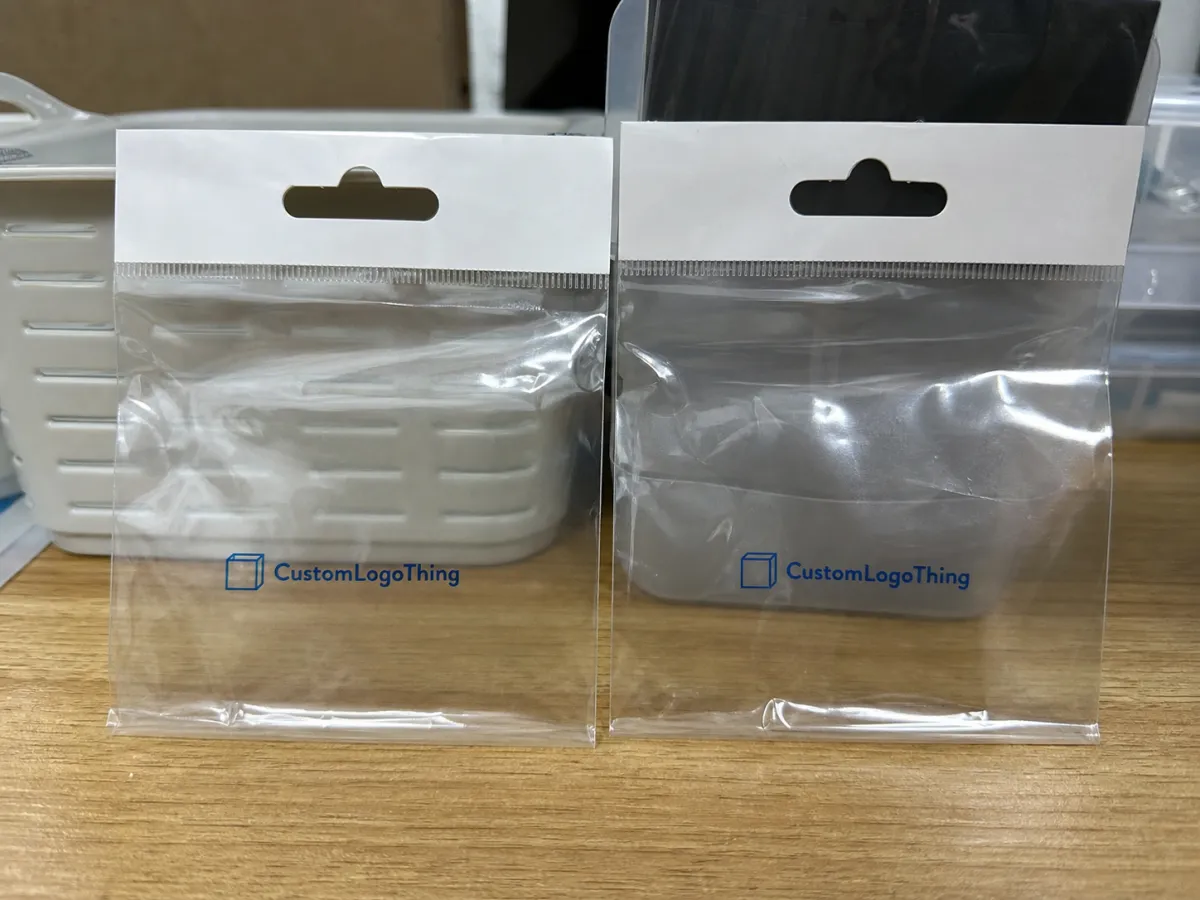
A well-made header bag does not try to be clever. It keeps the garment visible, protects the fold, and gives the pack a clean point of entry into retail or fulfillment. Clear OPP works especially well for streetwear because the product itself is often part of the selling signal. If the tee, hoodie, insert card, or sticker pack can be seen at a glance, the packaging is doing part of the merchandising work before anyone opens the bag.
That visibility matters more than brands sometimes admit. Launch teams are usually dealing with a mixed kit: folded apparel, size stickers, hangtags, maybe a QR card, sometimes a small accessory. The pack has to stay readable even when those pieces shift slightly during handling. A header format keeps the bundle organized, makes counting easier, and gives the warehouse a cleaner unit to scan, store, and ship. The difference sounds minor until the team is splitting a run across three sizes and two colorways.
There is also a labor angle. A bag that opens consistently and hangs cleanly reduces small frustrations that add up across a run. If the slot tears, the seal wrinkles, or the opening fights the packer, the line slows down. If the body is too tight, the garment gets forced in and the front panel looks stressed. That is why buyers who move quickly usually start with three things: exact dimensions, closure style, and how the bag will hang in store.
Buyer rule: if the barcode, size, or SKU note cannot be seen without rotating the pack, the bag is not finished.
The fastest quotes happen when the size is locked before sampling starts. That sounds dull, but it cuts out the round of corrections that usually eats the calendar. A stock-style bag can be quoted quickly if the garment fits standard dimensions. A custom build needs more detail up front, especially if the header shape, print location, or hole style differs from the supplier’s normal line. For a second check on common packaging inputs, the packaging FAQ is a useful place to sanity-check the basics before artwork goes out.
How the header, seal, and print layout change retail performance
The structure is simple: a clear OPP body, a reinforced header, and a hang feature. The result is only simple if the details line up. A clean header makes the pack read straight on a peg wall. A weak header droops. A seal that lands too close to the opening makes loading awkward. A seal placed too low takes away from the visual balance and can make the bag feel improvised, even if the print is sharp.
Retail handling exposes flaws quickly. A euro-slot tends to sit neatly on a hook and is often the better choice for shop floor presentation. A round hole can work fine for lighter items or internal distribution. The choice should follow the way the pack is actually used, not just what looks familiar in a mockup. If the bags are going straight from pack-out to a backroom shelf, the goal is different than if they are hanging under bright retail lighting next to competing labels.
Print layout matters because the bag gives only a few places to communicate. Most buyers want some mix of these four zones:
- Logo placement for quick recognition.
- Size callout so staff and shoppers can sort fast.
- Barcode or SKU panel for scanning and inventory control.
- Copy or compliance text when care instructions or warnings need to sit on-pack.
Once those zones are set, the bag becomes a piece of working packaging rather than a blank sleeve with branding on it. That distinction matters because the pack is often judged in seconds. If the item is visible, the logo sits where it should, and the front panel stays smooth, the package feels intentional. If the print crowds the header or the artwork is fighting the fold, the whole thing looks rushed.
Material behavior also changes the finish. OPP is valued for clarity and a crisp surface, but the bag still needs enough stiffness to hold shape under handling. Thin film can look perfectly fine on a sample and still buckle once the pack is stacked in cartons or pulled across a packing table. Slightly heavier film often helps the header stay upright and the front panel stay flat. That is one reason buyers should compare the bag on the real garment, not just against a spec sheet.
For broader material reference, packaging.org offers technical resources that are more useful than generic product pages when a team needs to speak in spec terms. The more exact the language, the cleaner the quote.
Film, thickness, and size specs buyers should lock first
Before pricing, lock the physical build. Not the branding. Not the mood board. The actual dimensions and film detail. The minimum quote set should include bag width, bag length, header height, hole style, closure type, and film gauge. If any of those move after proofing, the unit cost usually moves too. That is not a vendor trick; it is basic production math.
For folded apparel, thickness and stiffness matter almost as much as transparency. A light tee can usually work in thinner OPP, often around 30-40 microns depending on how crisp the fold needs to be. A heavyweight hoodie or bundled kit usually needs more body, often in the 45-60 micron range, because the pack needs to resist stress at the seal and hold its shape in transit. Those are working ranges, not commandments. The final choice depends on the weight of the garment, how it is folded, and whether the bag will be packed flat, boxed, or hung.
Size is where waste starts. Oversize the bag and you pay for extra film, more carton volume, and a looser shelf appearance. Go too small and the garment fights the bag, which creates wrinkles, stress points, and closure problems. A practical sizing method is simple:
- Measure the folded width, length, and thickness of the finished product.
- Add only enough clearance for insertion and retail handling, usually about 1/4 to 1/2 inch.
- Include inserts, cards, and sticker packs in the measurement if they ship inside the same bag.
- Check the fold profile again after the sample, because a hoodie behaves differently from a tee even when the artwork is identical.
That last step catches more problems than most teams expect. A flat garment fold sits differently from a bulkier one, and the header reads differently once the item is loaded. A bag that looked precise in a dieline can suddenly feel shallow or top-heavy once the real product is inside. Buyers who skip that test tend to discover the issue at the wrong time: usually after the proof is approved, sometimes after the first production run has already begun.
If paperboard inserts or hangtags are part of the pack, coordinate them early. If the brand needs FSC-certified content or wants to keep paper choices aligned with a broader sustainability spec, that decision is easier to make before the order enters production. For certification background, fsc.org is the cleanest reference point.
One useful habit: request the sample against the actual garment, not just the tech pack description. A 180 gsm tee and a 240 gsm tee do not fold the same way, even if the front print is identical. Packaging should fit the product that arrives at the warehouse, not the product described in the deck.
Pricing, MOQ, and quote variables for the streetwear drop opp header bags moq lead time guide
This is where the commercial side gets less tidy. The Streetwear Drop Opp Header Bags moq lead time guide is not only about finding a bag that looks right; it is about understanding which choices move cost and which ones barely matter. In most quotes, five variables do most of the damage: size, film thickness, print colors, header customization, and pack configuration. Once those are set, pricing gets sharper and comparison gets easier.
MOQ changes with complexity. A stock-style clear OPP header bag can often start lower because the body size and header format already exist. Once the print is custom, the header shape changes, or the bag needs a retail-specific feature, the minimum usually rises. That is not a punishment. It is simply how setup time, plates, and tooling are spread across the run.
| Option | Typical MOQ | Cost per piece | Setup charges / tooling fees | Typical lead time after proof approval | Best fit |
|---|---|---|---|---|---|
| Stock-style clear OPP header bag | 1,000-2,000 pcs | $0.05-$0.10 | $0-$75 | 7-12 business days | Fast drops, simple size runs, internal packing |
| Semi-custom with one-color header print | 3,000-5,000 pcs | $0.08-$0.16 | $75-$200 per color or plate | 10-15 business days | Seasonal capsules, repeat drops, branded retail use |
| Fully custom size, print, and header feature | 5,000-10,000 pcs | $0.12-$0.28 | $150-$400+ depending on tooling and artwork complexity | 15-25 business days | Mainline programs, long-run branding, multi-store rollout |
Those are real-world planning ranges, not promises. The final number depends on film gauge, ink coverage, number of colors, and whether the header needs extra cutting or sealing steps. A plain black logo on clear stock prices very differently from a dense multi-color panel with a barcode box, size grid, and compliance text. The more crowded the art, the more likely the quote will carry setup or plate charges.
If two suppliers give similar headline numbers, compare the rest of the line items. One may include setup, another may bury freight, and a third may quote a low bag price on a size that does not actually fit the folded garment. The useful number is landed cost per usable pack. Everything else is noise.
A clean request should include the following:
- Exact size in width, length, and header height.
- Material detail including OPP gauge and whether extra stiffness is needed.
- Print detail including colors, panel location, and coverage level.
- Quantity by size if the order is split across multiple SKUs.
- Target ship date and delivery location.
That is the difference between a quote that can be used and a quote that needs to be decoded. Buyers who send vague volume talk usually get vague numbers back. Buyers who send a full spec sheet usually get one fewer round of questions.
Lead time and production steps from artwork to carton pack
Lead time starts after proof approval, not after the first inquiry. That distinction matters more than it sounds. Most delays happen before the factory runs anything. If the artwork is not vector-based, if the dieline is missing, if the product size changes after the sample, or if the brand keeps revising copy, the schedule stretches immediately. Clean input shortens the path more than almost any other variable.
A normal production sequence looks like this:
- Artwork intake and file review.
- Proofing and correction round, if needed.
- Material allocation and size confirmation.
- Film conversion, printing, and sealing.
- Inspection, count verification, and carton pack-out.
That sequence can move quickly when the specs are stable. For simple custom work, 10-15 business days from proof approval is a realistic planning window. More complex runs, special tooling, or late art changes can push that to 15-25 business days. Freight is separate. Domestic shipping may take 3-7 business days depending on service level; international transit can extend much longer and should be treated as its own schedule item, not folded into production time.
Buyers planning around a drop date should also think about what happens after the bags leave production. If the packaging has to be matched with tees from another supplier, inserts from a print vendor, or cartons routed to multiple warehouses, the calendar gets fragile very quickly. A Friday release does not care that a truck was delayed on Wednesday. Buffer time is not luxury; it is the margin that keeps the launch from becoming a scramble.
Testing can help when the order is large enough to justify it. Transit tests aligned to ISTA methods can expose weak seals, poor carton loads, and handling damage before the bags hit a retail floor. That matters most for bags packed with inserts or heavier folded goods, where the package has to survive stacking, moving, and rehandling. If a seal opens under ordinary pressure, the problem is cheaper to catch on a bench than in a store backroom.
The hard truth is that rush jobs are possible but not magical. Clean specs, fast proof turnaround, and stable freight windows are what shorten delivery. If those three things are messy, no supplier can compress the calendar very far without raising the risk of error. That is especially true for custom headers and printed panels, where one small artwork correction can ripple through the entire schedule.
What a reliable supplier handles before your streetwear drop ships
A strong packaging partner does more than put a number on paper. It checks the fit, reviews the art, and confirms the finished bag matches the spec sheet. That is not a small point. Retail packaging reveals mistakes fast. A 2 mm shift in print placement can change how the logo reads. A loose seal can leave open corners. A count mismatch can hold up an entire drop when the launch window is already tight.
The better suppliers usually handle four things well:
- Responsive proofing so corrections do not sit unanswered.
- Consistent sizing across the full run, not just the first sample.
- Clean seals and headers that hang and open as expected.
- Accurate carton counts so the receiving team gets what was ordered.
That is also where lower-friction buys happen. If the supplier gets folded dimensions, artwork, quantity, and delivery window up front, the quote gets sharper and the production plan gets simpler. The whole logic of the streetwear drop OPP Header Bags moq lead time guide keeps returning to the same point: packaging rewards precision. The first clear input usually saves the most money.
If the program includes paper inserts, size cards, or hangtags, keep those items in the same approval loop as the bag artwork. FSC status, barcode placement, and finishing details should be settled together. Splitting those choices across different teams is an easy way to create rework. In practice, the packaging spec, the insert spec, and the retail label spec should read like one document, not three unrelated ones.
Bottom line: the best results come from a stable size, a clean proof, and a realistic calendar. A bag that fits the garment, opens cleanly, and ships on time does its job without calling attention to itself. That is usually the point.
What is the typical MOQ for streetwear drop OPP header bags?
MOQ depends on bag size, film thickness, and whether the header or print is custom. Stock-style builds usually allow lower starting quantities than fully custom runs, while special headers, multi-color print, or unusual sizing push the minimum higher. The best quote should separate the MOQ for the bag body, print, and any special header feature.
How long is the lead time for streetwear header bags once artwork is approved?
Lead time starts after proof approval, not when the first inquiry lands. Simple builds with locked specs often fit inside a 7-12 business day window, while custom print jobs with more revisions may need 15-25 business days. Always add freight time separately so the bags arrive before the drop date.
How do I choose the right size for OPP header bags for folded apparel?
Measure the folded width, length, and thickness of the finished item before you Request a Quote. Add only enough clearance for insertion and a clean retail presentation, because oversized packaging wastes material and looks loose on the shelf. If stickers, inserts, or cards ship inside the bag, include them in the measurement from the start.
What artwork do you need for a custom streetwear header bag quote?
Send a vector logo, final copy, and any barcode or compliance text that needs to appear on the bag. Include notes for print placement and confirm whether the header needs a hang hole, euro-slot, or another retail feature. If you already have a dieline, include dimensions so the proof reflects the intended fit.
Can streetwear drop OPP header bags be rushed for a launch?
Rush orders are more realistic when size, print, and quantity are already locked. Fast proof approval and clean artwork matter more than almost anything else in shortening turnaround. Material availability and freight timing still control the final delivery date, so rush quoting should be treated as a schedule check, not a promise.