Buyer Fit Snapshot
| Best fit | Subscription Box Packaging Supplier projects where brand print, material claims, artwork control, MOQ, and repeat-order consistency need to be specified before quoting. |
|---|---|
| Quote inputs | Share finished size, material target, print colors, finish, packing count, annual reorder estimate, ship-to region, and any compliance wording. |
| Proofing check | Approve dieline scale, logo placement, barcode or warning zones, color tolerance, closure strength, and carton packing before bulk production. |
| Main risk | Vague material claims, crowded artwork, missing packing details, or unclear freight terms can make a low unit price expensive after revisions. |
Fast answer: Subscription Box Packaging Supplier: Board, Finish, Dieline, and Unit Cost should be specified like a repeatable production item. The safest quote records material, print method, finish, artwork proof, packing count, and reorder notes in one written spec.
Production checks before approval
Compare the actual filled-product size with the drawing, then confirm tolerance on folds, seals, hang holes, label areas, and retail display edges. Reserve space for logos, QR codes, warning copy, and material claims before decorative graphics fill the panel.
Quote comparison points
Review material grade, print process, finish, sampling route, tooling charges, carton quantity, and freight assumptions side by side. A quote is only useful when the supplier can repeat the same color, closure quality, and packing count on the next order.
A Subscription Box Packaging supplier does far more than print cardboard and send over a quote. The box sits inside retention, unboxing, damage prevention, and brand memory all at once, so the wrong choice shows up quickly in customer complaints, replacement orders, and the quiet drag on margins that nobody notices until a quarter closes. If the fit is off by even 2 mm, corners can crush, products can shift in transit, and a reprint can eat through launch money before the first renewal cycle even starts.
The real job is not just making custom printed boxes. It is building packaging that protects the product, matches the shipping method, and carries the brand story without wrecking unit economics. A strong Subscription Box Packaging supplier helps with dielines, structure, finishing, kitting support, and shipping protection. A weak one sells cartons and hopes the rest sorts itself out. Hope is not a packaging strategy, and frankly it is not a procurement strategy either.
Brands that want fewer surprises usually do better when they understand how structure, print, and freight shape the final number. If you are comparing wider packaging options as well, our Custom Packaging Products page is a useful place to start before asking for quotes.
What a subscription box packaging supplier really does
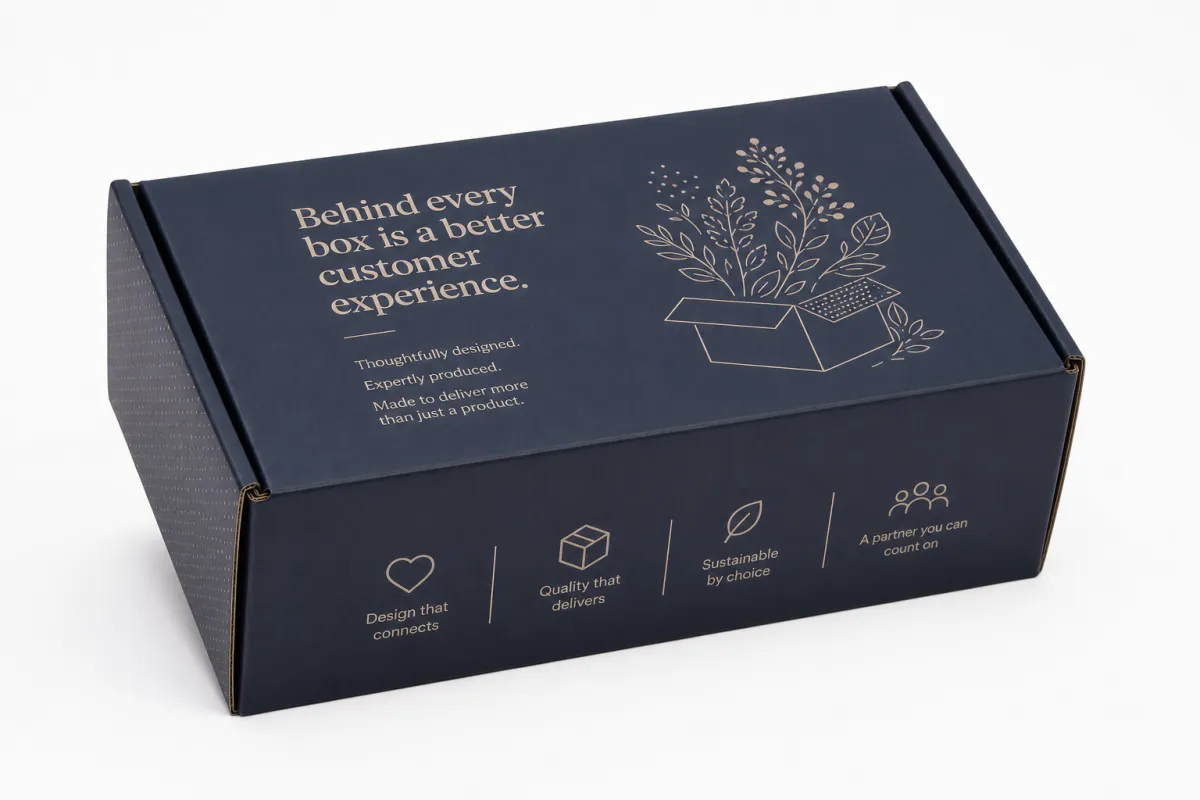
At a practical level, a subscription box packaging supplier is part designer, part production planner, and part logistics problem-solver. The best suppliers think beyond print quality. They think about how the box opens, how it stacks, how it ships, and how it survives after a carrier handles it like it owes them money.
That role usually stretches across five areas:
- Dielines and structure - matching panel sizes, flaps, and folds to the product and shipping method.
- Packaging design - aligning visual branding, logo placement, panel hierarchy, and unboxing flow.
- Print production - choosing the right method for color, volume, and turnaround.
- Finishing - using soft-touch lamination, spot UV, foil, embossing, or matte coatings where they support the design rather than distract from it.
- Protection and logistics - planning inserts, cushioning, and carton strength so the box survives real transit instead of a studio setup.
This is also where people confuse three very different roles. A packaging printer focuses on graphics. A box converter turns board or corrugated stock into a finished box. A subscription box packaging supplier worth keeping can usually handle both the structural side and the production side, which cuts down the back-and-forth and avoids the familiar “printer blames the dieline, converter blames the file” routine.
For subscription brands, the box is not a throwaway container. It is retail packaging that travels by parcel, lands on a doorstep, and has to create a brand moment inside a very unromantic logistics chain. That is why a supplier who understands branded packaging and shipping realities usually beats one who only knows how to make a box look nice on a screen.
A good box fits the product, the pallet, and the customer’s patience. Miss one of those and the discount on unit price stops mattering very quickly.
The first split is usually between a packaging buyer and a shopper. A shopper compares colors. A packaging buyer compares crush strength, board grade, lead time, and how a subscription box packaging supplier handles reorders six months later when the product size shifts a little. Those are not the same job, and they should never be treated like they are.
How a subscription box packaging supplier process works
The clean version of the process looks simple. The real version is messier. A subscription box packaging supplier usually moves through brief, quote, sample or proof, approval, production, finishing, packing, and freight. That sounds orderly until artwork shows up late or someone changes the product dimensions after the dieline gets approved. Then everything slows down and gets more expensive. Packaging, in its own cheerful way, always punishes late decisions.
A realistic launch timeline often looks like this:
- Brief and quote request - 1 to 3 business days if the specs are clear.
- Dieline review and structural confirmation - 2 to 5 business days.
- Digital proof or sample request - 3 to 7 business days.
- Revisions and final approval - 1 to 4 business days.
- Production - 7 to 20 business days for many custom runs, longer for rigid boxes or complex finishing.
- Freight - 2 to 10 business days depending on destination and service level.
For a simple mailer style, especially if the supplier has stock board and a standard structure, a launch-ready order may land in the 12 to 15 business day range after approval. For custom Printed Corrugated Mailers or folding cartons, a more realistic window is often 3 to 6 weeks. Rigid boxes, inserts, or heavy finishing can stretch to 6 to 10 weeks if the job is not built from a standard template.
Where do delays usually happen? Not in the printing press itself. Delays usually come from vague measurements, slow file handoff, missing barcode information, or material substitutions when a board grade is out of stock. A serious subscription box packaging supplier should warn you when a paper grade, coating, or insert spec is risky. If they do not, they are not managing the project. They are just moving boxes around.
Proofing deserves its own warning label. One revision is normal. Two is common. Three usually means the brief was never clear enough. If you request a physical sample, ask whether it is a white dummy, a printed prototype, or a production-grade sample. Those are very different things, and the difference matters when your product is fragile or your brand needs tight color matching.
A practical example helps. Say you are launching a 4-piece wellness kit with bottles, a card insert, and a small sachet. The supplier may start with a 200 gsm folding carton or an E-flute mailer if the box will ship directly. If the bottles move even a little inside the box, the insert needs adjustment before production, not after 5,000 units are already on a pallet. One correction can save a reprint, a damage claim, and a long chain of awkward emails.
Smart brands build a buffer into the schedule. Even a strong subscription box packaging supplier can run into approval delays, material shortages, or freight bottlenecks. The safer move is to add an extra week instead of pretending every step will land early. Production reality does not care about your launch party, and it definitely does not care if the team already sent out teaser emails.
For teams that need better control over the process, request a written scope that includes dieline ownership, revision limits, proof type, and freight assumptions. That habit reduces confusion more than any glossy sales deck ever will.
What drives subscription box packaging supplier pricing
Price is where a lot of brands get tripped up. A low quote from a subscription box packaging supplier can look attractive until you notice the setup fee, plate cost, freight charge, or minimum order quantity hiding a few lines down. Then the “cheap” deal turns into a spreadsheet full of regret. Unit price is only one slice of the cost structure.
The main price drivers are predictable:
- Box style - mailer boxes, folding cartons, rigid boxes, and inserts each have different labor and setup costs.
- Board type - corrugated, SBS, kraft, chipboard, and rigid board behave differently in print and shipping.
- Print coverage - full coverage usually costs more than a simple one- or two-color design.
- Finishing - foil, embossing, spot UV, soft-touch lamination, and matte coatings all add cost.
- Complexity - inserts, dividers, windows, magnet closures, and custom die-cuts increase labor and waste.
- Order volume - higher quantity usually lowers unit cost, but only up to the point where storage becomes a headache.
Here is a practical range, not a fantasy one. For a custom corrugated mailer in moderate quantity, you may see $0.55 to $1.20 per unit depending on size, print coverage, and quantity. A folding carton can land around $0.18 to $0.45 per unit at larger volumes, though pricing shifts quickly with coating and print complexity. A rigid box with premium finishing often starts around $1.80 to $4.50 per unit and can go higher when you add inserts or magnet closures. A subscription box packaging supplier should explain those ranges clearly instead of tossing out one polished number and hoping nobody asks questions.
| Box style | Typical use | Common MOQ | Approx. unit range | Tradeoff |
|---|---|---|---|---|
| Corrugated mailer | Direct-to-consumer shipping | 500-2,000 | $0.55-$1.20 | Good protection, moderate branding cost |
| Folding carton | Lightweight product packaging | 1,000-5,000 | $0.18-$0.45 | Lower cost, less crush resistance |
| Rigid box | Premium presentation kits | 500-1,500 | $1.80-$4.50 | High perceived value, higher labor |
| Mailer with insert system | Fragile or multi-item subscription kits | 500-2,000 | $0.90-$2.00 | Better product control, more tooling |
Those ranges are not promises. They are reality checks. If one quote comes in dramatically below the others, ask what is missing. Sometimes the answer is simpler board, less ink coverage, or a looser tolerance. Sometimes it is a surprise MOQ or freight line that appears later. Either way, a careful subscription box packaging supplier should walk you through the tradeoff instead of pretending every spec can be optimized at once.
Branding choices matter more than some buyers expect. Soft-touch lamination feels premium, but it can add cost and slightly slow production. Foil stamping looks sharp, but coverage area and plate complexity can push margins around fast. Embossing gives a strong tactile feel, yet it adds tooling and makes quick reorders more complicated. If your margin is tight, a cleaner print layout with strong structure may outperform a box that tries too hard.
Hidden logistics cost deserves attention too. Large, bulky boxes are expensive to store and ship. Heavy rigid packaging may increase freight enough to wipe out the savings from a lower unit price. That is why a thoughtful subscription box packaging supplier should discuss landed cost, not just box cost. You are not buying paper. You are buying a finished packaging program.
For buyers who want an industry reference point, the EPA’s waste reduction guidance and the ISTA test standards are useful reminders that packaging decisions affect both material use and transit performance. That is not an abstract sustainability lecture. It is simply good business.
How to compare materials, structure, and print options
Material choice should begin with the product, not the printer catalog. A good subscription box packaging supplier will ask how much the product weighs, whether it is fragile, how far it ships, and whether the box will be opened on camera. That order matters. Pretty boxes fail when they are not built for the actual load.
If the product is light and low-risk, a folding carton or slim mailer may be enough. If the item has movement, glass, or multiple components, corrugated stock and inserts are usually the smarter choice. For fragile products, a stronger flute or a custom insert system can reduce damage better than fancy graphics ever could. Product packaging has to protect the product first and perform as branded packaging second.
Here is a simple way to think about structure:
- Folding cartons - best for lightweight retail packaging, skincare, supplements, and items that do not need much crush resistance.
- Corrugated mailers - best for direct shipping and subscription kits that need sturdier walls.
- Rigid boxes - best for premium presentation, gift sets, and launch kits where the unboxing experience carries real value.
- Insert systems - best when product movement is the main problem.
Print methods also matter. Digital print is useful for lower volumes and faster proofing. Offset print is often better for sharp detail and larger runs, especially when color consistency matters across batches. Flexographic printing can work well on corrugated when the artwork is simple and the order size makes the economics sensible. A strong subscription box packaging supplier should explain what each method means for consistency, lead time, and cost instead of trying to push every job through one process.
Finishes deserve discipline. Spot UV can highlight a logo or pattern, but if it is overused, the result starts to look like a craft project with a budget problem. Foil can lift a box instantly, but it should be placed where the eye naturally lands. Soft-touch lamination feels premium and works well for cosmetics, wellness, and higher-end product packaging, yet it can show scuffing depending on handling. Again, the right subscription box packaging supplier will tell you what works on press, not just what looks impressive in a mockup.
When comparing samples, do not stop at appearance. Ask for the same sample in the real material thickness, then test three things: fit, strength, and presentation. Shake the box lightly. Stack two or three units. Open and close it a few times. If the product rattles or the closure looks tired after one use, that is useful data, not a nuisance.
Brands should also ask how the supplier handles environmental claims. If recycled content, FSC certification, or compostability is part of the brief, ask for documentation and actual material availability. The FSC site is a good reference if you need to understand certified paper sourcing. A credible subscription box packaging supplier will not dodge the paperwork if the claim is real.
Step-by-step: choosing the right supplier for your box program
The easiest mistake is starting with price. That puts the cart before the box. Start with the box program itself, then find the subscription box packaging supplier who can support it. If the supplier cannot build the structure, print method, and finish you need, the price is irrelevant because the box will be wrong.
Start with a clean brief
Your brief should include product dimensions, weight, number of SKUs, insert needs, shipping method, quantity, target launch date, and any must-have finishes. If the supplier has to guess, the quote starts weak. A one-page spec sheet saves more time than a dozen quick calls that turn into detective work.
Build a shortlist by capability
Do not just compare web pages. Compare whether each subscription box packaging supplier actually handles the box style you need, the print method you want, and the order volume you can afford. If you need Custom Rigid Boxes and the supplier mostly sells stock mailers, that is not a fit. It is a detour.
A practical shortlist filter:
- Can they produce the exact box style?
- Do they offer prototype or sample support?
- Can they explain material and finish tradeoffs clearly?
- Do they publish realistic lead times?
- Can they support reorders without changing specs every time?
Compare quotes line by line
Ask for a quote that separates unit cost, setup, tooling, proofing, freight, and any special finishing charges. Otherwise you are comparing apples to a crate of mystery fruit. The best subscription box packaging supplier should make the scope readable enough that finance, operations, and marketing can all understand the same document without a translation meeting.
Test samples before committing
Order samples or prototypes and test them in the real world. Put the product inside. Ship a few samples to different addresses. Stack them. Drop them from a reasonable handling height if the product is fragile and your business depends on that protection. This is not paranoia. It is preemptive damage control.
Lock the production rules
Once you choose a supplier, lock the artwork version, the material spec, the dieline, the approval timeline, and the reorder process. A professional subscription box packaging supplier should know who approves what and when. If that is fuzzy, reorders get messy fast, especially when a product update changes tolerances by a few millimeters.
If you want a helpful internal reference while building your shortlist, our Custom Packaging Products page can help you map box style to product type before you request quotes. That is a small step, but it keeps the discussion grounded in actual packaging design instead of marketing wishfulness.
One more practical point: ask who owns the dieline file. If the answer is vague, you may have a problem later. A reliable subscription box packaging supplier should tell you exactly how artwork files, structural files, and reorder notes are stored and reused. The easiest packaging errors are the ones everyone assumed someone else had documented.
Common mistakes when hiring a subscription box packaging supplier
The first mistake is obvious, which is why so many people still make it: choosing by unit price alone. A low-cost subscription box packaging supplier can still become the most expensive option if the fit is wrong, the board is too weak, or the freight cost is brutal. Cheap packaging that fails in transit is not cheap. It is just delayed damage.
The second mistake is vague specs. “We need a medium box” is not a spec. It is a cry for help. The supplier needs internal dimensions, product weight, finish expectations, and an idea of how the product sits inside the box. Without that, the sampling cycle becomes guesswork and the risk of a sizing miss climbs fast.
The third mistake is skipping samples. Every time. I understand the temptation, especially if the launch schedule is tight, but a sample catches the kind of problem that shows up later as customer complaints. A good subscription box packaging supplier will gladly explain sample options because they know the cost of avoiding one prototype is usually paid back in production mistakes.
The fourth mistake is ignoring storage and freight. Large subscription kits are bulky. Rigid boxes take space. Corrugated mailers can stack well, but they still occupy meaningful room when the run is large. If you do not think about warehousing and shipment cost, you can save a little on production and lose more on logistics. Very efficient. In the worst way.
The fifth mistake is poor communication. If artwork arrives late, approval takes a week longer than promised, or the launch date keeps moving, the supplier cannot protect your schedule. They can only react to it. A solid subscription box packaging supplier will still try to help, but there are limits. Production planning hates chaos because chaos is expensive.
Another common miss is treating packaging as a one-off purchase instead of a repeatable program. A brand may launch with one structure, then reorder six months later and discover the product dimensions changed, the insert needs adjustment, or the finish is no longer economical at the same quantity. The smarter move is to plan reorders from day one and keep the file stack organized.
Finally, do not ignore how the box feels. Package branding is not just color and logo placement. It is opening friction, structural confidence, material feel, and whether the customer thinks the brand is careful or careless. The best subscription box packaging supplier helps you avoid the kind of packaging that looks fine in a mockup and flimsy during a kitchen-table unboxing.
Actionable next steps after you shortlist suppliers
Once you have three or four candidates, stop browsing and start comparing. A subscription box packaging supplier should be evaluated like a production partner, not a storefront. The goal is not to find the prettiest website. The goal is to get a box that performs in real shipping conditions and still looks like your brand paid attention.
Use this simple next-step checklist:
- Create a one-page spec sheet with dimensions, weight, quantity, print coverage, and launch deadline.
- Request a firm quote from each supplier with setup, tooling, sample, and freight clearly separated.
- Ask for lead time in business days, not vague “fast turnaround” language.
- Order at least one sample or prototype and test fit, stacking, and closure integrity.
- Score each subscription box packaging supplier on fit, quality, responsiveness, price clarity, and reorder support.
- Place a small pilot order before committing to a full run if the product is new or the structure is complex.
- Store the approved dieline, artwork, and material spec in one place so reorders do not become archaeology.
That scorecard matters more than people think. Price is easy to compare. Responsiveness is harder, but it predicts a lot. If a supplier takes three days to answer a basic question before the sale, they will not become more agile after purchase. A dependable subscription box packaging supplier should help you feel calmer, not busier.
There is also a good reason to place a pilot order. Small runs expose mistakes without putting a full inventory order at risk. If the box needs a structural tweak, that correction is manageable at 300 units. It is much less funny at 30,000.
Brands that sell direct to consumer should think about repeat orders as well. Subscription packaging is not just about launch day. It is about the next quarter, the next refill cycle, and the next seasonal variant. A good subscription box packaging supplier should be able to keep the spec stable enough that your operations team does not need to relearn the job every time.
One last practical suggestion: set a reorder calendar. Mark when stock runs low, when artwork gets reviewed, and when the next production slot needs to be reserved. If your packaging program is tied to fulfillment, there is no excuse for discovering you are out of boxes after the last pallet has already disappeared. That is a scheduling problem, not a surprise.
For brands looking to tighten their buying process, the smart move is simple: choose a subscription box packaging supplier who understands structure, print, protection, and repeatability. That is how you keep custom printed boxes useful instead of decorative, and how you turn product packaging into something that supports margin instead of eating it.
Frequently asked questions
How do I choose a subscription box packaging supplier for my product?
Match the supplier to your box style, product weight, and shipping method first. Then compare samples, lead times, and hidden charges before you compare headline price. A subscription box packaging supplier that understands your product category is usually more valuable than one that is merely cheaper.
What is the typical MOQ from a subscription box packaging supplier?
MOQ varies by material and print method. Custom Rigid Boxes usually require higher minimums than corrugated mailers or folding cartons. Ask for both standard and trial-run minimums so you know what is realistic for a first launch. A good subscription box packaging supplier should explain where the floor comes from, not hide behind it.
How long does a subscription box packaging supplier take from quote to delivery?
Simple stock-based projects can move quickly, while custom printed packaging often needs several weeks for proofing and production. Artwork approval and sampling are usually the biggest timeline variables, not the printing itself. If a subscription box packaging supplier gives you a timeline, ask whether it includes proofs, freight, and any finish-specific delays.
Can a subscription box packaging supplier help reduce shipping damage?
Yes, if they design around product movement, crush strength, and the right insert structure. A good supplier will test fit and protection, not just make the box look good on a screen. That is one reason a strong subscription box packaging supplier can save money after the order ships, not just during quoting.
What should I ask a subscription box packaging supplier before ordering?
Ask about unit price, setup fees, lead time, material options, sample availability, and reorder consistency. Also ask who owns the dieline and what happens if the product size changes later. Those two questions alone tell you a lot about whether the subscription box packaging supplier thinks like a partner or just a vendor.
If you choose a subscription box packaging supplier with clear specs, honest timelines, and materials that fit the product instead of the fantasy, you get fewer damaged shipments, fewer reprints, and a package that actually helps retention. The takeaway is pretty straightforward: lock the spec, test the sample, and build reorders into the plan before the first run ships. That is the part that keeps the whole program from drifting off course later.


