Subscription matte zipper Bags Bulk Order: specs & pricing
A subscription Matte Zipper Bags Bulk order makes sense when the pouch has to do more than look good in a mockup. It needs to protect product, pack cleanly, survive shipping, and still look presentable after repeated handling. Matte film keeps scuffs and fingerprints quieter, while the zipper adds reuse value for the customer.
For buyers, the decision usually comes down to four questions: does the material suit the fill, does the closure hold up, what will it cost at the quantities you actually need, and how stable will reorders be. If the answers are clear, the pouch becomes part of the program rather than a packaging problem to revisit every cycle.
The useful test is not how the bag looks on a proof sheet. It is how it behaves after packing, storage, shipping, and reopening. That is where matte zipper bags often outperform flashier options.
Why matte zipper bags fit subscription refill programs
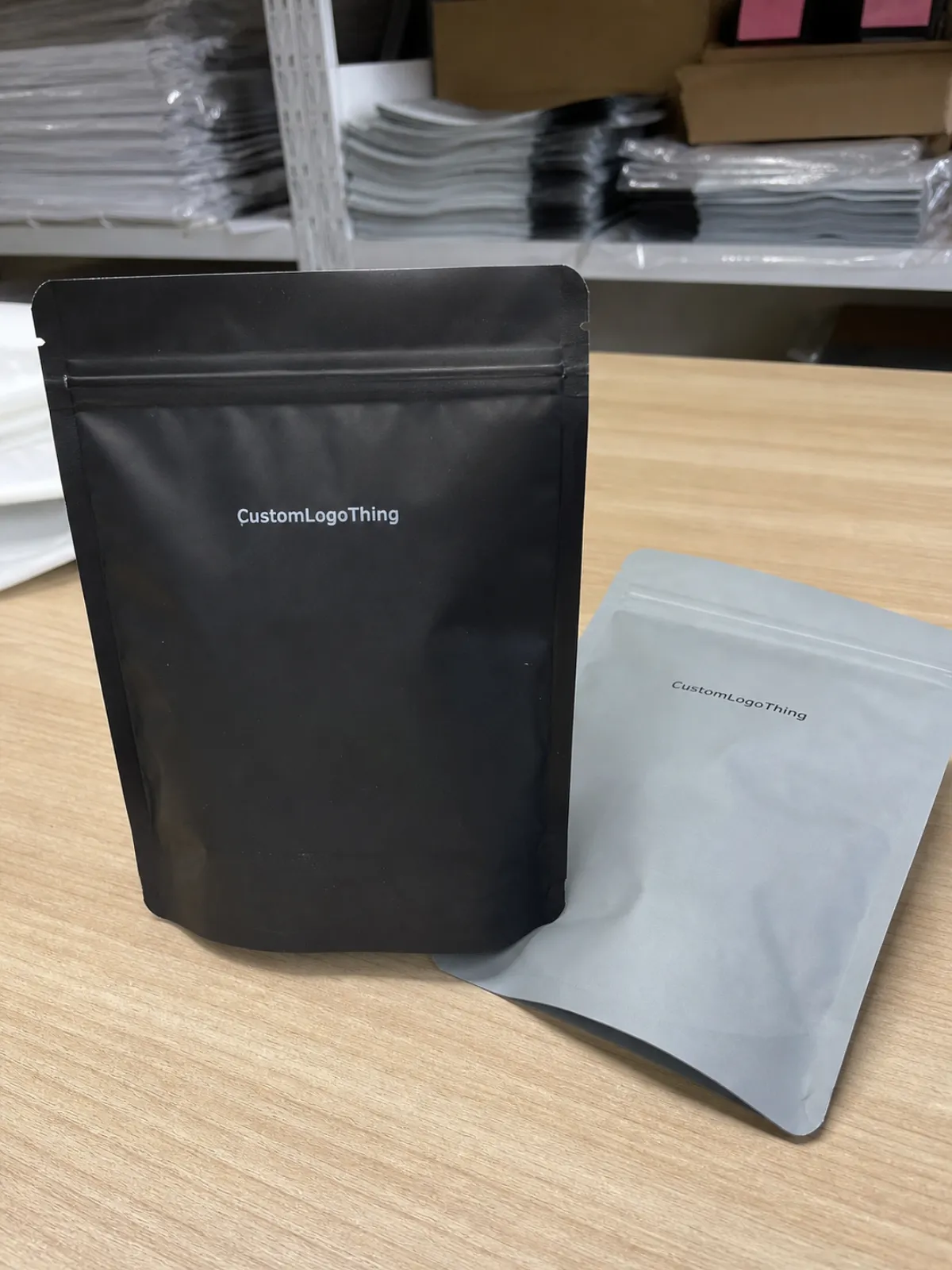
Matte surfaces hide fingerprints and small scratches better than gloss, which helps when packs move through busy fulfillment lines and parcel networks. Gloss can look sharp in controlled light, but it also shows handling marks more easily. Matte tends to keep a steadier appearance from warehouse to doorstep.
That matters for refill packs, sample sets, and small retail components that ship on a schedule. The bag is not just a container; it is part of the unboxing and reuse experience. A decent zipper gives the pouch a second life, which can improve perceived value without adding unnecessary structure.
Bulk purchasing also supports operations. A fixed pouch size makes pack-out more predictable, helps carton counts stay consistent, and reduces the chance that small dimensional changes create freight or seal issues later. For recurring programs, repeatability is often more valuable than a one-time visual upgrade.
Buyers should also think about visual drift between runs. If matte tone, zipper feel, or print alignment shifts, customers notice even when the change is subtle. A stable build reduces those surprises and makes replenishment easier to manage.
Material and finish choices that affect daily performance
Start with film structure, not just the surface finish. Matte appearance can come from a matte outer layer, a laminated construction, or a coated film, and those options behave differently. A simple matte polyethylene pouch is often enough for light, dry goods. A laminated build usually makes more sense when the product needs more barrier, a better print surface, or a premium hand feel.
Thickness should match the product, not a vague idea that thicker is always better. For lighter contents, roughly 2.5 mil to 3.5 mil may be enough. For heavier kits or more demanding handling, 4 mil to 6 mil is more realistic. Too thin can mean wrinkling, seal stress, or zipper strain. Too thick can make filling harder and reduce carton yield.
The zipper deserves close attention. A smoother closure profile and wider seal zone usually make the pouch easier to open and reseal, which matters if customers will store the product between uses. A strong print on a weak closure is still a weak package.
Only add features that solve a real use case. Tear notches help with opening. Hang holes support retail display. Clear windows show product color, texture, or fill level. Writable panels help with batch notes or internal identification. Each feature should earn its place on the spec sheet.
Matte finish quality also needs a real-world check. Some surfaces look good in proofs but show rub marks after folding, carton compression, or transit. If the bag ships in a mailer or secondary carton, ask how the film handles abrasion and crease memory. A finish that still looks composed after shipping is worth more than one that only photographs well.
For teams comparing packaging terminology, the Institute of Packaging Professionals is a useful reference. It helps align expectations when different teams use the same words differently.
Core specifications to confirm before you request a quote
Most pricing delays start with vague specs. A supplier can quote quickly only when the request includes the real working dimensions, not a rough estimate. Finished width, finished height, and gusset depth should be stated exactly as they will ship. If the pouch holds a dense fill, even a small size change can affect seal behavior and pack-out efficiency.
Film gauge matters just as much. A 3 mil pouch and a 6 mil pouch can share the same outline but behave very differently during filling, stacking, and shipment. The thicker option may improve feel and durability, but it also raises material cost and can reduce carton yield. The right choice depends on fill weight, closure type, and how often the customer will reopen the bag.
Before you Request a Quote, confirm these points:
- Finished dimensions and gusset depth, if any.
- Fill weight or product density.
- Material type and target film gauge.
- Zipper style and whether a wider reclosure zone is needed.
- Print method, color count, and matte coverage.
- Extras such as a window, tear notch, hang hole, or writable panel.
Compliance needs should be named early. Food contact declarations, odor limits, batch coding, and tamper-evident or child-resistant requirements can affect resin selection, tooling, and approval steps. If the pack is fragile or dense, ask for transit testing against a recognized package test structure. Bench appearance is not the same as shipping performance.
A clean spec sheet saves time twice: during quoting and again during production. It also makes comparisons fairer, which matters because bulk pricing can look attractive until setup, freight, and plate charges are included.
Pricing, MOQ, and unit cost drivers for a subscription matte zipper bags bulk order
MOQ depends on bag size, print setup, material structure, and whether the build uses stock components or a custom pouch. A plain matte zipper bag with limited print usually carries a lower minimum than a fully custom laminated pouch with a window and heavier finish work. The useful minimum is the smallest run that matches your real reorder cadence.
Unit cost is driven by a few levers buyers can usually see clearly once the quote is broken out: film gauge, zipper quality, matte treatment, number of print colors, window size, and any extra finishing steps. Freight, carton packing, and setup charges should be compared alongside the bag price. Without them, a low ex-works quote can become a costly landed order.
| Option | Typical MOQ | Typical unit price | Best fit |
|---|---|---|---|
| Stock matte PE zipper bag, one-color print | 5,000-10,000 | $0.12-$0.22 | Simple refill packs and samples |
| Custom matte laminated zipper bag, full-color print | 10,000-20,000 | $0.20-$0.38 | Premium subscription kits with stronger shelf appeal |
| Matte bag with clear window and tear notch | 10,000-20,000 | $0.24-$0.46 | Products that need visibility and easy opening |
| Heavier-gauge matte bag with higher barrier structure | 15,000+ | $0.32-$0.58 | Moisture-sensitive or higher-value contents |
Those ranges are planning numbers, not guarantees. A small pouch with light print will not price like a larger pouch with dense graphics and special finishing. A first run also tends to carry more setup load than a repeat run. On smaller orders, setup and freight can distort the per-bag number enough that the cheapest quote on paper is not the cheapest order in the warehouse.
For recurring programs, ask for tiered pricing at the quantities you actually expect to use: monthly demand, quarterly demand, and the annualized quantity if the design stays stable. That is usually more useful than one headline number because it shows where scale begins to pay back setup cost and where the savings flatten out.
Also ask whether the quote includes retained plates, color standards, and storage of approved materials for reorders. Those items do not always appear in the first price discussion, but they often determine whether the next run is easy or starts from scratch.
Process and lead time from artwork approval to shipment
The process usually begins with a spec sheet and a dieline review. That step matters because artwork that looks balanced on a screen can shift around a zipper, seal zone, or window once it is printed on the pouch panel. The closer the proof is to the actual construction, the fewer surprises appear later.
After proof approval, some runs can go straight into production. Others need a sample or pre-production check, especially if the matte tone, color density, or zipper feel is part of the product promise. A sample takes time, but it is cheaper than finding a closure problem after thousands of units are printed.
Lead time depends on material availability, print method, order size, and the number of revisions before approval. Clean artwork files and fast feedback can shorten the schedule more than teams expect. For a straightforward custom run, a production window of roughly 12 to 15 business days after final proof approval is a reasonable planning range. More complex structures, special finishes, or imported materials can push that longer.
If the order needs a sample stage or a custom barrier layer, add cushion. Transit time can also matter, especially if the goods move by ocean instead of air. Production may finish on time while cartons are still in transit, which is not much help to a subscription calendar that is already locked.
Once production starts, quality control should verify dimensions, seal integrity, zipper function, print alignment, carton count, and pack consistency. For a recurring program, the ship date is only one checkpoint. Receiving, inspection, filling, and outbound scheduling all need enough margin to absorb a late correction.
Shipping-heavy programs benefit from a test mindset, not just a visual one. A pouch that survives bench handling can still fail under stacking pressure or parcel vibration. Transit standards help buyers check whether the package is fit for the way it actually moves through the chain.
What makes a supplier reliable for repeat subscription orders
A dependable supplier keeps matte tone, print color, zipper performance, and dimensions consistent from one run to the next. Repeat orders are where weak documentation, loose specs, and casual approval habits show up. A subscription program can tolerate very little drift before the brand starts getting questions.
Documentation is the best protection. The supplier should keep the approved artwork, material reference, dimensional spec, and a retained sample on file. Those records help future reorders move faster and give both sides a clean reference if the next run needs correction. Without them, every reorder becomes a new project.
Good suppliers also talk plainly about tradeoffs. If a heavier film improves durability but raises unit cost and stiffens the pouch, that should be said up front. If a window complicates print registration or creates an extra failure point, that should be named as well. Clear answers are more useful than polished ones.
For repeat subscription work, these are strong signals of a healthier fit:
- They explain why one film or zipper spec costs more than another.
- They flag stock risk early if a repeat run may be tight on material.
- They can hold the approved build without forcing a redesign.
- They support a reorder against the retained standard instead of starting over.
If the shipper carton or insert pack uses paperboard, ask about FSC-certified materials and chain-of-custody requirements. That is separate from the pouch itself, but buyers often manage the full package system, not one component. Paper standards, print standards, and pouch standards should line up instead of drifting apart.
For buyers comparing volume purchasing options, internal specs matter more than broad promises. A supplier who can quote to your real usage pattern, hold the same build on reorder, and respond quickly to a quality issue is usually worth more than one who only looks cheap at the start.
Next steps to lock the spec and place the order
Start with the information that actually changes price and lead time: finished size, fill weight, artwork files, target quantity, and any must-have features such as a window, writable panel, or tear notch. If the product is still under development, compare two or three pouch footprints before you lock the dieline. A slightly different size can change pack efficiency and freight cost more than most teams expect.
Ask for a proof or sample, then confirm carton pack, shipping method, and reorder terms before production begins. That is the part many programs skip, and it usually costs them later. A subscription schedule leaves little room for guessing, especially when packaging lands close to the fill date.
For recurring orders, set a reorder trigger based on monthly consumption and the supplier’s current lead time. That prevents the scramble where packaging stock looks healthy until the last pallet is already committed to the next run. Stable purchasing is mostly a timing problem.
A subscription matte zipper Bags Bulk Order works best when the spec is narrow, the quality checks are clear, and the reorder path is documented. If those pieces are in place, the packaging becomes a repeatable part of the program instead of a new decision every cycle.
What do I need to request a subscription matte zipper bags bulk order quote?
Send the finished size, fill weight, material preference, zipper style, print colors, and matte finish requirement. Include your estimated monthly or annual quantity so the supplier can build realistic pricing tiers and MOQ options. If freight matters, add the destination and carton packing preference.
How do matte zipper bags compare with glossy bags for subscription packaging?
Matte bags usually hide fingerprints, small scuffs, and handling marks better than glossy surfaces. Gloss can feel brighter and more reflective, but matte tends to look steadier across repeated shipping cycles. The better choice depends on the brand look, the product’s handling conditions, and how often the pouch will be reopened.
What MOQ should I expect for custom matte zipper bags in bulk?
MOQ changes with size, print complexity, and whether the pouch is stock-based or fully custom. Simple runs often start lower than multi-color custom jobs with windows or special finishing. Ask for tiered pricing so the minimum run can be compared with the quantity the program will actually consume.
How long does production usually take after artwork approval?
Timing depends on whether a sample is required, the print method, and whether the material is already available. A straightforward custom run can often fit into a 12 to 15 business day production window after final proof approval. Special structures, material sourcing, or multiple revisions can extend that schedule.
Can I reorder the same subscription matte zipper bags later without color drift?
Yes, if the supplier keeps the approved artwork, spec sheet, material reference, and retained sample on file. Request the same production standard used on the first run whenever possible. Color consistency is much easier to protect when the exact files, finishes, and tolerances are documented before reorder.

