Supplement Brand Paper Shopping Bags Cost: Get a Quote matters because the bag has to do more than carry product. It needs to hold jars, bottles, or refill pouches without collapsing, then leave a customer with the impression that the brand paid attention to details. Supplement Brand Paper Shopping Bags cost less than many buyers expect when the structure is matched to the actual load, the print plan is kept realistic, and the comparison includes freight, packing, and rework risk instead of only the factory price.
The budget conversation gets easier once the bag is treated as part of the packaging system, not a decorative add-on. A simple kraft tote can work well for sample sets and lighter retail bundles. A reinforced euro-tote may be justified for premium launches or higher-ticket kits. The difference is not just visual. Paper grade, handle construction, and finishing choices can move the quote more than the bag shape itself.
That is why buyers in supplement, wellness, and nutrition categories usually get better results when they compare total landed cost against use case. A bag that looks “expensive” on paper may actually be a sensible purchase if it prevents product damage, reduces complaints, and survives reuse. The opposite is also true: a cheap bag that splits at the base can become the most expensive option in the room.
Why paper shopping bags can cost less than expected
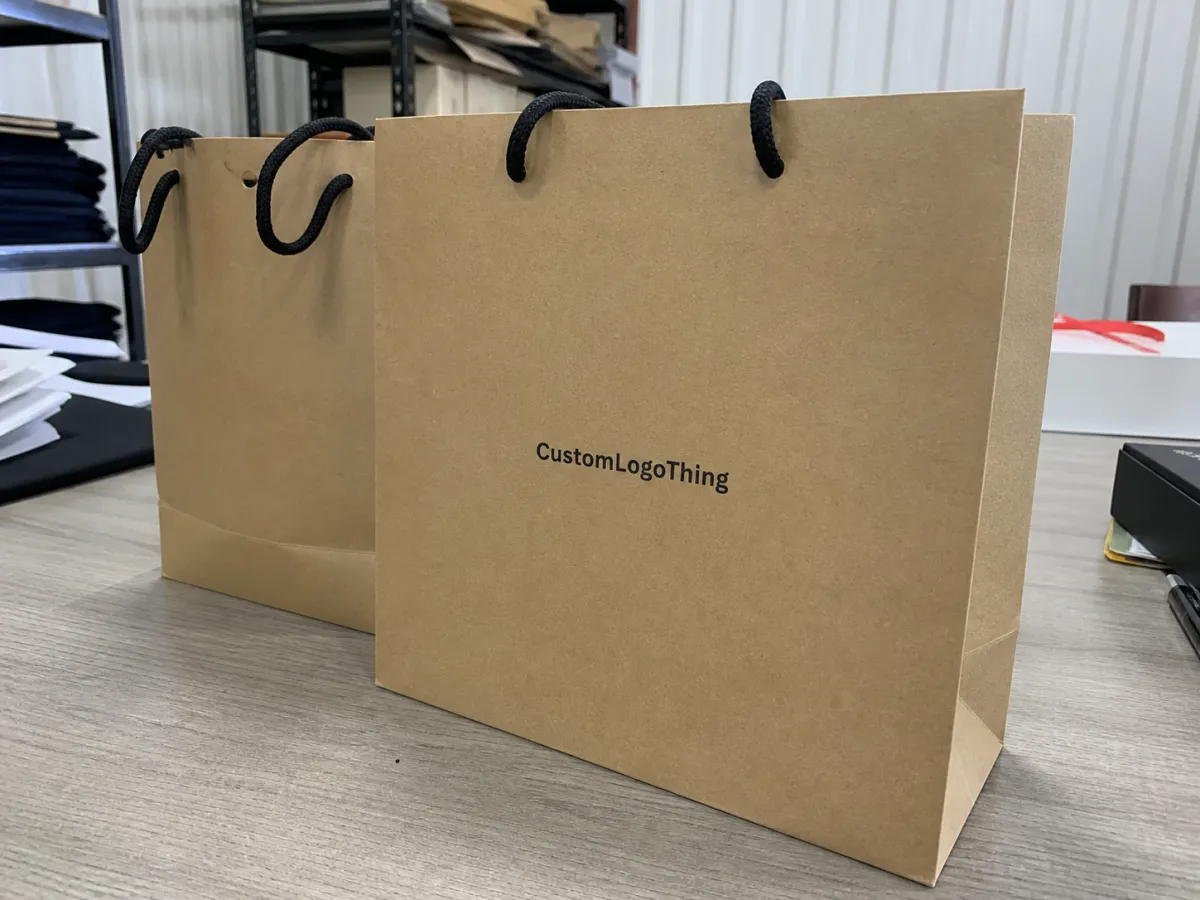
On the buying side, many supplement teams assume Paper Shopping Bags belong in the premium-only bucket. That is not always true. If the bag is built with the right paper weight, a practical handle choice, and a print approach that suits the artwork, it can land at a workable price while still improving the retail moment at the counter, at a trade show, or in a membership kit.
The cheapest-looking option is not always the cheapest in use. A bag that saves a few cents but arrives with weak seams, poor registration, or a bottom panel that bows under weight usually creates more expense downstream. Staff have to double-bag items, replace damaged packs, or deal with awkward handoffs. Those hidden costs rarely show up in the initial quote, but they show up in operations.
There is also a brand effect that is easy to underestimate. A decent paper bag is often reused by the customer, which gives the logo a longer life than the original purchase moment. That matters for supplement brands because the categories are crowded and visually similar. A bag that feels clean and sturdy can make a small order look considered, while a flimsy one can make even a premium product feel rushed.
"A paper bag that carries well and survives reuse usually does more for brand recognition than a fancier bag that fails at the counter."
The practical takeaway is simple: compare value, not flash. If the bag is doing the job it was designed to do, the price can be surprisingly reasonable. If the spec is oversized, overfinished, or underbuilt, the quote usually reflects that somewhere in the line.
Paper bag formats that fit supplement packaging
For supplement brands, the most useful paper shopping bag formats are the ones that match product weight and order mix. A flat gusset style works for lighter handouts, single jars, or pouch-based bundles. A reinforced shopping tote is more suitable when the bag needs to carry several items at once, especially if the order includes bottles, canisters, or mixed SKU kits.
Format choice matters because structure drives material use and assembly time. Kraft paper is usually the most straightforward option when the look should feel natural and the budget needs discipline. Coated paper is better when the art has to reproduce crisp gradients, saturated black, or fine typography. Laminated paper adds scuff resistance and a sharper finish, which can help premium brands that want stronger shelf impact and more consistent color across a run.
Handle style changes both price and experience. Twisted paper handles are common for value-conscious retail bags and keep production simple. Cotton or ribbon handles raise perceived value and feel softer in the hand, but they also move the quote and can lengthen lead times. Reinforced paper handles or die-cut handles can make more sense when the bag needs to stack neatly, fit a tight display, or keep its shape after repeated use.
When the bag will carry heavier supplement kits, bottom support deserves more attention than most teams give it. A bag that flexes too much at the base telegraphs weakness immediately. Ask whether the bottom includes a board insert, whether the handles are glued or knotted, and whether the side seams are reinforced. Those details affect how the bag performs after it leaves the counter, not just how it looks in a mockup.
Specifications that change strength, appearance, and consistency
The spec sheet should be simple enough to read and complete enough to prevent surprises on press and at packing. The basic items are size, gusset depth, paper weight, handle reinforcement, and print area. Those five details usually decide whether the bag performs well and whether the quote stays stable from sample to production.
- Size: Match the bag to the tallest bottle or jar, then leave enough headroom for easy loading.
- Gusset depth: A wider gusset helps with multi-item kits and keeps the bag from ballooning awkwardly.
- Paper weight: Typical paper ranges run from about 150gsm to 250gsm depending on format and load.
- Handle reinforcement: Reinforced tops and handle patches matter when the bag carries heavier supplement tubs.
- Print area: Confirm safe zones for logos, copy, and any registration-sensitive artwork before approval.
Finish choices should have a reason. Matte lamination tends to look calmer and more restrained. Gloss gives sharper contrast and can make dark colors feel richer. Soft-touch creates a denser, more tactile surface, but it usually belongs on higher-value runs where the brand wants a more refined customer impression. Spot UV, foil, and texture effects can work on a front panel, yet they should support the brand story rather than turn the bag into a novelty item.
There are also material realities that affect consistency. Recycled kraft can vary more in tone than bleached stock, which is not a defect if the brand accepts the look up front. White ink on brown kraft may need multiple passes to stay opaque. Heavy flood coverage can increase ink usage and the chance of scuffing if the finish is not selected carefully. These are the details that separate a good render from a reliable production run.
Tolerances matter as well. A few millimeters on a handle or base panel might sound minor, but those small differences affect how the bag sits on a shelf and how easy it is to pack by hand. If the supplement kit is heavy or oddly shaped, the right question is not only whether the bag looks correct. It is whether the bag can hold its shape after repeated handling, minor drops, and normal shipping stress.
If fiber sourcing is part of the brand story, ask for the exact paper claim early and verify the wording before art is approved. For broader material and sourcing context, the FSC site is a useful reference point. It will not quote the bag, but it helps keep sourcing language accurate.
Supplement Brand Paper Shopping Bags Cost: what drives the quote
Supplement brand Paper Shopping Bags cost is shaped by a handful of controllable variables, and buyers get the cleanest comparisons when those variables are lined up side by side. The main drivers are dimensions, paper grade, number of print colors, special finishes, packing format, and shipping destination. Two bags that look similar on screen can land very differently once paper basis weight, handle style, and freight are included.
| Format | Typical spec | Approx. unit cost at 3,000-5,000 pcs | Best use | Notes |
|---|---|---|---|---|
| Twisted-handle kraft tote | 170-200gsm kraft, one or two colors | $0.18-$0.32 | Retail handouts, starter kits, event giveaways | Strong value, simple look, lower setup burden |
| Euro-tote paper bag | 157-200gsm coated paper, rope handle | $0.28-$0.55 | Premium retail, influencer kits, gift presentation | Better visual branding and a more polished hand feel |
| Laminated reinforced bag | 157-250gsm board, matte or gloss lamination | $0.35-$0.75 | High-end launches, larger bundles, display-driven programs | Higher unit cost, but stronger scuff resistance and finish control |
Note: These ranges are directional and assume a single design size, a standard production run, and ex-works pricing before final freight. Artwork complexity, destination, carton count, and packaging quantity can move the number up or down. Small orders often carry a noticeably higher unit cost because setup is spread across fewer bags.
Setup cost is another piece buyers often underestimate. A clean dieline, correct bleed, and clear logo placement reduce revisions and keep the quote from drifting. If artwork arrives with the wrong safe area or an unsupported handle position, someone has to rework the file, and that time shows up in the project. The same is true for photo-heavy layouts, full bleeds, and metallic or spot-effect treatments, which can increase press time and registration checks.
There are hidden costs worth watching. Sample freight, tooling for custom handles, protective carton inserts, palletizing, and import duty can all affect the landed number. A quote that looks lower on day one may not stay lower once the shipment is packed and moved. That is why experienced buyers ask for the same paper weight, the same print count, the same handle construction, and the same freight terms before comparing suppliers.
For general packaging terminology and material framing, Packaging.org can help set the baseline. The actual quote, though, is determined by the finished spec. A well-documented brief removes guesswork and keeps the number honest.
MOQ, samples, and unit-cost breakpoints
MOQ changes with structure, print method, and finish. A straightforward kraft bag with a basic handle usually has a lower entry point than a laminated euro-tote with foil or texture work. For supplement brand paper shopping bags cost planning, it helps to think in tiers: a simple version for launch testing, a better-finished version for premium retail, and a reorder version once the program has proven itself.
Sample type matters more than many buyers expect. A plain white sample tells you size and structure. A printed mockup lets the team review layout and color balance. A pre-production sample is closer to the real thing and is the one worth approving before the full run. If the bag has to hold jars or mixed kits, a filled sample test is the safest way to catch bottom sag, handle strain, or awkward opening width before the order is released.
Typical breakpoints are easy to see once a buyer has ordered a few times. Small runs around 500-1,000 pieces often carry a higher unit cost because setup work is spread across fewer bags. Mid-volume orders around 3,000-5,000 pieces usually bring a better balance between price and flexibility. Larger replenishment orders can reduce unit cost further, but only if the brand is ready to store and use the inventory without tying up cash or space.
There is another tradeoff that gets missed in budgeting spreadsheets. Higher quantities can reduce the per-bag price, but they also raise the risk of holding obsolete artwork or sizing after a packaging refresh. That is especially relevant in supplement categories, where formulations, regulatory language, and SKU architecture can change faster than a bag run. A lower unit price is not always the smarter decision if the inventory will sit for months.
"A sample that looks good when empty is not enough if the bag will carry two jars, a pouch, and a booklet."
Process and timeline from proof to delivery
The production path should be predictable. It starts with spec review, moves to artwork check, then proof approval, production, inspection, packing, and shipment. Each step has a purpose, and skipping one usually costs more later. A supplier that works cleanly should be able to explain where the bag is in the flow and what is needed before the next step starts.
For supplement brand paper shopping bags cost planning, the useful number is total landed cost, not just the factory price. Artwork readiness can shave days off the schedule. Finish complexity can add days. Bag size and quantity affect the packing plan. Domestic freight is usually simpler to coordinate than overseas freight, but even a local shipment can slow down if the pallet count or carton spec is not fixed early. For heavier or more delicate load cases, transit stress should be considered the same way the industry treats other packaged goods, and the testing guidance from ISTA is a useful reference for drop, vibration, and compression thinking.
As a working range, simple printed orders often take about 12-15 business days after proof approval, while coated stock, lamination, foil, or other special effects can push that to 15-25 business days. Add time for peak-season congestion, color corrections, or a revised dieline. If a launch date is fixed, lock artwork early, confirm the bag dimensions with a filled sample, and avoid late changes to handle style or print count.
Inspection is where quality either holds together or falls apart. Good checks include print registration, glue-line strength, handle pull resistance, base squareness, carton count, and surface scuffing after packing. For supplement kits, it also helps to verify that the bag opens cleanly and that the product does not tip while being inserted. A bag can pass a visual proof and still fail in the hands of a retail associate if the opening is too narrow or the handles are set too close to the top edge.
- Confirm the exact bag size, product weight, and intended use.
- Approve artwork with correct bleed, safe zones, and print colors.
- Review proof images or a physical sample before production starts.
- Check inspection, packing method, and carton count before shipment.
- Match the shipping plan to the launch schedule and storage plan.
What a careful supplier checks before quoting
Brands do not just buy a bag; they buy the result that bag creates at the point of handoff. A careful supplier looks at fit, print clarity, and shipping cost together instead of treating each item as a separate problem. A bag that looks fine in artwork but arrives underbuilt is not a good deal. A bag that is technically strong but visually off-brand can still miss the mark.
Good buyers think about customer perception on the retail floor. If the bag is part of a membership box, an event handout, or a store pickup program, it should look intentional the moment it is picked up. That is where practical questions matter: How heavy is the filled kit? Will the bag be reused? Is the customer carrying it home or just from the counter to a meeting room? Those answers shape the paper choice, the handle, the bottom reinforcement, and the carton pack count.
Consistency is the part that rarely gets enough attention. If a bag is being reordered every quarter, the new run should look and behave like the last one. The supplier should keep the same dieline, verify the same paper grade, and flag any change in substrate or finish before production. Even small shifts in color density or handle placement can make a repeat order feel like a different product.
This is also where a lot of pricing confusion disappears. A quote is only useful if the buyer knows what is included. Does it cover pre-production sampling? Does it include inner packing? Is the freight estimate based on cartons or pallets? Those small details determine whether a “lower” quote is actually lower or just less complete.
"The cheapest bag on paper is not always the cheapest bag in use if it needs replacement, repacking, or rework."
What to include in a quote request
If the brief is vague, the quote will be vague too. The fastest path is to share the exact bag size, quantity, artwork files, product weight, ship-to location, and target date. A filled sample, a product photo, or a rough carton plan helps the quoting team match the bag to the real use case instead of guessing.
- Bag size: Height, width, and gusset in clear units.
- Quantity: Confirm the first run and any expected reorder volume.
- Artwork: Final files, logo usage, and number of print colors.
- Product weight: Bottle, jar, pouch, or mixed kit load.
- Ship-to: Destination matters for freight and landed cost.
- Deadline: Give the real date, not a loose target.
Compare quotes only when the specs are identical. A lower unit price means very little if one supplier used lighter paper, a different handle, or a less complete finish. Ask for the same paper weight, the same print count, the same handle construction, and the same freight terms before deciding. That is the only fair way to judge supplement brand paper shopping bags cost.
Review the spec sheet against the sample, not against memory. That simple habit catches most of the avoidable errors: wrong gusset depth, too-small print area, handle color mismatch, or a carton count that creates a warehouse problem later. In packaging, the details that seem minor are often the ones that change the final cost.
What affects supplement brand paper shopping bags cost the most?
Paper weight, size, and handle construction usually move pricing more than the bag shape itself. Print coverage, special finishes, carton pack count, and shipping destination can also change the final unit cost.
Can paper shopping bags hold supplement jars and heavy kits?
Yes, if the bag is sized correctly and uses reinforced handles, a strong bottom, and the right paper stock. Filled sample testing is the safest way to confirm performance before a full order.
What MOQ should I expect for custom supplement paper bags?
MOQ depends on print method, structure, and finishing choices, so simpler bags usually start lower than premium builds. Higher quantities often reduce unit cost because setup expense is spread across more pieces.
How long does production usually take?
Lead time depends on artwork approval, material selection, and the complexity of the bag. Simple orders move faster, while coated stock, special finishes, or peak-season schedules can add time.
What should I send for an accurate quote?
Provide size, quantity, artwork, product weight, ship-to address, and deadline. If possible, include a filled sample or product photo so the bag can be matched to the actual use case. That makes supplement brand paper shopping bags cost easier to compare across suppliers without hidden differences in paper weight, handle type, or freight.


