Open bakery packaging looks friendly until somebody asks whether the product was handled properly. That is the real reason Tamper Evident Bags for bakeries wholesale pricing keeps coming up in buyer conversations. It is not about fancy packaging. It is about sealing the product, reducing disputes, and making the handoff cleaner for staff and customers alike.
From a packaging buyer’s perspective, tamper evidence is a practical answer to delivery routes, self-serve cases, pickup counters, and third-party couriers. If the bag clearly shows whether it has been opened, the product feels more trustworthy. That is a small detail with a big effect on customer confidence.
And yes, presentation still matters. A sealed bag usually looks tidier on shelf than a folded pouch that has been opened and reclosed three times. Bakery packaging has a habit of getting judged on both looks and function. Annoying, but true.
Why bakery teams switch to sealed bags fast
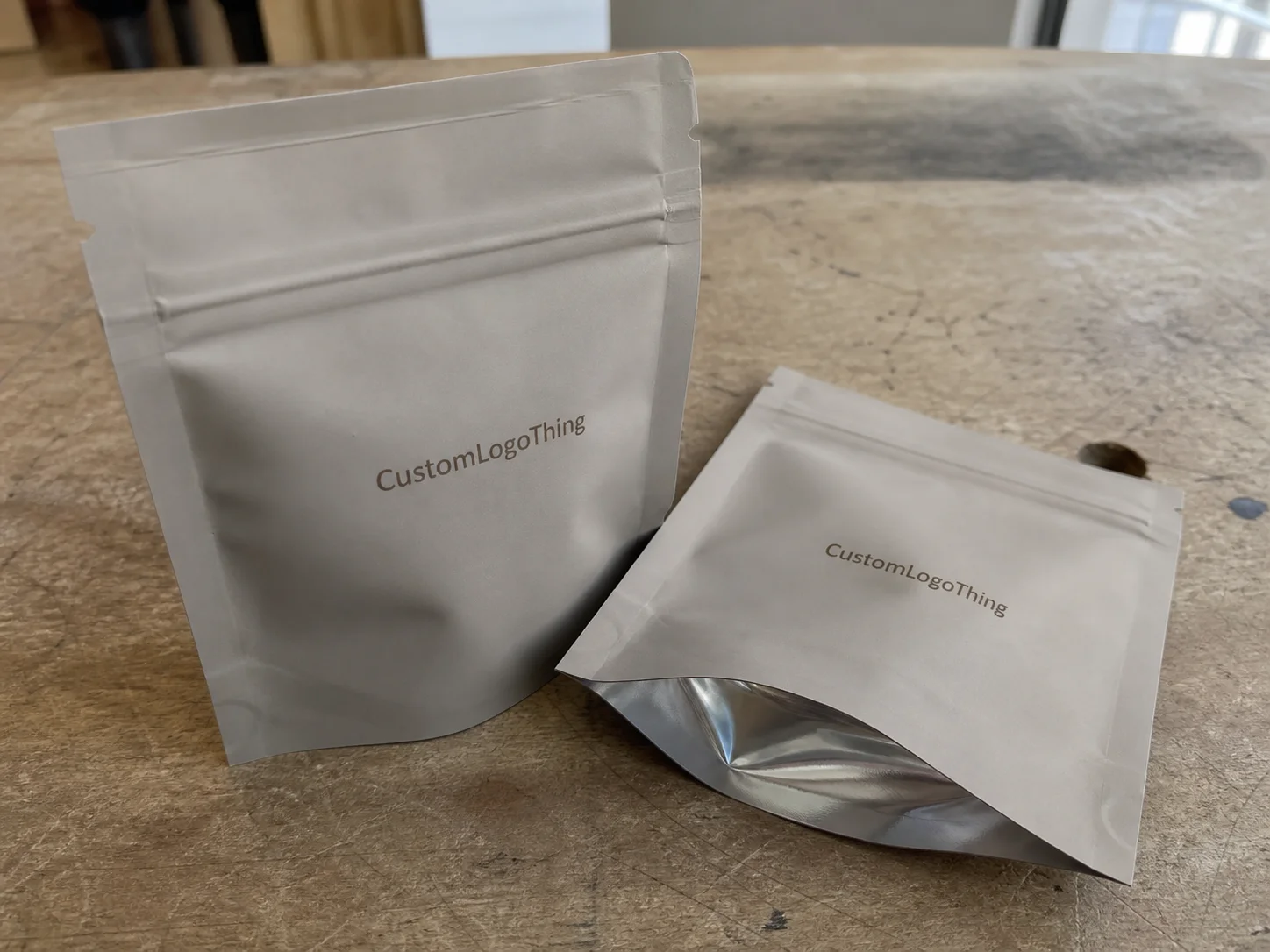
Bakery teams usually move to sealed packaging after a few repeat problems. A customer claims the item was opened. A driver repacks an order without documenting it. A display case gets handled more than expected. Individually, those issues are manageable. Together, they start eating time, margin, and patience.
Tamper Evident Bags help because the closure tells a simple story. If the seal is intact, the package is easier to trust. If it has been opened, that is visible too. Staff do not need a long explanation every time an order changes hands.
That matters most for products that travel through several touchpoints before sale: cookies, brownies, muffins, pastries, and decorated items. These are not high-drama products. They are high-contact products. Small handling issues show up fast.
There is also a food-safety benefit, even when the package is used mainly for display or pickup. Clear seal behavior supports internal handling rules and makes training easier. New staff can spot the closure and understand the expected workflow without needing a lecture.
“Most bakery complaints are not about the cookie. They are about confidence. A visible seal lowers that friction fast.”
One detail buyers sometimes miss: sealed packaging can reduce back-and-forth at the counter. Staff spend less time answering whether an item was touched, reopened, or replaced. That does not sound glamorous, but it saves time every day. Packaging that cuts conversation volume is doing real work.
Tamper evident bag styles and bakery-ready features
Not every sealed bag behaves the same way. Bakery buyers usually compare a few common formats, and the right choice depends on the product shape, how the item will be handled, and whether the bag needs to survive display, pickup, or shipping.
- Adhesive seal bags – quick to close, easy to inspect, and common for simple bakery workflows.
- Tear-strip closures – useful when you want clear opening evidence and a cleaner first open.
- Zipper bags with tamper bands – useful when resealability matters, though they usually cost more.
- Clear PE or PP bags – popular for display because customers can see the product without opening the pack.
Cookies and brownies usually do fine in clear PE or PP formats if the seal is solid and the bag is sized with enough headroom. Muffins and pastries need more tolerance because they can crush, sweat, or shift in transit. Loaves and sliced baked goods often work better in a taller format or a gusseted shape.
Decorated items are the sensitive ones. If icing can smear or transfer, the bag needs enough internal clearance so the closure does not rub the top of the product. For warm goods, ask about moisture behavior before placing the order. Otherwise the inside fogs up, the print looks tired, and everyone pretends that was part of the concept.
Useful bakery-ready features include:
- Food-safe film for direct or indirect contact
- Writable panels for date coding or order notes
- Clear front panels for shelf visibility
- Print area for logos, ingredient notes, or handling instructions
- Vent options or moisture control where warm product is involved
Before ordering, check seal strength, tear behavior, and whether labels stick cleanly without peeling. If your team uses stickers for flavor, bake date, route ID, or allergen notes, the label zone matters more than most suppliers admit at first glance.
Core specs buyers should compare before ordering
If you are comparing options for tamper evident Bags for Bakeries Wholesale Pricing, do not start with price alone. Start with the spec sheet. A cheap bag that fails in handling is not cheap. It is a future complaint with a low invoice.
The main specs to compare are straightforward:
- Material type – PE, PP, or a laminated structure depending on clarity and stiffness
- Thickness – commonly around 40 to 80 microns for bakery-use bags, depending on the product and transit load
- Dimensions – width, height, gusset, and closure area
- Seal mechanism – adhesive strip, tear notch, tamper band, or zipper variation
- Printing method – flexo, gravure, or digital depending on volume and artwork
- Stock or custom – custom dimensions usually cost more and take longer
Thickness is a tradeoff. Thinner bags usually cost less and pack flatter, but they can feel flimsy in hand and may not hold up well in delivery. Heavier gauges improve stiffness and puncture resistance, but they also raise unit cost and can feel less forgiving around awkward bakery shapes.
Sizing is where a lot of waste happens. Too small, and the seal area gets crowded. Too large, and you pay for extra film you do not need. A decent starting point is to leave room for the product shape, enough closure area for the tamper feature, and space for labels or date codes without covering the seal.
Compliance should not be treated like a footnote. If the bag touches the baked good or an inner tray, specify food-contact suitability. If the product has frosting, filling, or moisture-heavy components, ask how the film behaves. For shipping or courier routes, ask whether the bag holds up under compression and handling, not just on a showroom table.
For broader packaging context, trade groups such as the Packaging Machinery Manufacturers Institute and testing standards from ISTA are helpful references. Not exciting. Still useful. Packaging looks simple until it fails during transit.
Tamper evident bags for bakeries wholesale pricing and MOQ
Here is the part buyers actually need: tamper evident Bags for Bakeries Wholesale Pricing changes based on a few hard variables. Size, film thickness, seal style, print coverage, and order quantity all move the number. If someone gives you one flat “standard price,” they are almost certainly not pricing your actual use case.
In broad terms, stock unprinted bags are the lowest-cost route. They work well if you mainly need sealed packaging and do not require branding. Custom printed bags cost more because of setup, proofing, and production complexity, but they can improve shelf presentation, traceability, and brand recall.
| Option | Typical Use | Price Behavior | MOQ Behavior |
|---|---|---|---|
| Stock unprinted bags | Fast replenishment, simple sealing | Lowest unit cost | Lowest minimums |
| Custom printed bags | Branded bakery packaging, retail presentation | Higher unit cost, setup added | Moderate to higher MOQ |
| Special dimensions or features | Warm goods, odd shapes, heavier items | Higher cost due to customization | Often the highest MOQ |
For rough planning, stock bags sit in a lower price tier that works for daily operations, while custom printed or special-format runs move into a noticeably higher per-unit range. The actual quote depends on film choice, seal style, print coverage, and whether the artwork needs one color or full coverage. A run of 5,000 units will not behave like a run of 20,000. That is not a trick. It is just production math.
MOQ is where buyers get tripped up most often. Standard sizes usually start lower because the tooling already exists. Custom dimensions or branded runs usually need a higher minimum because setup costs have to be spread across enough units. If the supplier is changing films, dies, or print plates, the minimum rises for a reason.
Also ask what the quote includes. Some quotes bundle basic artwork setup and proofing. Others separate those charges. Freight is often separate too, especially for larger cartons or pallet orders. If you are comparing tamper evident Bags for Bakeries wholesale pricing across vendors, compare the total landed cost, not just the bag price on page one.
For buyers also reviewing broader wholesale packaging programs, our Wholesale Programs page is a useful starting point. It helps compare run sizes, spec options, and repeat ordering without guessing at the math.
Process, proofing, and lead time from quote to delivery
The cleanest orders start with clear inputs. Tell the supplier the product type, approximate fill weight, target dimensions, seal style, and whether you need stock or custom packaging. If those details are missing, the quote comes back fuzzy and the follow-up emails multiply. Everyone loses time.
A typical order flow looks like this:
- Request a quote with exact specs.
- Confirm use case, especially if the product is warm, fragile, or moisture-heavy.
- Review artwork or receive a sample.
- Approve the proof or dieline.
- Move into production.
- Schedule freight and final delivery.
Lead time depends on whether you are buying stock or custom. Stock items move faster because the bag already exists. Custom orders need proofing, possible revisions, production scheduling, and freight coordination. For planning purposes, a realistic window for custom work is often 12 to 15 business days after proof approval for production, then transit on top of that. Bigger runs, complex print coverage, and special materials can stretch the timeline.
The delays are usually predictable: unclear dimensions, low-resolution logo files, late approvals, and indecision over the seal style. Artwork issues cause more slowdowns than most buyers expect. A bad file can stall a good order very quickly.
Proofing should not be treated like a formality. Ask for a dieline review if the print sits near the seal or closure zone. Request a sample if the product is sensitive to heat, compression, or moisture. Final pack-out checks matter too, especially if the bags will be used for route delivery, retail pickup, or wholesale redistribution.
If the package needs to survive transport testing, ISTA guidance helps with performance expectations. For sourcing and material responsibility questions, FSC is useful where applicable. Different issue, same lesson: bad assumptions cost money.
Why Custom Logo Things fits bakery packaging buyers
Bakery buyers do not need marketing fluff. They need clear specs, honest pricing, and packaging that behaves consistently across repeat runs. That is where Custom Logo Things makes sense. The value is not hype. It is fewer mistakes, fewer revisions, and tighter control over what shows up at the dock.
For teams comparing tamper evident bags for bakeries wholesale pricing, practical support matters more than a polished pitch. A supplier should help with custom sizing, print guidance, material selection, and order planning so the packaging matches the product weight and shelf use. Otherwise, you end up with bags that look fine in a proof and behave badly in the real world.
Consistency matters even more for repeat buyers. If a bakery uses the same seal performance and the same visual layout across multiple runs, staff training gets easier and shelf presentation stays steady. That matters in multi-location operations and seasonal programs, where packaging changes can create confusion fast.
Buyer-friendly support should also mean straightforward minimums and a clear quote structure. If a supplier cannot explain the difference between stock pricing and custom pricing in plain English, keep looking. Nobody needs mystery math attached to a box of bags.
For packaging teams managing multiple SKUs, the best partner is the one that keeps the order predictable: stable specs, clear proofing, and delivery expectations that are actually realistic. That is the job.
Next steps to order the right bakery bag run
Before requesting pricing, gather the basics: exact bag dimensions, product type, approximate fill weight, and whether the package needs branding or should stay blank. Add a note about whether the product is warm, fragile, or moisture-sensitive. Those details change the recommendation quickly.
Then decide on finish and closure. Do you want clear display packaging? A matte look? Stronger tear evidence? A resealable zipper with a tamper feature? Each choice affects cost and handling. There is no magic “best” option, only the one that fits your bakery’s product and selling channel.
It also helps to prepare artwork before asking for a quote. If you already have logo files, send them in the right format. If not, ask for a proof based on current branding. A sample request is smart when the product is warm, highly decorated, or likely to be handled during delivery.
Here is the clean buying path:
- Submit specs and product details.
- Compare tamper evident bags for bakeries wholesale pricing across stock and custom options.
- Confirm MOQ and any setup charges.
- Ask for a sample or proof if the product is sensitive.
- Lock production dates before a seasonal rush or launch window.
If you want the sealed package to do its job without extra drama, keep the order simple and the specs precise. That is the difference between packaging that supports operations and packaging that creates email chains.
FAQ
What are tamper evident bags for bakeries wholesale pricing based on?
Pricing usually depends on size, material thickness, seal style, print coverage, and order quantity. Custom artwork and special dimensions increase cost compared with stock unprinted bags.
What MOQ should I expect for bakery tamper-evident bags?
Stock items often have lower minimums than custom printed runs. Custom sizes or branded bags usually require a higher MOQ because of setup and production efficiency.
Can these bags hold warm baked goods?
Some can, but the right material and venting approach matter. Ask for a sample or material recommendation if the product is warm, moisture-heavy, or needs breathability.
Are tamper-evident bakery bags food-safe?
They should be specified for food contact if they will touch the product or inner packaging. Confirm compliance details before ordering, especially for direct-contact use.
How long does production usually take after approval?
Stock bags ship faster than custom orders. Custom runs usually need proof approval, production time, and freight scheduling, so the timeline depends on artwork and quantity.
What should I compare besides unit price?
Check thickness, seal integrity, clarity, MOQ, proofing terms, freight cost, and whether the quote includes setup or artwork fees. Unit price alone tells only half the story.
If you are narrowing the field, compare specs, confirm MOQ, and request a quote for tamper evident bags for bakeries wholesale pricing that fits the product instead of some generic bag that only looks good in a spreadsheet.


